Envalior Launches A New Range Of Sustainable Pocan® PBT Compounds Based On Bio-Circular BDO

DÜSSELDORF,, Germany — October 16, 2024 — Envalior is excited to announce the launch of Pocan® X-MB series of new polybutylene terephthalate (PBT) compounds based on bio-circular 1,4-butanediol (BDO). The sustainable content of the thermoplastics is certified and classified in accordance with the ISCC PLUS (International Sustainability and Carbon Certification) standard. The precursor for bio-circular BDO is used cooking oil, which does not compete with food production, as it is a second-generation feedstock. Envalior will be showcasing the new bio-based PBT compounds at the Fakuma trade show, October 15 to 19, 2024, at Friedrichshafen Exhibition Center. You can find Envalior in Hall B4, Stand 4302.

“With these compounds, we are enabling our customers to lower the carbon footprint of their products, reduce their dependency on raw materials from fossil sources, and conserve resources as a result. At the same time, the new compounds are an important milestone on our pathway of being able to offering alternatives based on biological and/or recycled materials to the entire Envalior product portfolio,” explains Marc Marbach, Global Business director for PBT at Envalior.

In addition to used cooking oil, other sustainable raw material sources are currently being explored, including post-consumer recycled materials (PCR). The material innovations have extensive potential in typical PBT applications, such as connectors and housings, as well as structural and functional components.

Sustainable raw material content of up to 71 percent

Three product variants of Pocan X-MB with glass fiber contents of 20 and 30 percent are currently certified in line with ISCC PLUS. In principle, the entire Pocan range can be produced on the basis of bio-circular BDO, including the hydrolysis-stabilized, flame-retardant and/or laser-transparent product variants. “We will rapidly expand the new product range in close collaboration with our customers,” Marbach added.

The PBT base resin of Pocan X-MB has a sustainable material content of 26 percent. This proportion can be significantly increased in the compounds if, for example, PET from post-consumer recyclates and recycled glass fibers are used in addition to sustainable BDO. This is the case for Pocan T3230 RC X-MB. It contains a total sustainable share of around 71 percent.

The carbon footprints of the new products are over 30 percent smaller than those of equivalent standard compounds. Efforts to calculate these footprints precisely for each compound and make them available to customers are ongoing. “In doing so, we also aim to help ensure that our customers and theirs too can prepare full life cycle analyses for their products,” Marbach said.

Replace fossil-based compounds easily

BDO produced from used cooking oil is chemically and physically identical to BDO of fossil origin. Therefore, the PBT compounds produced from it have the same chemical, physical and processing properties and the same quality as their fossil-based counterparts. They meet the same technical specifications and certification standards.

“This enables our customers to use the X-MB compounds simply as ‘drop-in’ solutions to substitute equivalent PBT products that are fossil-based, and to employ ongoing production processes for this. There are no substantial costs for conversion, such as tool construction,” Marbach explained.

Envalior is a member of the ISCC Association

The ISCC PLUS certificate is coupled with mass balancing. This provides an accounting-based comparison of the quantities of raw materials used and products launched. As a result, materials and their quantities can be tracked through multi-stage production processes, and the amount of sustainable raw material in the end product can be calculated and communicated to the processor and its customers precisely and transparently.

The ISCC PLUS certificate for Envalior does not apply only in Germany and to circular BDO. It can be extended to all plants worldwide where the company produces PBT compounds. The company will manufacture the Pocan X-MB range at various sites worldwide and sell it from there as certified products.

“With the ISCC PLUS standard becoming increasingly important to the chemical industry, Envalior has joined the ISCC Association. We aim to play an active role in enhancing the ISCC PLUS standard and advancing the use of sustainable raw materials,” Marbach said.

High demand for PBT compounds based on mechanical recycled materials

For some time now, under the Pocan ECO name, Envalior has been selling ISCC PLUS-certified PBT compounds, which contain recycled glass fibers from industrial glass waste and in some cases in addition mechanically recycled post-consumer PET. Product examples are Pocan ECOB3235 with 30 percent recycled glass fiber content by weight, Pocan ECOT3230 with 30 percent recycled PET (PCR) by weight and 30 percent recycled glass fiber content by weight, and the halogen-free, flame-retardant PBT Pocan ECOBFN4231, containing 25 percent recycled glass fiber by weight.

“Demand for these types of recycled material has soared recently, particularly in the automotive industry — not least because of the upcoming new EU Directive on the environmentally sound disposal of end-of-life vehicles,” Marbach said.

Compliant with the UN Sustainable Development Goals

Envalior’s sustainability efforts are geared towards the 17 UN Sustainable Development Goals (SDGs). In particular, the company is focused on four of these goals: “Affordable and clean energy”, “Climate action”, “Partnerships for the goals” and “Responsible consumption and production”. “The last of these four goals was one reason behind the development of Pocan® X-MB. In addition, it gave us impetus to successively offer our entire product range in variants based on recycled and/or biological materials in order to develop material cycles,” adds Marbach.

Envalior was established in 2023 through the merger of Lanxess Performance Materials and DSM Engineering Materials.

Posted: October 16, 2024

Source: Envalior
Lenzing, Kaihara Denim And ROICA™ By Asahi Kasei Launch SAISEI Collection, Premium Stretch Denim Line Made Of Recycled Materials

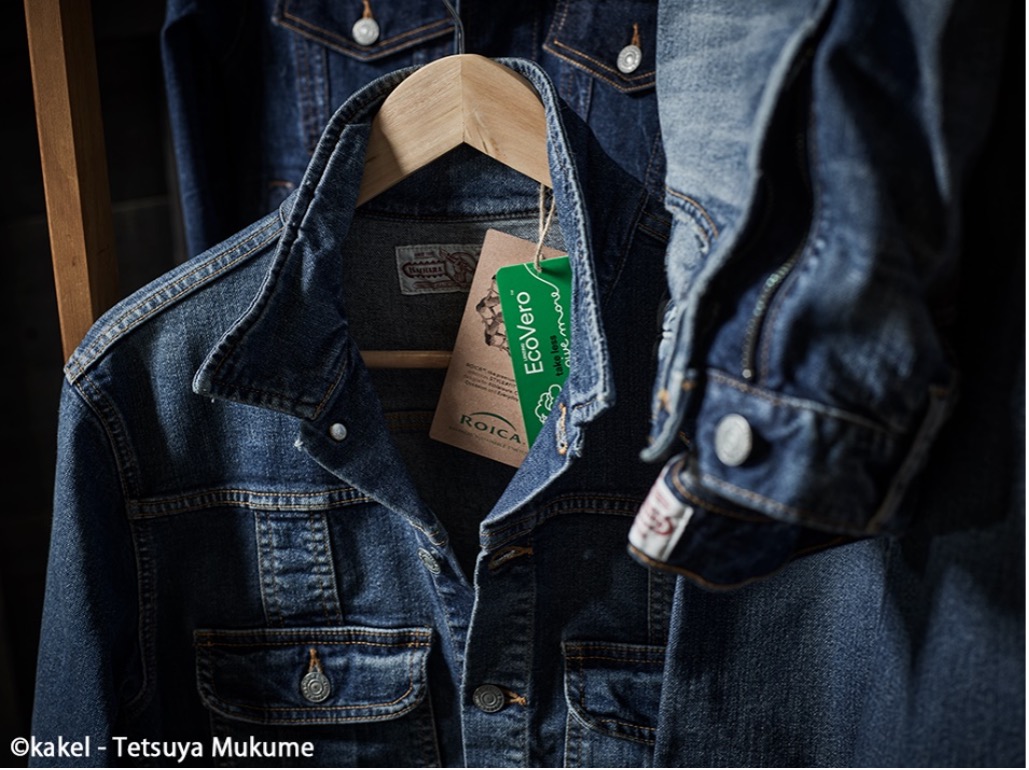
LENZING, Austria — October 16, 2024 — The Lenzing Group, a supplier of regenerated cellulosic fibers for the textile and nonwovens industries, ROICA™ by Asahi Kasei, a producer of premium stretch fiber, and Kaihara Denim, the world-renowned Japan-based denim manufacturer, join forces for the first time to co-create a premium stretch denim collection, “SAISEI Collection.” The strategic partnership is well-placed to offer the international market a higher composition of recycled materials in denim. Blending LENZING™ ECOVERO™ branded viscose fibers with REFIBRA™ technology1 with ROICA™ EF recycled stretch yarn and entrusting them with Kaihara Denim’s renowned denim craftsmanship, the high-quality denim collection is brought to light. It will make its first appearance at Kingpins Amsterdam, October 23–24, 2024.

“Through this partnership with Kaihara Denim and ROICA by Asahi Kasei, we are taking bold steps to drive denim circularity empowered by joint expertise and devotion,” said Dennis Hui, Global Business Development Manager, Denim at Lenzing. “The synergy between ROICA EF yarn, LENZING ECOVERO™ fibers with REFIBRA technology, and Kaihara Denim’s exceptional craftsmanship has given life to premium, resource-efficient denim fabrics that have sustainability, performance, and style at heart. This partnership not only underscores the shared commitment between Lenzing and our partners to create excellent products while doing better for the environment4, but also serves as a catalyst for driving the transformation towards low impact practices4 across the denim value chain and beyond.”

Weaving the future of denim with collective innovation

The new denim collection boasts a special fabric composition, making the most of ROICA EF yarn and LENZING ECOVERO fibers with REFIBRA technology thanks to their resource-efficient attributes. ROICA EF, made of pre-consumer recycled content as well as featuring excellent stretchability, is integral to the flexibility, and comfort of the fabric. On the other hand, LENZING ECOVERO fibers with REFIBRA technology, comprises up to 20 percent of post-consumer textile waste, which is sourced from cellulose-rich materials or polyester-cotton blends, supporting natural softness to the denim fabric.

“Our vision for sustainability at Asahi Kasei is to achieve zero emissions and seek to recycle all of our industrial waste,” said Hiroaki Shinohe, chief marketing officer of ROICA Europe at Asahi Kasei. “Our innovative ROICA EF yarns, which is 30-percent lower in CO2 emissions compared to regular yarns, exemplify this dedication. By partnering with Lenzing and Kaihara Denim on a recycling concept that gives new life to pre-used materials, we are able to leverage our collective expertise in sustainable stretch fabrics. We are thrilled that the incorporation of LENZING ECOVERO™ with REFIBRA technology and Kaihara Denim’s premium denim craftsmanship can provide an exceptional fabric that meets the growing consumer demand for environmentally consicous, comfortable denimwear.”

Redefining denim applications for high-performing, eco-conscious fashion

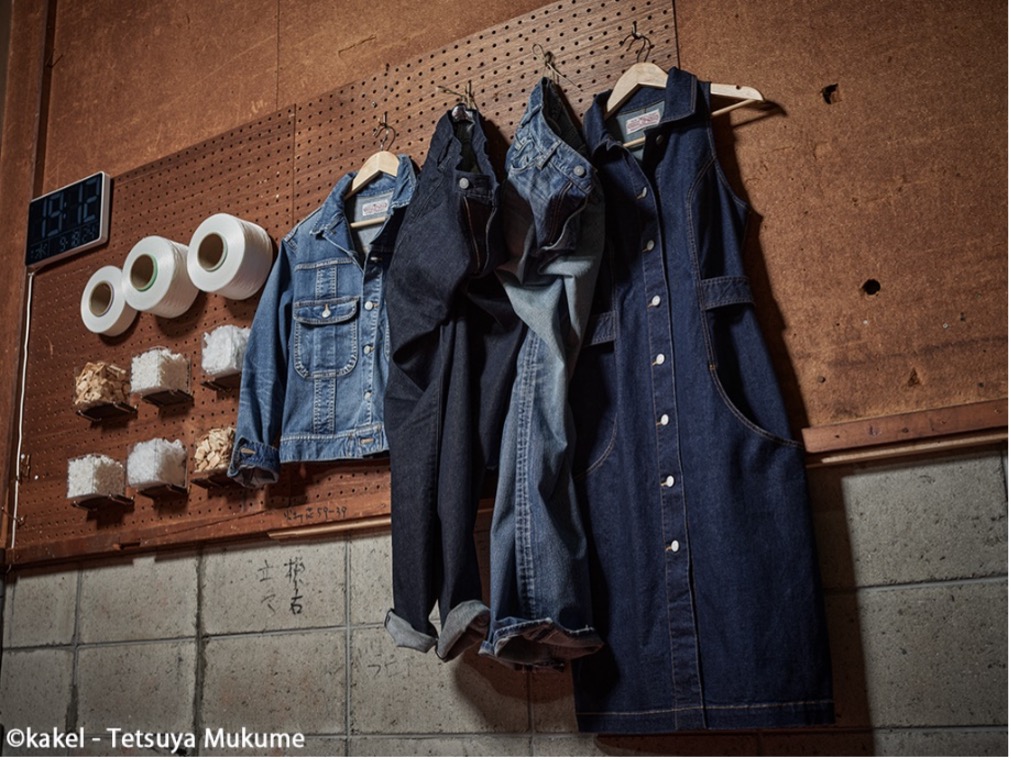
The collection offers three distinct denim fabrications — super stretch (Monster Stretch by Kaihara Denim), comfort stretch, and low stretch (selvedge denim) — each crafted with Kaihara Denim’s artisanal expertise using the meticulous blend of LENZING ECOVERO with REFIBRA technology and ROICA EF. This innovative denim fabric features a subtle bulkiness and reduced drape, delivering a unique hand feel. The versatility of the new denim fabric opens a world of possibilities for fashion designers and brands, empowering them to create stylish, resource-efficient garments that range from everyday chic, casual wear to workwear.

“As Lenzing’s long-standing partner, we are thrilled to be part of this transformative journey with ROICA by Asahi Kasei that embodies our concerted efforts towards driving positive change across the global denim landscape,” said Hirofumi Inagaki, executive officer, general manager of Sales Department at Kaihara Denim. “Our long history and established expertise in premium denim manufacturing allow us to unlock the full potential of LENZING ECOVERO with REFIBRA technology and ROICA EF, resulting in this innovative, resource-efficient denim collection. Together, we are reshaping the future of sustainable denim applications, both casual and formal, paving the way for a more circular fashion value chain.”

The new denim collection will be showcased at the Lenzing booth (no. 12 in blue zone) and ROICA booth (no. 10 in yellow zone) during Kingpins Amsterdam, October 23–24, 2024.

Posted: October 16, 2024

Source: C.L.A.S.S. Eco Hub

DECATHLON Pulse, unspun Forge Strategic Partnership To Drive Innovation In Fashion Manufacturing

LILLE, France — October 10, 2024 — unspun, a fashion-tech company, and DECATHLON Pulse, the investment arm and start-up studio of DECATHLON, a global multi-specialist sports brand, have formed a partnership to deploy unspun’s 3D weaving technology, Vega™, across Europe. The partnership, which centers around the investment and a multi-year offtake agreement through 2030, aims to scale unspun’s 3D weaving technology throughout the region.

The exact terms of the deal are undisclosed. This news follows unspun’s recent closing
announcement of its Series B funding round.

DECATHLON Pulse intends to collaborate with unspun as an industrial partner to expand 3D
weaving throughout Europe serving multiple European brands. unspun aims at deploying
Vega machines to pioneer local, low-waste, and low-inventory production in the region.
unspun’s state-of-the-art 3D weaving technology, Vega, revolutionizes the manufacturing
process by weaving semi-finished products directly from yarn.

This collaboration with DECATHLON Pulse represents a significant milestone in unspun’s
mission to provide 3D-woven apparel products to European customers.

Walden Lam, CEO and co-founder of unspun, expresses enthusiasm for the partnership, stating: “Decathlon has been a great partner from the very beginning. This collaboration enables us to provide apparel products that have been produced in a more sustainable way to mainstream customers in Europe. Collectively, we are contributing to carbon neutrality objectives on millions of garments in a bid to help the fashion industry reduce waste from the supply chain. Our Vega technology is a key step on this journey to bring fast, low-impact, circular, and cost-effective production in low operating volumes to Europe.”

unspun’s vision extends beyond reducing carbon emissions in fashion, as the company pioneers innovative garments and production methods. Vega unlocks scalable potential for on-demand production, allowing brands to establish micro-factories for localized and automated manufacturing. With the EU’s Waste Framework Directive regulations on the horizon, unspun’s approach and technology offer brands better management of finished goods inventory levels, reducing waste from unsold inventory. By addressing overproduction and emissions, unspun’s low-inventory method is crucial in combating the growing global waste problem, projected to increase by 70 percent by 2050.

Franck Vigo, CEO of DECATHLON Pulse, stated: “We are thrilled to team-up with unspun. This partnership will enable Decathlon to reduce waste within the manufacturing process and strengthen our commitment to sustainability. By leveraging the potential of 3D weaving, we are working to revolutionize the garment manufacturing process and offer consumers customized, recyclable, and locally-produced products.”

unspun’s technological capabilities and vision for the future of fashion have landed the company on America’s Top Greentech companies 2024 by Time magazine, Vogue 100 innovator’s list, Newsweek’s Climate Change Innovators, TIME’s Best Inventions, and Fast Company’s World-Changing Ideas.

Posted October 15, 2024

Source: unspun

Marcio Manique Joins Milliken’s Textile Business As Senior Vice President, Protective Fabrics

Marcio Manique

SPARTANBURG, S.C. — October 15, 2024 — Diversified global manufacturer Milliken & Company is pleased to announce the appointment of Marcio Manique as senior vice president of protective fabrics for its textile business. In this critical role, Manique will oversee the fire service, workwear, and napery businesses, in addition to managing Westex: A Milliken Brand.

“Marcio has an impressive background and proven track record of driving growth and innovation across various industries,” said Allen Jacoby, executive vice president and president of Milliken’s textile business. “His expertise brings a level of excellence to the protective fabrics space that will be reflected in every corner of our business.”

Manique has previously held leadership roles at E.I. DuPont de Nemours and DSM. Most recently, he served as a Global Business Director at Avient Protective Materials. He holds a bachelor’s degree in metallurgical engineering from FEI-Brazil, an MBA from São Paulo University, and a postgraduate degree in materials science from the University of São Paulo-Brazil. Additionally, Manique is a certified Six Sigma Master and Black Belt and has completed the Authentic Leader Development program at Harvard Business School.

“I am honored to join Milliken’s longstanding legacy of innovation and especially look forward to collaborating with our talented and passionate team of experts,” Manique said. “Together, we will continue Milliken’s tradition of protecting workers and those who protect us, advancing innovation, performance, and sustainability in the markets we serve.”

October 15, 2024

Source:Milliken & Company

INDA And NWI Announce 2025 Short Course Lineup For Nonwovens Industry Professionals

CARY/RALEIGH, N.C.  — October 15, 2024 — INDA, the Association of the Nonwoven Fabrics Industry, and The Nonwovens Institute (NWI), are excited to release the 2025 schedule of short courses. This portfolio of training content covers the full spectrum of the nonwovens value chain, ranging from raw materials to processes to products.

As two of the leading nonwovens industry organizations in the world, INDA and NWI are uniquely positioned to offer a nonwovens training program that combines classroom learning with hands-on activities in NWI’s state-of-the-art nonwoven production and testing labs on the Centennial Campus of North Carolina State University.

All courses are led by expert trainers with decades of experience in nonwovens applications and technology. Guest lecturers from industry will support the program and provide unique insights. The knowledge shared during the INDA/NWI short courses cannot be found elsewhere.

“Internal expertise, industry guest lecturers, state-of-the art equipment – this course has it all!” commented a recent INDA/NWI short course attendee.

2025 INDA/NWI Training Course Schedule:

  • Elementary Nonwovens – January 28-29, 2025
  • Intermediate Nonwovens – February 4-7, 2025
  • Spunbond Technology – March 4-6, 2025
  • Carded Nonwovens Technology – April 1-3, 2025
  • Filter Media – April 28-29, 2025
  • Fiber and Filament Extrusion Fundamentals – June 10-12, 2025
  • Meltblown Technology – August 12-14, 2025
  • Nonwoven Product Development and Innovation – September 9-12, 2025
  • Intermediate Nonwovens – September 30-October 3, 2025
  • Elementary Nonwovens – October 28-29, 2025

“INDA is excited to have reached a formal agreement with NWI earlier this year, building upon our long-standing partnership to deliver world-class training programs for nonwovens industry professionals,” said Dr. Matt O’Sickey, INDA’s director of education and technical affairs. “By solidifying our collaboration, INDA and NWI are focused on serving the training needs of our industry with the highest-quality content that delivers technical excellence and business intelligence to individuals working in nonwovens.”

“The 2025 schedule of training courses covers the key nonwoven platforms and technology concepts with an excellent mix of technical and business-minded content,” said Tom Daugherty, NWI’s deputy director. “The program is designed to provide value to experienced industry professionals, as well as those who are new to nonwovens. A new course for 2025 is Carded Nonwovens Technology. The addition of this course is based on direct feedback from our attendees, as we are committed to evolving our training program to meet the needs of the industry.”

Short Course Value Packs

As part of the 2025 short course program, INDA and NWI are offering a Short Course Value Pack incentive to provide maximum value to those organizations who are committed to workforce development. Value Packs are available in bundles of 5, 10, 15, and 20 registrations, with discounts ranging from 10 percent to 25 percent, depending on the size of the Value Pack.

Dr. Behnam Pourdeyhimi, NWI’s executive director, said, “Workforce Development is a pillar of NWI’s service offering, and the INDA/NWI portfolio of training courses is unmatched in the value it offers to organizations operating in and/or serving the nonwovens industry. The Short Course Value Pack program represents a strategic opportunity for business leaders to invest in the knowledge and expertise of their workforce to achieve a competitive advantage in nonwovens, while doing so at an extremely favorable price point.”

For more information and to purchase a Short Course Value Pack, visit https://thenonwovensinstitute.com/short-course-value-pack/

Market Specific Courses

In addition to the slate of nonwoven fabric-focused courses, end-product-specific courses include Filter Media (taught in conjunction with NWI), Wipes and Absorbent Hygiene. NWI and INDA also offer workshops in conjunction with conferences and expos, on-demand content, customized training courses and webinars on hot topics.

For more information and to register for an upcoming INDA/NWI training course, visit https://www.inda.org/training/

Posted: October 15, 2024

Source: INDA, The Association Of The Nonwoven Fabrics Industry / NWI, The Nonwovens Institute

Promote Greener Fashion Choices, Explore The Power of Bluesign® With SGS

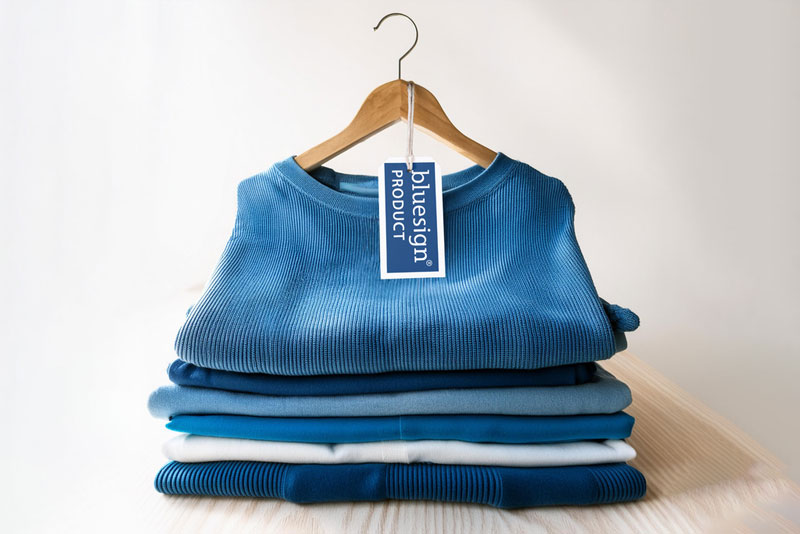
Consumers can easily identify the bluesign® PRODUCT label

TW Special Report

With sustainability now the primary driver in all consumer product markets, SGS — a testing, inspection and certification company — examines the demand for sustainable fashion and the importance of certifications like the bluesign® PRODUCT label for combating greenwashing.

In the global fashion industry, projections indicate that the sustainable segment is expected to grow steadily over the next few years, with a 1.4 percentage point increase between 2023 and 2026.1 This growth is partially driven by younger generations who define themselves as environmentally conscious and are reaching economic maturity.

Barriers to sustainability

Choosing a product that is truly sustainable can be a challenge for consumers. Markets are flooded with products that claim environmental credentials, but how many of these claims can be trusted?

In a 2022 survey of US consumers, 54% stated they found it confusing to identify which fashion items were environmentally friendly, with only 5% strongly disagreeing and saying they felt it was easy.2 Part of the difficulty is that many consumer product markets are now blighted by ‘greenwashing’, defined by the European Union as, “the practice of giving a false impression of the environmental impact or benefits of a product, which can mislead consumers.”3

The proliferation of claims and labels can make it challenging for the eco-conscious consumer to find a product that genuinely meets their requirements. What they need is reliable certification, provided by a trusted and independent verifier, that confirms a product meets clearly defined standards for sustainability.

bluesign® PRODUCT

The bluesign PRODUCT label provides consumers with assurance that the product they buy adheres to the highest safety standards, meets minimum requirements for environmental and human impact, and is made using responsibly sourced materials. This label can be applied to:

  • Clothing, including denimwear;
  • Home textiles, excluding carpets and textile wall coverings;
  • Equipment – tents, luggage, etc.; and
  • Footwear, excluding brown shoes.

Certification is achieved following a rigorous assessment of the product and its supply chain, evaluating factors such as energy, water and chemical consumption, CO2 emissions and waste generation. Supply chain impact data for these parameters is collected from brands, materials manufacturers and chemical suppliers, providing a clear overview of the environmental performance of the inputs, facility and product.

The criteria for bluesign® PRODUCT certification are complex, building confidence in the assessment process and label. Certified apparel must meet the following requirements:

  • Possess a textile character;
  • At least 90 percent of the fabric used in the apparel must be bluesign APPROVED;
  • At least 30 percent of the accessories used in the apparel must be bluesign APPROVED (rising to 40 percent from 2027);
  • All components (fabrics or accessories) not bluesign APPROVED must be supplied by a qualified supplier and must meet the brand’s restricted substances list (RSL); and
  • If an additional claim is applicable for the certified apparel (e.g. organic cotton), third-party certification must be available.

In addition, there are specific requirements for denim manufacturers regarding the use of indigo dyes, laundry practices and sandblasting. To be certified as a bluesign® PRODUCT, denim products must meet the following criteria:

  • Outer fabric must be at least 90 percent denim;
  • 100 percent of the denim fabric must be bluesign APPROVED;
  • 90 percent of textiles must be bluesign APPROVED (rising to 40 percent from 2027);
  • All components (fabrics or accessories) not bluesign APPROVED must be supplied by a qualified supplier and must meet the brand’s restricted substances list (RSL);
  • Prohibited practices include chlorine bleaching, pumice stonewashing, sandblasting, and the use of potassium permanganate (PP) and powder-based enzymes;
  • If an additional claim is applicable for the certified apparel (e.g. organic cotton), third-party certification must be available

In the case of footwear, alongside the requirements for additional claims and non bluesign APPROVED components, certification demands that 90 percent (by area) of skin contact materials (textile upper, lining and insole), midsole and outsole, and at least 30 percent of total accessories, must be bluesign APPROVED.

Consumer Benefits

Purchasing a bluesign PRODUCT provides consumers with assurance that the product meets exacting standards for environmental impact reduction and better working conditions in the supply chain. It guarantees transparency and trustworthiness in an era when greenwashing is a significant issue.

Consumers can easily identify the bluesign PRODUCT label, which can be found as a hangtag, sewn-in label or printed on the garment and/or packaging. They can also shop for bluesign PRODUCTs via the bluesign SHOP.

SGS & bluesign

SGS joined forces with bluesign in 2008 to develop its services and strengthen the independent bluesign SYSTEM solution. From fiber to finished product, bluesign partners with brands, manufacturers and chemical suppliers to promote safer workplaces and textile products that are less impactful on the environment and people.


References:

1 Global: sustainable apparel revenue share 2013-2026 | Statista

2 Confusion over sustainability of clothes U.S. 2022 | Statista

3 Stopping greenwashing: how the EU regulates green claims | Topics | European Parliament (europa.eu)


October 15, 2024

Topo Athletic Adopts eVent Fabrics Plant-Positive BIO Footwear Laminate, Updates Two Classic Styles

KANSAS CITY, Mo.   — October 15, 2024 — eVent®️ Fabrics, a global supplier of waterproof and breathable fabric technologies, is officially supplying its planet-positive eVent BIO™ Footwear waterproof/breathable laminate to Topo Athletic, leaders in sustainably-minded footwear for walking, running, and hiking.

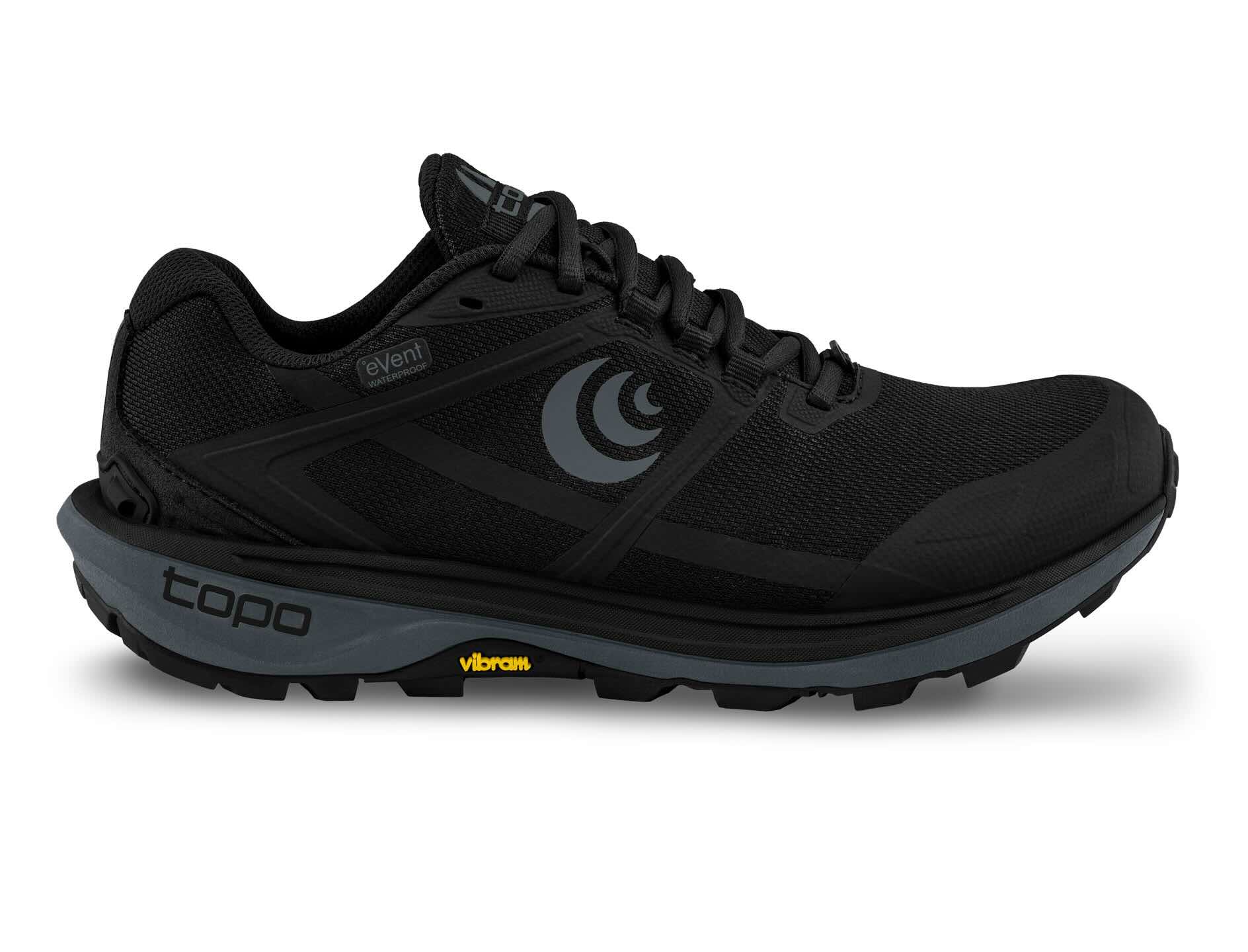
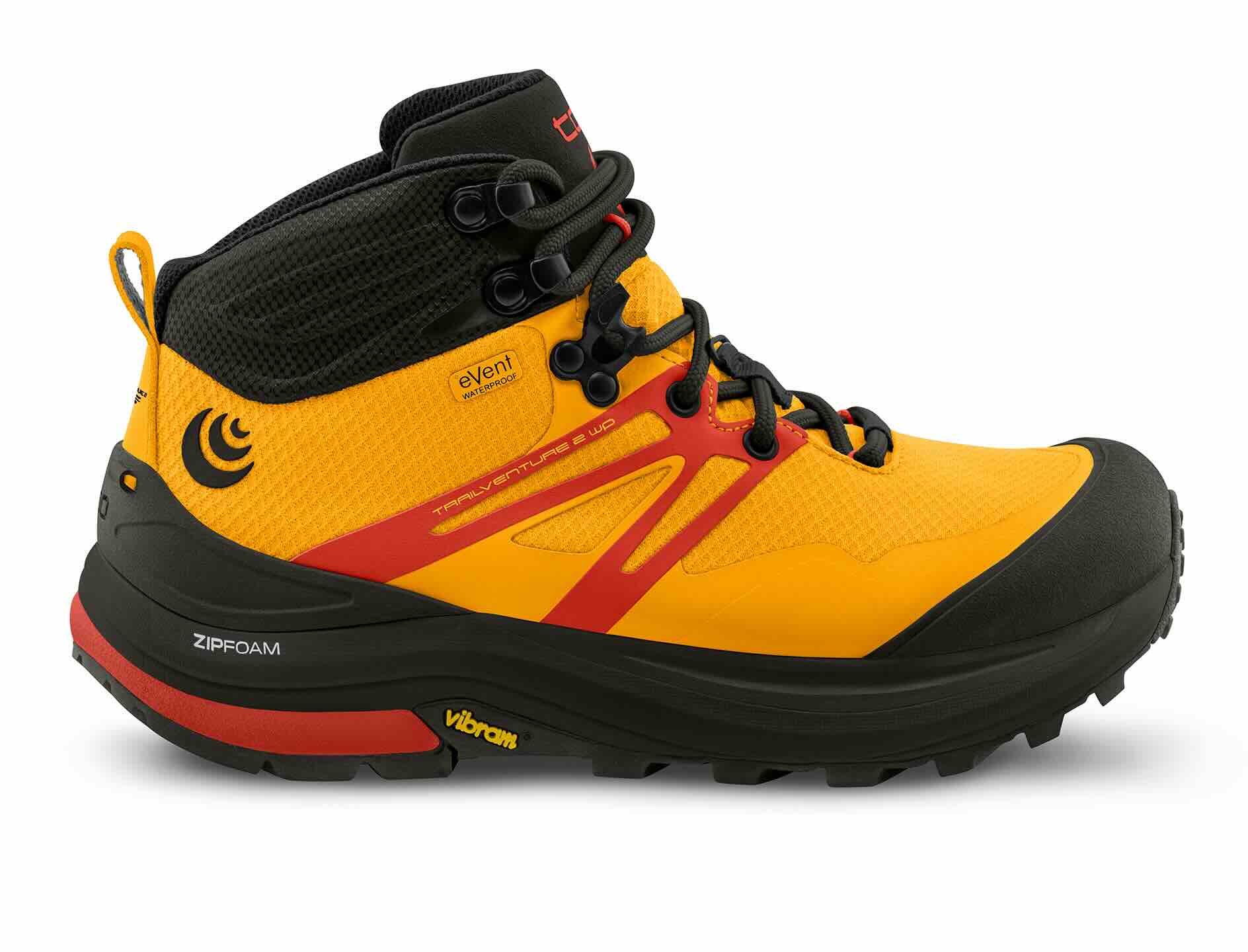
The eVent BIO Footwear technology is currently being used in the Topo Terraventure 4 WP trail shoe and the Trailventure 2 WP hiking boot. Both shoes offer comfort, performance, and now, an eco-friendly waterproof/breathable membrane.

“We are delighted to be partnering with Topo Athletic, a brand that embraces outdoor activity and sustainably-minded products,” said Chad Kelly, president of eVent Fabrics. “Our BIO Footwear offering helps brands like Topo maintain high levels of performance while also lowering their environmental impact. We’re pleased to see this relationship grow.”

Designed to withstand any weather conditions, BIO Footwear is a waterproof and planet-positive laminate that combines cutting-edge technology with highly renewable plant-based materials. BIO Footwear offers good abrasion resistance, ensuring your shoes stand the test of time. From rugged outdoor adventures to everyday wear, BIO Footwear is ready to take on any challenge while keeping your feet dry, comfortable, and blister free.

The waterproof version of the lightweight, rugged, and versatile trail runner and hiker, the Terraventure 4 WP is built to take on wet conditions. The upper features an eVent® BIO footwear bootie construction to lock water out, while the tightly woven mesh provides a secure and durable fit. The 25 x22 mm platform combines moderate cushioning with a forefoot rock plate for a comfortable and protective ride. The Vibram® Megagrip outsole offers superior traction and slip resistance on all terrain, especially in wet conditions.

The Trailventure 2 WP’s mesh upper features a full eVent® BIO footwear waterproof bootie construction, while the ZipFoam™ midsole and external TPU heel counter offer comfort and security. Gaiter attachments work with Topo’s Performance Gaiter to keep dirt and debris out. The Vibram Megagrip outsole provides grip on all surfaces, while the full-length ESS rock plate offers protection and stability.

Posted: October 15, 2024

Source: eVent® Fabrics

ACIMIT: The Italian Textile Machinery Industry In China To Exhibit At ITMA ASIA + CITME 2024

MILAN  — October 15, 2024 — About 50 Italian companies will exhibit at ITMA ASIA + CITME 2024, taking place from October 14 to 18 in Shanghai. With an area of around 1,400 square meters, Italy ranks among the top exhibiting Countries, as in previous editions. 29 Italian exhibitors will show their innovations within the National Sector Groups, organized by ACIMIT (Association of Italian Textile Machinery Manufacturers) and Italian Trade Agency.

ITMA ASIA + CITME show has always been the main showcase for textile machinery manufacturers in Asia, that absorbs more than 50 percent of global exports. Moreover China is the world’s largest market in the sector (the value of imported textile machinery in 2023 was around 2.6 billion euros).

For Italian manufacturers as well, the Chinese market is the top foreign destination. In 2023, Italian sales to China amounted to 222 million euros. In the first six months of this year, exports to China increased by 38 percent, while the performance of total Italian exports declined slightly in the same period.

“We hope that the recovery of the Chinese market, observed in this first half of the year, may be an early indication of a more general upturn in global demand for machinery,” said ACIMIT President Marco Salvadè.

Over the past few years, demand from Chinese companies has turned to technologies that combine savings in production costs and environmental friendliness, as also demanded by brands and end consumers.

“Today, Italian manufacturers can offer highly customized solutions that are particularly suited to making textile production more sustainable,” Salvadè confirmed. “The Chinese textile machinery market is rapidly evolving, and the level of innovation in the technology requested has risen due to the growing international competition that even Chinese companies face. In Shanghai, Italian manufacturers will display their latest innovations, essential for making textile production more efficient and sustainable.”

ACIMIT (Association of Italian Textile Machinery Manufacturers) represents an industrial sector that comprises roughly 300 manufacturers (employing around 13,000 people), which produce machinery for a turnover worth of around 2.3 billion euro, of which 86% are exported. Creativity, sustainable technology, reliability and quality are the hallmarks that have made Italian textile machinery worldwide leaders.

Posted: October 15, 2024

Source: ACIMIT — Association of Italian Textile Machinery Manufacturers

DyStar Clinched Champion Award At The Adidas adiFormulator Award 2024

SINGAPORE  — October 15, 2024 — DyStar, a specialty chemical company with a heritage of more than a century in product development and innovation, is proud to announce that it has clinched the Champion Award for its outstanding contribution and performance at the Adidas adiFormulator Award, an annual program launched in 2023.

Fanny Vermandel, vice president of Global Marketing Coloration at DyStar Group, said: “DyStar is very pleased to receive the newly minted accolades from Adidas, as it further demonstrates our unwavering commitment to supporting the success of our customers, including brands and retailers, in their sustainability journey towards achieving their 2030 goal of 100 percent ZDHC MRSL Conformance.”

As a responsible leader in dyestuff and chemical manufacturer, DyStar offers over 2,100 products listed on the ZDHC Gateway that meet the ZDHC MRSL V3.1 specifications. Brands and Retailers and other stakeholders can leverage DyStar’s expertise to support their journey towards ZDHC MRSL conformance. To date, 99.7 percent of DyStar’s products listed on ZDHC have achieved the highest accreditation level of 3.

Customers can also be assured through DyStar’s econfidence® program which specifically supports product safety and ecology issues associated with the manufacture and marketing of its products. Launched in 2003, the program initially served as a foundation for eco-compliance.

To learn more about DyStar’s Sustainable Solutions, visit us at:

www.dystar.com/decarbonization-of-the-textile-supply-chain/

Posted: October 15, 2024

Source: DyStar


Suedwolle Group Launches Innovation Hub Story In Cooperation With Designer Rico Lee

NUREMBERG, Germany  — October 14, 2024 — Suedwolle Group is announcing its latest project, Fashion meets function, created in collaboration with renowned designer Rico Lee. This collection showcases the versatility of Merino wool, blending style and functionality to meet the needs of active, urban lifestyles.

The collection merges Suedwolle Group’s premium Merino wool yarns with cutting-edge functional fashion. While Merino wool is admired for its luxurious feel, it is increasingly being recognized for its high-performance properties, such as moisture-wicking, thermal regulation, and odor resistance. This makes it an ideal fabric for activewear, offering both elegance and performance.

The collaboration with Rico Lee brings together technical innovations and stylish design. His vision of versatile, adaptable clothing aligns with the demands of city commuters, whose garments must transition effortlessly from casual settings to more active environments.

Developing this collection required balancing fashion-forward aesthetics with the technical demands of functional textiles. A key challenge was creating custom wool fabrics that could offer both comfort and performance, ensuring that the garments would withstand daily wear while maintaining durability.

The decision to use Suedwolle Group’s yarns, like Stelvio Betaspun® Nm 100/1, Banda Tec Nm 37/1, or Winton Nm 60/1, was essential. Known for their soft texture, particularly ideal for sensitive skin, the yarns strike the perfect balance between performance and comfort. Their breathability and odour resistance make it an ideal choice for functional fashion, catering to the demands of urban life on the move.

The result is a collection that breaks traditional boundaries. Each garment is versatile, offering thermal-regulating properties and seamless transitions between different settings. These pieces are meticulously crafted to enhance convenience while maintaining the high-performance standards expected of high-quality wool textiles. Additionally, wool’s anti-wrinkle and elastic properties ensure a polished look that adapts to the wearer’s body, making it a strong contender in modern sportswear.

Reflecting on the project, Rico Lee said, “The most exciting part of this project was witnessing how wool can redefine activewear, combining sophistication with high performance.” This collection demonstrates that wool is not only a fabric for warmth and comfort but is also essential in creating sustainable, eco-friendly activewear, setting a new standard in functional fashion.

Suedwolle Group views this collection as a significant step forward in showcasing wool’s potential in performance fashion. Looking ahead, the company plans to explore more rugged, outdoor-focused designs, utilising wool’s thermal-regulating and durable qualities to their fullest extent, reinforcing its place as a top contender in both fashion and performance wear.

For more information on the Fashion meets function collection, please visit Suedwebs – Fashion Meets Function.

Posted: October 15, 2024

Source: Suedwolle Group

Sponsors