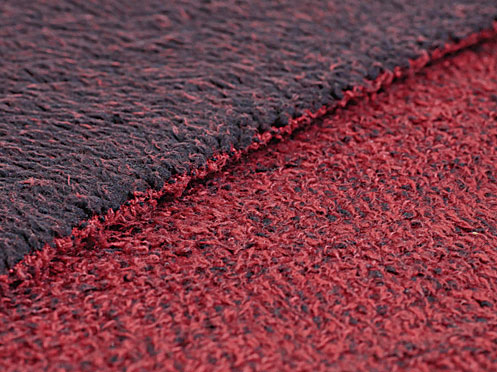
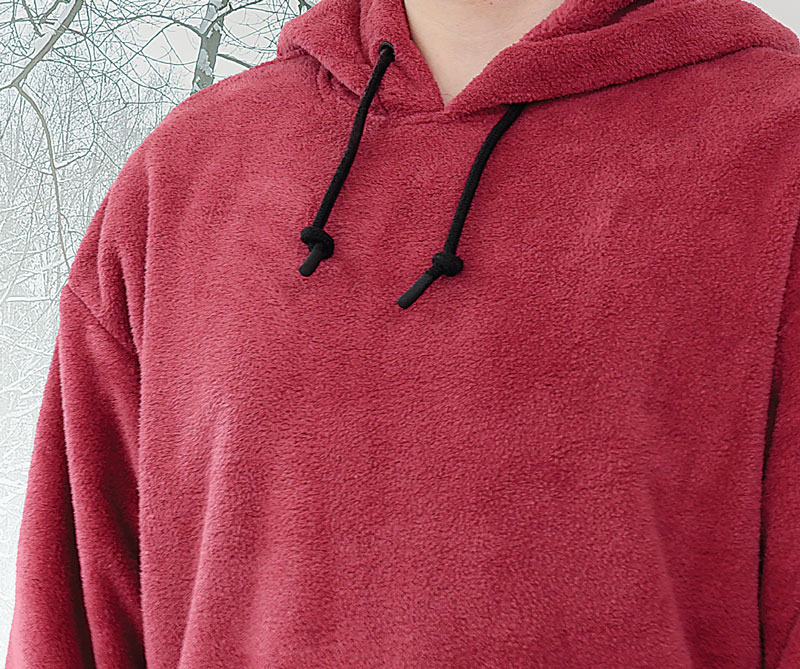
Pailung reports its High Pile fabric featured in its latest cozy collection is suitable for extra durable winter wear.
Recyclable and low cost, Pailung’s latest fabric technology uses knitting instead bonding techniques to produce adhesive-free high pile fabric for clothing, upholstery and industrial end-uses.
TW Special Report
Taiwan-based Pailung’s latest high pile fabric collection, the “Cozy Collection,” includes high-density pile, two-sided high-pile and three-layer high pile. These fabrics are ideal for outdoor garments, winter wear, and coats and gloves.
The knitted high pile fabrics feature a high-density structure and double-sided application, with different colors and fiber lengths. They’re environmentally friendly, lightweight, warm, windproof, and offer the wearer a full range of movement.
Ethical, vegan winter wear has relied heavily on adhesives. Ironically, garments that are labeled as ethical or vegan may not actually be recyclable, and they could finish up in a landfill, incinerator, or ocean.
Thanks to new advances in knitting machinery, Pailung has developed a plush alternative to adhesive technologies that is both ethical and sustainable. Pile fabrics can be manufactured economically, without sacrificing the premium quality that world-class fashion and apparel brands expect.
Durable And Recyclable
High pile fabrics usually are bonded using an adhesive to seal the layers together. But this method creates a recycling problem. In order to recycle a high pile fabric, the layers first need to be separated from one another, and adhesives make separation difficult.
Pailung presents a solution whereby the layers are knitted together, eliminating adhesives from the production process. Specific combinations of yarn can be selected for recyclability, and recycled yarns can also be utilized. Provided that each layer is itself recyclable, the entire high pile fabric made using Pailung’s technology can be recycled.
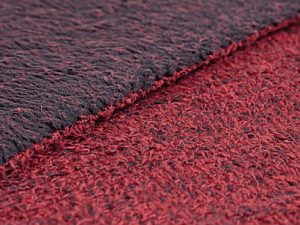
Another added benefit is durability. Because Pailung’s high pile fabric is knit, not bonded, the resulting fabric is incredibly durable. With repeated washing cycles, adhesives may deteriorate, but knitted fabrics retain their strength. The surface maintains a high level of anti-pilling, while the bottom layer resists snagging and shedding.
Low Production Cost
The process of knitting Pailung’s three-layer high pile fabric is much less labor-intensive than traditional processes, which require at least one lamination step followed by two further knitting steps. Instead, Pailung’s high pile fabric requires just the knit-ting steps. Not only does it save manpower, it also saves time and reduces power consumption.
At the same time, the process does not limit flexibility in terms of design or manufacturing. The length of fibers on both sides of the fabric can be directly controlled on the knitting machine, creating many possibilities for designers. Furthermore, when printing patterns on one side, the patterns will not bleed through to the other side. In turn, controlling fiber length also minimizes the subsequent shearing process for manufacturers.
Comparison With Sliver Knit Fabric
Pailung’s high pile can achieve a similar density to sliver knit fabrics. Similarly, with Pailung’s high pile fabric technology, sliver knit fabrics are produced using circular knitting machines. The main difference between the fabrics comes from the production process.
In sliver knitting, the face fibers that imitate fur are attached to the fabric by means of a knitting sliver and base yarn. Sliver knit fabrics have longer and denser piles on the fabric surface than most pile jerseys, but the sliver knit fibers are difficult to collect, and the final fabric is usually heavier than Pailung’s high pile.
Editor’s Note: Pailung will debut its Cozy Collection of high pile fabrics at ITMA 2023 in Milan.
Nouvelles Fibres Textiles’ circular and sustainable ecosystem with ANDRITZ technological solutions
The textile industry’s interest in all things sustainability has grown through the years from simple conservation initiatives into a comprehensive sustainable approach to product and manufacturing.
TW Special Report
Over the past handful of years, the textile industry has developed a growing interest in sustainability in virtually all facets of textile manufacturing and product lifecycles. Recent headlines have featured many textile sustainability developments from a broad range of companies.
A snapshot of recent developments includes Israel-based Sonovia’s partnership with Italy-based denim developer PureDenim to install indigo yarn dyeing technology into France-based Kering’s denim production lines; a partner-ship between Tokyo-based Asahi Kasei and Microwave Chemical, Japan, to commercialize a chemical recycling process for nylon 6,6; a line of sustainable carpet backing products from Germany-based Freudenberg Performance Materials; and a new foreign material removal technology to eliminate polyurethane elastomer fiber from discarded polyester apparel developed by Tokyo-based Teijin Frontier Co. Ltd.
In addition, Austria-based ANDRITZ has entered a partnership with Pellenc ST and Nouvelles Fibres Textiles to set up an industrial-scale automatic textile sorting line in France combining automated sorting and recycling technology; while Austria-based Lenzing Group has launched its Fiber Recycling Initiative by TENCEL™ with valued mill partners. Lastly, Spain-based Jeanologia has reduced water consumption from fabric to finished garment with its eco-efficient technologies.
These and many more companies are addressing key challenges faced by the global textile industry, including water consumption, chemical waste, energy expenditure and the environmental impact of textile production. The following narrative explores each of these company’s contributions to textile sustainability.
Indigo Yarn Dyeing
Sonovia, in collaboration with PureDenim, has partnered with luxury group Kering to implement Sonovia’s groundbreaking indigo yarn dyeing technology into its denim production lines. Kering aims to reduce its absolute greenhouse gas emissions by 40 percent. According to the company, traditional indigo yarn dyeing processes are known for heavy water usage, consuming an average of 60,000 liters per process, and reliance on chemicals like hydrosulfite. Sonovia’s D(y)ENIM indigo yarn dyeing ultrasound technology revolutionizes the process by significantly reducing water usage by up to 85 percent and eliminating hydrosulfite completely.
This partnership with Kering represents a transformative shift in the fashion world by addressing water consumption, chemical waste, and energy expenditure in denim manufacturing.
“Sonovia’s technology is the ultimate step towards near-zero-impact indigo dyeing,” said Gigi Caccia, CEO and owner of PureDenim. “Having forward-looking partners like Sonovia and Kering gives us courage to take on challenges that until yesterday seemed unattainable.”
Asahi Kasei is working with Microwave Chemical to commercialize a process for recycling nylon 6,6 using microwave technology.
Microwaves For Depolymerization
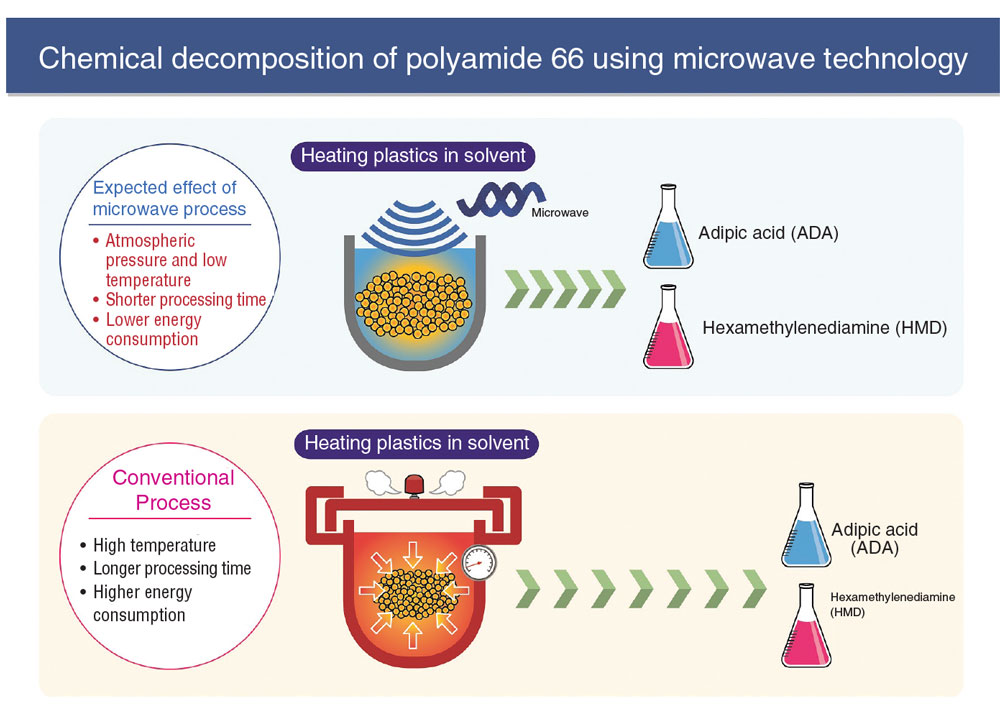
Asahi Kasei and Microwave Chemical have launched a joint demonstration project with the aim of commercializing a chemical recycling process for nylon 6,6, also known as polyamide 66 (PA66), using microwave technology.
PA66 is widely used in automotive and electronic products, and its demand is expected to increase globally. The conventional manufacturing process for PA66 relies on fossil fuel-derived intermediates, contributing to greenhouse gas emissions.
Asahi Kasei and Microwave Chemical’s collaboration focuses on developing a manufacturing process for PA66 that reduces greenhouse gas emissions compared to traditional methods.
Microwave Chemical’s PlaWave™ technology platform for decomposing plastic using microwaves can depolymerize PA66 and obtain monomers like hexamethylenediamine and adipic acid for the production of new PA66. The project aims to achieve resource circulation and reduce greenhouse gas emissions by leveraging microwave technology and exploring the use of renewable energy.
Colback ECO is a sustainable carpet backing product offered by Freudenberg Performance Materials.
Flooring: Reduced Environmental Impact
Freudenberg Performance Materials has introduced its next-generation sustainable carpet backing products— Colback ECO and Lutradur ECO— for the flooring industry. The flooring industry is faced with the challenge of reducing the environmental impact of its products, and Freudenberg is actively supporting its customers in this endeavor.
“Like many other industries, the flooring industry faces challenges to reduce the environmental impact of their products,” said Michaela Reuter, senior vice president and general manager, Regional Business Unit Carpet, Filtration & Shoes EMEA at Freudenberg. “Carpet manufacturers approach this challenge in multiple ways: reducing carbon foot-print, increasing recycled content, and improving recyclability are key trends. As a long-term partner, we work closely with our customers to support their journey.”
Freudenberg’s R&D teams have developed a proprietary yarn produc-tion technology that enables them to create extremely thin filaments, reducing the raw material required for carpet backings. This not only lowers the carbon footprint but also improves the recyclability of the car-pet at the end of its life cycle.
The ECO product range initially targets carpet tiles and is produced in Europe. Freudenberg plans to expand the ECO portfolio with high-recycled-content backings and other sustainable approaches, supporting the flooring industry’s transition to a circular economy.
Teijin Frontier has developed a new foreign material removal technology to eliminate polyurethane (PU) elastomer fiber from discarded polyester apparel.
Guided By THINK ECO®
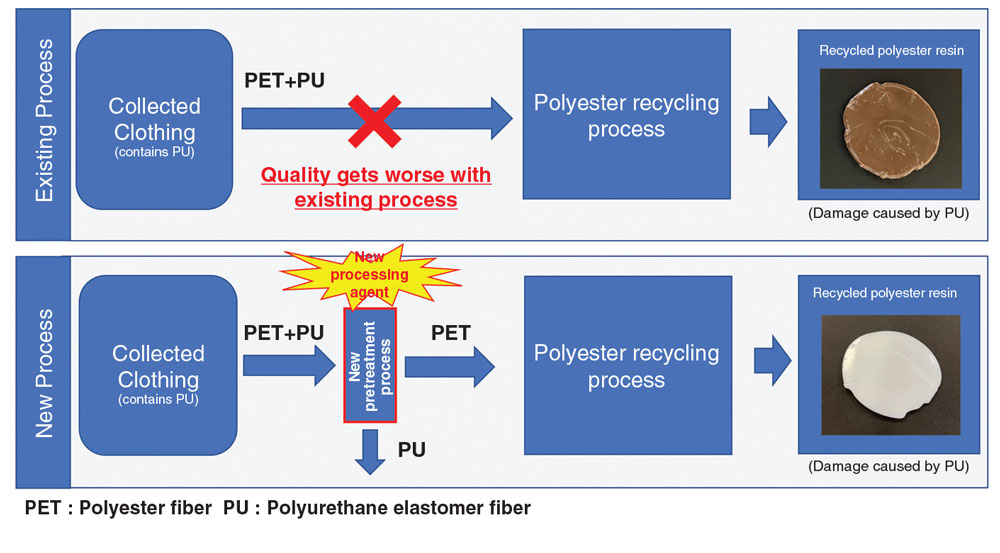
Teijin Frontier has developed a new foreign material removal technology to eliminate polyurethane (PU) elastomer fiber from discarded polyester apparel. This technology enhances the quality of recycled polyester fiber derived from clothing containing PU elastomer fiber. Teijin Frontier’s processing agent dissolves the PU elastomer fiber and removes foreign materials such as dyes, eliminating the need for a separate decolorization process.
The company’s efforts align with its THINK ECO environmental strategy, aiming to achieve ambitious sustainability goals. Teijin Frontier aims to establish a comprehensive ecosystem for polyester fiber, encompassing apparel collection, sorting, and recycling.
By expanding the scope of fiber-to-fiber recycling, Teijin Frontier contributes to a zero-waste society and promotes the value of environmentally responsible with its eco-efficient technologies.
Automated Sorting And Recycling
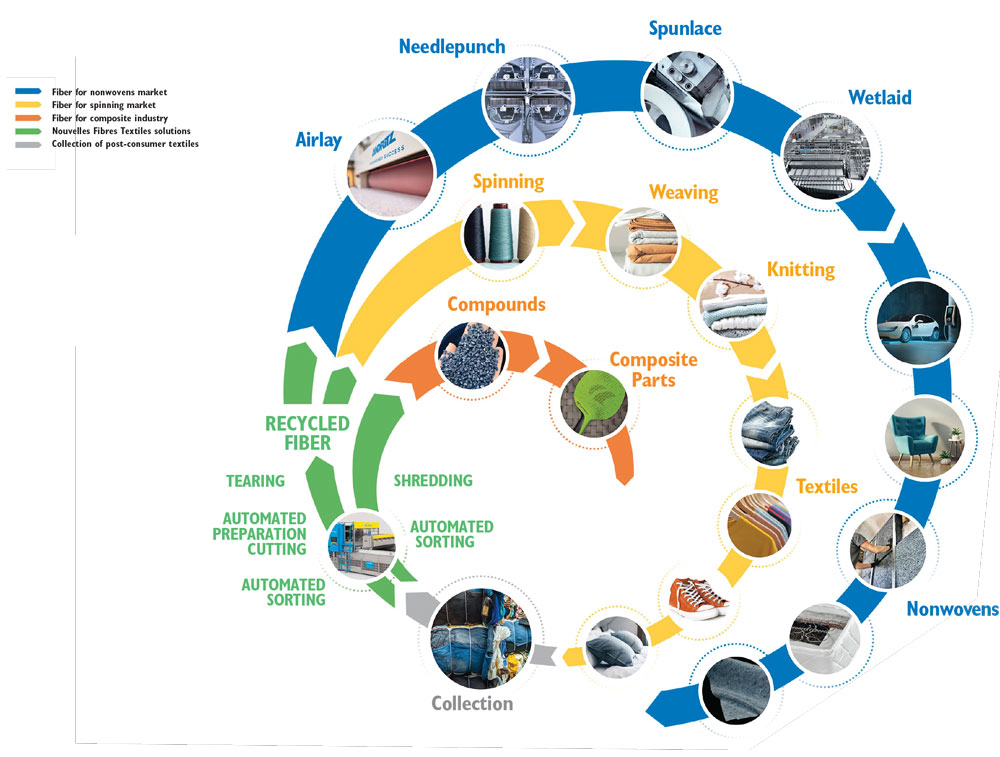
ANDRITZ, in collaboration with Pellenc ST and Nouvelles Fibres Textiles, is establishing an industrial-scale automatic textile sorting line in France. This groundbreaking project combines automated sorting and recycling technologies to process post-consumer textile waste. The line will produce recycled fibers tailored for the spinning, nonwoven, and composite industries.
Starting operations in mid-2023, it will serve as a production line for Nouvelles Fibres Textiles, an R&D line for the partners, and a test and demonstration center for customers.
Eric Boël, president, Nouvelles Fibres Textiles, commented: “We are very proud to announce the launch of the Nouvelles Fibres Textiles partnership. Several years of R&D involving key players from both textile and household waste management industries made this possible. We all shared our knowledge and expertise to promote on-the-ground circularity for textiles by full integration of the value chain.”
This partnership aims to achieve industrial-grade material production and large-scale post-consumer textile sorting while promoting traceability, mitigating environmental impacts, reducing the carbon footprint, and creating job opportunities.
Mechanically recycled TENCEL™ lyocell fiber produced by Spain-based Santaderina is suitable for use in denim fiber production.
Lenzing Group has launched the Fiber Recycling Initiative by TENCEL™. Collaborating with mill partners such as Artistic Milliners, Canatiba, and Textil Santanderina, Lenzing Group is driving circularity in the textile industry. The initiative focuses on the production of denim fabrics derived from mechanically recycled Tencel lyocell fibers.
By utilizing preconsumer lyocell waste, Lenzing Group and its partners are redefining sustainability in the denim industry. The fabrics produced retain the core features of Tencel lyocell fibers, including breathability, smooth drape, and long-lasting comfort. With a growing demand for sustainable and circular products, this initiative addresses the call for more environmentally friendly options while ensuring traceability and transparency throughout the supply chain.
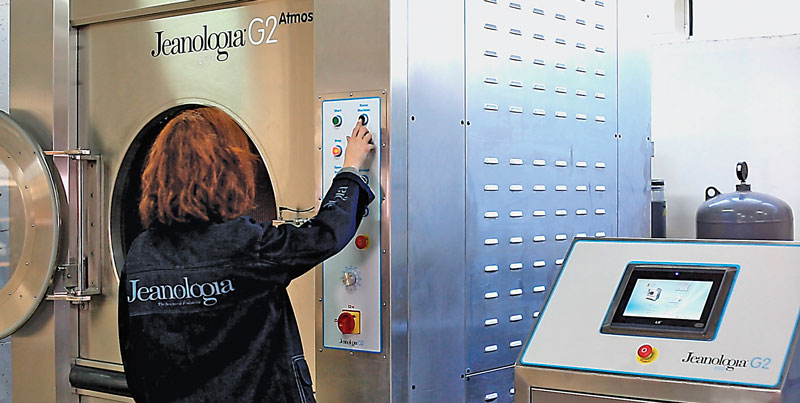
Jeanologia’s G2 Atmos is an ozone technology for garment finishing that greatly reduces chemical and water use in sustainable denim production processes.
Water-Saving Innovations
Jeanologia is focused on revolutionizing denim production by creating water-saving innovations. Water consumption in the textile industry is a pressing concern, and according to the company, Jeanologia is committed to transforming production centers into eco-efficient plants that promote sustainability and circular economy.
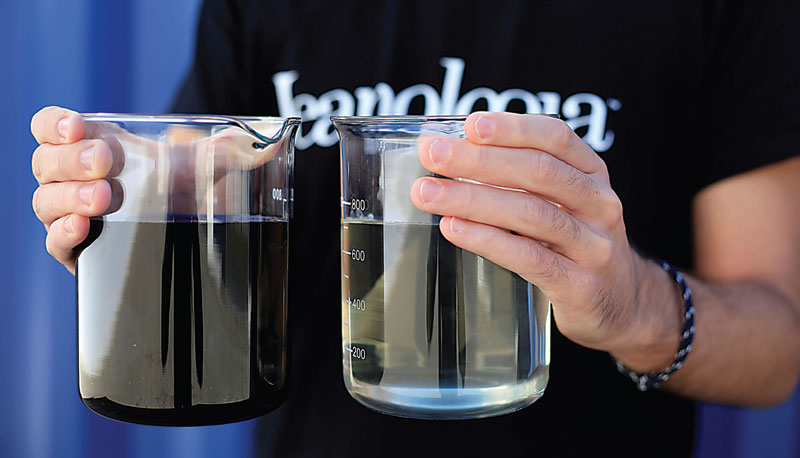
Jeanologia reports that the company has successfully reduced water consumption from 100 to 1 liter from fabric to the finished garment using its cutting-edge technologies.
By integrating technologies such as G2 Dynamic, Anubis, G2 Ozone and eFlow, Jeanologia significantly reduces water, chemical, and energy consumption, as well as carbon footprint when compared to conventional indigo dyeing methods.
Its goal is to achieve total dehydration and detoxification in denim production, contributing to a more sustainable textile industry. In addition, Jeanologia emphasizes the importance of measuring environmental impact through the EIM software and continuously striving for lower water consumption and more sustainable processes.
The Sustainability Journey Continues
These types of advancements in textile sustainability are instrumental in driving positive change in the industry. By embracing innovation, collaboration, and environmentally responsible practices, these companies and many others not mentioned here are setting new standards for a more sustainable and circular textile industry.
Efforts in advancing sustainability not only mitigate environmental impacts but also meet the growing demand from consumers for products that align with their values. Through traceability, transparency, and the reduction of water and resource consumption, today’s textile companies are leading the way toward a more sustainable future for the textile industry.
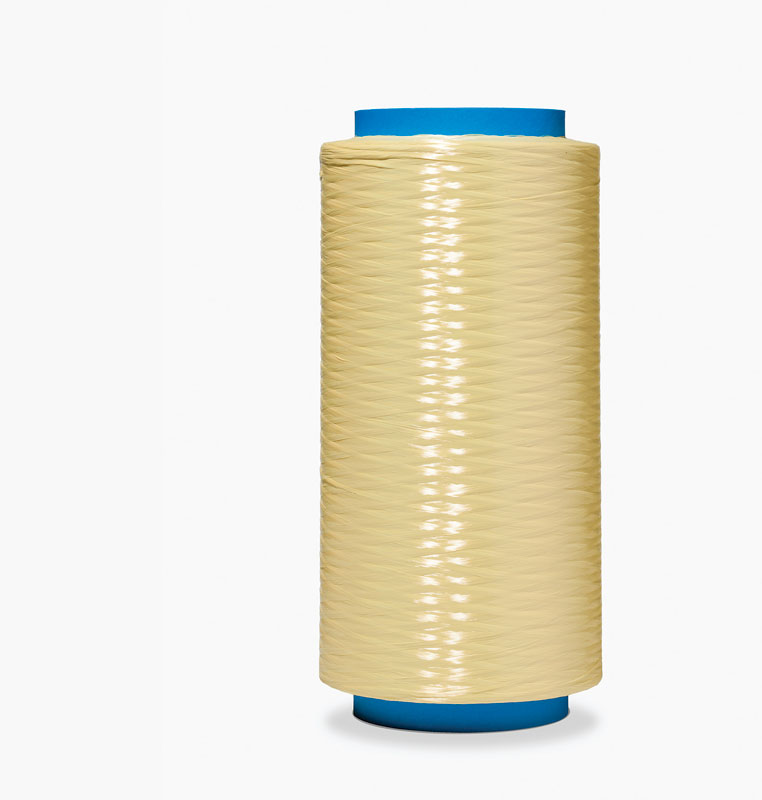
Teijin Aramid reports it has improved the carbon footprint of its Twaron® by 28 percent since 2014.
As consumers and brands demand sustainable products, the fiber industry plays a vital role in shaping a more environmentally friendly textile industry.
TW Special Report
In an era of increasing concern about climate change and its impact on the planet, industries, governments and academia are coming together to find sustainable textile solutions that minimize environmental impacts.
The textile industry is making significant strides in developing sustain-able fibers and reducing its carbon footprint. In exploring the latest fiber developments with a focus on sustainability, the following highlights the efforts of the Teijin Group, BioFilaments Inc., Renewcell, PrimaLoft Inc., Thai Acrylic Fibre Co., the DITaF – Denkendorf Institute for Textile Chemistry and Chemical Fibres, the Lenzing Group and RadiciGroup as just a few examples of the industry’s active approach to sustain-able fiber solutions.
The Teijin Group
The Teijin Group has made sustainability a core principle of its business activities. The company reports in recognizing the importance of reducing greenhouse gas emissions, it has set targets to achieve a 30-percent reduction in carbon dioxide (CO2) emissions. The company also aims to reduce the portion of emissions from its supply chain by 15 percent.
These targets have been officially validated as science-based targets (SBTs). By aligning its goals with the Paris Agreement’s objectives, Teijin is targeting a carbon-neutral future.
Teijin also announced it developed a method to calculate CO2 emissions during the Tenax™ carbon fiber production process. This data allowed Teijin to conduct a life cycle assessment (LCA) of all of its carbon fibers.
The Netherlands-based Teijin Aramid, a core business of the Teijin Group, has improved the carbon foot-print of Twaron® by 28 percent com-pared to 2014 according to applicable ISO standards 14040 and 14044.
Teijin Frontier, the company’s fibers and product converting company, also has made significant contributions to sustainability. The company offers products such as ECOPET®, a recycled polyester fiber made from used PET bottles and fiber scraps; and SOLOTEX®, which incorporates plant-derived ingredients in its polymers. Teijin Frontier has also developed a system to calculate CO2 emissions in the polyester fiber manufacturing process, allowing for a comprehensive LCA.
Nanofibrillated Cellulose
Another notable development in the fiber industry is the new nanofibrillated cellulose (NFC) commercial production plant opened by Vancouver, British Columbia-based Performance BioFilaments Inc.
The plant, located at Resolute’s Forest Products in Quebec, has a daily production capacity of 21 metric tons. NFC is a natural and renewable biomaterial derived from certified forests. According to the company, it offers a low-carbon additive that enhances the performance of advanced materials and specialty chemicals used in applications such as concrete, nonwovens and biocomposite plastics. The availability of commercial volumes of NFC opens up opportunities for various industries to adopt sustainable solutions.
“The Performance BioFilaments team and development partners have dedicated years of effort to bring this low-carbon biomaterial to market,” said Gurminder Minhas, managing director of Performance BioFilaments. “We have collaborated extensively across a range of industrial supply chains, integrating nanofibrillated cellulose to achieve cost, quality and dramatic performance improvements. The availability of commercial volumes means we can readily sup-port large-scale opportunities across a number of major industry sectors.”
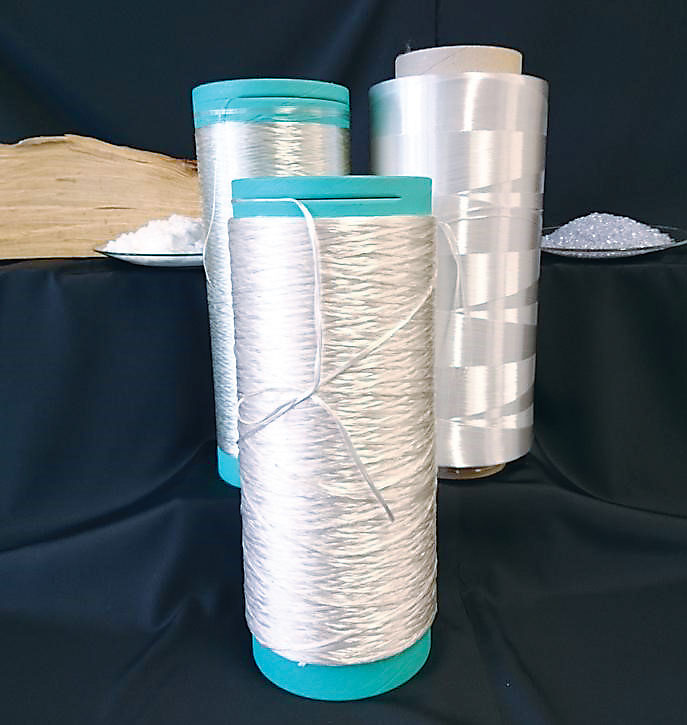
Renewcell’s patented recycling process transforms cellulosic textile waste into CIRCULOSE® material Photo Sadia Rafique
Renewcell’s CIRCULOSE®
Stockholm-based Renewcell, a company dedicated to creating circularity in the fashion industry, has partnered with TextileGenesis™ to establish full pulp-to-retail traceability for its recycled raw material CIRCULOSE®. Renewcell uses a patented process to break down and recycle cotton and other cellulosic textile waste into Circulose, a biodegradable raw material. According to the company, this material can then be used to create regenerated, man-made cellulosic fibers such as viscose, lyocell, modal or acetate.
Through its collaboration with TextileGenesis, Renewcell can provide real-time digital traceability across its supply chain, ensuring transparency and authenticity for its products. This traceability is crucial for building trust and promoting sustainability in the fashion industry.
“Our new facility in Sundsvall, Sweden, is helping move us towards our goal of recycling the equivalent of more than 1.4 billion T-shirts per year,” said Renewcell CEO Patrik Lundstrom. “But we also need a trusted and transparent supply chain to ensure the authenticity of products made from CIRCULOSE from our facilities all the way to the retail consumer. That is what TextileGenesis brings to the table.”
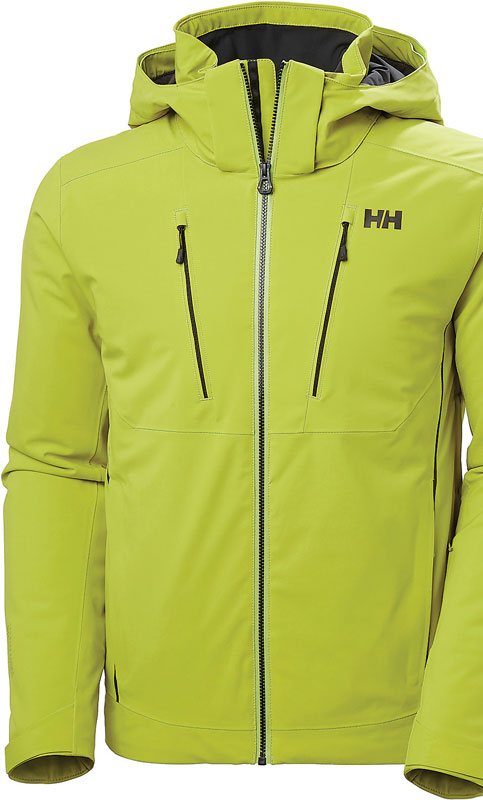
Outdoor brand Helly Hansen is an early adopter of PrimaLoft’s Insulation with Ocean Bound Plastic.
PrimaLoft Inc. Ocean Bound
Latham, N.Y.-based PrimaLoft Inc. also is contributing to sustainable products with its PrimaLoft® Insulation with Ocean Bound Plastic. This insulation is made from 100-percent post-consumer recycled content, with 60 percent of the recycled mate-rial sourced from plastic bottles collected near coastlines. By preventing plastic waste from reaching the ocean and using it to create high-performance insulation, PrimaLoft is addressing the issue of plastic pollution while delivering sustainable products. The process is certified by OceanCycle, ensuring the material’s ethical sourcing and traceability.
“The quality of plastic quickly degrades once it’s exposed to the elements in ocean water, making it unusable for most recycling efforts,” said Tara Maurer-Mackay, senior vice president, Product Strategy. “By capturing plastic waste before it can reach the ocean, we’re able to use the material to create products that offer our brand partners and consumers the best mix of performance and versatility with a reduced environmental impact.”
According to the company, PrimaLoft Insulation with Ocean Bound Plastic offers the same performance benefits for which PrimaLoft is known, including lightweight thermal performance, packability, and durability. By combining performance with sustainability, PrimaLoft is showing its commitment to its “Relentlessly Responsible™” mission.
Thai Acrylic Fibre Co. Ltd. recently introduced a version of Regel™ acrylic fiber that incorporates 75-percent recycled content
Upgraded Regel™ Fiber
Bangkok-based Thai Acrylic Fibre Co. Ltd. (TAF), a part of Aditya Birla Group, recently introduced an upgraded version of Regel™ fiber, incorporating 75-percent recycled content.
This new variant of Regel fiber, which already contained 50-percent recycled content, now holds the distinction of being the only GRS certified acrylic fiber in the world, according to the company. Regel is manufactured using a chemical recycling process that produces a warm, comfortable fiber in vibrant shades.
“Using recycled materials is a key aspect of sustainability, and products are made from recycled materials are becoming popular among consumers,” said Tuhin Kulshreshtha, head of marketing, TAF. “… increasing the recycled content of Regel from 50 percent to 75 percent will help meet consumers’ demands and provide them with sustainable options. Additionally, [the] higher recycled content in Regel will also allow manufacturers to create sustainable blends without compromising on quality or performance.”
Regel with 75-percent recycled content currently is available in staple form and the company reports it plans to introduce other options such as tow and tops in the future.
Biofeel® Eleven is a yarn from RadiciGroup made using castor oil from the castor bean plant.
Yarn From Castor Oil
RadiciGroup, based in Italy, has introduced Biofeel® Eleven, a naturally sourced yarn made using castor oil, as part of its commitment to technical and environmental performance. Castor oil plantations, primarily located in the Gujarat region of India, provide a source for the beans, which contain approximately 45 percent oil. This oil, rich in ricinolein, serves as the raw material for the bio-polymer polyamide 11 used for RadiciGroup’s Biofeel Eleven yarn. The remaining byproduct after oil extraction is a highly effective bio-fertilizer that promotes soil health, exemplifying circularity and zero waste.
“Biofeel Eleven has unique and special properties, such as low water absorption, increased lightness and improved strength properties,” noted Marco De Silvestri, sales and marketing head of RadiciGroup’s Advanced Textile Solutions Business Area. “This means being able to produce fabrics that are both durable and comfortable to the touch and skin. This translates into a wide range of applications, from sportswear to workwear, from fashion garments to textiles for luxury cars.”
The Denkendorf Institute for Textile Chemistry, in conjunction with partners, is researching CELLUN, a sustainable alternative to glass or carbon fibers used in molded parts.
CELLUN For Composites
The Germany-based Denkendorf Institute for Textile Chemistry and Chemical Fibres (DITF) in collaboration with project partners CG TEC, Cordenka, ElringKlinger, Fiber Engineering, and Technikum Laubholz, is developing a new fiber composite material called CELLUN. This material incorporates reinforcing fibers made of cellulose, offering a sustainable alter-native to glass or carbon fibers used in industrial molded parts production.
The reinforcing component of CELLUN is a combination of non-fusible fibers and thermoplastic derivatized cellulose fibers — either regenerated fibers from Cordenka or DITF’s HighPerCell® cellulose fibers— as a matrix, which is used to produce a hybrid roving. In DITF’s in-house pilot plants, this roving is further processed into a hybrid roving or hybrid textile, which can be converted into a molded part using pultrusion and thermoforming processes or injection molding.
The German Federal Ministry of Economics and Climate Protection (BMWK) has partnered with DITF and is funding a project to develop CELLUN to industry maturity. The project will also look at the possibility to fully recycle CELLUN materials at the end of a product’s life. Two approaches are being researched: thermally reshaping CELLUN molded parts without any quality loss and chemically separating the CELLUN material into its individual components for 100 percent reuse as new starting materials.
The development of CELLUN materials offers a sustainable, resource-conserving, and cost-effective alternative to established composites in the lightweight construction and automotive sectors.
Carbon-Neutral VEOCEL™ Viscose
Austria-based Lenzing Group has announced the expansion of its sustainable viscose fiber portfolio with the launch of carbon-neutral VEOCEL™ branded viscose fibers for Europe and the United States.
In Asia, Lenzing plans to convert its existing production capacity for conventional viscose into capacity for responsible specialty fibers in the second half of the year. This expan-sion reflects VEOCEL’s commitment to providing nonwovens value chain partners and brands with environmentally friendly options that contribute to reducing carbon footprints.
“Everything we do is centered around VEOCEL’s mission to be a responsible everyday care brand and demonstrate our care for the future of our planet,” said Monique Buch, vice president, Global Nonwovens Business, Lenzing. “We believe it is imperative for us to not only reduce our own carbon emissions, but also to empower our partners to reduce their carbon footprint.”
The carbon-neutral VEOCEL viscose fibers are made from sustainably and responsibly managed wood and pulp sources, adhering to the stringent guidelines of the Lenzing Wood and Pulp Policy and trusted forest certification systems.
Right: Biolace® Zero nonwovens made by Suominen feature carbon-neutral VEOCEL lyocell fibers from Lenzing Group.
Lenzing’s production plant in Austria employs efficient production methods, such as direct production from wood to fiber and the use of renewable energy sources like solar power and biomass, to reduce carbon emissions. To offer carbon-neutral products, Lenzing measured, reduced, and offset any remaining emissions through financing climate projects.
Lenzing partnered with Climate-Partner, a provider of corporate climate action solutions, to develop carbon-neutral VEOCEL viscose fibers. The company has also collaborated with Helsinki-based Suominen to produce the first carbon-neutral nonwoven, BIOLACE® Zero, utilizing VEOCEL lyocell fibers. Nonwoven roll-goods made with VEOCEL viscose fibers are available for Suominen’s clients, demonstrating the importance of collaboration in promoting sustainable product development within the nonwoven market.
Fiber Sustainability Focus
The fiber industry is investing in developments with a strong focus on sustainability. Companies like the those mentioned above, as well as many more, are laser-focused on these efforts, driving innovation and creating solutions that minimize environmental impact. Through initiatives such as reducing CO2 emissions, implementing life cycle assessments, promoting circularity, and using recycled materials, fiber companies are leaning towards a more sustainable future. As consumers and brands demand sustainable products and the demand for sustainable products continue to grow, the fiber industry plays a vital role in shaping a more environmentally friendly textile industry.
Researchers made shape-changing fibers by encapsulating a balloon-like tube in a braided textile sheath. Photo: Muh Amdadul Hoque
NC State University researchers designed and tested artificial muscle fibers as scaffolds for live cells.
By Laura Oleniacz
In two new studies, researchers at Raleigh, N.C.-based NC State University designed and tested a series of textile fibers that can change shape and generate force like a muscle. In the first study, the researchers focused on the materials’ influence on the artificial muscles’ strength and contraction length. The findings could help researchers tailor the fibers for different applications.
In the second, proof-of-concept study, the researchers tested their fibers as scaffolds for live cells. Their findings suggest the fibers —known as “fiber robots” — could potentially be used to develop 3D models of living, moving systems in the human body.
“We found that our fiber robot is a very suitable scaffold for the cells, and we can alter the frequency and contraction ratio to create a more suitable environment for cells,” said Muh Amdadul Hoque, graduate student in textile engineering, chemistry and science at NC State. “These were proof-of concept studies; ultimately, our goal is to see if we can study these fibers as a scaffold for stem cells, or use them to develop artificial organs in future studies.”
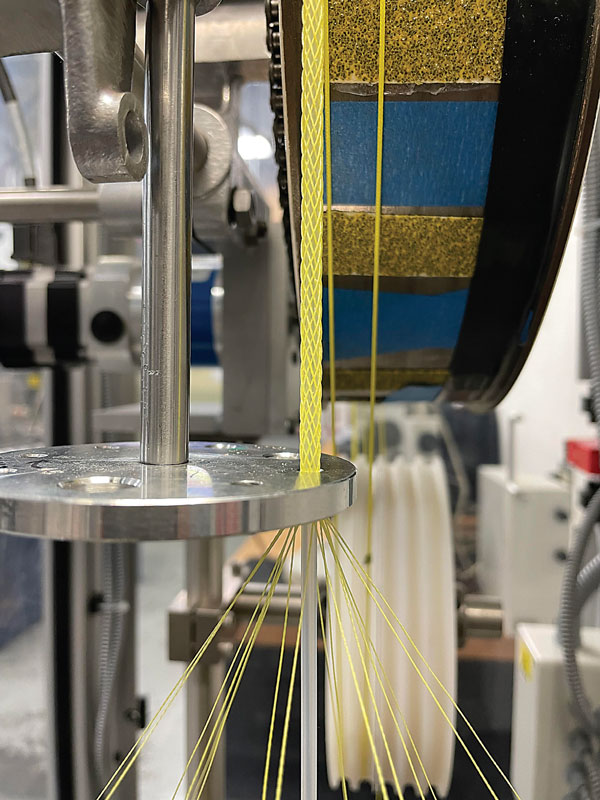
Researchers made the shape-changing fibers by encapsulating a balloon-like tube, made of a material similar to rubber, in a braided textile sheath. Inflating the interior balloon with an air pump makes the braided sheath expand, causing it to shorten.
The researchers measured the force and contraction rates of fibers made from different materials in order to understand the relationship between material and performance. They found that stronger, larger diameter yarns generated a stronger contraction force. In addition, they found that the material used to make the balloon impacted the magnitude of the con-traction and generated force.
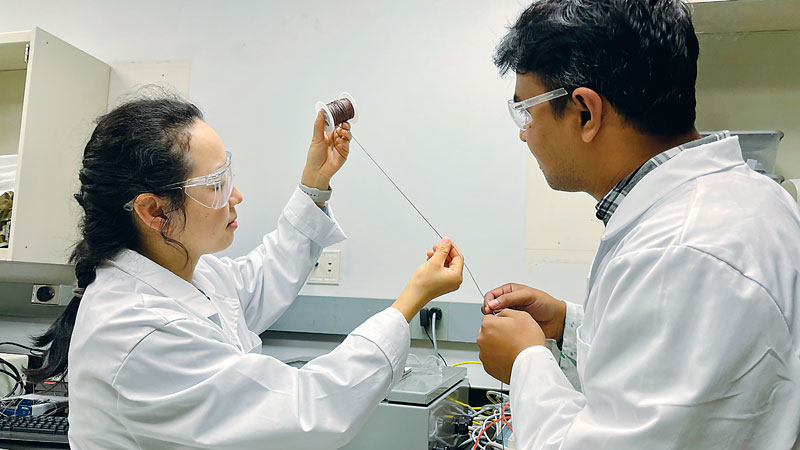
NC State Wilson College of Textiles researchers Xiaomeng Fang and Muh Amdadul Hoque studying artificial muscle fibers. Photo: Akanksha Pragya, NC State
“We found that we could tailor the material properties to the required performance of the device,” said Xiaomeng Fang, assistant professor of textile engineering, chemistry and science at NC State. “We also found that we can make this device small enough so we can potentially use it in fabric formation and other textile applications, including in wearables and assistive devices.”
In a follow-up study, researchers evaluated whether they could use the shape-changing fibers as a scaffold for fibroblasts, a cell type found in connective tissues that help support other tissues or organs.
“The idea with stretching is to mimic the dynamic nature of how your body moves,” said Jessica Gluck, assistant professor of textile engineering, chemistry and science at NC State, and a study co-author.
They studied the cells’ response to the motion of the shape-changing fibers, and to different materials used in the fibers’ construction. They found the cells were able to cover and even penetrate the fiber robot’s braiding sheath. However, they saw decreases in the cells’ metabolic activity when the fiber robot’s contraction extended beyond a certain level, compared to a device made of the same material that they kept stationary.
The researchers are interested in building on the findings to see if they could use the fibers as a 3D biological model, and to investigate whether movement would impact cell differentiation. They said their model would be an advance over other existing experimental models that have been developed to show cellular response to stretching and other motion, since they can only move in two dimensions.
“Typically, if you want to add stretch or strain on cells, you would put them onto a plastic dish, and stretch them in one or two directions,” Gluck said. “In this study, we were able to show that in this 3D dynamic culture, the cells can survive for up to 72 hours.
“This is particularly useful for stem cells,” Gluck added. “What we could do in the future is look at what could happen at the cellular level with mechanical stress on the cells. You could look at muscle cells and see how they’re developing, or see how the mechanical action would help differentiate the cells.”
The study, “Effect of Material Properties on Fiber-Shaped Pneumatic Actuators Performance” was published in Actuators on March 18. Emily Petersen was a co-author. The study was funded by start-up funding to Fang from the Department of Textile Engineering, Chemistry and Science at NC State.
The study, “Development of a Pneumatic-Driven Fiber-Shaped Robot Scaffold for Use as a Complex 3D Dynamic Culture System” was published online in Biomimetics on April 21. In addition to Gluck, Hoque and Fang, co-authors included Nasif Mahmood, Kiran M. Ali, Eelya Sefat, Yihan Huang, Emily Petersen and Shane Harrington. The study was funded by the NC State Wilson College of Textiles and the Department of Textile Engineering, Chemistry and Science and the Wilson College of Textiles Research Opportunity Seed Fund Program.
Editor’s Note: Laura Oleniacz is Public Communications Specialist at NC State News Services.
MADRID — May 30, 2023 — Global lifestyle brand Perry Ellis is partnering with leading materials science experts Recover™, to bring ‘eco denim’ collections to the consumer with the use of Recover’s low-impact recycled cotton fiber.
Perry Ellis was founded on innovation, breaking down the walls of fashion and making clothes designed with real life in mind. Following this ethos, the collaboration with Recover™ allows Perry Ellis to make circular fashion more accessible to the consumer and asserts them as an innovative brand that places sustainability at the forefront.
Sold exclusively on PerryEllis.com, the first Perry Ellis x Recover™ capsule collection launched with ten styles of low-impact men’s denim pants this Spring 2023. Each piece in the collection contains 20% Recover™ recycled cotton fiber from textile waste, reducing the environmental impact of the garment, and was produced by Recover’s vertically integrated strategic partner ADM.
Oscar Feldenkreis, CEO & President, Perry Ellis International commented: “This partnership underscores our dedication to collaborating on sustainability solutions. By incorporating Recover™ fiber into our product design, we can offer our consumers high-quality garments that help reduce our fashion carbon footprint.”
Alfredo Ferre, CEO, Recover™ stated: “We are delighted to collaborate with the iconic brand Perry Ellis and support them on their sustainable journey. As the ingredient brand of reference in recycled cotton, we show once again with this collection that style and sustainability are definitely a perfect match.”
SALT LAKE CITY & ALAMEDA, Calif. — May 30, 2023 — WNDR® Alpine – the outdoor brand launched by the biotechnology company Checkerspot – is releasing the Phase Series, a high performance, low impact activewear line powered by ingredients derived from microalgae.
The Phase Series builds upon WNDR Alpine’s successes creating award-winning backcountry skis and snowboards equipped with microalgae-derived high performance materials.
The team has taken the microalgae oil used in WNDR Alpine skis’ and boards’ AlgalTech® construction and worked with the Swiss green chemistry innovator Beyond Surface Technologies to create miDori® bioWick WA, a 100% petroleum-free textile finish, formulated with microalgae oil and designed to move moisture away from an athlete’s skin to accelerate evaporation for better comfort. miDori® bioWick WA offers a 80% lower carbon footprint than a traditional wicking finish, while retaining competitive performance.
Ski industry veteran and WNDR Alpine’s GM and Founder, Matt Sterbenz emphasized the importance of extending the brand’s range of microalgae-empowered outdoor products. “I think of the Phase Series as an important part of our progression to bring biobased innovation to life through products that benefit the mountain athlete. The collection’s name is a tribute to the many different environments, situations, and phases of the day in which we envisioned the use of this apparel in our core community.”
In addition to the use of miDori® bioWick WA, each of the five pieces in the Phase Series is constructed from a variety of recycled and biobased materials designed for performance and comfort, including recycled nylon, recycled elastane, and Tencel derived from eucalyptus.
“Expanding the reach and impact of microalgae-derived materials is critical to us, so we designed the Phase Series for exertion, recovery, and everything in between,” said Romy Koles, WNDR Alpine’s Soft Goods Manager and outdoor industry textile development veteran. “The Phase Series is packed with hidden features that embody both performance and minimalism, to create a package that’s equally comfortable for biking, hiking, urban wear, and anything our community might be up to in between alpine activities. To further support our mission of environmentally responsible performance, we’re utilizing a US-based production house and fulfilling directly to our community via carbon neutral shipping from our Design Lab in Salt Lake City.”
By launching the Phase Series, WNDR Alpine intends to increase awareness of high-performance biobased textile solutions like miDori® bioWick WA, which is available today to apparel designers worldwide via Beyond Surface Technologies.
“It is the full package that sets it apart and makes it an industry first,” said Matthias Foessel, CEO of Beyond Surface Technologies. “This is a plug-and-play solution that enables mass volume adoption to empower the entire apparel industry players to lower their carbon footprint and meet environmental impact targets.”
WASHINGTON, D.C. — May 30, 2023 — The Plastics Industry Association (PLASTICS) has released an analysis on plastics materials for recycling, authored by PLASTICS Chief Economist Dr. Perc Pineda. The economic analysis provides consideration of the millions of workers employed in the global supply chain of the plastics industry, as representatives meet in France to address the global challenge of plastic waste.
Dr. Pineda writes, “There is widespread support from various sectors of the global economy to address environmental threats in a materials-neutral manner. It is also advocated that any negotiated measures concerning plastics should not be utilized to hinder market access for plastic materials and products. The goal should be to ensure that efforts to keep plastic waste out of the environment and in the economy do not unfairly impede the trade of plastic materials and products, allowing equal opportunities for all participants in the global market.”
Posted: May 30, 2023
Source: The Plastics Industry Association (PLASTICS)
RESEARCH TRIANGLE PARK, NC — May 30, 2023 — Every year, the AATCC student chapters name a graduating senior to be recognized for their academic achievement and contribution to the chapter, school, and society. This year, AATCC presented each chapter award recipient with a certificate, copy of the book Color Vision and Technology, and an official AATCC graduation cord. Awardees are also presented with one free year of AATCC membership as they begin their career journey.
This year, the following schools have decided to present a senior with this award:
Fashion Institute of Technology – Rebecca Dillenberger
NED University of Engineering and Technology – Afifa Farooq
Oregon State University – Becca Ziegler
University of Delaware – Brianna O’Doherty
Virginia Tech – Kristine Vivanco
Fashion Institute of Technology
Rebecca Dillenberger is a student majoring in Textile Development & Marketing department at the Fashion Institute of Technology.
She received the Global Scholar Award to study abroad in Peru in the Winter 2023 International Trade Practicum program where she will focus her field work on the sustainability and economics of the Peruvian alpaca farming industry. She also received the President’s Sustainability Grant to expand FIT’s Natural Dye Garden in May of 2022. This grant was used to support better yield and growing practices to serve the hyper-local urban environment. Rebecca was awarded the Department of Student Life Executive Board Member of the Year Award for outstanding leadership in the AATCC FIT Chapter in May of 2022 and the James I. Spiegel Dean’s Award for outstanding merit in the TDM AAS program in May of 2021.
Rebecca has been working on revitalizing the natural dye garden on FIT campus’ rooftop. She has grown and harvested 11 species to 28 different species, including native NYC and pollinator types. She has worked to make this resource accessible to over 100 students across all majors and disciplines. She has hosted dyeing workshops and tours to demonstrate the importance of connecting process with product.
She is the President of the AATCC FIT Chapter, Student Government Senator for Textile Development and Marketing and Sustainability Committee member, and Diversity, Equity, and Inclusion Council member.
NED University of Engineering and Technology
Afifa Farooq will receive a degree of BS in Textile Sciences in Aug 2023. She stands among the top three students of her class out of 70 students. In the COVID-19 break, she took online certification classes in 3D printing software at the University of Illinois and sustainable fashion at the Copenhagen Business School in addition to her academic studies. She created a sustainable bag during her internship, using denim swatches that are typically thrown away. Afifa has always taken part in extracurricular activities without letting them interfere with her academic performance. During her academic career, she also worked for the community by planting trees and collecting garbage from the vicinity of the university.
Due to Afifa’s intense passion for creative work, she started her career with the AATCC NED student chapter in her first year as a member of the creativity team. Her dedication, good writing, and communication abilities helped her get the job of Head of Content in 2022. She provided content writing services as the Head of Content for Facebook posts on the AATCC NED chapter Facebook page. She used relevant keywords to boost the articles’ visibility on the page and prepared reports for organized events. Afifa was elected as Vice President of the Chapter in 2023. During her tenure as Vice President, she contributed to the design of the AATCC NED Chapter booth at the 5th International Textile Conference. She was also phenomenal in arranging the fundraising event for the Flood Victims of Pakistan, in which PKR 30,000 were collected by selling hand-made knitted/printed articles made by the students of Textile Engineering Department, NEDUET.
Oregon State University
Becca Ziegler will receive a BS in Apparel Design with a minor in Organizational Leadership from Oregon State University. She received the AATCC Western Regional Scholarship for two years along with four other scholarships. Becca also studied Fashion Design in Florence, Italy, with the Academia Italiana study abroad program. She had a summer internship as a Design Intern at the Children’s Place and recently completed an internship as a Digital Materials Specialist with Browzwear. She is now a marketing intern for a local digital marketing and web design agency.
Becca is currently the AATCC Student Chapter President at Oregon State. She brings a high level of organizational skills to this position. The combination of these skills along with her ease in making students feel welcome show in officers’ meetings, fashion show planning, committee assignments, and the full calendar of activities that keep the club thriving. She represents the AATCC chapter as a student club officer at College of Business events such as career fairs, leadership conferences, and student recruitment.
Becca also volunteers with Young Life as a student leader and is planning a service trip to the Dominican Republic during spring break.
University of Delaware
Brianna O’Doherty is a student majoring in fashion merchandising and management at the University of Delaware, with a deep interest in textiles. She has consistently investigated sustainable fabrics and processes through her projects in the two foundation textile classes, achieving high grades, placing her at the top of her class. Through her Certificate of Design & Creative Making program, and its ‘From Ideas to Action’ course, Brianna gained a detailed understanding of how to build a business from the ground up, and how to take something from an idea to industry practice. She plans to use what she learned in social entrepreneurship to influence the business decisions she will make in the future, whether it will be for her own company or a company she will work for, becoming the transformational type of leader that the fashion and textile industry needs.
As the Vice President of Fashion x Textiles at the AATCC student chapter at University of Delaware, Brianna has been involved in planning and organizing several member events, such as a macrame water bottle holder workshop, a clothing swap, etc. Her optimistic energy and cheerfulness have positively impacted the growing body of new student memberships.
Virginia Tech
Kristine Vivanco has shown significant dedication and achievement in both the academic and creative facets of the Fashion Merchandising and Design Major at Virginia Tech. Apart from being the Vice President of the AATCC chapter at Virginia Tech, she has also been a Teaching Assistant in textile courses and has conducted undergraduate research on consumer behavior. Kristine has experience in designing merchandise for the university as well as social media promotion for the 2023 Virginia Tech Fashion Show. She has maintained a high GPA through her hard work and eternal love for fashion.
As Vice President of the AATCC chapter, Kristine is an avid activity coordinator and organizer who values community and meaningful leadership. She has planned and supplied materials for her chapter to execute group activities related to textiles. She has also established interpersonal connections within her chapter to maintain enthusiasm and excitement toward learning and experimenting with textiles.
AATCC connects the global textile community to empower an innovative, informed, and sustainable future. Headquartered in Research Triangle Park, NC, USA, AATCC has provided standards development, testing materials, educational resources, and professional networking to the global textile industry for more than a century.
DETMOLD, Germany — May 30, 2023 — Jowat SE is recognized as Gold Standard winner of the Best Managed Companies Award for first time. For the fourth year running, the adhesive manufacturer from Detmold has been honored with the award for exceptional businesses.
Jowat SE has again been honored with the Best Managed Companies Award sponsored by Deloitte Private, the newspaper Frankfurter Allgemeine Zeitung and the Federation of German Industries (BDI). For the successful family-owned enterprise, the Gold Standard validates the corporate strategy with a consistent focus on innovation, sustainability and values. “We are delighted to have been honored with the Best Managed Company title in 2023 again,” said Ralf Nitschke, member of the Board of Directors at Jowat SE, at the award ceremony in Düsseldorf on May 25, 2023.
As a competition and label denoting quality and excellence, the Best Managed Companies (BMC) program is designed to build a national and global ecosystem of exceptionally managed private businesses. The international orientation is a unique characteristic of this program. Best Managed Companies was established in the 1990s by Deloitte in Canada and has since been launched successfully in more than 45 countries.
Jowat regards itself as an innovation leader, particularly in the field of sustainability and will continue to further strengthen this role. Today, the “Jowat Green Adhesives” of the adhesives expert already supply a comprehensive portfolio of sustainable adhesives for most fields of application. Ralf Nitschke provides an insight into what the future will bring: “By the year 2025, at least 80 percent of Jowat’s product innovations will meet our sustainability requirements—this is our goal. In that context, we will significantly increase the sales volume of our Green Adhesives, which today are already setting benchmarks in terms of occupational safety, resource conservation and consumer protection.” From the point of view of Jowat’s Board of Directors, the successful combination of responsible sourcing practices and supply chains with more resource-saving production processes are the foundation of tomorrow’s sustainable products.
“Best managed companies such as Jowat are a strong and central pillar of our economy. They drive innovation while also pursuing a corporate governance geared to long-term success. These powerful businesses have earned the award because they think in generations, not in quarters,” adds Markus Seiz, head of the Best Managed Company program and director at Deloitte Private.
ADLINGTON, UK — May 30, 2023 — Flamestat 250, a flame retardant fabric with antistatic properties developed by global manufacturer Carrington Textiles, is a product which main attribute is its lightweight features while maintaining the company’s usual high standard in protection and performance.
At a weight of 250gsm, and with a high cotton content in its composition, Flamestat 250 provides a soft handle for comfort to the wearer, while the polyester in it offers durability and strength.
Regarding the reasons that drove this development, R&D Manager, Kirsty White, explains: “We are able to adapt quickly to market requirements, and as we have been seeing a growing trend for wearer comfort which has transitioned from workwear to flame retardant fabrics, we created Flamestat 250. We also wanted to develop a lighter weight quality to complement our Flamestat 290 without impacting product performance.”
Flamestat 250 is the latest addition to the Flamestat family, industrially launderable and guaranteed to last the lifetime of the garment due to its robust construction. With 75% cotton, 24% polyester and 1% antistatic, this fabric’s flame retardancy is to the standards EN ISO 11612, EN ISO 14116 index 3 and EN ISO 11611; while its antistatic properties are to the EN 1149-3-5 standard.
Available in a range of colours that include high visibility yellow, black and navy, just to name a few, Flamestat 250 also provides electric arc and chemical splash protection to the EN 61482-1-2 and EN 13034 standards respectively.
Flamestat 250 is a perfect flame retardant fabric with antistatic for workwear jackets, trousers and coveralls in industries that require protection against flash fire and electrostatic discharge like electric vehicle manufacturing, oil and gas as well as engineering.
For more information about Flamestat 250, visit the Carrington Textiles’ website.

 Low Production Cost