Digital Printing Innovations

ITMA 2023 showcased the latest developments in the still-growing digital printing arena.

By Dr. Lisa P. Chapman, Technical Editor; and Kerry McGuire King

ITMA 2023, aptly named “Transforming the World of Textiles”, focused on sustainability achieved in three innovation areas that are directly related to digital printing — Advanced Material, Artificial Intelligence and Automation. This year was the largest iteration of the show with more than 111,000 attendees from 143 countries (2019: 105,000) 1,709 exhibitors from 47 countries (2019: 1,717), and 200,000 square meters of exhibition space (2019: 114,500 square meters). Digital printing was again heavily featured at ITMA 2023, with an entire hall devoted to this technology. The digital print market grew substantially since the last ITMA. There was a slowdown during the pandemic, but now there is a return to a growth market.

ITMA 2015 saw a transformative breakthrough with the development of single pass printers, capable of printing at speeds up to 70 meters per minute (m/min). Surprisingly, these high-speed printers were not featured as prominently at ITMA 2023. Rather, the emphasis was on the optimization and maturation of scan type printers with a focus on sustainability, as well as optimization of the printing process to improve quality and reduce colorants, chemicals and time. Scan type printers, while still not as fast as single pass printers, are now much faster than what was shown at ITMA 2019, reaching speeds of 15 to 20 linear yards per minute. The increased speed of scan type printers is achieved by stacking print heads. Although slower, scan type printers also offer greater flexibility, and in some instances higher quality. The high speed of single pass printers means approximately 20 percent of designs cannot be achieved, particularly those prints where more saturated, larger solid print areas are required. Scan type printers are cheaper and take up less floor space and so it’s possible to have several on the factory floor printing using different colorants on a variety of substrates. Scanning technologies offer manufacturing flexibility and redundancy, which is critical for print on demand environments where ultra-short run printing includes quick turns across a variety of materials and product types.

Scanning solutions offer the ability to scale manufacturing over time through the addition of machines and the ability to “step up” to the next machine level. This is a strategy offered by a number of vendors.
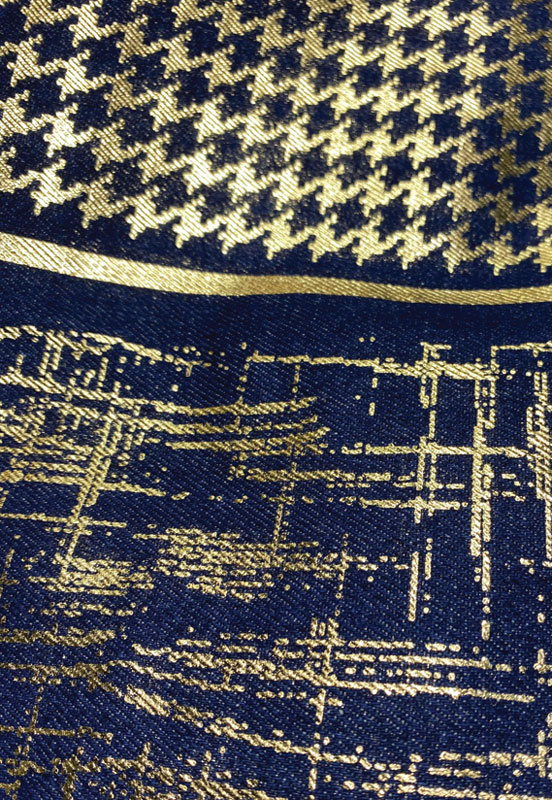
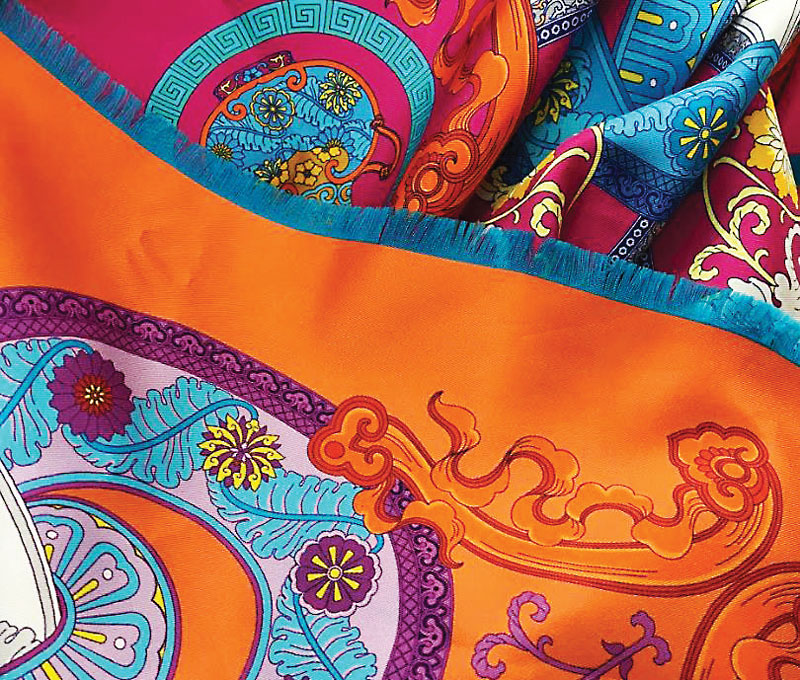
Fabric featuring metallic ink produced on Epson’s Monna Lisa ML-16000/HY

Roll-To-Roll/Direct-To-Fabric Printers

At ITMA, Japan-based Epson showcased the Monna Lisa series —widely considered to be one of the premium technologies for the high-est resolution and highest-quality prints — including the ML 8000, 16000, 32000 and 64000 machines for which the model number corresponds to the number of printheads and therefore throughput capability. Models and capabilities include:

  • ML 8000, which prints with a set of reactive and acid dyes, called REACID, for fiber blended substrates, or for more flexibility if for example, a customer wanted to print substrates compatible with acid for one print run and reactive for another.
  • ML 13000, which offers inline pre- and post-treatments with pigment inks. The pretreatment liquid, ejected through one of the print-heads, jets a surfactant agent to pull the ink to the surface of the fabric, which helps to make the print more colorful. Another print-head jets a binder for increased fastness properties, while another printhead jets a softener to improve the hand of the fabric.
  • ML 16000 hybrid, which combines piezo-electric printheads with microvalves. The printheads jet pigment colorant and the microvalves are able to jet paste for effects such as metallic and white pigmented color.
  • ML 3200, which has a printable width of 340 centimeters and 32 printheads. This printer can be configured to print two pieces of fabric simultaneously, thus increasing productivity and reducing energy and resource consumption.

Italy-based EFI Reggiani showed the opportunity to step up in machine width with its Hyper model available as a 1.8-, 2.4-, or 3.4-meter-wide machine. Equipped with 72 printheads and ink recirculation up to the nozzle plate, it can print two pass, production quality at speeds up to 13 linear m/min on a 1.5-meter-wide roll. The widest machine also offers dual-roll capability to print two different, narrower substrates at once at throughput speeds of up to 20 m/minute. This is an interesting concept, shown by Italy-based Durst at the last ITMA show, which requires special machine and software engineering.

Italy-based Dover Industries Italy (DII) (MS Printing Solutions & JK Group brands), also featured scaling opportunities within its scanning line. At the top end, the Mini Lario has been upgraded and now has eight rows with up to eight heads per row and can print at a speed of 1,000 meters per hour. This is one of the fastest scan type printers on the market. DII (MS & JK brands) reports that the Mini Lario can be precisely color matched to production on the Lario to enable longer production runs of the same design and colorway should the need arise.
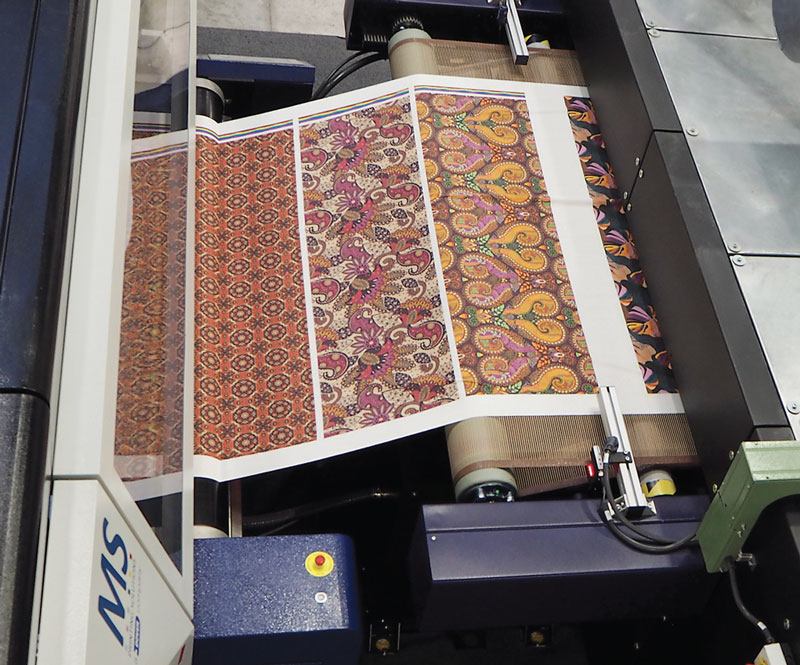
DII (Ms & JK brands) JP7 printer set up with pigment ink and a polymerization dryer.

In addition, DII (MS & JK brands) showed the reengineered JP7 machine and system that significantly improves the sustainability of the entire printing process. The center of this optimized, sustainable printing system is Digistar Pigment 4K, a patent pending colorant set that eliminates pretreatment, thereby reducing chemical and water usage, as well as time and cost. The printer also includes a new zero-wastewater recirculation system that reduces up to 90 percent of water waste typically generated in a 40-hour working cycle. To further optimize a sustainable printing process, a new ink recirculation system from DII (MS & JK brands) prevents nozzle blocking, which is a primary cause of print fabric defects that leads to fabric and colorant wastage. Gradus, its in-line drying system, ensures minimal energy consumption; and because the modular system allows curing and drying all in one, carbon dioxide emissions are reduced.

Austria-based Zimmer Austria Inc. — a producer of machines for textile and carpet finishing including digital printing systems, flat and rotary screen printing, coating systems, steaming, washing and drying — showcased the Colaris3 high-performance pretreatment, digital printing and colorant systems for applications that require colorant penetration through the substrate such as carpeting, towels, and plush or heavy automotive and home décor fabrics. The Colaris series of printers can be used with a variety of colorants such as reactive, disperse, acid, pigment and vat. Inline pre-and post-treatment systems can be added to improve print quality and increase ink penetration. The Colaris printer has 16 printheads for a larger color gamut, increased speed, or flexibility to run multiple types of colorants. Zimmer has added a vision camera detection system to its Colaris digital printers. The Colaris-vision I – Match Print to Cut includes individual piece goods recognition and outline masking with automated computation of the print mask positioning for design customization.

Zimmer’s Colaris-vision II – Match to Print is a roll-to-roll print process with seamless detection of a pre-imagined fabric followed by a registered print. The system has an automated distortion compensation that ensures the print is fitted precisely into the given structure on a web. The design can be fitted exactly onto the substrate despite of any weft misalignment or shrinkage from fabric preparation in the pre-print process.

Advanced Materials

As part of the textile industry’s cur-rent focus on sustainability, vendors continue to ramp up investment in the development of solutions that reduce water, chemical and material waste. Digital dyeing, inline pretreatment, and pigment printing all have the potential to improve sustainability. In particular, pigment colorant was featured by a large number of vendors. As pigment technology matures, com-petition is increasing in a way that is leading to improvements in print quality and innovations in chemistry and application. Further adoption of ink recirculation strategies is a contributing factor to the success of pigments and this idea was highlighted by EFI Reggiani in its Hyper system. Ink recirculation was also mentioned by DII (MS & JK brands) in regard to its redesigned JP7 technology in combination with the Digistar Pigment 4K.

Integrated softening and pretreatment innovations from multiple solution providers is paving the way for greater acceptance of pigment printed fabric. Japan-based Kyocera Corp., a key supplier of industrial printhead technology to textile developers, has joined the mix with the introduction of Forearth technology, and highlighted the ability to print on a broad range of fabrics.
Atexco’s double-sided printing technology uses a camera and imaging software to scan the printed fabric for alignment and ink penetration for precise printing on the reverse side of the fabric.

Other advanced material innovations included China-based Atexco’s double-sided printing technology and reactive colorant that does not require a post treatment for cotton substrates.

Overall, vendors illustrated the compatibility of digital printing with tricky-to-manage substrates including knits and lightweight apparel fabrics. This was particularly evident in the pigment printing area that had previously demonstrated poor fabric hand and color quality. New pigment technologies are opening-up the possibility for pigment printed fabric adoption in a broader range of product areas and markets.

Special Effects

Advances in pigment technology also are enabling special effect printing. During the show, Israel-based Kornit Digital Ltd. demonstrated a white pigment capability that enables imaging on colored grounds and when combined with its Xdi technology, creates a unique, raised, textural look.

Epson has taken this theme one step further with the introduction of the ML 16000 Hybrid machine that combines piezo-electric printheads with microvalves. The printheads jet pigment colorant while the microvalves jet paste to create effects including metallic and white pigmented color. Epson’s Genesta water-based inks guarantee color accuracy and fastness properties, while the special pastes — developed and produced by Italy-based Epson Como Printing Technologies S.r.l.— create the special effects.
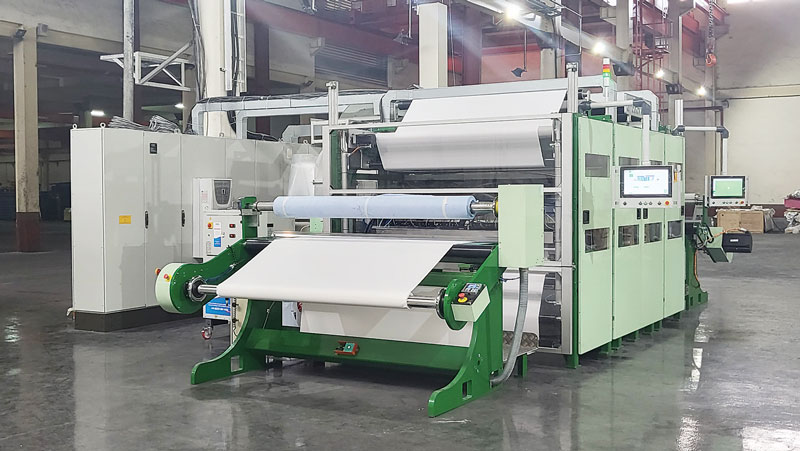
Alchemie Technology’s Endeavour™ is a breakthrough waterless dyeing process.

Digital Dyeing And Finishing

Although pigments offer a sustainability advantage over dye-based colorants for digital printing, digital application methods for solid colors offer the potential for a much greater reduction in environmental footprint. Toward that end, England-based Alchemie Technology’s Endeavour™ digital dyeing technology applies liquid colorants to fabrics using a unique non-contact high-energy jetting of nano-droplets, delivering exceptionally homogeneous color throughout the fabric. This breakthrough waterless, low-carbon, digital dyeing technology, supports dye houses in reducing costs — dramatically cutting energy and carbon dioxide emissions by 85 percent, water use by 95 percent, and also eliminates wastewater pollution in the dyeing process.

Alchemie’s Novara™ digital textile finishing technology delivers sustainability with precision digital application of functional finishes to textiles. Novara is a non-contact, low energy, low chemistry, digital finishing solution that enables textile finishing houses to dramatically reduce their carbon and chemical footprint and reduce costs, using 85-percent less energy and up to 50-percent less chemistry compared to traditional methods, according to Alchemie. Novara delivers precisely defined digitally controlled finishes only where needed. It also enables product innovations including single-side finishing, 2D finish to shape, and allows multiple finishes to be applied to one fabric in a way that is not possible using traditional methods of immersing the entire fabric in a chemical bath. In addition, Alchemie also offers Discovery, a laboratory system that replicates production machines, and may be used for recipe development, color matching and new material process development.

Direct-To-Film Printing

Shenzhen Inkbank Graphic Technology Co. Ltd. (Inkbank), China, and Japan-based Mimaki showed direct-to-film (DTF) technologies for rapidly printing garments.

DTF printing eliminates the need for fabric selection, plate making and pretreatment as compared to the time and resource intensive processes required for silk screen, heat transfer— rubber sheet method — or direct-to-garment (DTG) printing. The DTF process is simple, and in this way, offers a sustainability advantage. First, the design is printed directly onto a special transfer film which is then sprinkled with hot-melt powder. Once heated and dried, the transfer sheet can be applied using a heat press. The one drawback is the waste created because a transfer material is used.

Mimaki offers the TXF150 for DTF. The PHT50 inks used for this printing process are heat transfer water-based pigments that are OEKO-TEX certified. The inks are safe and meet the criteria for ecologically responsible textile manufacturing, according to the company.

Artificial Intelligence And Automation

As digital textile printing technology matures and adoption of complex, high-speed printing systems grows, solution providers also are demonstrating greater investment in the creation of intelligent systems that ease technology management by enabling monitoring and optimized printer performance. Software applications are aimed at providing visibility that helps reduce machine downtime and operating cost, while minimizing waste. As customers invest in multiple print systems to scale print capacity, software strategies for automated system calibration and fleet management also are becoming increasingly relevant. Additionally, to help drive growth in adoption, technology providers are advancing digital workflow solutions designed to assist with order management and automation of repetitive file processing tasks.

A preview of the DII (MS & JK brands) System Plus Software, a new print management system, exemplifies the trend toward intelligent systems. The technology integrates calibration, printing software and ink for a robust, time saving solution. Used with DII (MS & JK brands) pigments and printers, the software system reduces calibration time by 50 percent, increases the color yield by up to 20 percent and increases the brightness of the colors by up to 15 percent. This system’s machine learning platform, the first-of-its-kind to be commercially available for digital printing, enables information to be gathered during the printing process to optimize current and future print runs. This software has the potential to eliminate print defects and reduce the amount of colorant needed.

DII (MS & JK brands) innovation is focused on a highly optimized manufacturing process. During ITMA, the company demonstrated the combined significance of advancing printer hardware and workflow in a working environment by way of organized plant visits to the Italy-based IMPRIMA printing mill.
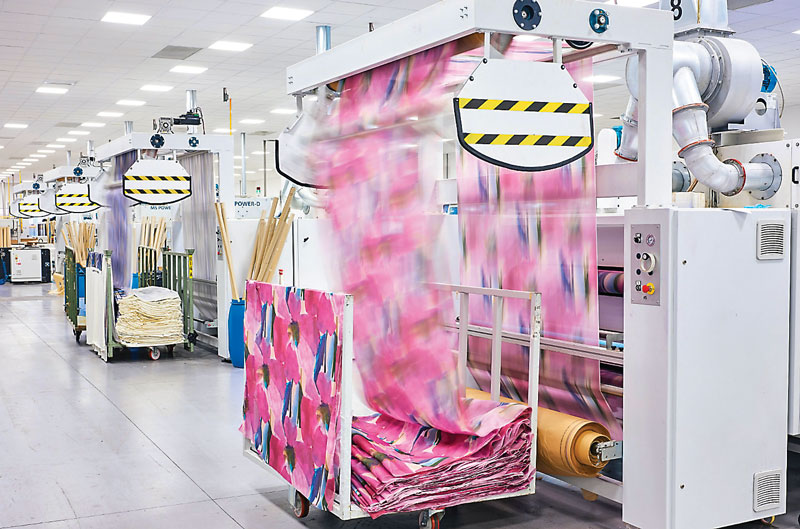
During ITMA, interested parties were able to tour the IMPRIMA print mill to view Dover Industries Italy (MS Printing Solutions & JK Group brands) technologies in action.

IMPRIMA is a cluster of digital print operations with the capability to print 35 million meters of fabric annually. IMPRIMA largely serves the European luxury market, but also prints for U.S.-based brands such as Walmart, Target, Macy’s and Ralph Lauren, among other brands.
Kornit promoted its QualiSet technology, which is described as a smart, autonomous approach to calibration aimed at printhead registration, nozzle testing, compensation and color consistency. Paired with the previously introduced Konnect system for monitoring printer performance and consumables, the company now offers greater ability to manage the print operation at the fleet level. Production monitoring was also high-lighted by Epson for printers connected to the cloud-based PORT system, and by EFI Reggiani which showed the Query software solution that collects data and enables analysis and tracking of printer performance, cost and sustainability metrics such as water and energy consumption.
In addition, robust solutions for automating portions of the production process to reduce or eliminate labor are emerging in the digital printing sector. Kornit showed a fully automated DTG printing solution that reduces labor and increases production speed. Kornit’s Apollo DTG printer can print up to 400 garments per hour. Kornit’s patented wet-on-wet printing system eliminates the need for pretreatment. The Apollo, geared toward t-shirt printers who seek a near-shoring option, features in-line heat fixation, and an auto-mated loading and unloading system.

Harnessing Digital Printing Innovations

It was exciting to see the growth in digital printing technologies at ITMA 2023. Even more impressive was seeing some of these technologies successfully implemented in a production setting at IMPRIMA. Held in Milan, ITMA 2023 was located just a short distance from the Como region of Italy, long considered the luxury printing capital of the world. This region has changed from almost entirely rotary and flat screen printing to digital printing, allowing the industry to service sectors beyond the luxury market. It serves as a great example of harnessing the full capabilities of digital printing innovations.


Editor’s Note: Kerry Maguire King has more than 25 years working in the digital printing field. King played a role in the development of Spoonflower’s manufacturing platform, and currently is working as a consultant while continuing her education in the Ph.D. program at the Wilson College of Textiles at North Carolina State University, Raleigh, N.C.


November/December 2023

Birla Cellulose Achieves Number One Ranking In Canopy’s Hot Button Report 2023 For Its Commitment To Conserve Ancient And Endangered Forests And Promote Circular Solutions

MUMBAI, India — November 30, 2023 — Canopy, an environment focused not-for-profit entity, has released its annual Hot Button Report, which enables fashion brands and retailers to robustly assess suppliers of Man Made Cellulosic Fibers (MMCF) for their forest fiber sourcing.

Commenting on the ranking, H.K. Agarwal, managing director, Grasim Industries Ltd., and Business Director Birla Cellulose, said, “This esteemed recognition serves as confirmation of Birla Cellulose’s steadfast dedication and commitment to improve sustainable wood sourcing practices, forest conservation, innovation, next-generation fiber solutions, and transparent operations across the entire value chain.”

Birla Cellulose, along with other global MMCF producers, has also supported calls for implementation of the Conventional on Biological Diversity’s commitment to conserve at least 30 percent of terrestrial ecosystems by 2030

The company actively collaborates with brands and supply chain partners, innovators, and orchestrators such as Canopy, Fashion for Good, and Circular Fashion Partnership for scaling up circularity.

“A hearty congratulations to Aditya Birla for securing the top spot in Canopy’s 2023 Hot Button Report,” said Nicole Rycroft, Canopy’s executive director. “We commend their hard work to remove Ancient and Endangered Forests from the MMCF supply chain and are encouraged by their consistent progress to bring Next Gen fibers to market at scale.”

Posted: November 30, 2023

Source: Birla Cellulose, the pulp and fibre business of the Aditya Birla Group

Optimal Outlook For Techtextil And Texprocess 2024: A High Level Of Demand And Internationality Coupled With An Outstanding Degree Of Innovation

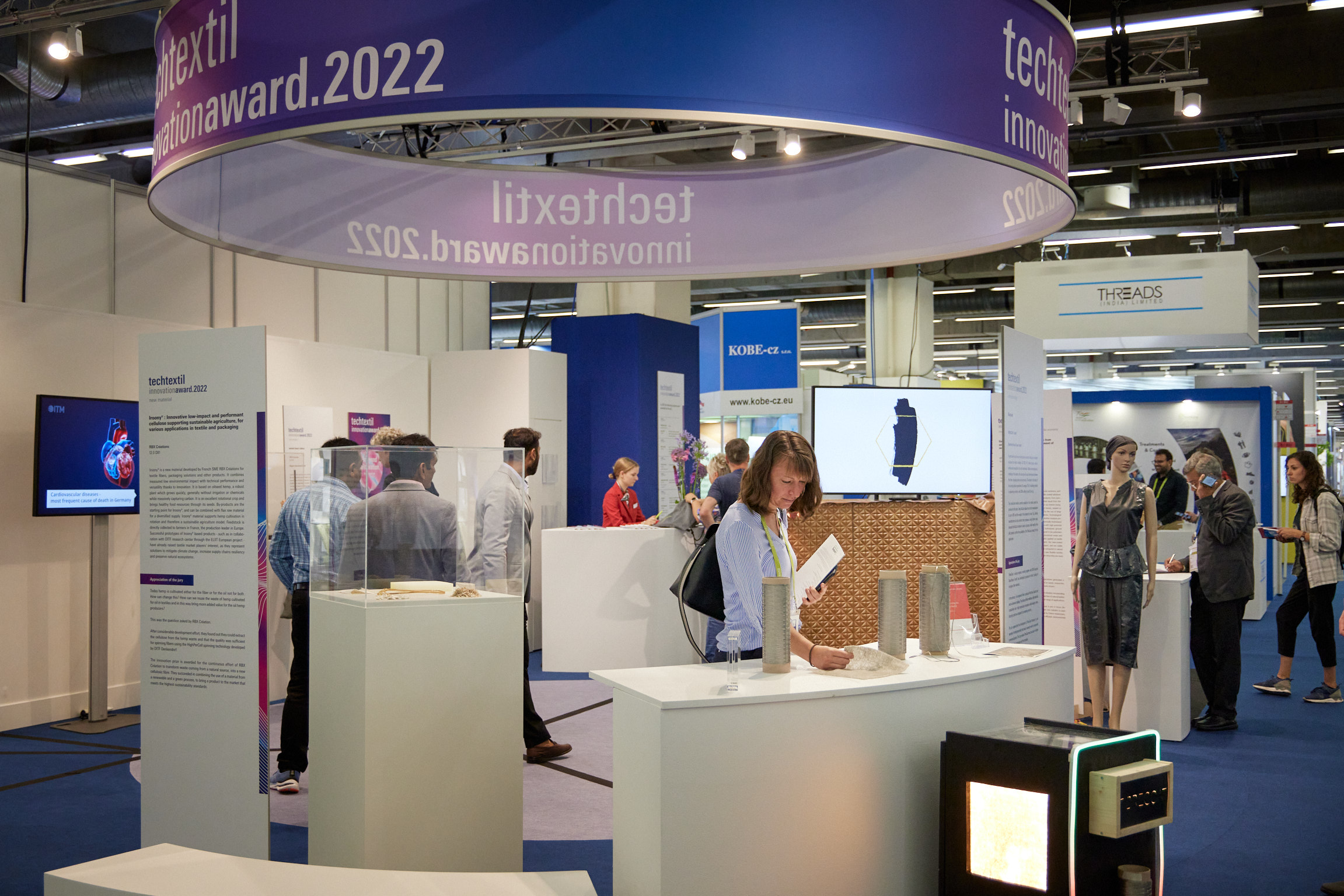
Techtextil Innovation Award – Photo: Messe Frankfurt / Jean-Luc Valentin

FRANKFURT AM MAIN, Germany — November 30, 2023 — The international textile industry is ready to look to the future at Techtextil and Texprocess from 23 to 26 April 2024. These two leading trade fairs are hotspots for innovations, textile solutions and networking. With more than 1,600 exhibitors from around 50 countries, Techtextil and Texprocess reflect the extraordinary degree of innovation prevailing in the sectors.

Innovation, research, an exchange of ideas and information, inspiration and successful business transactions — these are the promises made to the international industry by Techtextil and Texprocess in Frankfurt am Main from 23 to 26 April 2024. The large number of current exhibitor registrations – over 1,600 from around 50 countries — confirms the relevance of the two trade fairs for the textile sector. There, companies can look forward to meeting buyers and top decision makers from 95 (Techtextil 2022) and 86 (Texprocess 2022) countries. In addition to familiar and high-grade formats, such as the Techtextil Innovation Award and the Texprocess Innovation Award, as well as the Techtextil Forum and the Texprocess Forum, the coming editions will be distinguished by several new special areas, e.g., the Nature Performance area and the Future Materials special show at Techtextil, and the Denim Hub and an Emerging Markets area at Texprocess.

“The sectors are undergoing a rapid process of change. Participants at Techtextil and Texprocess will have the opportunity to stay in tune with the times, to present innovations to an audience of experts from all over the world and to find new solutions and business partners”, says Olaf Schmidt, Vice President Textiles & Textile Technologies, Messe Frankfurt.

The spectrum of textile solutions presented at Techtextil is unparalleled worldwide. Visitors can discover an extraordinary range of products in twelve areas of application, which are used in many different industries — from automotive to fashion, and from medicine to construction. The latest developments in fibers and yarns, nonwovens, composites, coated textiles, technologies, etc., will be presented by companies at Techtextil, in many cases for the first time in public. The companies registered to date include Carrington Textiles (Great Britain), Concordia Textiles (Belgium), Datacolor (Belgium), Everest Textile (Taiwan), Franz Miederhoff (Germany), Groz-Beckert (Germany), Kuraray (Japan), Kusumgar Corporates (India), Outlast Technologies (Germany), Sandler (Germany), Tanatex Chemicals (Netherlands) and Textilcolor (Switzerland).

Texprocess is the international platform for exhibitors of the latest machinery, equipment, processes and services for manufacturing garments, as well as textile and flexible materials. The spectrum of products to be seen ranges from sewing technology and materials, embroidery technology, fastening, CAD/CAM and cutting to recycling technologies and much more. The companies that have announced their participation in Texprocess 2024 include Amann & Söhne (Germany), Assyst/Style3D (Germany), ASTAS (Turkey), Barudan Co, Ltd (France), Brother Internationale Industriemaschinen (Germany), bullmer (Germany), Dürkopp Adler (Germany), IMA (Italy), Kai Corporation (Japan), Morgan Tecnica (Italy), natific (Switzerland), Orox Group (Italy) and Tajima Industries (Japan).

Econogy: sustainability as a driver of innovation

Sustainability and economic efficiency go together and this objective is being promoted by the global trade fairs of Messe Frankfurt – the Texpertise Network – with the reorientation of the company’s sustainable formats. This encompasses not only the overarching heading, ‘Econogy’, which links ecology and economics, but above all the standardisation of sustainable evaluation criteria for the selection of resource-saving products, processes and exhibitors. Econogy thus creates transparency and comparability across the board. To this end, Messe Frankfurt works together with independent, external sustainability experts to take account of the latest approved seals and certificates, and to integrate the Sustainable Development Goals into the checks.

The services associated with Econogy at Techtextil and Texprocess include the Econogy Finder, a directory of certified suppliers of sustainable products, which enables visitors to head straight for them.

The best way to find ideal sustainable solutions is within the framework of an exchange of ideas and information, and the Econogy Talks offer the perfect setting for this.

Led by experts in the field of sustainability, the aim of the Econogy Tours at Techtextil is to introduce visitors to selected exhibitors of sustainable products and to give them the opportunity to obtain knowledge and ideas at first hand.

Can nature and performance be combined in a fibre or a material? Of course they can! At Techtextil, manufacturers of natural fibres and materials, as well as bio-based fibres and materials with future-oriented functional properties for a huge range of applications, will be showing what natural textiles can do. The sustainable performers can be found in a special Nature Performance area in the Fibres & Yarns product segment. A highlight for visitors is sure to be the presentation of progressive material innovations by renowned trend and future agency, Franklin Till, in the special Future Materials show.

Recycling is also gaining in importance with the increased relevance of sustainability and the growing appreciation and scarcity of resources, which gives it a unique potential for development and innovation. With the curated special show Recyclable Fibres & Yarns in Hall 9.1 and Recyclable Materials in Hall 12.1, Techtextil and Texprocess are putting the spotlight on future-oriented, reusable materials and recycling technologies.

The future at a glance: Techtextil Innovation Awards and Texprocess Innovation Awards

The Innovation Awards are popular highlights at both events. Two high-calibre juries of experts honour the latest, most intelligent and outstanding innovations from the industries. The awards reflect the future of the sectors in terms of new ideas and developments, which offer solutions for the various aspects of digitalisation and artificial intelligence, as well as sustainability, new materials and processes. The deadline for receipt of entries is 15 December 2023.

Up to date at the Techtextil Forum and Texprocess Forum

Visitors wanting to expand their knowledge, discover the latest research results, new product developments and progressive innovations should not miss the Techtextil Forum in Hall 9.1 and the Texprocess Forum in Hall 9.0. There, they will find a high-grade, curated program on the latest themes, knowledge transfer and an exchange of ideas and information with renowned experts from research and industry. The spectrum of subjects covered at the Techtextil Forum ranges from bio-based functional materials to intelligent textiles. At the Texprocess Forum, it runs from automation to supply chains.

Start-up stars: tomorrow’s A-listers

Ambitious founders and young entrepreneurs have the chance to present their companies in the start-up areas at Techtextil and Texprocess, to find business partners and investors and thus carve out their way in the sector. For them, the leading trade fairs are the perfect place to put forward their ideas, to find partners and investors and thus find their way into the market. Young, innovative start-up stars show their products to an international audience in the attention-grabbing ‘Textile Production’ and ‘Functional Materials’ start-up areas at Techtextil and at the ‘Textile Processing Technologies’ area at Texprocess.

All about denim

At Texprocess, the Denim Hub puts the spotlight on sustainable jeans production, processing and recycling. Exhibitors offer first-class insights into their circular strategies while, in the Denim Talks, visitors can learn about sustainable approaches to washing, destroying, bleaching, lasering, dyeing, recycling and upcycling and customising jeans.

Curtain up on Performance Apparels on Stage

In the Performance Apparels on Stage special show, Techtextil 2024 presents the multifarious functionalities of textiles for the garment industry. Against this impressive background, the show illustrates the use of technical textiles in the apparel and fashion industry, in the field of sportswear and leisurewear and professional and safety clothing.

Emerging Markets Area: finding global potential

Texprocess 2024 sees the first Emerging Markets area with invitations going specifically to organizations from countries with a high development potential in the field of textile processing. In the Emerging Markets Lounge, visitors and exhibitors can hold discussions with the delegations, present their business ideas, intensify contacts and lever new potential.

Techtextil and Texprocess

The events Techtextil and Texprocess will be held April 23-26, 2024.

Posted: November 30, 2023

Source: Messe Frankfurt Exhibition GmbH

Trevira CS At Heimtextil 2024

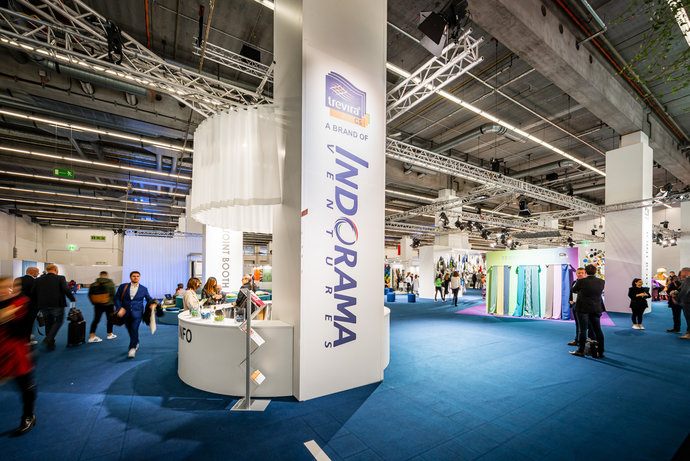
Trevira CS Joint Stand, Heimtextil 2023 – Photo: Indorama Ventures Fibers Germany GmbH

HATTERSHEIM, Germany — November 30, 2023 — The Trevira CS® brand will be presenting itself with 17 top customers and partners as well as an innovative special exhibition at Heimtextil, which takes place in Frankfurt from January 9 to 12, 2024. The joint stand is located in Hall 4.0/Stand C15 together with the Indorama Ventures PCL stand.


Trevira CS customers and partners will be exhibiting their flame retardant products and new collections for the home textiles and contract market at individual stands on the joint booth. Visitors can discover innovations in the areas of yarn production, woven and knitted fabrics and interior solar shading. The exhibitors at the Trevira CS stand will represent all textile applications with their products, from lightweight curtains to heavy upholstery fabrics. In addition to the yarn and fabric manufacturers, one exhibit is dedicated to presenting a traditional craft at the Trevira CS joint stand. The trimming maker Jende Manufaktur will be demonstrating the manufacture of trimmings from flame retardant, UV-stable, spun-dyed Trevira® yarns as well as from materials from the co-exhibiting yarn manufacturers.

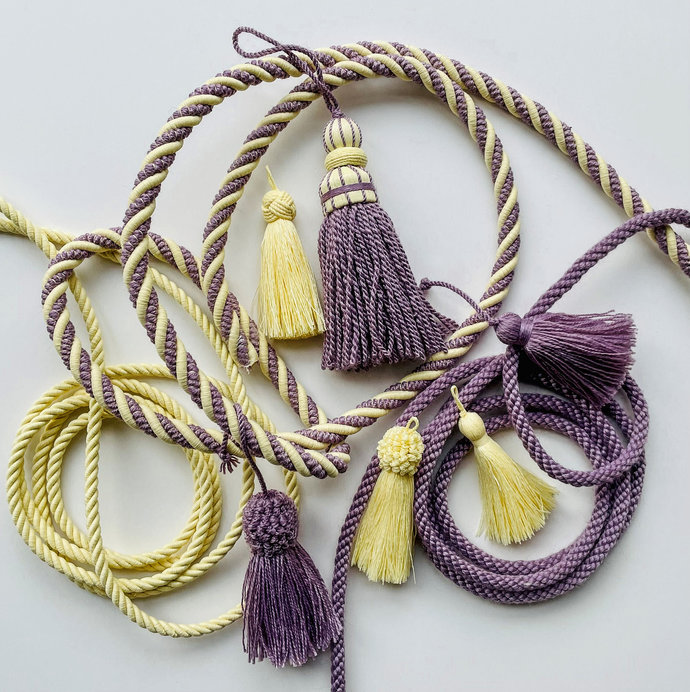
Trimmings made with flame retardant, UV-stable, spundyed Trevira® yarns, manufactured by Jende Manufaktur GbR – © Photo: Indorama Ventures Fibers Germany GmbH

The following Trevira CS customers and partners will be exhibiting a wide variety of flame retardant products at the joint stand in January:

Casalegno Tendaggi S.r.l., Chamatex SAS, F.lli Baroni s.r.l., FIDIVI Tessitura Vergnano S.p.A., Hoftex Färberei GmbH, Ilcat by Lei Tsu s.r.l., Jende Manufaktur GbR, Lodetex S.p.A., Mattes & Ammann GmbH & Co. KG, Mottura S.p.A., Pozzi Arturo S.p.A., PUGI R.G. S.R.L., Tessitura Mario Ghioldi & C. s.r.l., Tintoria Sala s.r.l., Torcitura Fibre Sintetiche S.p.A., Torcitura Padana S.p.A. and Wintex S.r.l..

#treviracsCore – sparking emotions

The Trevira CS special showcase 2024 will be held under the motto #treviracsCore. The term “core” means core element/heart and is used in conjunction with a hashtag and another defining term in the digital media for a trend/lifestyle that people feel connected to and follow.

This time, the special show is about demonstrating what Trevira CS fabrics are capable of achieving in addition to their functionality and performance in the design of textile spaces. From a sustainably furnished lounge, to a luxurious interior or a casual outdoor area, to a cozy retreat — Trevira CS creates a high-end aesthetic, an atmosphere that inspires and appeals to our emotions – and does so with fabrics that are safe.

For the design of the special show, all Trevira CS customers were invited to submit their latest Trevira CS products as part of the annual Trevira CS fabric competition. A total of well over 200 articles from more than 50 customers were available. This year’s special show will also feature trimmings made from Trevira CS yarns.

The special show includes 4 themes for which the Trevira CS fabrics were submitted.

Theme 1: #MySustainableStay

A “Sustainability Lounge” invites visitors to stay and linger. Here, all information on Trevira CS sustainability topics is presented, featuring the latest Trevira CS eco textiles and fabrics made from chemically recycled raw material.

Theme 2: #MyOutdoorTimeout

Trevira CS fabrics are used in this installation to create an outdoor scene. A wide variety of outdoor materials will be used here.

Theme 3: #MyHiddenTreasures

The Trevira CS portfolio available on the market holds a veritable treasure trove of luxurious fabrics with which to create extraordinary, sophisticated interiors. Here, visitors can expect a staging with exquisite, fine fabrics.

Theme 4: #MyCozyCosmos

Everyone can create their own personal kingdom, their place of retreat, with Trevira CS fabrics. Materials with a pleasant, comfortable feel are in demand here. This scene could also be well imagined as a private living ambience.

Director Marketing Trevira CS Anke Vollenbröker, said: “We are delighted that we will once again be present at Heimtextil with a large joint stand together with 17 Trevira CS partners. This year, with our special presentation #treviracsCore, we want to show that Trevira CS fabrics offer everything you need to follow your preferred personal interior lifestyle – with textiles that are safe.”

Posted: November 30, 2023

Source: Indorama Ventures Fibers Germany GmbH

Microplastic Filtration Technology Company Matter Targets Fast Growth With C-Suite Hires

BRISTOL, England — November 30, 2023 — Fast-growing microplastic filtration technology company Matter has bolstered its senior leadership team with a new chief commercial officer and chief technology officer.

Earlier this year Matter completed a $10 million Series A round involving funds backed by Leonardo DiCaprio and Ashton Kutcher.

Industry experts Martin Allman and Jess Middlemiss join Matter as chief commercial officer and chief technology officer respectively.

Matter is working to stop microplastic pollution originating from sources including textiles and laundry, and is targeting rapid growth across a number of applications around the world.

Matter has developed solutions for capturing, harvesting and recycling microplastics.

These include Gulp  – a sustainable, long-lasting washing machine filter that catches up to 90 percent of all microfibers from every laundry cycle.

Matter’s new chief commercial officer, Allman, will be tasked with scaling-up Matter’s technology to international markets.

The former British Army Officer has joined Matter after almost two decades in the green energy sector.

Joining the team as chief technology officer, Middlemiss — formerly of Dyson — will focus on driving forward innovation in microfiber capture and recycling.

Adam Root, CEO and founder of Matter, said: “Our new hires are about culture as much as they are about technical ability.

“We look to appoint the very best industry talent who are committed to our mission of living in a world without micropollutants in the environment. Martin and Jess embody this spirit perfectly.

“Our new C-Suite team is an integral part of Matter’s evolving story and will support in driving industry transformation.”

Allman said: “Matter has established itself as one of the most exciting, fast-growing companies in the clean tech space.

“We have ambitious plans to accelerate delivery of our solutions across the laundry and textile spaces and beyond. There is no more exciting industry to be in right now.”

Jess Middlemiss, noted: “I feel privileged to be working alongside the Matter team to build on the wonderful foundation of technology that the entire team has worked so hard to establish to-date.

“Matter has developed technologies that work for both industry and the environment. And I’m confident that the speed of innovation shows no sign of letting up in 2024 and beyond. Cutting edge technology is a central element of any global solution to the plastics crisis and Matter will continue to strive to be at the forefront of this change.”

Posted: November 30, 2023

Source: Matter.

Metsä Group’s Kuura® Textile Fibre Gained Important Recognition In Sustainability Matters

ESPOO, Finland— November 30, 2023 — Kuura textile fiber, which is made from Metsä Group’s softwood pulp, received a “Green Shirt” rating based on the evaluation arranged by not-for-profit environmental organization Canopy. Their annual Hot Button Ranking is a well-established tool used in the global textile and fashion industries to assess the sustainability of wood-based textile fibers.

Metsä Group’s Kuura textile fiber has achieved high scores based on the Hot Button Ranking evaluation arranged by the Canadian not-for-profit environmental organization Canopy (see “MI Demo”, which is the subsidiary that owns and operates the Kuura demo plant in Äänekoski, Finland). The Kuura textile fiber, made out of softwood pulp from the Äänekoski bioproduct mill, was awarded for the third consecutive year with a Green Shirt rating, the requirements of which are a risk-free, transparent supply chain and traceable raw materials. Leading brand owners, in terms of environmental sustainability, exclusively source fiber from Green Shirt producers.

Metsä – Kuura

The textile fiber market is expected to grow from approximately $42 billion in 2022 up to $66 billion by 2030. Metsä Group’s Kuura concept is based on a vision to offer the global textile and nonwoven industries a new textile fiber with a significantly reduced environmental footprint. The ongoing R&D-focused phase for developing the Kuura concept is a joint effort of ITOCHU Textile Company, a part of Japanese trading giant ITOCHU Corporation, and Metsä Group’s innovation company Metsä Spring. With the collaboration, Kuura has already been utilized in creating fashionable and sustainable outfits like jackets and shirts, as well as in cutting-edge artwork that promotes the future of sustainable fibers.

“The Hot Button Ranking criteria have been made stricter every year. The fact that our operations were evaluated as worthy of the Green Shirt level for a third consecutive time shows that we have also moved forward in sustainability matters. Kuura is still in the research and development phase, which involves testing and developing the production process at the demo plant and assessing the market interest towards the new fibre. However, we are already attracting interest from some of the world’s largest and leading sustainable fashion houses, which reinforces the notion that we are on the right track with Kuura,” said CEO of Metsä Spring Niklas von Weymarn.

The Kuura textile fiber has also been evaluated by neutral expert organisations using the ISO standardized Life Cycle Assessment (LCA). The LCA is a method to measure and assess the environmental (and societal) impacts of any product. In the conducted assessments, it was determined that the large-scale production of Kuura would emit clearly lower greenhouse gas levels compared to currently commercially available bio-based textile fibers and polyester fibers. Hence, in the so-called Global Warming Potential category, Kuura ranked as best in class, mainly thanks to its production being integrated into the unit producing pulp. This, in turn, makes the total energy requirement to make Kuura fibers very favorable. Moreover, all energy utilized in producing the Kuura fiber would be renewable.

Additionally, the Kuura textile fiber is also perfectly suited to the EU’s plans to bring forward regulation related to the circular economy of textiles, as the fiber is essentially unmodified cellulose fibers produced by nature. This means that Kuura is 100-percent recyclable and naturally biodegradable. Compared to cotton fibers, the production of wood-based textile fibers, especially when made using wood from Nordic forests, does not compete with food production, and does not require irrigation water, fertilizers or pesticides.

“What also makes Kuura special is the backward traceability, which, in turn, takes us back to the over 90,000 Finnish forest owners that are owner-members of the parent company behind Metsä Group. All the wood used for Kuura (in practice pine and spruce) would be procured within a 100-km radius from the entity comprising the bioproduct mill and the Kuura mill,” von Weymarn said.

While proceeding with the Kuura test production in the 40 million euro demo plant located in Äänekoski, Metsä Spring is simultaneously developing the technical concept of a possible first commercial textile fibre mill. In Metsä Group’s concept, the Kuura mill would be integrated into a modern bioproduct mill in order to maximize the industrial efficiency of textile fiber production.

Posted: November 30, 2023

Source: Metsä Spring

ITMA ASIA + CITME: A Success For VDMA Member Companies

FRANKFURT, Germany — November 30, 2023 — This year’s edition of ITMA ASIA + CITME proved to be a success for the exhibiting VDMA member companies. Measured by booked square meters, Germany had the largest contingent, among the foreign exhibitors. More than 40 VDMA member companies were exhibiting their innovative products in Shanghai.

Dr. Janpeter Horn, chairman of the VDMA Textile Machinery Association noted: “Although facing a difficult market situation, this year’s edition of ITMA ASIA + CITME has exceeded the expectations, both in terms of the number of visitors and the quality of the talks. The significant number of foreign visitors to the fair was particularly pleasing.”

Solutions were demonstrated for more sustainable textile productions by most of the exhibitors, and here the VDMA members presented their technologies for saving water, energy and raw materials under the heading “Smart technologies for green textile production.”

Dr. Uwe Rondé, CEO, Saurer Intelligent Technology AG, explained: “Saurer is satisfied with both the number of visitors and the quality of the discussions. Our booth was full from morning to evening with customers focused on latest technologies within the three mega trends: recycling, automation and digitalization. Although machine utilization in the spinning mills is still well below average, people are already gathering information and thinking about what to invest in once the market recovers.”

Benjamin Reiners, owner of Reiners + Fürst stated: “This year’s ITMA ASIA + CITME has exceeded our expectations by far. Especially the first day — a Sunday — has brought many high-quality customers and exclusively decision makers to our booth. We estimate about 20% international customers mainly from Bangladesh, Egypt, India, Iran, Pakistan, Uzbekistan and Vietnam. All customers agreed that the market situation at the moment is difficult, capacity usage is between 50 to 75 percent in the ring spinning sector and improvement is expected not before the 2nd half of 2024. Nevertheless the general spirit is very positive.“

“This ITMA ASIA was a great success for Trützschler. We welcomed a large number of Chinese visitors to our booth, as well as a significant number of interested international visitors”, said Dr. Bettina Temath, head of Global Marketing Trützschler Group SE.

Georg Stausberg, CEO of the polymer processing solutions division and chief sustainability officer of the Oerlikon Group stated: “We can look back on a successful show where we were able to meet many of our customers not only from China, but also from Pakistan, India and Indonesia, for example.”

“A very well-attended trade fair, with interesting discussions, great innovative topics, in line with the modern and rapidly developing China,” noted Wolfgang Schöffl, head of product line weaving machines and member of the extended management, Lindauer Dornier.

The VDMA Textile Machinery Association and VDMA China were present at the fair, to support the members e.g. with regard to IPR. With the help of a VDMA expert and a contracted law firm, the member company Sahm submitted a complaint application for patent infringement disputes during the exhibition to the onsite IPR office. Both parties, Sahm, and the Chinese company, that used patented design without permission reached an agreement: The Chinese company had to stop displaying functions and designs involving patent infringement on site which meant the removal of some structural parts and the covering of key components protected by patent protection.

Dr. Harald Weber, managing director of VDMA Textile Machinery concluded: “Asia, and China in particular, represent the primary foreign markets for the VDMA member companies in the sector. The Chinese market is the main destination for their exports. Other major export destinations in Asia include India, Pakistan, Bangladesh and Uzbekistan. ITMA ASIA + CITME provides a unique platform to showcase technologies for customers directly in Asia. The VDMA member companies are looking forward to the coming edition of the fair from 14 to 18 October, 2024 in Shanghai.”

The latest survey of VDMA members’ subsidiaries in China gives reason to hope that the economic situation in the Chinese textile industry could also improve significantly in the second half of the year. In addition, European textile machinery manufacturers are urged to be present on the most important market and at the trade fair and to offer Asian customers most advanced technology for their demanding challenges.

Impressions of the trade fair were captured in 3 videos which are available at www.vdma.org/itma.

The VDMA represents more than 3,600 German and European mechanical and plant engineering companies. The industry stands for innovation, export orientation and SMEs. The companies employ around 3 million people in the EU-27, more than 1.2 million of them in Germany alone. This makes mechanical and plant engineering the largest employer among the capital goods industries, both in the EU-27 and in Germany. In the European Union, it represents a turnover volume of an estimated 860 billion euros. Around 80 percent of the machinery sold in the EU comes from a manufacturing plant in the domestic market.

Posted: November 30, 2023

Source: VDMA Textile Machinery Association

NCTO Releases Statement Supporting Rep. Jennifer Wexton’s Letter To Homeland Security Secretary Mayorkas To Strengthen Customs Isotopic Testing Of Goods Containing Cotton Sourced From Forced Labor

WASHINGTON — November 30, 2023 — National Council of Textile Organizations (NCTO) President and CEO Kim Glas issued the following statement today in support of Rep. Jennifer Wexton’s (D-VA) letter to Department of Homeland Security (DHS) Secretary Alejandro Mayorkas, urging his agency to step up isotopic testing of imported products containing cotton sourced from forced labor in Xinjiang, China.

The Congresswoman’s press release and letter can be found here.

Statement by NCTO President and CEO Kim Glas:

“I want to sincerely thank Rep. Wexton for raising critical questions and concerns in her letter to Secretary Mayorkas about why more isotopic testing is not being done to ensure the Department of Homeland Security’s compliance with the UFLPA, which bans tainted cotton products and other consumer goods made with forced labor from entering the U.S. market.

It is alarming that slave labor products from Xinjiang are still bleeding into the U.S. market unchecked, as the Reuters news story exposed, which also served to underscore the weaknesses of our government’s efforts to enforce the law. Congress has already allocated significant resources to U.S. Customs and Border Protection (CBP), under the DHS umbrella, for the development, procurement, and application of new technologies such as isotopic testing for cotton fibers and cotton containing products to track the geographic origin of items and inputs from the Xinjiang Uyghur Autonomous Region (XUAR—a region that has become synonymous with forced labor practices and human rights abuses.

It is imperative that CBP step up its overall enforcement efforts, which have shockingly been on the decline in the apparel and textile import sector, and significantly increase its isotopic testing as well as the number of contracted labs it uses.

If DHS does not act swiftly, the vital manufacturing sector that I represent, which produces a broad range of components for consumer goods, critical items such as personal protective equipment, and military products, will be further devastated as factories shutter and job losses mount, while China continues to exploit the government’s ineffective enforcement and reap the rewards of its predatory trade practices.”

Posted: November 30, 2023

Source: National Council of Textile Organizations (NCTO)

American Dornier: Focus On Leadership, Technology And Training

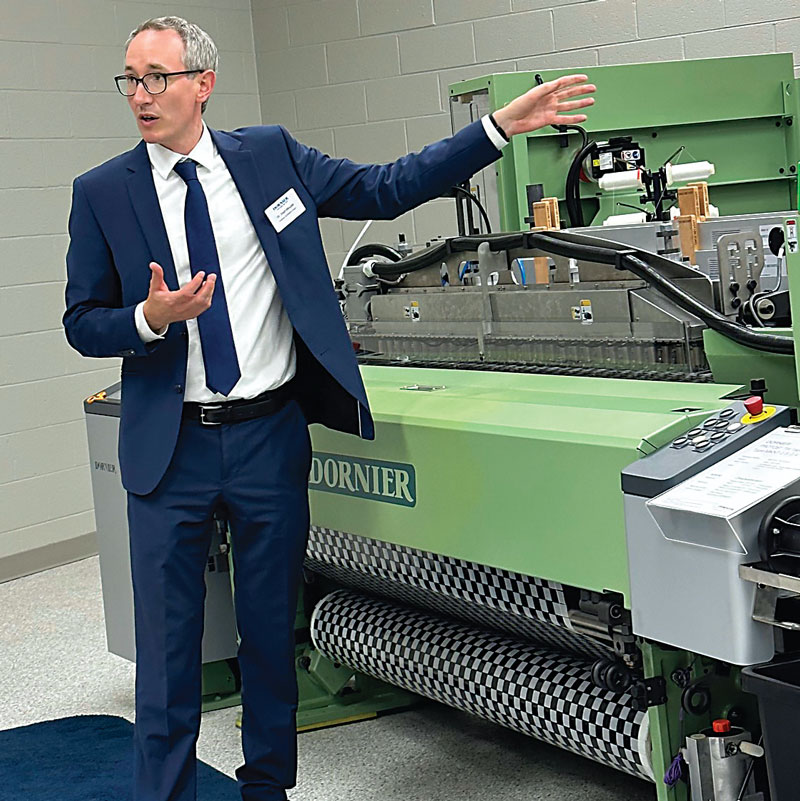
Peter Brust (left) and Oliver Meier (right) staged a rapier yarn transfer, aided by company CEO Peter Dornier, to mark the transition in leadership at AmDo.

Dornier’s recent Technology Day held at its Charlotte location showcased AmDo’s capabilities for the North American market.

TW Special Report

Germany-based Lindauer Dornier GmbH (LiDo) began shipping its rapier weaving machines to the United States in the 1960s. Burlington and Milliken & Company were its first U.S. customers, and the machines quickly proved themselves and signaled a shift from shuttle looms to a shuttleless design in the United States. By 1977, more than 2,000 Dornier weaving machines were installed in North Carolina and the surrounding area; and in 1978, Field Engineer and Salesman Hans Geiger was tasked with locating a suitable place to establish American Dornier (AmDo). An old Trützschler location in Charlotte was acquired and AmDo— Dornier’s oldest subsidiary — had a home. The original 1,100-square-meter building was expanded to 3,000 square meters in 1997.

Dornier’s technologies include film stretching lines for biaxial polypropylene and polyester films; the P2 rapier and A2 air-jet weaving machines; myDoX digital solution; and Dornier Composite Systems® comprising the PROTOS® TP for unidirectional tapes, PROTOS TW for woven tape fabrics and TRITOS® for multilayer and 3D fabrics, among other technologies (See “Reintroducing DORNIER’s Composite Systems® Suite,” TW, September/October 2021).

From this original location, AmDo still serves the Americas with its 30-person team in the following areas: weaving machine sales and support; film stretching equipment support; spare parts; installation, service and personnel training; film stretching clip chain overhaul and repair; and marketing.

The company recently saw a transfer of management and the change seemed like an opportune time to host an open house — Technology Day 2023 — to showcase the capabilities and technologies avail-able in the United States. Oliver Meier recently took the helm of AmDo as executive vice president. He replaced the retiring Peter Brust who had run the operation for 22 years. During the Technology Day, Meier and Brust conducted a yarn transfer from a left-hand to a right-hand rapier in a symbolic display of the change of management. The transfer was assisted by Peter D. Dornier, LiDo CEO since 2001 who came from Germany along with other Dornier executives to participate in the Technology Day.

The event gathered guests who came from the various markets that Dornier serves — traditional weaving, composites and film production.

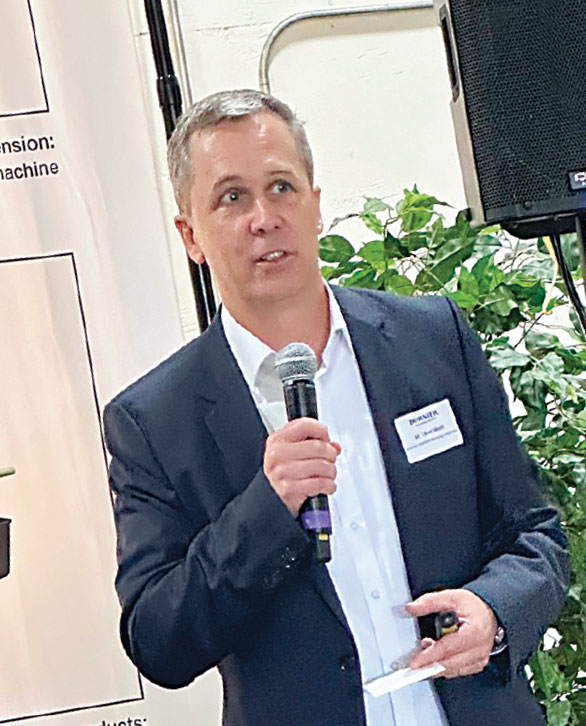
Meier started the day with a warm welcome for the guests, and Dornier provided a little history of the company, which actually got its start with his grandfather, Claude Dornier, in aircraft design and construction, before LiDo was established in 1950 and the company transitioned into a manufacturer of textile equipment.

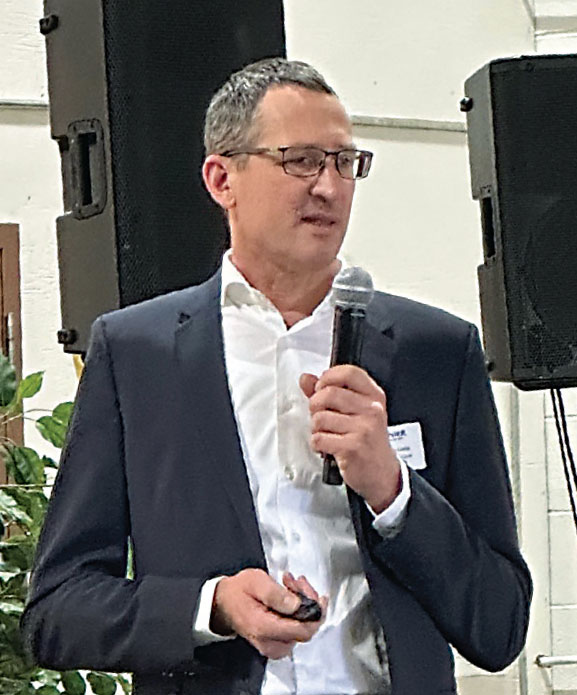
Josef Klingele, head of Product Line Composite Systems, next gave an in-depth presentation highlighting all the technologies offered by Dornier.

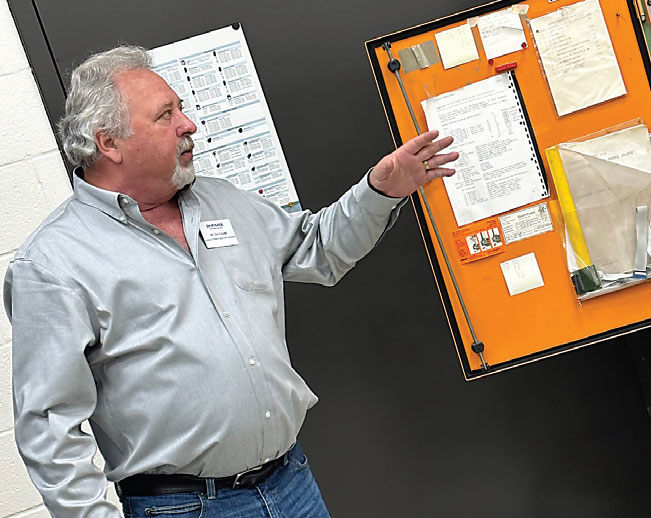
Dornier also recognizes the importance of an aging workforce and the need to attract and train new talent. To that end, the company has an apprentice program in Germany and also offers training classes at AmDo. Martin Kaess, head of Training — known as the Ausbildungsleiter in German — explained Dornier’s offerings during Technology Day. Kaess explained the company’s dual training system available in Germany that combines theoretical instruction at vocational school two days a week with practical skills at Dornier for the remainder of the week. Trainees can earn money while gaining work experience and knowledge at school in order to become a qualified employee at the end of the apprenticeship. The program is open to international applicants as well as German nationals. The program includes employment opportunities at LiDo, AmDo, as well as a path to German citizenship. Apprenticeship paths include technical training in metals such as machinists, and industrial or construction mechanics; and in electronics or mechatronics. All programs can lead to a Bachelor of Engineering if so desired.

Kaess explained that the company also is in the process of establishing a training center set to open in 2025. The 10,000-square-foot facility will host up to 75 trainees teaching them about the latest machinery and tools, modern CAD/CAM systems, and mechanical and electrical systems using engaging projects.

AmDo also offers continuous education and training seminars in Charlotte. In 2024, seminars on the following topics will be available:

• Rapier weaving machines;
• Air-jet weaving machines;
• Electronics, both AT and FT;
• Electronic Mini Camps; and
• Supervisor training.

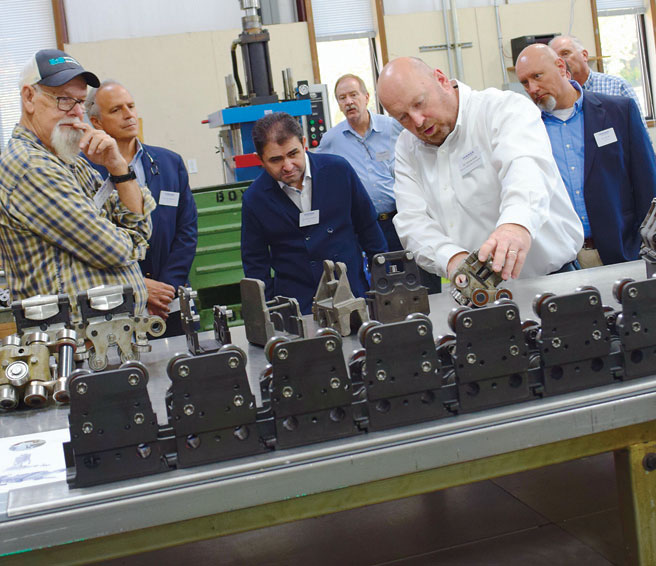
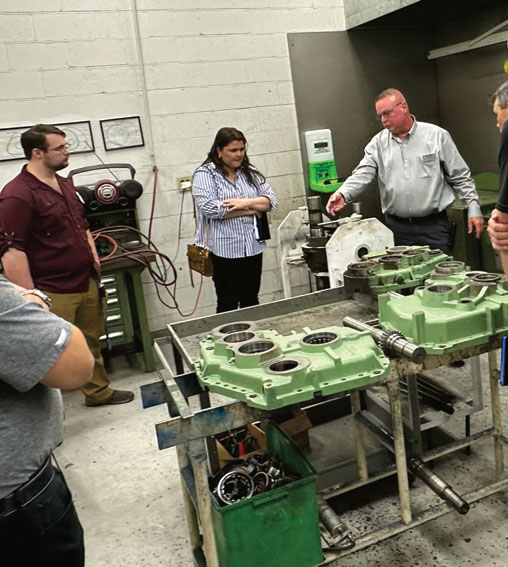
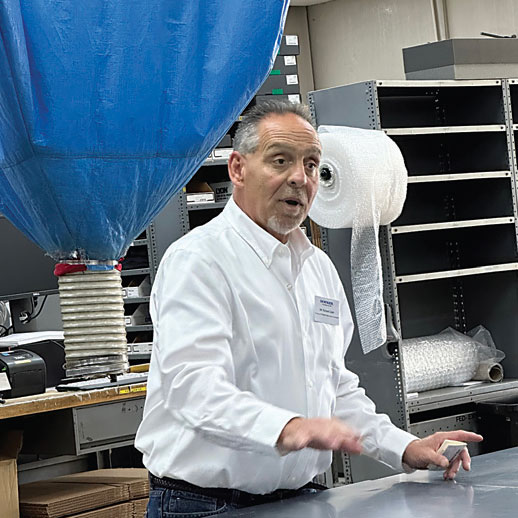
After the presentations, visitors participated in guided tours of the U.S. operation, which included a look at the Electronics Repair Shop, Spare Parts Department, Gear Box Repair Shop, Clip Chain Overhaul Service (CCOS), Weave Room and Tape Room. Dornier emphasizes the durability and repairability of its machines and many older models are still in operation with the assistance and care from Dornier technicians and spare parts program. In the afternoon, attendees could observe Dornier technology in action including the A2 and P2, and the Protos tape weaving machine. The company also offered demonstra-tions of its MyDox digital platform.

“The event was a great opportunity to introduce the PROTOS Tape Weaving to the North American market,” Klingele said. “The customer feedback received was very positive and encouraging and reflects the right direction for Dornier in this market sector”

“The effort we put into this event was well worth it,” Meier added. “We have been happy to receive so much positive feedback from our customers, and already are discussing the possibility of an event next year and how we can make it even more impactful for the industry.”

November/December 2023
Textile Innovation Conference Fosters Connections

KARL MAYER North America recently hosted the inaugural Textiles Innovation Conference designed to connect the textile manufacturing industry in the United States. 

By Jim Kaufmann, Contributing Editor

Generally speaking, transporting and setting up textile manufacturing machinery at trade shows held in North America can be difficult and expensive. Granted, for new and perspective customers, machine manufacturers can be very open and accommodating to visitors at their locations, but that interest still needs to be developed and fostered. Couple this with the fact that International Textile Machinery Association (ITMA), the granddaddy of global textile and machinery trade shows, only comes around once every four years and it is easy to understand why textile machinery manufacturers continue to explore new ways to showcase their latest offerings. However, after attending the recent Karl Mayer Stoll Textiles Innovation Conference, it is evident that the Karl Mayer Group has taken this effort to a different and interestingly higher level.

Held recently at its North American headquarters in Greensboro, N.C., the event had the overall feel of a boutique trade show. “Last year was our first of this kind,” said Matthew Llewellyn, director of sales and marketing for Stoll by Karl Mayer. “It was smaller in scale and we only focused on the Stoll weft knit product line, but we received positive feedback from the participants and certainly learned a lot.

This year we expanded the conference to include the Karl Mayer products —warping and warp knitting technologies — and invited a broader list of exhibitors from different aspects of the supply chain, from fiber to finished product, to create more of a whole eco-system type event.”

Mariano Amezcua, who was named president of Karl Mayer North America earlier this year, added: “We didn’t want to view this simply as a Karl Mayer or Stoll event. It’s a textile community event intended to highlight all aspects of this industry. You do need the whole supply chain to make a product, so we tried to bring all the industry segments together to foster those connections.”

Throughout the three-day event, attendees saw numerous presentations, learned about exhibitors from different aspects of the industry, and observed various warping and warp and weft knitting machine demonstrations.

Varied Presentations With Common Inspiration

The presentations offered covered a wide variety of topics, though knit-ting was a central theme. Highlights included:

Donna Brin, president of Little River, S.C.-based manufacturer Bfive40, who offered that 3D knitting technologies generally reduce waste and processing steps, while providing the ability to configure structures to specifically what is needed in the application. “Ultimately you produce items faster by cutting out subsequent production steps and with 3D knitting, the labor is in the machine,” Brin said during her presentation. “The constraints of labor are critical throughout the industry, not just in the U.S., and because of this, we need to look at costs differently with a view towards the whole system as opposed to just the individual components.” Brin noted she prefers to ask, “What steps can we take to cut out downstream operations through 3D knitting to reduce overall costs specific to the part?”

Tomas Infantes Schnoor, service manager for technical textiles at Karl Mayer, who addressed industry service challenges by reaffirming that “tribal knowledge” is disappearing throughout all segments of the textile industry as the average worker age continues to rise and there is an inherent lack of organized transfer of that wealth of knowledge forward. To aid in improving this concern, Karl Mayer/Stoll is starting an academy in North America for training, which will also assist in the transfer and preservation of industry knowledge.
Kayla Franklin, assistant trade marketing manager for Greensboro, N.C.-based Unifi Inc.’s Repreve® brand, who informed attendees that more than 35 billion plastic bottles have been recycled to date to produce the company’s Repreve fiber. According to Unifi’s calculations, this number translates to a reduction in carbon dioxide emissions of more than 1 billion units and the saving of approximately 5 billion gallons of water to date. Franklin also mentioned that Repreve contains a unique tracer in the yarn allowing companies and customers to determine if the product content is in fact Repreve. In addition, Unifi is continuing to develop a “Tex-tile Takeback” program focused on the recycling of textile fabrics into recycled filament yarn.

Reid Hix, sales and business development manager for Karl Mayer, who presented warp knit variations of “woven” fabrics for slacks and dresses. Upon review of the samples provided, it was rather difficult to tell if the fabric was a woven or knit simply from their look and feel. Karl Mayer’s development and testing has found that warp knit versions out-perform weaving technologies in speed and output by up to 13 times. Hix noted that while wovens are more stable and like-constructions tend to be lighter in weight, warp knits are softer and more durable.

Andre West, director of the Zeis Textile Extension Wilson College of Textiles at North Carolina State University, who provided an update on the college’s new Flex Factory Prototype Lab intended to primarily focus on product and application development (See “Flex Factory: Hub for New Ideas,” TW, March/April 2023). “We have the ability to develop fabrics at the university, and it only made sense to also provide our students and interested parties a facility to also develop applications from these fabrics,” Dr. West said. More equipment is on order and will be installed to encompass cut-and-sew through 3D printing, digital printing and other areas to complement the assorted textile labs already functioning within the Wilson College of Textiles. Dr. West also echoed concerns specific to the need for textile training programs and the collective efforts being made by NC State and its partner institutions.

Exhibitors, Machine Demonstrations And Networking Opportunities

Those participating in the exhibitor segment of the event represented varied aspects of the supply chain including machine suppliers, fiber and fabric producers, product design firms, and universities. Attendees and exhibitors alike appeared to embrace the event and the numerous scheduled opportunities to interact with others throughout the supply chain.

Wolfgang Philipps, a senior Knit Engineer at Priority Designs, an employee-owned design firm based in Columbus, Ohio, felt “It was a great chance to connect with suppliers and potential customers, while gaining insights into the latest in technologies and sharing our unique capabilities with the knitting community.”

Overall, the event was well-executed and feedback was very positive. “I’m still learning about this industry, so the talks were very interesting and it was great to be introduced to the different sectors from yarn suppliers through to where and how the technology is applied” said Lauren Street, a digital knit graduate assistant at the School of Fashion at Kent State University, which was also an exhibitor.

Forrest Sloan — manager, international marketing — Kuraray’s Vectran fiber and polymer, offered: “The people here have a focus and the equipment to make custom products, so participating was a good fit for us where we can showcase Vectran, which is geared more towards technical, custom and niche products. Vectran receives better recognition from this type of crowd who tend to be on the higher end of our spectrum with more knowledge of high-performance textiles and applications. They’re not the typical low-cost manufacturing types we find at the larger, more traditional, textile events. It’s also nice to see actual equipment developments within the same setting, not only machines, but yarn handling, tensioning, yarn path improvements, and the respective technicians that all help us to better understand where issues may occur with a product like Vectran. It’s been a real positive experience!”

The Karl Mayer Group’s goal was to create a more comfortable and easy atmosphere where participants would feel they could engage. Because there wasn’t the obligatory fees to exhibit or attend found at most other events, there was a broader variety of participants present. “They did well to mix random folks and the people who actually get their hands dirty from different segments of the industry, each with their own perspectives and needs, not just the sales folks or executives typically found at the bigger shows,” West said. “The social time provided is valuable for all to intermix in a smaller, more intimate setting; much better for networking. It really almost feels like a juried show where much of the audience is culled from various segments throughout the industry.”

According to Llewellyn and Amezcua, the plan is to continue hosting similar events annually with improvements made as more feed-back is gathered. This may include a facility tour at future events and more matches throughout textile supply chain sectors. “It’s nice to see different segment representatives talking together and looking for ways to work together more effectively,” Amezcua said. We’ll keep working to help make those connections because that’s how we all win!

“Next year, we also want to focus on brand leadership and their needs from the textile manufacturing community,” Amezcua added. “We will invite key brands from the apparel, footwear, and furniture industries. Ultimately, we want to integrate automation and on-demand principles to provide unique, higher-margin products to brands and their consumers.”

November/December 2023

Sponsors