Panda Biotech, Dallas, reports it will donate more than 60 tons of approved hemp fiber seeds to Texas agricultural producers as part of an educational endeavor designed to jump-start the state’s industrial hemp industry. Farmers accepting the seed will be asked to provide data on their crops, and in return, will receive a free copy of a report based on research conducted using the feedback to be published by Texas A&M AgriLife. The program hopes to ensure the 2021 Texas industrial hemp harvest reaches its full potential. The promotion was coordinated with the Texas Industrial Hemp Council, a group formed by Texas Agriculture Commissioner Sid Miller.
“Under Commissioner Miller’s leadership, we expect to be the nation’s leader in hemp production, but as a brand-new crop, there is much yet to learn about how hemp will respond to Texas soil,” said Eloise Frischkorn, chairperson of the Texas Industrial Hemp Council.
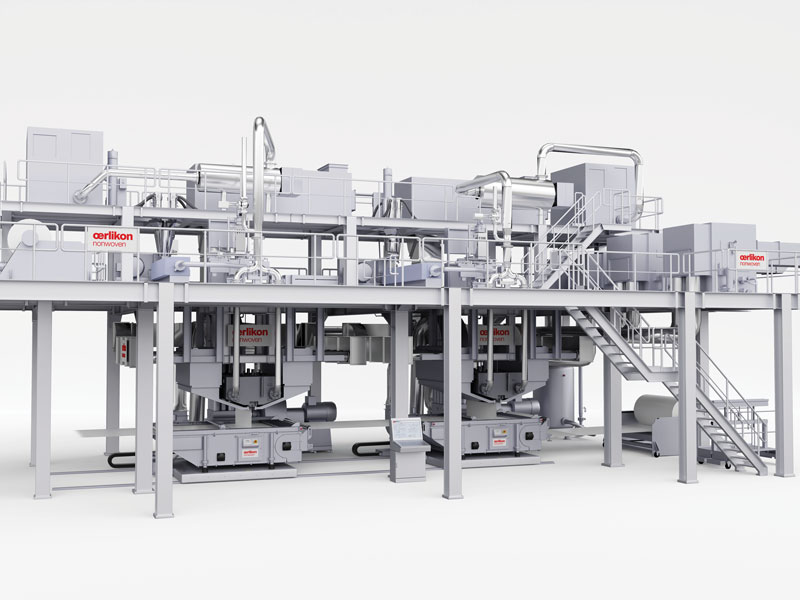
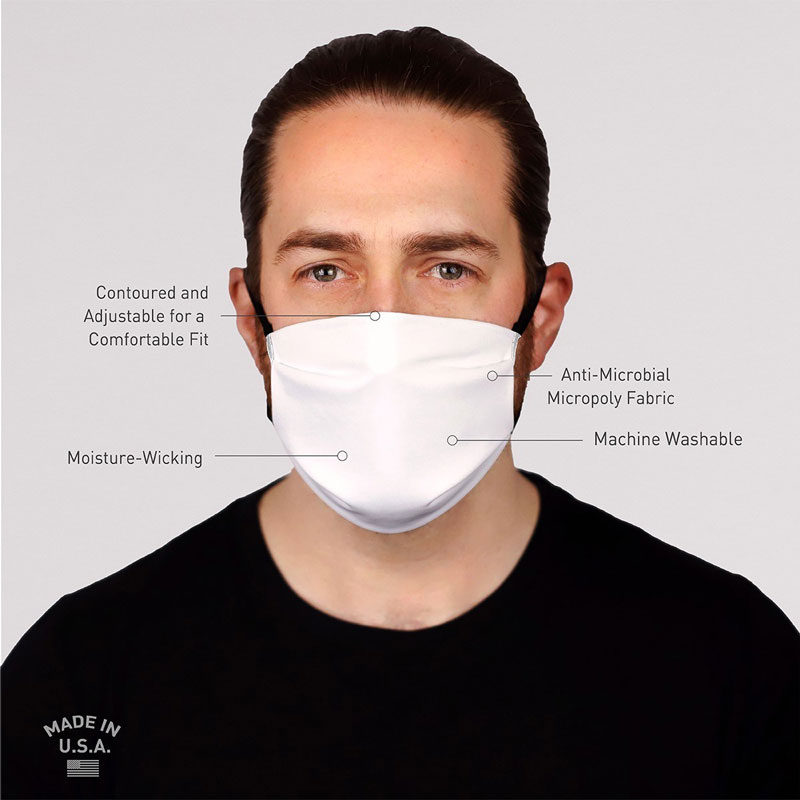
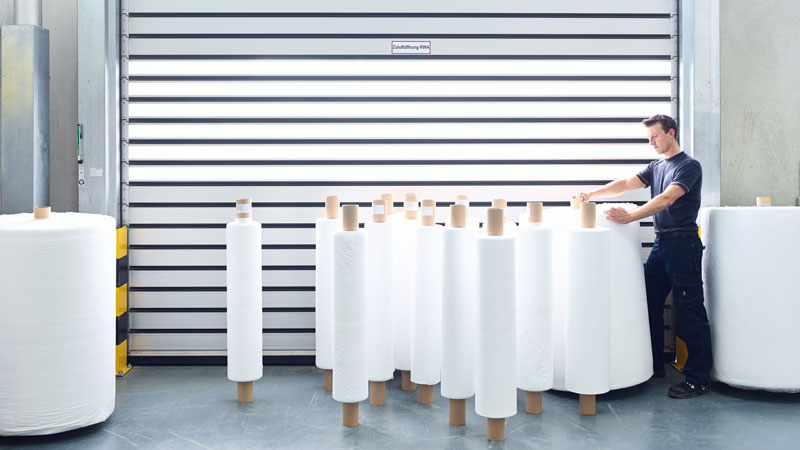
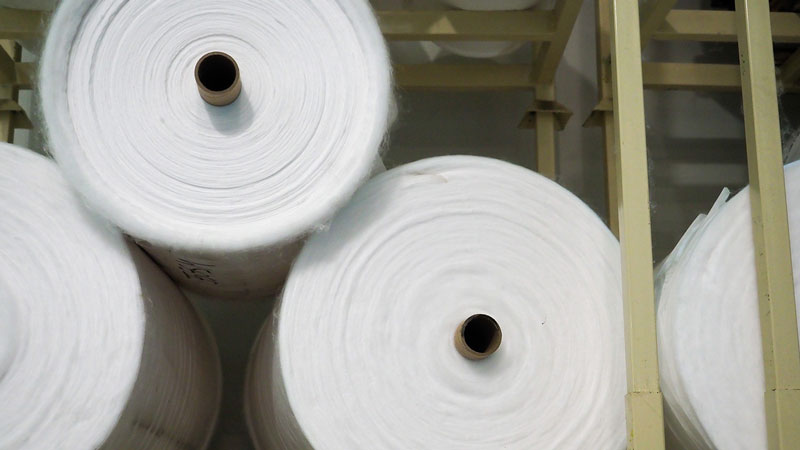
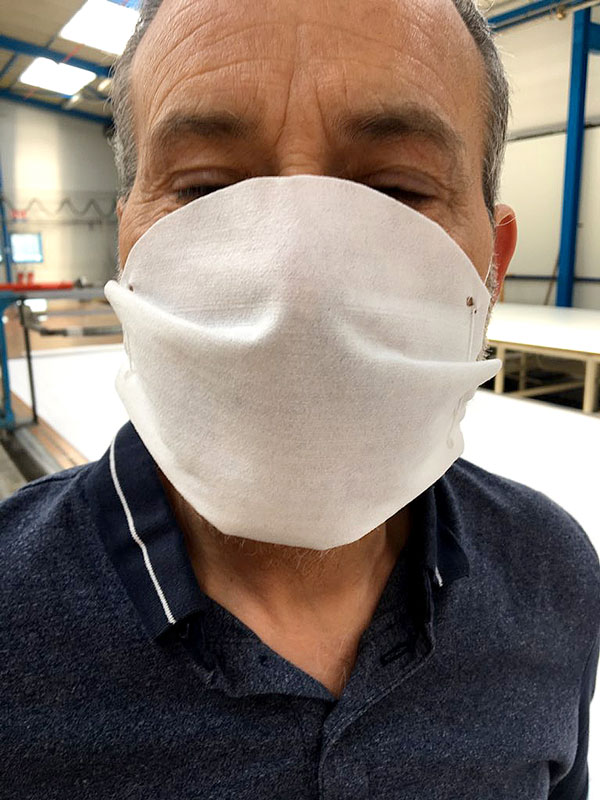
Oerlikon Nonwoven is using its meltblown technology to produce filter media for more than 1 million protective face masks.
Germany-based Oerlikon Nonwoven recently converted laboratory equipment at its R&D Center — typically used for development work and customer trials — to production-scale manufacturing. After realizing the demand could not be met with its initial small runs, Oerlikon invested to enable the equipment to run continuously.
“Since the beginning of the coronavirus crisis, we have received more than 500 inquiries that we are progressively dealing with,” said Andreas Frisch, head of operations, Oerlikon Nonwoven. “To be quite honest, we had initially not anticipated such tremendous interest. But the demand is there, and we quickly further adapted to the challenge.”
Berry Global Group, Evansville, Ind., has expanded its global capacity for Meltex™ meltblown nonwovens to support current demand. In North America, Berry converted a pilot line in Waynesboro, Va., to one that provides full commercial output.
The added capacity will be used for surgical-grade face masks as well as N95 and N99 respirators. In Berlin, Germany, Berry is installing a new production line — expected to be operational in October 2020 — that will focus on the production of highly efficient, premium FFP2 and FFP3 grade filter materials used in N95 and N99 products, respectively.
Berry also has extended its Synergex™ line with the launch of Synergex ONE media for face mask applications. The multilayer nonwoven composite material is produced in Europe and is intended to serve the European market.
“We are now beginning to see the localization of varying forms of equipment that produce materials for PPE, as countries and governments look to be able to react with speed to any future outbreaks,” said Cedric Ballay executive vice president and general manager for Europe in Health, Hygiene, and Specialties.
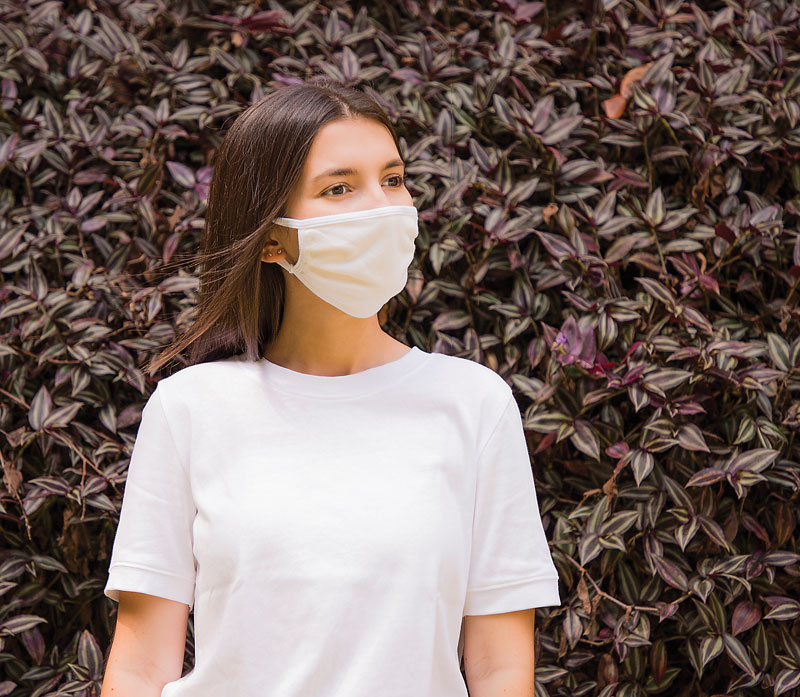
A coalition of textile companies led by Parkdale is making a 3-ply knit cotton face mask.
The global pandemic has the textile industry cooperating in ways not typically seen as it works to meet the need for medical PPE.
By Rachael S. Davis, Executive Editor
As the globe grapples with a pandemic the likes of which hasn’t been seen in more than a century, the textile industry is stepping up and banding together in truly inspiring ways.
The U.S. textile industry — a much maligned industry in recent decades that many observers long ago wrote off — has been energized by the call to help provide personal protective equipment (PPE) as the country is faced with a dire shortage of disposable PPE for its front-line medical personnel.
From the largest to the smallest companies and from the history-rich, legacy companies to businesses relatively new in the textile landscape — all are pitching in during this time of need. Raw material suppliers and machinery companies, yarn spinners, fabric producers, finished goods manufacturers, apparel companies and brands are working alone or collaborating to make a difference.
Industry associations also are lending a hand by helping match companies in the supply chain who are looking for ways to help, but need assistance — either materials, servies or advice — to get started. One such organization, the Atlanta-based Americas Apparel Producers’ Network (AAPN), established an online bulletin board named the “Sourcing Center” back in March. “Anyone interested in participating could login to the Sourcing Center and post their needs and capabilities for others to read and respond to,” said Mike Todaro, AAPN’s managing director.
Facilitated by AAPN President Ed Gribbin, the online message center enabled AAPN to identify producers, qualify prospects, learn about U.S. Food and Drug Administration (FDA) standards, assemble supply chains, build a resource check list and deliver product.
It was a great resource for AAPN members, but the association knew more could be done. According to Todaro, AAPN recognized it had the ability to connect people throughout the supply chain and across a variety of geographies, links in the supply chain and products, which led the association to open the Sourcing Center to non-members for a time.
“Without hesitation and with no motive other than to do the right thing, we wrote every organization we knew in this industry inviting their members into our network,” Todaro said. Members of the Industrial Fabrics Association International (IFAI), the Association of the Nonwoven Fabrics Industry (INDA) and SEAMS – the Association and Voice of the U.S. Sewn Products Industry, among others, jumped at the opportunity. In the space of eight weeks, the board amassed more than 50,000 pageviews with countless posts on a huge number of threads. AAPN also was able to deliver 100,000 gowns to Emory Healthcare in Atlanta.
“The support we received from other association managers and their senior members was instant and spectacular” Todaro noted. “We were united by one cause — to create compliant spec packs, find fabric, identify cut/sew factories, and get masks and gowns into hospitals and onto healthcare workers.”
The network is now back “in-house” for AAPN members only, but the association has created a new level of AAPN membership it calls the Cloud Member — a low-cost membership option that grants participants access to the sourcing discussions, AAPN member emails and virtual events.
What To Make?
There is no one-size-fits-all approach to PPE. While during the pandemic, the term PPE has become a household name now in everyday use, from a regulatory standpoint, there is a clear difference between PPE used in a healthcare or occupational setting versus face coverings used by the general public (See “Textiles & The Coronavirus (SARS-CoV-2),” TW, this issue). However, non-regulated face masks and gowns that may not quite meet the occupational definitions still have their place and are making a difference during the pandemic. The current Centers for Disease Control and Prevention (CDC) guidelines suggest that everyone wear a mask to protect themselves when outside, but more importantly, protect people around them who may be more vulnerable.
Whether wovens or knits, sewn or laser-cut one-piece masks, masks with value-added finishes or without, the industry is coming up with many creative ways to use the available fabrics, machinery and technology to solve the problem and meet a need.
Perhaps the most prominent and largest effort is led by Gastonia, N.C.-based Parkdale Inc. Dr. Peter Navarro, assistant to the president and director of the White House Office of Trade and Manufacturing Policy, called Parkdale’s Chairman and CEO Anderson D. “Andy” Warlick to ask how the textile industry could help with PPE production. “I told him we can actually make masks if we can get a machine over here from Asia, but that could take up to six months for delivery,” Warlick said. With an immediate need for PPE, the conversation turned to what could the industry do with the available manufacturing capacity, materials and resources on hand to make a face mask. Immediately following the conversation, Warlick picked up the phone and began calling Parkdale’s customers to enlist their help.
“That’s how we built the coalition,” Warlick said. “Hanes was already working on a face mask and other companies were cutting and sewing items. So, we banded together and developed one design to get started.” The resulting coalition, put together in about two-and-a-half days, comprises textile companies and apparel brands from throughout the supply chain who are working together to produce face masks and also gowns.
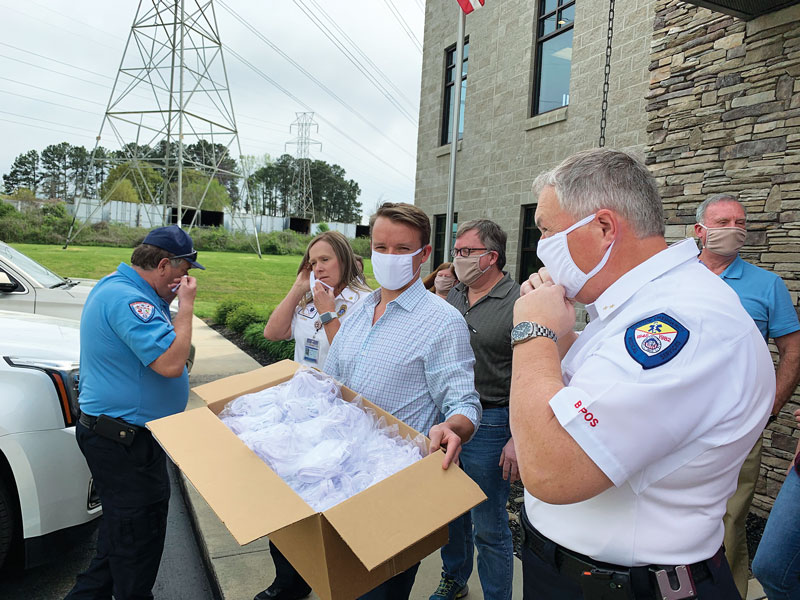
Beverly Knits’ representative Parker Sytz (center) recently donated face masks to Gaston Emergency Medical Services in Gastonia, N.C.
Companies who joined the coalition in the early stages includes Hanesbrands, Fruit of the Loom, American Giant, Los Angeles Apparel, AST Sportswear, Sanmar, America Knits, Beverly Knits and Riegel Linen. But as the initial members reach out to companies in their networks to collaborate, the coalition is growing. Parkdale is working directly with more than 20 companies currently, and Warlick said the extended network totals approximately 50 companies.
“As you can imagine, bringing together a group of competitors wasn’t going to be an easy thing, except for the fact that Parkdale wasn’t a competitor to any other coalition member,” Warlick noted. “This made it easier for me to bring people together and lead and organize the effort.”
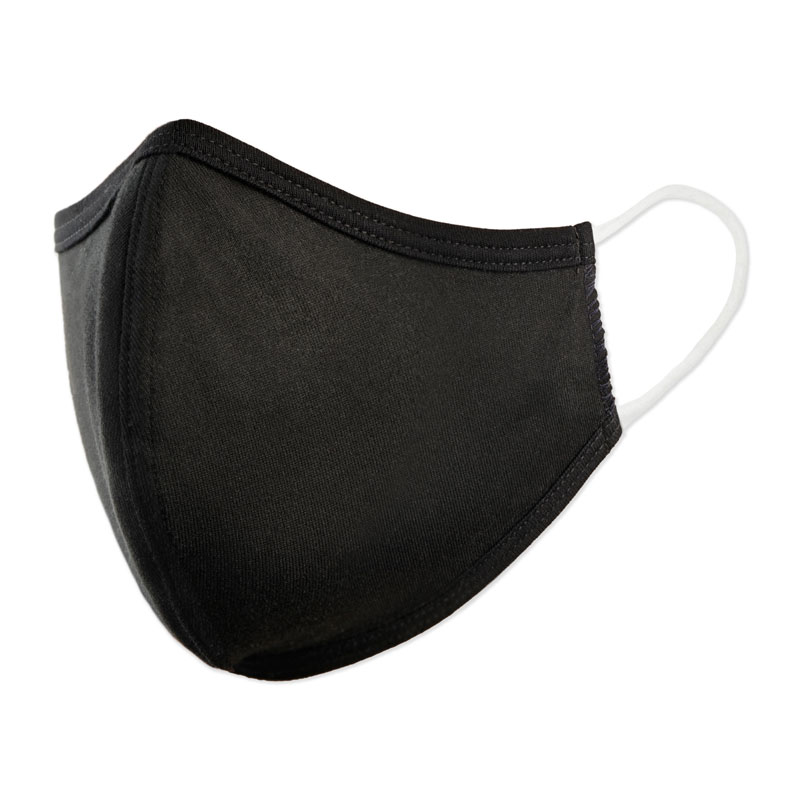
The mask is a 3-ply cotton construction made using a 4-ounce knit jersey fabric that is finished with an antimicrobial silver and copper-based chemistry. Warlick is quick to point out however, that the mask is not intended for medical environments and the companies involved do not make any claims about antiviral protection or infection prevention or reduction, among other claims. “If we could have made N95 masks, we would have made N95 masks,” Warlick said. “But that wasn’t possible. So, we’ve done the next best thing we could do, which is to offer another level of protection.
“The great thing about this coalition the number of companies that are involved,” Warlick added. “It’s thousands of workers in the United States alone, and then when you expand out the supply chain to Central America to customers and factories there who are working with adjacent factories, it really strengthens the customer base. It’s helping companies not lose money or go out of business at a critical time when retail is virtually shut down. There’s thousands of people that have been mobilized for this cause, and it’s a great story that I’m proud to be a part of.”
“I do think after the immediate needs are met there are going to be opportunities that I hope the coalition can take advantage of,” Warlick said. “Not just in working together, but also in the PPE business, which would be good for the textile industry.”
Keeping Plants Running
Contempora Fabrics, Lumberton, N.C., joined the growing list of coalition companies when it received a call from Beverly Knits, Gastonia, N.C., who was looking for jersey knit fabrics for the masks. Contempora’s President Ronald Roach said for the first time in his career, the company had just furloughed most of its employees on a Friday because business had basically come to a halt, when the opportunity to make masks materialized. “Our quality control manager made a few masks that we started to present to the market,” Roach reported. “Over the next two days, we were able to secure enough business to bring 70 percent of our furloughed people back to work that Tuesday.” The company quickly set about making fabric for masks and gowns, as well as actually making masks — a completely new endeavor.
Contempora is an employee stock ownership company where its employees own shares in the business. Roach said: “The catalyst to make the change quickly was to not only help out with what we could provide in the way of PPE, but was also protecting the franchise of the company along with our employee owners. Getting them back to work was a priority, but only if we could do it safely. We had to put in a lot of new procedures to be able to work safely while social distancing.”
As a producer of fabric for team sports, athletic apparel, military and other apparel categories, Roach reported there was a huge learning curve as the company learned about PPE. “There was an even bigger learning curve as we started producing our own masks, especially since we own no sewing equipment!”
Contempora relied on the expertise of other companies in the textile supply chain to ensure its finished products were produced using the right materials and met testing requirements. Carolina Cotton Works and Deep River Dyeing assisted with antimicrobial treatments and durable water repellents; and ImagineKnit Global made sure Contempora was adhering to proper labeling and product claims from a testing and regulatory standpoint. Clothier Design Source, OnPoint Manufacturing and Apparel USA all played a role in getting Contempora set up and running with mask-making capabilities.
“Two organizations that played a vital role for so many of us was AAPN and SEAMS,” Roach noted. “The AAPN Sourcing Center was able to provide everyone in the supply chain a contact for any service or component in real time. Then when the center opened up to SEAMS members, it exploded with helpful information.
“I have watched our company completely transform from a fabric supplier for sports to running fabrics for PPE,” Roach continued. “We also set up mask manufacturing at six different U.S. locations, and then brought on mask production out of Nicaragua and Mexico when we couldn’t keep up with demand here in the United States.”
Retooling To Make Testing Swabs
When swabs for COVID-19 testing became critically low, another Parkdale-owned company U.S. Cotton retooled equipment at a facility in Cleveland running cotton fiber for cotton swabs to run polyester for test swabs. “If we could have used cotton for the test swabs, then overnight we would have been able to cover the country and the world up in cotton swabs,” Warlick said. “But cotton has its own DNA, and that can lead to false negatives in testing.” U.S. Cotton worked with the White House and the Gates Foundation on the project, and now is shipping the test swabs to sites where they are needed.
Reusable Instead Of Disposable
Some companies are offering an alternative to disposable products with their reusable medical fabric options. Spartanburg, S.C.-based Milliken & Company has pivoted its textile manufacturing to focus on advanced medical textiles. Milliken Perimeter™ fabrics and barriers are available in Level 1, 2 and 3 options for different medical environments and products including gowns, scrubs, lab coats and hospital privacy curtains. Each product is tested to the ANSI/AAMI PB70 Standards. Milliken fabrics are complemented by its BioSmart™ antimicrobial technology, which harnesses the power of bleach to kill up to 99.9-percent of common bacteria on contact, according to the company. Milliken reports it also is researching and developing materials for incorporation in N95 masks.“We have focused our development and manufacturing processes to help fight the battle against COVID-19,” said Halsey M. Cook, Milliken & Company’s president and CEO. “We began by engineering our existing textiles into medical-grade fabrics for PPE, and we will continue to seek critical solutions as we navigate this uncharted territory as a company, a nation and a world.”
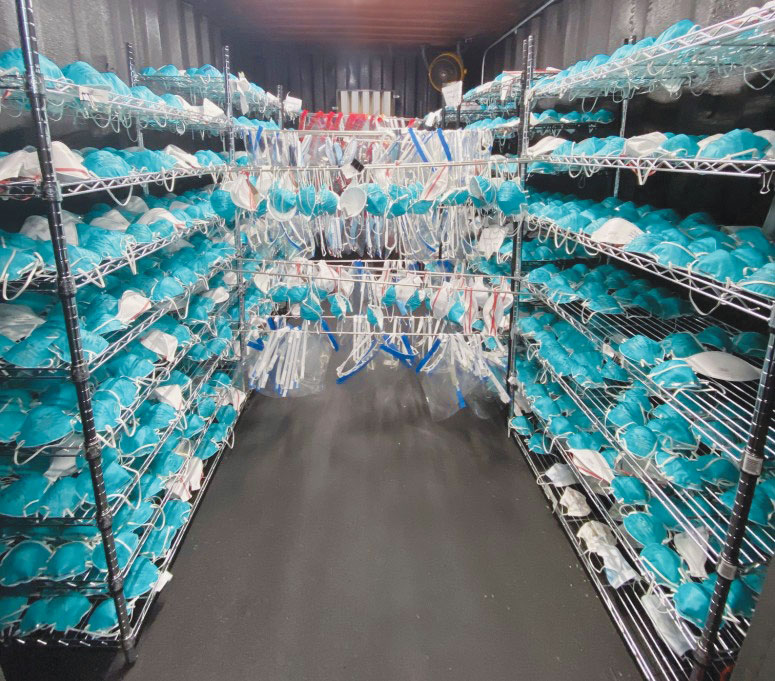
Masks ready for decontamination using Batelle’s Critical Care Decontamination System™
Instead of making PPE to combat the shortage, Battelle — a Columbus, Ohio-based global research and development organization committed to science and technology for the greater good — has brought to the industry a way to extend the life of disposable PPE through its Critical Care Decontamination System™ (CCDS™). The system is capable of rapidly decontaminating N95 respirator masks by exposing the used respirators to a concentrated vapor phase hydrogen peroxide (VPHP) for two-and-a-half hours to remove biological contaminates including SARS-CoV-2. CCDS was the result of a 2016 research project conducted by Battelle on behalf of the U.S. Food and Drug Administration (FDA). This year, further testing showed the CCDS rendered SARS-CoV-2 and other pathogens non-infectious on N95 respirators.
The FDA recently granted Battelle an Emergency Use Authorization (EUA) to decontaminate used N95 respirators up to 20 times — a number of cleanings through which the filter material has been shown to remain intact, exhibiting no degradation and therefore remaining safe for reuse.
The EUA allowed Battelle to begin a collection process whereby the company collects worn masks from enrolled healthcare systems, transports them to an active Battelle CCDS site, decontaminates the masks and returns them. A barcoded serial number tracks the mask through the process ensuring it is returned to the same hospital system. Each mask is also marked to denote the number of times it has been cleaned for reuse. According to Battelle, including shipping times and depending on the number of masks received for processing, hospitals can expect to receive their cleaned masks back in 7 to 10 days.
“The response has been overwhelmingly good, and now Battelle has been awarded a $415 million contract by the Defense Logistics Agency on behalf of the U.S. Department of Health and Human Services to support development, deployment and operation of some 100 systems across the United States,” said Dr. Vicki A. Barbur, senior director, Partnerships and Technology Commercialization, Battelle.
A Need For Meltblown, Spunbond Nonwovens
Nonwovens are the optimal material for the N95 masks that are most needed by the front-line medical workers who are treating patients with COVID-19. However, prior to the pandemic, the United States relied on Asia for some 80 percent of its nonwovens-based N95 masks, according to INDA President Dave Rousse.
“There are now several key policy makers and administrators in our military and our government who have a new knowledge and appreciation for the role that nonwovens play in personal protective equipment,” Rousse said. “We have worked with folks at FEMA, the Department of Defense, the White House, EPA, FDA, NIOSH, and more, to connect producers of various nonwovens with converters of PPE.” Rousse reports INDA has also been able to connect some nonwovens producers with sources of funding for new meltblown equipment to make the filter media required for N95 respirators.
Rousse’s big concern for the future is will the nonwovens supply chain for masks revert back to Asia with its low pricing as soon as the situation abates? “Or will policy makers develop some kind of ‘Buy American’ plan or National Stockpile or both to provide some continuity of demand for the new investments?” Rousse questioned. He also mentioned that liability protection concerns need to be addressed so the country can be better prepared for possible future pandemics.
The Nonwovens Institute (NWI) is a global partnership among industry, government and academia dedicated to the development of engineered fabrics located on the Centennial Campus of NC State University in Raleigh, N.C. With full support of the university, “NWI is dedicating its meltblown and spunbond nonwoven making facilities and expertise” to manufacture both of these nonwoven materials commonly used to make N95 respirator and surgical face masks.
“NWI was eager to help join the fight against the novel coronavirus and given that NWI has been working in the field of filtration and separation for many years and using that know-how, very quickly developed several alternative facemask materials,” said NWI’s Executive Director Dr. Behnam Pourdeyhimi, who is also the NC State Wilson College of Textiles’ associate dean for industry research and extension, and William A. Klopman distinguished professor.
However, running production-level amounts of nonwovens requires raw materials that the institute did not have on hand. Enter NatureWorks and ExxonMobil — both long-time partners of the Nonwovens Institute (NWI) that are contributing to the institute’s PPE efforts by donating raw materials.
Minnetonka, Minn.-based NatureWorks donated Ingeo™ resin, a polylactic acid biopolymer, that NWI is using to produce spunbond nonwovens for N95 surgical masks. “… We took the spunbond technology and created a new generation of unique filters that have excellent filtering capability without needing to be charged, meaning they can potentially be reused after cleaning with peroxide, or an alcohol solution,” Dr. Pourdeyhimi said. “Because these materials are also strong, they can be cut and sewn by traditional techniques.”
ExxonMobil, Irving, Texas, has donated a total of 146,000 pounds of its ExxonMobil™ PP3155, Achieve™ Advanced PP6926G2 and Vistamaxx™ 8880 performance polymers to NWI through LINC, a non-profit NWI affiliate. Channel Prime Alliance handled delivery of the product. NWI is using the polymers to produce spunbond and meltblown nonwovens, which are being used as the outer and inner layers of the face masks respectively.
“There is a global shortage of materials and securing supply is a key factor in NWI’s ability to create nonwoven filter media,” Dr. Pourdeyhimi noted. “Natureworks and ExxonMobil are long time partners of NWI and not only secured the supply for NWI, they also donated significant amounts of the polymer to help NWI in its fight against the novel coronavirus. Without their partnership, we would not be able to do what we are doing today.”
According to Dr. Pourdeyhimi, there are two critical shortages in the United States for nonwovens manufacturing. “The first is capacity for base nonwoven materials — especially meltblown filters; and the second is converting machinery to form masks.”
NWI also has invested in mask-making equipment that will soon arrive at the institute. Dr. Pourdeyhimi observed that the ability to make masks also gives the institute the opportunity to develop new structures not previously used for masks. “Our machines will be used to manufacture classical masks,” he said. “However, NWI also will create new structures that will serve as a platform to redefine the future of how masks are made.
“It will take several years before we see the impact of the current crisis on new, innovative solutions,” Dr. Pourdeyhimi said. “I am certain we will see a surge in patents being filed on various forms of masks from the classical styles, to 3D printed, and beyond!”
The Future For The Industry And U.S.-Made PPE
No-one yet knows the full impact of the virus on the supply chain and what the textile industry looks like when the immediate need for massive quantities of PPE abates. But the general outlook seems positive.
“I do think the U.S. textile industry has proven that we have some of the most creative minds in the world,” Contempora’s Roach said. “The collaboration between companies, competitors and organizations has been incredible. It is also apparent to all of us that the reliance on Asia is not a good position to be in. The role that NCTO [National Council of Textile Organizations] has played in securing business here in the United States has been outstanding.”
Parkdale’s Warlick said he thinks the government’s understanding of the relevance of the U.S. textile industry has changed as a result of the pandemic. Speaking of NCTO he said: “I think NCTO’s President and CEO Kim Glas has done a good job of making sure that Washington sees what the textile industry is doing. And I do think there’s more interest and more talk on the Hill about legislation that quite frankly wouldn’t be happening if the industry hadn’t stepped up. I do believe the industry’s recent collective efforts have helped the textile industry.
“Individually, I hope a lot of textile companies go into the PPE business because it’s good for the textile industry,” Warlick added. “It’s just another way companies can survive, and I hope we thrive!”
1 of 38
The large growth in demand for fabrics by home sewers making masks has led on-demand digital textile printing company Spoonflower Inc. to expand production and hire new employees at its facility in North Carolina
Dow collaborates with multiple partners to develop and donate Level 2 medical isolation gowns
Los Angeles-based
Bella+Canvas pivoted production to
make no-sew masks instead of its premium T-shirts.
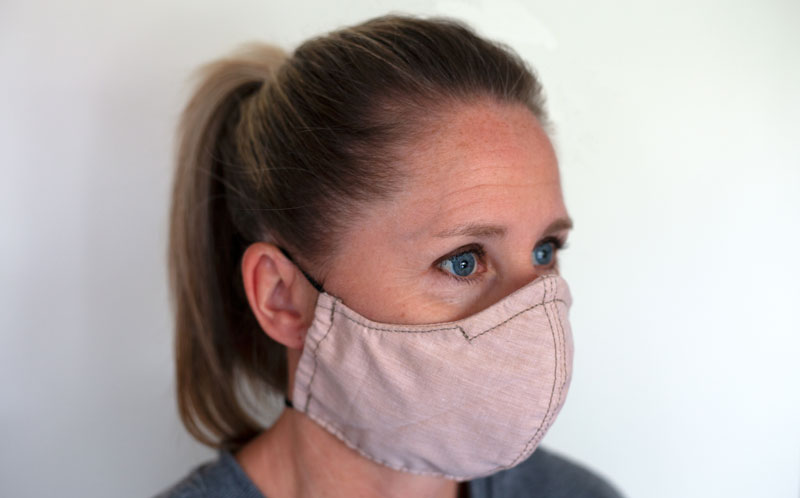
Allied Home pivoted production to create cotton face masks.
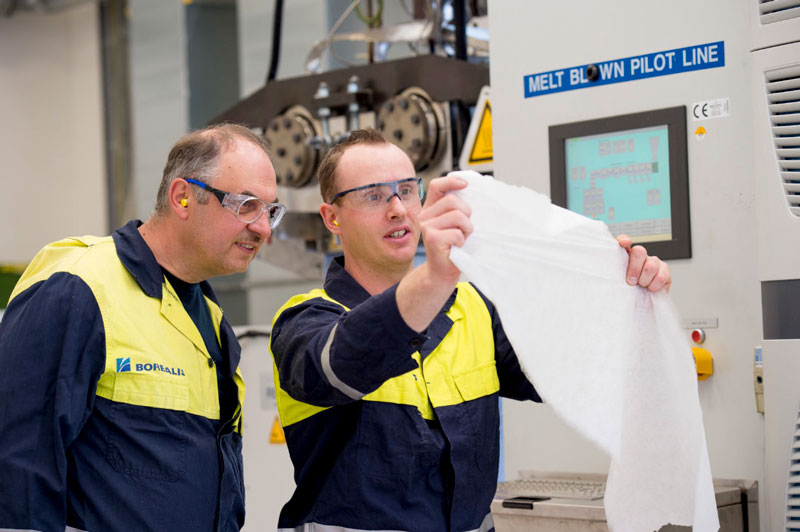
Borealis has started production of meltblown fabrics for face mask applications on its unique pilot line in Linz, Austria.
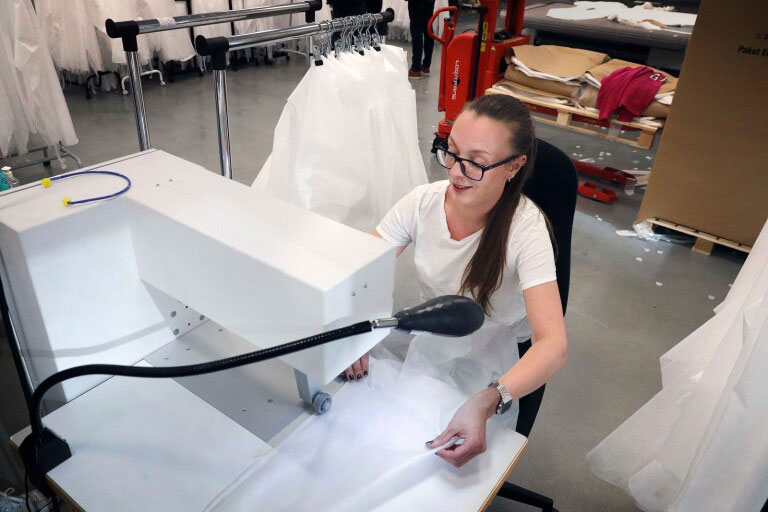
Jessica Eckerström usually works at ACG Group’s Eskil printing plant, which has reduced order intake. She is now working on the production of protective garments. “It great to be able to help, and fun too,” she reports. Image courtesy of BoråsTidning.
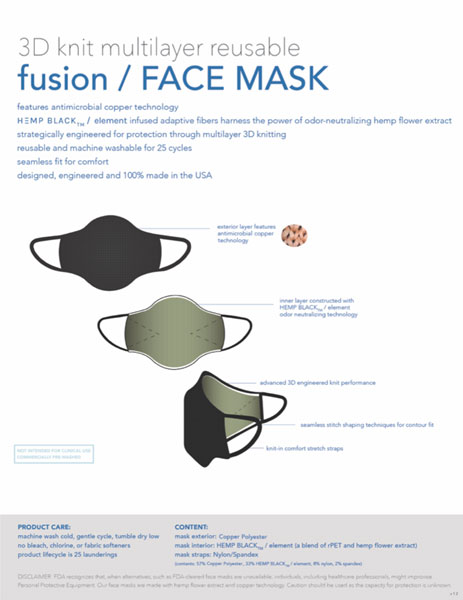
Ecofibre Ltd. has commenced distribution of Hemp Black face masks across the United States.
Designtex is using sheets donated by partner West Elm to manufacture 13,000 cotton face masks in its state-of-the-art Surface Imaging facility in Portland, Maine, to support COVID-19 pandemic efforts.
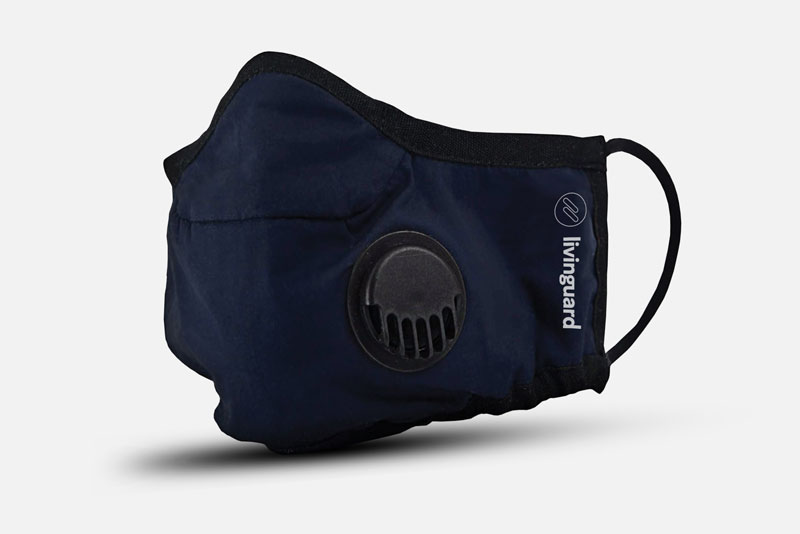
Livinguard reports that textiles treated with its disinfecting technology can destroy pathogens of all kinds upon contact including Human coronavirus 229e. The technology currently is being applied to face masks, but may be used on any textile, according to the company.
Coal Headwear shifted its manufacturing operations to face mask production.
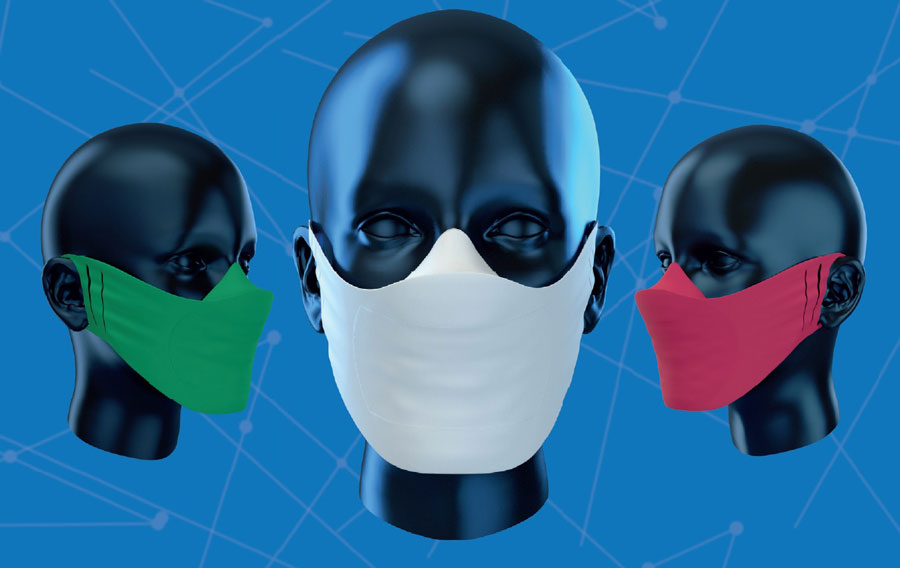
Warp knit seamless (WKS) specialist Cifra S.p.A., Italy, has engineered and produced a range of protective masks called Warp-Mask, which will be used to help in the country’s fight against COVID-19.
StringKing, a small sporting goods and apparel manufacturer based in Los Angeles, has pivoted to supply millions of face masks and other PPE for general use by hospital systems, essential personnel, and the general public. It is currently producing more than 6 million 3-ply disposable face masks, 3 million protective gowns, and 300,000 reusable cloth face masks just a few weeks after beginning its transition.
Germany-based Karl Mayer developed face masks that can be made on its machines in high numbers and in a one-step production cycle. According to the company, one of its double needle bar raschel machines enables the production of roughly a quarter of a million masks per month.
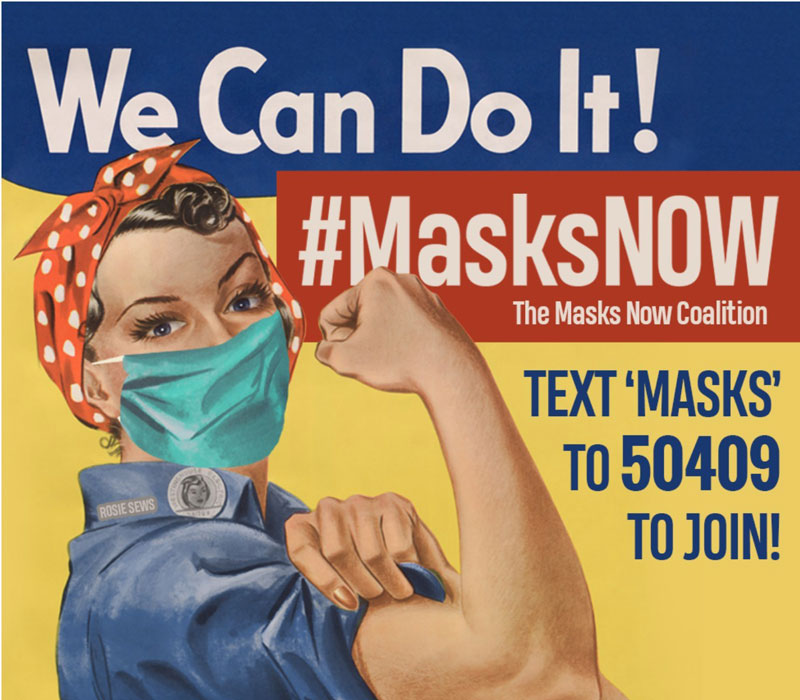
The Masks Now Coalition, a grassroots effort to recruit sewers and non-sewers to make masks and distribute them to facilities where they are needed, provides a mask design that is fully compliant with the CDC guidelines to anyone who sends a text.
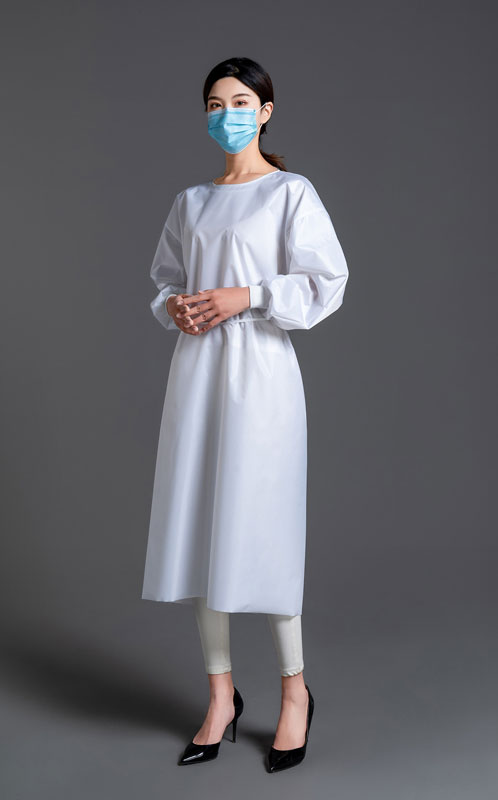
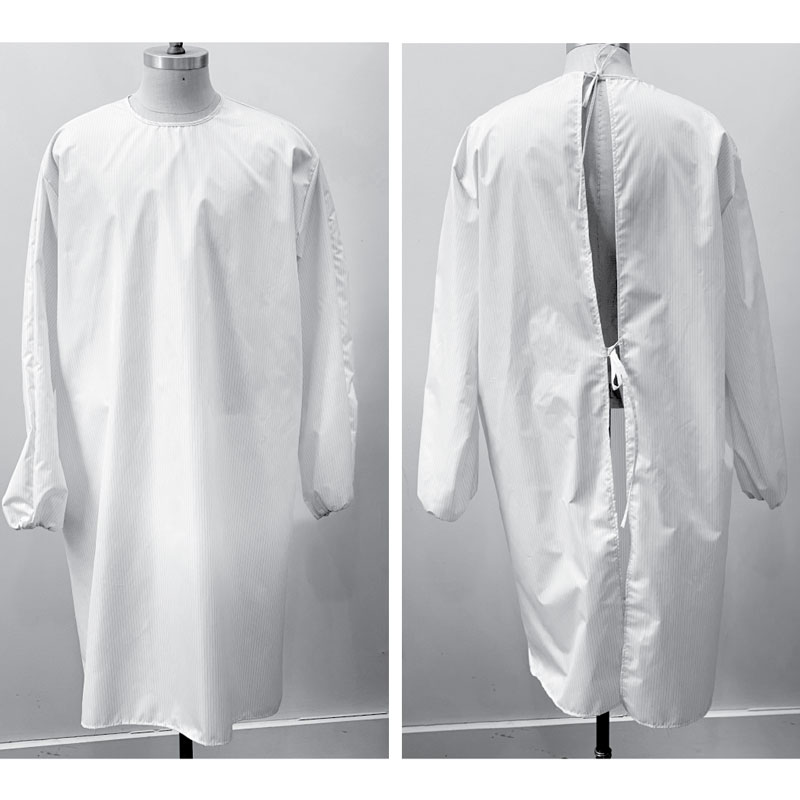
With the surge in demand for gowns during the coronavirus pandemic the traditional supply chain has not been able to keep up, so Global Protective Gear created a fabric to help solve the current isolation gown shortage.
Ingeo spunbond nonwoven
Accel Lifestyle is using its Prema® fabric to make a two-layer, antibacterial face mask
United Kingdom-based manufacturer Promethean Particles is collaborating with textile companies and leading research facilities to explore the anti-viral effects of its novel copper nanoparticles designed for use in fabrics and personal protective equipment (PPE) for the healthcare sector.
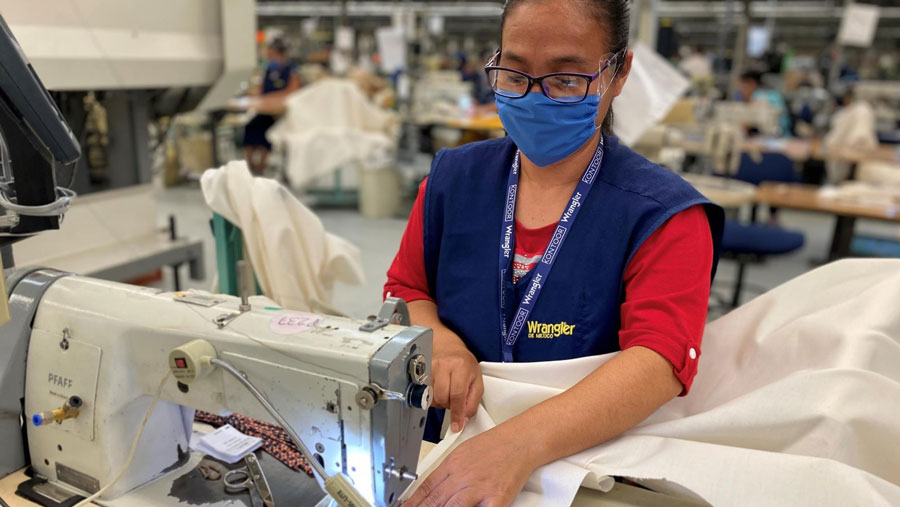
Kontoor Brands is producing patient and disposable isolation gowns at its owned and operated facilities.
Beverly Knits representative Parker Sytz donated face masks to Officer Keith McCabe of the Gastonia Police Department in Gastonia, N.C.
Cupron Inc. supplied 25,000 reusable face masks made using its copper-infused medical textiles to University Hospitals in Cleveland, which will use the masks for caregivers not treating COVID-19 patients to free up surgical and N95 masks;
Burlington partnered with Ralph Lauren to create isolation gowns for COVID-19 frontline workers
Miller Weldmaster collaborated with other local northeast Ohio manufacturers to create and develop an emergency field hospital cot.
Shima Seiki has released more than 20 face mask patterns that may be knitted using its flat-bed knitting machines. The patterns are available for download at the company's website.
Swift Brands announced that it has launched the Swift Million Challenge designed to get as many Americans as possible to wear a mask and help flatten the COVID-19 curve. For every mask purchased by a customer, Swift Brands will donate a mask to the hospital, senior center or other place in need designated by the customer.
ISAIC, Industrial Sewing and Innovation Center (CEO Jen Guarino pictured), the national sewn goods manufacturing and training nonprofit based in Detroit, is producing millions of pleated medical grade masks and thousands of sewn surgical masks and isolation gowns through a single coordinated effort designed to also support local businesses and keep workers employed.
Germany-based Reifenhäuser Reicofil has converted its own meltblown test lines to production and is supplying material for up to 1 million face masks each day.
Gerber Technology has created the Gerber PPE Task Force and Resource Team to support its global customers and partners as they work to increase production or transition to making PPE.
The Nonwovens Institute is using its in-house equipment to manufacture nonwoven fabric for face masks. Photograph by Marc Hall
Omega Systèmes, a Web Industries company, is shipping 900,000 personal face masks approved by the French General Directorate of Armament to the Ministère des Armées for distribution to food manufacturers, supermarkets and nursing homes conducting business in France.
Canada Goose delivered 14,000 units of medical gear to Canadian hospitals and reopened six more facilities to ramp up production of PPE with the help of 900 employees.
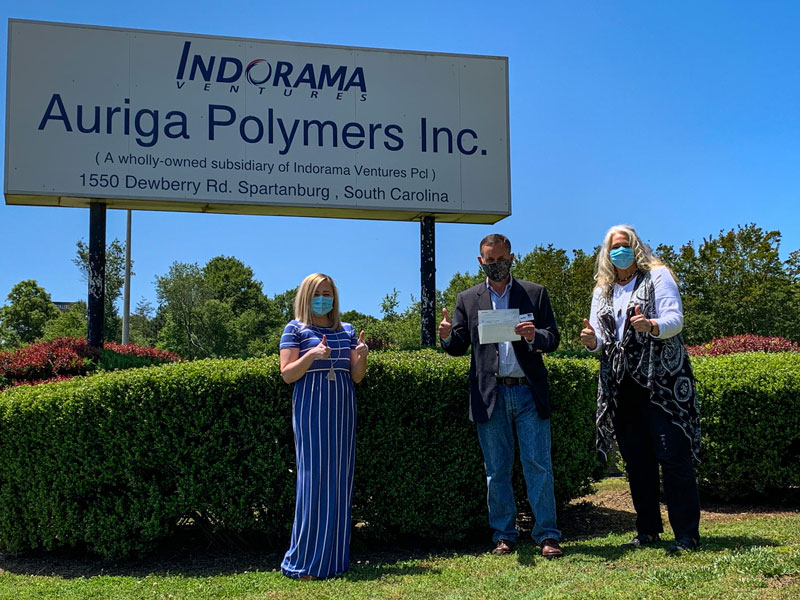
Auriga Polymers Inc., a manufacturer of polyester resins and specialty polymers in South Carolina, donated $40,000 to the COVID-19 Crisis Relief Fund of the United Way, a non-profit organization aimed at supporting charities and communities that are most in need.
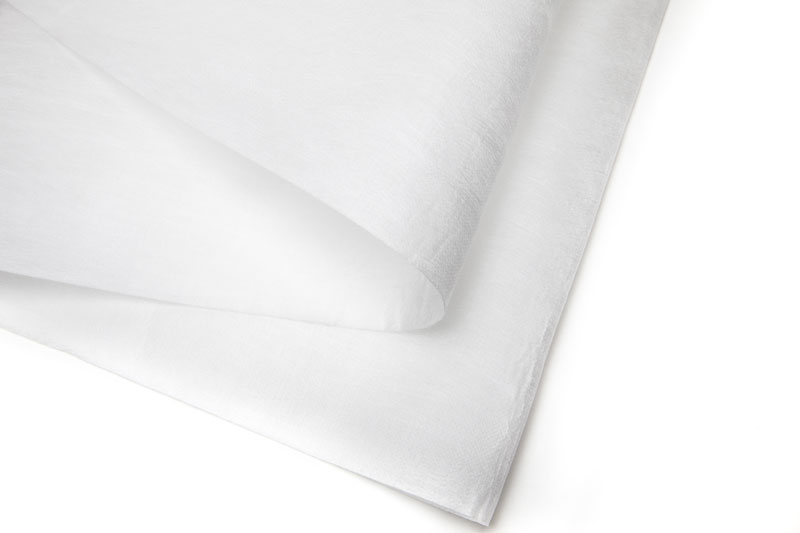
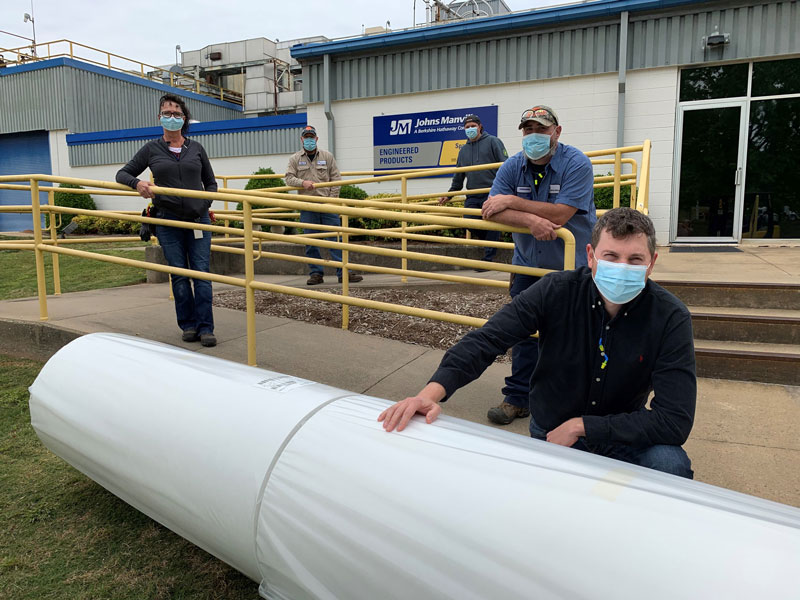
Johns Manville employees in Spartanburg, S.C., pose beside the nonwoven fabric that will be used for manufacturing of urgently needed disposable medical gowns used in the fight against the spread of COVID-19.
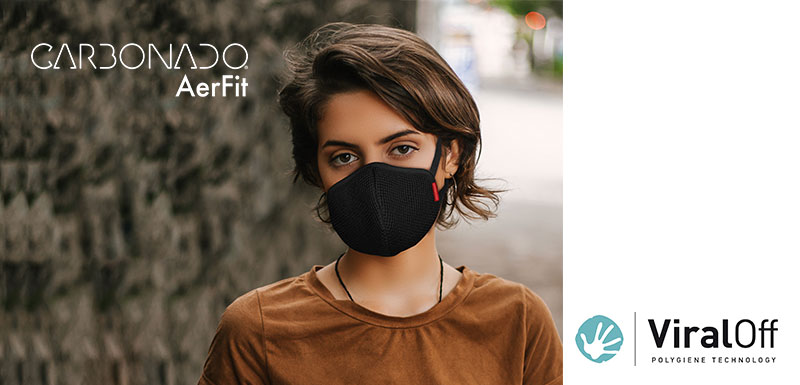
Carbonado, India, is applying the ViralOff® textile treatment from Polygiene to its new AerFit NEO respirator masks.
Metro Screenworks has added VirusGuard, a virus-filtering material, to its product offerings. VirusGuard can be utilized in several applications including face masks.
Seiko Epson Corp. is using its Dry Fiber technology to manufacture face masks from functional fibers.
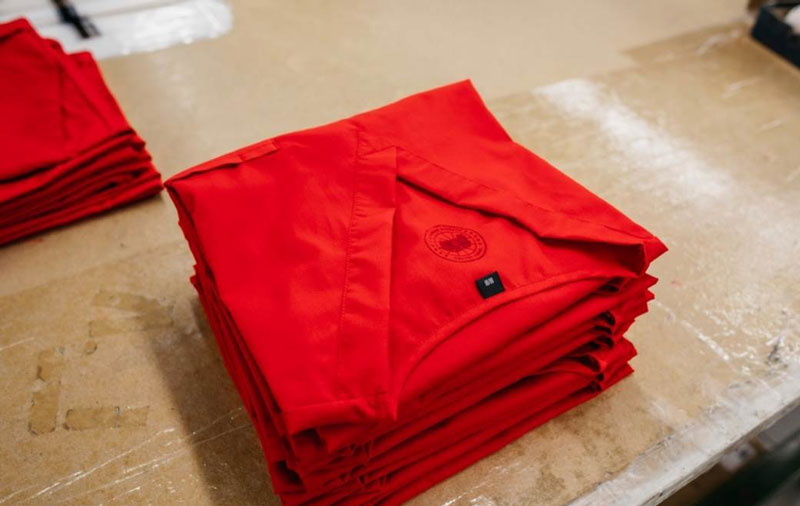
Workwear company Carhartt shifted production to make 50,000 medical gowns and 2.5 million masks. As long as these critical items are in short supply, Carhartt will continue to assist in production.
PPE manufacturer and supplier Radians donates over 14,000 N95 respirators to help protect Memphis first responders and medical community during COVID-19 crisis.
Personal protective equipment (PPE) is a term used for workplace protective equipment that is regulated by OSHA and other agencies. Image: EVG Photos/Pexels.
Understanding the regulations and critical characteristics of personal protective equipment (PPE)
By Dr. Davis Lee; Dr. Erin Kirkpatrick; Dr. A. Sydney Gladman; Dr. Emily Fitzharris; Michael Posson, M.P.H., CIH; and Dr. Mark Roberts1
Textiles have long been used in protective coverings2, including gowns, coveralls, caps, and face coverings. In recent months, there has been much interest and activity from the healthcare industry, broader workforce, and general public regarding the use of protective coverings to reduce the risk of infection by the novel coronavirus (SARS-CoV-2). Consequently, there has been a sharp increase in demand for these products.
In addition to regular use of personal protective equipment (PPE) in healthcare and occupational settings, this increased demand results from the Atlanta-based Centers for Disease Control’s (CDC’s) recommendation that the public wear “simple cloth face coverings to slow the spread of the virus and help people who may have the virus and do not know it from transmitting it to others.”3 These face coverings are loosely defined as “simple cloth face coverings fashioned from household items or made at home from common materials at low cost.”3 By recommending the use of simple do-it-yourself (DIY) face coverings for the general public, has the COVID-19 pandemic created a unique opportunity for the textile industry to respond to the public need?
This article explores the regulations associated with PPE, surgical masks and unregulated protective face coverings. The specific regulatory definition of PPE, the performance standards and regulations that need to be met, and the pragmatic considerations related to fabric construction and end-use performance will be discussed. The information collected for this article is based on scientific and open sourced literature available at the time of this writing.
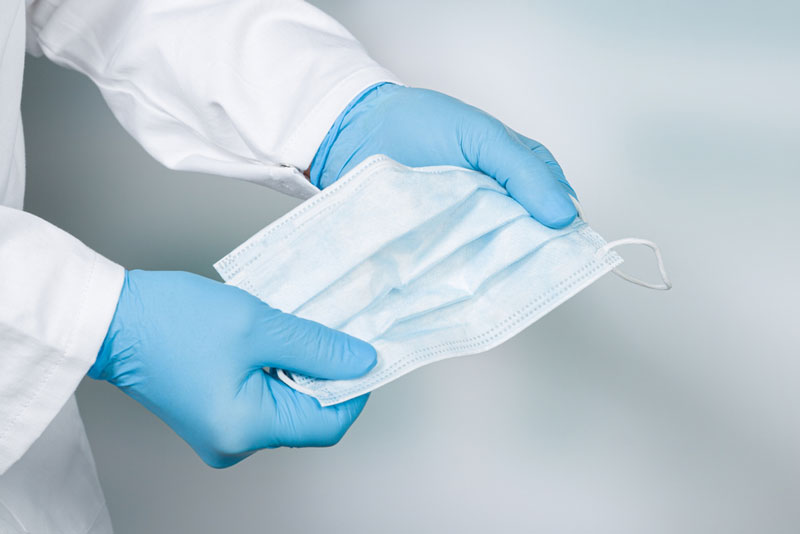
Surgical face masks typically are made using nonwoven materials. Image: Mika Braumeister/ Unsplash.
Understanding The Regulatory Complexities Of PPE: Who Makes The Rules?
PPE has become a household term, but regulatory complexities and associated performance requirements are not commonly understood. In fact, PPE is a specific term regarding workplace protective equipment that is regulated and enforced by the Occupational Safety and Health Administration (OSHA) and other agencies. OSHA defines PPE as “equipment worn to minimize exposure to hazards that cause serious workplace injuries and illnesses.”4 Especially within the context of disease transmission, it is important to note that PPE is designed to protect the wearer, not necessarily others who may come into close proximity to the wearer.
Much of the discussion regarding protective coverings as it concerns the current COVID-19 pandemic is focused on protective face coverings. Along with OSHA, the United States Food and Drug Administration (FDA) and National Institute for Occupational Safety and Health (NIOSH) have been involved in providing guidance for protective coverings. While collaborative, the respective roles of these agencies are different. The scope of the FDA’s authority includes regulatory oversight of medical devices.5 NIOSH, on the other hand, is a research agency attached to the CDC “focused on the study of worker safety and health, and empowering employers and workers to create safe and healthy workplaces.”6 NIOSH also is under the jurisdiction of OSHA, and is the certifying agency for respiratory protection in workplaces in the United States.
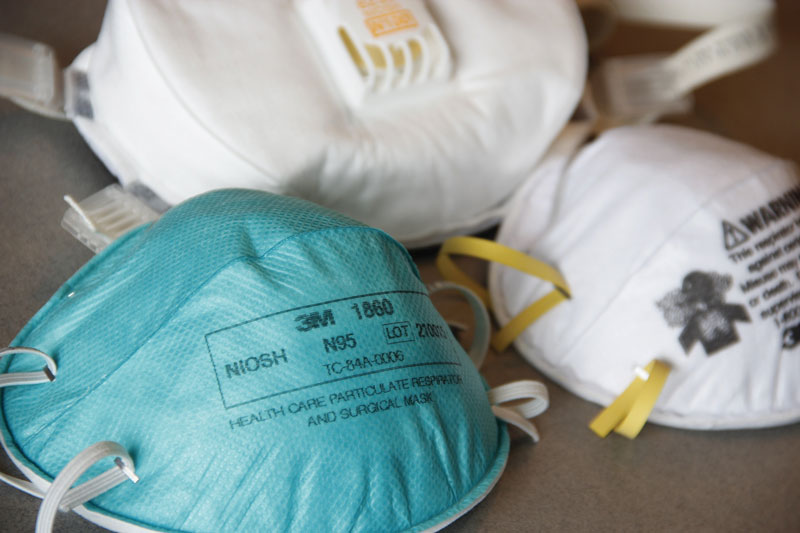
A variety of N95 respirator masks Image: CDC/Pexels
What Are The Regulations?
PPE has very specific regulatory meaning. With regards to protective face coverings, there is a clear regulatory difference between PPE used in an occupational or healthcare setting — for example N95 respirators or surgical masks — and face coverings that may be used by the general public such as DIY face coverings as described by the CDC.3 For example:
Properly fitted N95 respirators for industrial use are capable of filtering out at least 95 percent of 0.3 micron size particles.7,8,9,10 In the United States, PPE such as N95 respirators carry labels that designate the approval level — N95 — and approval by NIOSH under 42 CFR Part 84. NIOSH and the approved use — N95, for example — will be printed directly on the mask, and the packaging will be accompanied by information regarding OSHA compliance requirements and workplace hazards. In this case the employer is responsible for assuring that PPE is prescribed in accordance with the appropriate specifications, laws and regulations.
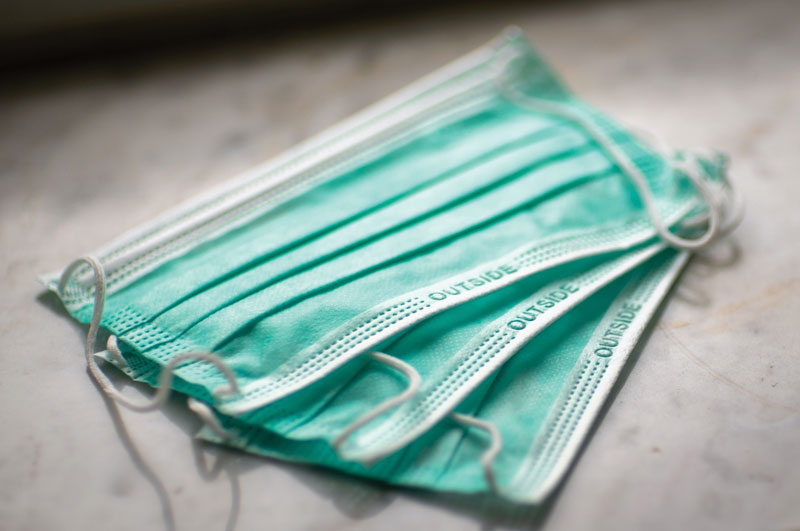
Surgical masks for medical use are cleared by the FDA as a medical device but may or may not have NIOSH labeling or certification, depending on the product class and code.8,9,11 Surgical masks differ from respirators in their indications for use. Specifically, the respirators are intended to filter small particles and bio-aerosols, whereas surgical masks are typically designed to fit the face more loosely and serve to act as a barrier to the transfer of large droplets of saliva and/or mucus.12,13
Face coverings for general public use as defined by the CDC do not currently have a regulatory mandate, and are not required to adhere to any governmental specifications or regulations.14 Likewise, protective face coverings colloquially referred to as “surgical masks” that are for general public use and intended for a non-medical purpose are not required to meet governmental specifications or regulations. Protective face coverings used in this context are not technically considered PPE.8,9,15
Regardless of the type of protective covering chosen, it should always be used in conjunction with appropriate and basic hygiene practices, such as properly donning and doffing coverings or PPE, and then washing one’s hands.16,17
What Are The Performance Standards?
If a respirator is to be used in a workplace as a PPE device under OSHA rule, it must go through a NIOSH certification process dictated in 42 CFR 84.18 There are also other performance requirements or industry standards associated with different types of PPE, for example ANSI/ISEA Z87.1,19 ANSI/ASSE Z88.2,20 and ASTM F2100.21 All of these are standards associated with the finished product. On the other hand, DIY face coverings, such as those recommended by the CDC, are not required to be tested under any government performance standards regarding filtration or personal protection.22 Thus, there is an opportunity for the textile industry to characterize typical functional properties and potentially develop minimum performance specifications based on current regulatory requirements of face coverings.
In addition to the product characteristics, a critical factor to consider with respirators and face covering performance is the fit to the user’s face. Airflow will follow the path of least resistance. If the covering does not tightly contour the face, air will leak through gaps between the face and seal, reducing filtration effectiveness. In this respect, there is a critical distinction between respirators — which are regulated under OSHA — and face coverings, which are recommended by the CDC for the general public. For example, N95 respirators used in medical or occupational settings are required to be fit-tested to ensure the individual fit and filtration efficiency for the user. Further, the user is required, as facilitated by the employer to undergo medical examination, training, and other requirements to assure that they are able to wear a respirator during the course of their employment. In contrast, since general protective face coverings may fit the user’s face more loosely, filtration performance of the textile material may be reduced.22
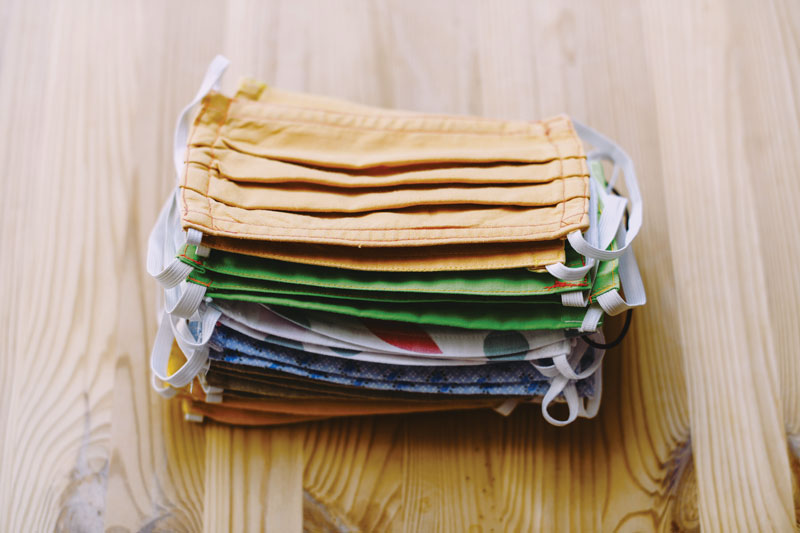
Home sewn and DIY face coverings — made using cotton pillow cases, cotton quilting fabrics, and knit T-shirts, among other materials — have been shown to offer more protection from viruses than no face covering at all. Image: Vera Davidova/Unsplash
Use Of Textiles In Protective Coverings
It is generally understood that different protective coverings provide different levels of protection for the wearer and those around them. In these protective coverings, textile products are popular material choices because they simultaneously provide comfort and protection. For example, face masks and surgical masks used as PPE are typically constructed from nonwoven fabrics using fibers such as polypropylene, polyester and rayon.23 However, conventional knit or woven fabrics also are used for certain protective coverings. A variety of fiber and fabric options are available for DIY face coverings.
A review of the literature shows that many researchers have evaluated the utility and function of N95 respirators, surgical masks, and DIY face coverings. One study that evaluated the filtering efficiency of DIY face coverings and surgical masks for particles less than 10 microns found that the filtering efficiency of DIY face coverings ranged from approximately 60 to 80 percent, depending on the fabric characteristics, as compared to greater than 90 percent efficiency for the surgical masks, indicating that face coverings provide some level of protection for the general population.24 Studies have found that face coverings “reduced emitted particles (leakage) by 1/5, surgical masks reduced it by 1/2, and N95-equivalent masks reduced it by 2/3” for particles 0.02-1.0 microns in size.25
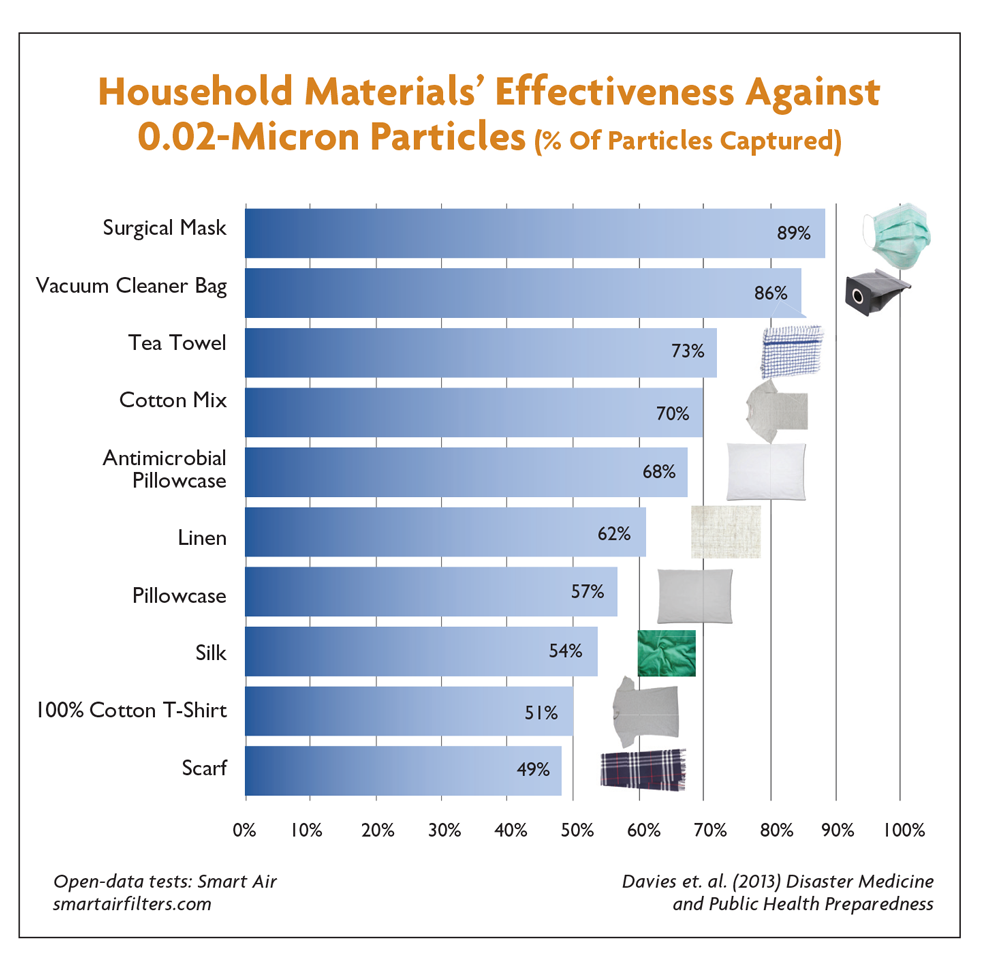
Another study that examined DIY face coverings produced from readily available fabric types provides useful guidance regarding construction characteristics. Davies, Anna, et al, evaluated the filtration efficiency of a variety of household materials, including a cotton T-shirt, scarf, tea towel, and vacuum cleaner bags, against two microorganisms chosen to be representative of the influenza virus and published the results in the paper “Testing the efficacy of homemade masks: would they protect in an influenza pandemic?”26
The study showed the pillowcase and 100-percent cotton T-shirt to be the most suitable household materials for constructing DIY masks. Moreover, the doubling of fabric layers did not significantly increase the filtration efficiency but did negatively affect breathability. The filtration of these DIY face coverings was also compared to surgical masks. While the DIY face coverings were better than controls — no face covering — the improved filtration efficiency from surgical masks was three times that of DIY masks for blocking the transmission of microorganisms via coughing.
Understanding Fabric Characteristics For Protective Face Coverings
Existing literature provides guidance on how fabric characteristics impact protective face covering performance. For example, researchers have shown that DIY cloth face coverings can have varied pore sizes, shapes, and distributions.24 These studies support the general understanding that fabrics with larger pore sizes provide a lower level of filtering efficiency.24
In addition to pore size, the number of available pores can be affected by a number of fabric, yarn and fiber characteristics. In general, fabric modifications that increase the number of pores, while making them smaller should improve filtration performance. For instance, simply by increasing the thread count of a fabric, the spaces between yarns — fabric interstices — will be increased in number while made smaller in size. This should improve filtration efficiency. However, breathability may be negatively impacted as seen in the study above,26 where an effective increase in fabric interstices is achieved by doubling the fabric layers.
Fiber type, size and shape will also affect the number and size of available pores. Smaller fibers and irregularly shaped fibers — cotton or trilobal man-made fibers, for example — will provide added surface area. With any of these modifications, breathability and comfort must also be considered.
Fabric Characteristics May Be Impacted By Re-Wearing, Laundering And Disinfecting
Filtering efficiency of face coverings may be adversely affected by re-wearing and laundering, as well as by repeated fit adjustment. Researchers have found that washing, drying, and/or stretching of cloth face coverings may influence the pore characteristics and subsequent filtering efficiency.24
Because of the current shortage of N95 respirators, researchers have investigated the potential for disinfecting and reuse, despite general guidelines which do not support reuse of such equipment in normal circumstances.28,29 Scientists have identified that certain disinfecting methods such as autoclaving, >70% alcohol, chlorine-based disinfectants, and high temperature dry heat treatments at 165°C, reduce the filtration efficiency of N95 respirators. Instead, disinfection methods such as dry heat at 70°C, boiling water vapor, vaporous hydrogen peroxide, and ultraviolet light treatments appear more promising to maintain function in emergency circumstances associated with equipment shortages.29.30
Opportunity To Define New Standards
Although PPE has entered the common language, the associated regulatory definitions are not well understood. Navigating the regulatory requirements for PPE can a be daunting and time-consuming undertaking. But even with these challenges, there is opportunity for the textile community to participate in defining new standards and specifications for face coverings. PPE and surgical masks have specific performance and regulatory requirements that are overseen by governmental entities or other certifying agencies. On the other hand, DIY face coverings that are currently recommended by the CDC do not have performance requirements and are not regulated. Recent publications provide useful information on the important aspects of fabric construction and filtration performance for face coverings. They show that fiber type, fiber geometry and fabric construction play an important role in performance and comfort, and that there is an opportunity to systematically describe textile characteristics that make this possible.
References:
* SARS-CoV-2 is the name that the World Health Organization has given to the virus that causes the COVID-19 disease. See https://www.who.int/emergencies/diseases/novel-coronavirus-2019/technical-guidance/naming-the-coronavirus-disease-(covid-2019)-and-the-virus-that-causes-it
1 The authors are consultants in the Polymer Science and Health Science practices at Exponent, Inc., a science and engineering consulting firm. This publication was authored by employees of Exponent, Inc. No portion of this publication has been funded or paid for by external sources.
2 For the purposes of this article, “protective coverings” means textiles that cover a portion of the user’s body that may reduce the risk of transmitting or contracting and infection from SARS-CoV-2 or other infectious agents. This includes Personal Protective Equipment (PPE) regulated by governmental agencies in workplaces and general coverings (e.g., face coverings) recommended by other agencies, such as the CDC. PPE use and effectiveness as it is associated with SARS-CoV-2 transmission is still under study in the scientific community.
3 “Recommendation Regarding the Use of Cloth Face Coverings, Especially in Areas of Significant Community-Based Transmission” Centers for Disease Control and Prevention, reviewed 3 April 2020, www.cdc.gov/coronavirus/2019-ncov/prevent-getting-sick/cloth-face-cover.html. Accessed 21 April 2020.
7 N95 respirators rely upon complex polymeric fiber arrangement, static charge, and a tight custom fit to the wearer.
8 “Surgical N95 vs. Standard N95 – Which to Consider?” 3M Personal Safety Division Technical Bulletin, Revision 2, March 2020. multimedia.3m.com/mws/media/1794572O/surgical-n95-vs-standard-n95-which-to-consider.pdf. Accessed 29 April 2020.
9 “Key Differences Between Respirators and Masks” 3M Personal Safety Division, April 2014. multimedia.3m.com/mws/media/956213O/differences-between-respirators-and-masks.pdf?fn=Respirator%20vs%20Surgical%20Mask%20flye. Accessed 29 April 2020.
10 “Infection Prevention Solutions – Face Masks and Respirators” 3M Healthcare. multimedia.3m.com/mws/media/312703O/masks-and-respirators-tri-fold-brochure-eng.pdf. Accessed 29 April 2020
11 “Content Details 21 CFR 878.4040 – Surgical apparel” U.S Government Publishing Office, www.govinfo.gov/app/details/CFR-2004-title21-vol8/CFR-2004-title21-vol8-sec878-4040/summary. Accessed 29 April 2020
12 “A Comparison of Surgical Masks, Surgical N95 Respirators, and Industrial N95 Respirators” Occupational Health and Safety, 1 May 2014, ohsonline.com/articles/2014/05/01/comparison-respiratory.aspx. Accessed 20 April 2020
13 Desai, Angela and Mehrotra, Preeti. “Medical Masks.” JAMA Network, 4 March 2020. 10.1001/jama.2020.2331. Accessed 14 April 2020
15 Enforcement Policy for Face Masks and Respirators During the Coronavirus Disease (COVID-19) Public Health Emergency (Revised), April 2020.
16 “Personal Protective Equipment for Infection Control” U.S. Food & Drug Administration, 10 February 2020, www.fda.gov/medical-devices/general-hospital-devices-and-supplies/personal-protective-equipment-infection-control. Accessed 29 April 2020.
17 bin‐Reza, Faisal, et al. “The use of masks and respirators to prevent transmission of influenza: a systematic review of the scientific evidence.” Influenza and other respiratory viruses 6.4 (2012): 257-267.
19 ANSI/ISEA Z87.1-2015, American National Standard For Occupational And Educational Personal Eye And Face Protection Devices.
20 ANSI/ASSP Z88.2-2015, Practices For Respiratory Protection.
21 ASTM F2100-19, Standard Specification for Performance of Materials Used in Medical Face Masks.
22 Jansen, K. “Why the best material for a homemade coronavirus face mask is hard to identify?” Chemical & Engineering News April 2020. Available at: https://cen.acs.org/biological-chemistry/infectious-disease/best-material-homemade-coronavirus-face/98/web/2020/04
23 Qin, Yimin, ed. Medical textile materials. Woodhead Publishing, 2015.
24 Neupane, Bhanu Bhakta, et al. “Optical microscopic study of surface morphology and filtering efficiency of face masks.” PeerJ 7 (2019): e7142.
25 National Academies of Sciences, Engineering, and Medicine. “Rapid Expert Consultation on the Effectiveness of Fabric Masks for the COVID-19 Pandemic.” The National Academies Press (2020) 10.17226/25776.
26 Davies, Anna, et al. “Testing the efficacy of homemade masks: would they protect in an influenza pandemic?” Disaster medicine and public health preparedness 7.4 (2013): 413-418.
27 Neupane, Bhanu Bhakta, et al. “Optical microscopic study of surface morphology and filtering efficiency of face masks.” PeerJ 7 (2019): e7142.
28 “Enforcement Policy for Sterilizers, Disinfectant Devices, and Air Purifiers During the Coronavirus Disease 2019 (COVID-19) Public Health Emergency. Guidance for Industry and Food and Drug Administration Staff” U.S. Food & Drug Administration, March 2020.
29 “Decontamination and Reuse of Filtering Facepiece Respirators.” Centers for Disease Control and Prevention, reviewed 9 April 2020. www.cdc.gov/coronavirus/2019-ncov/hcp/ppe-strategy/decontamination-reuse-respirators.html. Accessed 29 April 2020
30 Price, Amy and Chu, Larry. “What are good ways to address the shortage of face masks by anesthesiologists?” Stanford Medicine via Learnly (March 2020)
Editor’s Note: Dr. Davis Lee is senior managing scientist, Dr. Erin Kirkpatrick is managing scientist, Dr. A. Sydney Gladman is manager, and Dr. Emily Fitzharris is associate in the Polymer Science & Materials Chemistry practice of Exponent Inc. — a multi-disciplinary engineering and scientific consulting firm. Michael Posson is senior managing scientist and Dr. Mark Roberts is principal scientist at Exponent’s Health Sciences practice.
Sattler Corp. is a family business focused on strengthening its awning, marine and casual furniture industry positions.
By Jim Kaufmann, Contributing Editor
The term family business is often embellished or misused in today’s business climate. However, when one refers to the Sattler Group, a global manufacturer of technical and performance textiles, the term family business is definitely spot on. Sattler, originally founded in 1875 as a trading company, has evolved greatly over its 145-year-history and yet remains the epitome of a family owned business. Headquartered in Austria, Sattler is now led by the fifth generation of the founding family and a family mentality is pervasive throughout the various branches of its organization.
“Sattler is family run and family oriented from the top down,” said Uli Tombuelt, CEO of Sattler Corp., who joined the company in 2019. “It’s really important to the ownership that this remain a family business and a good place to work,” he said. “A lot of our employees throughout the organization are second, third or higher generation. Thirty to 40 years working here is common for many employees. You hear family business a lot at many places, but we actually in fact live it here and remain true to the Sattler family’s heritage.”
The former Hudson Cotton Mills building, a 116-year-old facility in Hudson, N.C., is home to Sattler Corp.’s headquarters.
Company Heritage
Sattler Corp., (Sattler-USA) — the U.S. division of the Sattler Group — is located in the original Hudson Cotton Mills building in Hudson, N.C. In 1968, the Shuford family purchased Hudson Cotton Mills Corp. and renamed it Shuford Mills. Given the lengthy and strong relationship already established between Hudson Cotton Mills, which was founded in 1904 and the town of Hudson, the Shuford family decided to maintain and invest further in the Hudson manufacturing location. Through the late 1990s, Shuford transitioned its focus towards man-made fiber fabrics and away from cottons for outdoor uses. This led the company to specialize in solution-dyed acrylics for awnings, marine and casual furniture applications, and the Outdura® brand was born. Shuford’s strategic change in product focus and the growing success of the Outdura brand as a line of performance fabrics helped to ensure the continued operation of the Hudson location throughout the textile industry’s more turbulent years.
Fast forward to the late 2000s when the Shuford family began fielding and evaluating opportunities specific to the future of the Outdura brand and its Hudson manufacturing facility. The Shuford family was introduced to members of the Sattler Group with its family business mentality. A synergy was found, and in 2010, Sattler purchased the Shuford Mills operations and its Outdura brand.
According to Tombuelt, it was a perfect match. Both organizations “cared strongly about family, resulting in one of the stipulations of the sale stating that the Hudson plant would continue to operate in its current location so that employee lives would not be interrupted and the town of Hudson would not be negatively impacted,” Tombuelt said. “Since the acquisition, Sattler has kept that promise by establishing Hudson as the group’s U.S. headquarters, making numerous investments in the facility while expanding the Outdura brand and creating other product offerings.
“This building is 116-years-old and registered with the National Register of Historic Places,” noted Tombuelt. “Given the company’s long relationship with the town of Hudson, we’ve been able to acquire the additional space we needed to grow. We now have 170,000-square-feet of space on campus here in Hudson, with room to grow further and accommodate any future needs.
Solution-Dyed Outdura®
The Outdura brand now constitutes a family of upholstery fabrics made from 100-percent solution-dyed acrylic — all of which are “Made in the USA.” This is significant to Tombuelt because: “roughly 80 percent of our outdoor customers still manufacture in the United States.” The acrylic fiber used for Sattler-USA’s Outdura fabric is sourced exclusively from Europe. The fiber is then spun into yarn and woven into Outdura fabrics at Sattler-USA’s Hudson facility.
Orange is one of Sattler’s exclusive solution-dyed acrylic color options.
Solution-dyed acrylic fabrics were originally developed as a replacement for cotton awning fabrics because of their higher levels of functionality and durability. According to Tombuelt, Outdura’s applications have expanded to include marine and casual furniture applications as well because of their similar performance and quality requirements. Solution-dyed acrylics are well suited for each of these markets because of their design capabilities, variety of colors, consistency, clean look and inherent performance characteristics.
“Outdura has become a well-known brand, with unsurpassed quality in the United States and our fabrics meet Oeko-Tex® Standard 100 requirements,” Tombuelt said. “We’re ISO 9001-2015 and ISO 14001 certified, and our quality systems allow for traceability and reliability. Our customers like the fact that they can buy a roll of a particular fabric SKU [stock keeping unit] today, another in six months, a year or more from now, and it will look and feel the same. The consistency is there. Our consistency of quality and color between lots is very high.
“We believe there’s room to grow in these markets,” Tombuelt added. “So, we want to focus on and strengthen our brands as well as Sattler-USA’s position through our product offerings, quality and customer responsiveness. And, while we don’t have any immediate plans to open other locations in the United States, we do plan to implement additional enhanced services intended to increase our presence throughout the industry.”
Though a few select distributors are employed in strategic markets, Sattler also sells directly to its customers because, according to Tombuelt, “going through too many distributors can be a disadvantage.” He feels that selling direct to customers provides Sattler the opportunity to provide customers better overall service by eliminating any added layers of communication.
“The outdoor furniture industry is well connected and like a big family,” Tombuelt said. “We all know each other pretty well. Events tend to take on a family reunion-like atmosphere. When you go to a show, you see lots of familiar faces. We use these opportunities to build stronger customer relationships that improve communication channels at all levels. We want that direct, immediate feedback because of its accuracy and timeliness. Even if we don’t like what we hear, it helps us to improve our business and create even more relevant product offerings.”
Cut Program Offers Flexibility
Original equipment manufacturers, cushion manufacturers, upholstery and canvas shops, as well as jobbers, are viewed as Sattler-USA’s prime targets — where there are good opportunities according to Tombuelt. “We do believe our future success is directly tied to under-appreciated segments and we are improving our business model to make Sattler-USA more viable and a value-add for them,” Tombuelt said. As a result, Sattler-USA is increasing its customer service focus and improving its “Cut Program” offerings which are also based out of the Hudson location.
Using the Cut Program, a customer may purchase practically any fabric directly from Sattler’s roughly 450 SKUs. This enables big and small customers alike to get samples and/or purchase amounts varying from 1 yard up to a full roll of fabric directly from the manufacturer. “This is a crucial part of our business going forward,” Tombuelt offered. “We can send the customer 5 or 10 yards as needed for a particular application, or of course, we can also send a truckload tomorrow.”
In addition, Sattler-USA recently became a brand partner on Material Bank — an online marketplace for the architecture and design industry. Material Bank recently completed uploading all of Sattler’s cut program SKUs to its website. “So, a designer can now go to Material Bank’s website, search for Sattler fabrics, select one or more and get a sample delivered in 24 hours,” Tombuelt noted.
It’s rare and refreshing to find this type and level of service directly from a manufacturer, but as Tombuelt indicated: “We do believe that responsiveness is certainly one element that separates Sattler-USA from other companies. In addition to the current SKUs in our cut program, if a project requires a specific design, an order of 60 yards, our standard roll length, we can make that happen in a short period of time!”
Having an inside design team, as well as more than 140 colors and styles of yarn to choose from with more options arriving all the time, is beneficial to Sattler-USA and its customers. In addition, close partnerships with yarn suppliers allows Sattler-USA to not only react quickly to market trends, but also create new trends themselves.
“All of our designs are done in-house,” Tombuelt said. “We have yearly lines, but generally, a three to four-year lifecycle on a design or product line is common, maybe six to seven years on a really good one. Our customers don’t really want to see the same designs year after year, over and over. So, one of our biggest strengths is that with our modern equipment and an integrated design team, we can react quickly and turn custom or new designs into fabric. For us, this is rather simple and easily done. Currently, roughly 90 percent of our product offerings are from stock, the remainder being custom orders, but we’re beginning to see shorter product design life cycles that mimic fashion industry cycle trends and we will be prepared for that as well.”
Tombuelt sees changes in the industry as being incremental, but acknowledges that customers are expecting greater and greater levels of performance. “Take the outdoor furniture market for example,” he said. “The designs originally created for outdoor markets, historically dominated by solution-dyed acrylics, are now being used for inside markets. And there is a trend to create a second living room outside with the desire that the space to be functional for all seasons — so there’s lots of movement both ways. Companies traditionally focused on the ‘inside world’ are pushing into the ‘outside world’ and vice versa. New manufacturers are entering the industry as well. Sattler is looking at these trends as opportunities, but our customers will ultimately dictate our future direction.”
Increased Performance Expectations
New technologies based on polyester and olefins are beginning to push into the space as performance expectations continue to increase. “There is a natural push for performance stories throughout this industry,” commented Tombuelt, “And Sattler is in a strong position to provide the story lines.” In addition to the inherent desirable properties of the solution-dyed acrylic, Sattler-USA has formed a partnership with Crypton LLC, a company with manufacturing in Kings Mountain, N.C., to apply technical backings and enhancements to the fabrics. Treatments include odor and stain release properties, water repellency and if necessary, flame retardancy. Crypton’s proprietary chemistries also can meet the International Maritime Organization’s requirements with a focus on performance and sustainability without compromising the look, touch and physical performance of the base fabric.
Sattler-USA offers several product lines and technologies in addition to the Outdura brand. The Sattler 745 Evolution product line — a flame retardant, polyvinyl chloride (PVC) coated fabric — specifically designed for North American commercial grade awnings, canopies and passageway markets, was introduced at the IFAI Expo 2019. According to Tombuelt: “The fabric is produced in Austria in our state-of-the-art facilities and will be distributed exclusively by three distribution partners — Keystone, Bainbridge and Veteran. We plan to build on the success of this novel product and introduce more PVC coated products here in the United States.”
The Outdura Ovation 3 line remains a strong brand for Sattler. A new line to be introduced soon, Modern Textures, incorporates, for example, a domestically produced bouclé yarn to create a unique look and texture. “We’re always looking for new lines, new designs and looking forward,” Tombuelt stated. “As a whole, the industry is pretty strong and we need to continue taking advantage of fiber, yarn and manufacturing developments to create differentiated and diverse lines going forward so we don’t get caught always producing the same fabric designs or just solids with some structure. This approach will help us to continue improving our responsiveness and customer service, while focusing on strengthening our positions in the awning, marine and casual furnishings markets.”
Tombuelt assures Sattler will improve its responsiveness to strengthen its position while remaining true to its well-established and genuine family business values.
Greensboro, N.C.-based Wrangler® reports its manufacturing facilities have saved more than 7 billion liters of water during the production of denim items. The total amount of water saved is equivalent to the daily drinking needs of almost 4 billion people, and the savings have exceeded the company’s goal of saving 5.5 billion liters by the end of 2020. Since 2008, the company has increased water efficiency and recycling efforts in its denim processes. Using sequential batch reactors, microfiltration and reverse osmosis techniques, Wrangler’s plant in Torreon, Mexico, regularly recycles up to 85 percent of the water it uses. Other facilities are able to reduce water use by merging or removing finishing steps, and also using enhanced enzyme technologies. In addition to conserving water, the company reports the water it returns to local communities is cleaner than the water it took for its operations.
“As we look to the future of water conservation at Wrangler, our approach will expand beyond internal manufacturing to push our production partners to further prioritize water savings and treatment,” said Roain Atwood, senior director of Global Sustainable Business.
Denver-based ReCircled has opened two plants — one in Cozad, Neb., and a second in Prato, Italy — to handle fashion merchandise for global fashion brands that has been returned, is damaged or preowned. The start-up aims to offer the infrastructure fashion brands need to move from a linear business model to a circular model. ReCircled will sort the garments into usable and unusable lots. The unusable items will then be sorted for fiber recycling. Usable items will cleaned using waterless carbon dioxide cleaning techniques and repairs will be made before items are photographed for resale. ReCircled also will build e-commerce sites for each brand that can be integrated into the brands’ own web platforms, or operate as a stand-alone site.
“Our proprietary process for sorting, cleaning and repairing garments and accessories, and our unique e-commerce platform allows brands to keep items at their highest value — a core strategy of sustainability,” said Scott Kuhlman, cofounder, ReCircled.
Tokyo-based Toray Industries Inc. has introduced Kudos™ XT, a durable water repellent (DWR) treatment designed to hold up against abrasion and continued machine washing. Kudos XT is available in both perfluorocarbon (PFC)-free and C6 versions. Toray reports the DWR will not break down over time and allow a treated garment to “wet out” even under heavy rain conditions.
Both versions of the treatment maintain over 80 points in the JIS L 1092 Bundesmann Rain Test after 50 wash cycles, and exceed 80 points in the JIS L 1092 Spray Test after 100 wash cycles. The finish is suitable for outdoor, snowsports, athleisure, sportswear and work uniform applications.
Researchers from the University of Pittsburgh (Pitt) Swanson School of Engineering in the LAMP Lab have developed a textile coating that can repel liquids, including blood and saliva, and also prevents viruses from adhering to the surface. According to the researchers, testing showed the coating remains just as effective after tens of ultrasonic washings, thousands of rotations with a scrubbing pad and even after scraping with a sharp razor blade.
Initially, the coating was tested against human adenovirus types 4 and 7. The next step for researchers is to test how effective the coating is against betacoronaviruses, such as the virus that causes COVID-19.
“We want to push the boundary on what is possible with these types of surfaces, and especially given the current pandemic, we knew it’d be important to test against viruses,” said Anthony Galante, a Ph.D. student in industrial engineering and lead author of the paper.
“If the treated fabric would repel betacoronaviruses, and in particular SARS-CoV-2, this could have a huge impact for healthcare workers and even the general public if PPE, scrubs, or even clothing could be made from protein, blood-, bacteria-, and virus-repelling fabrics,” said Eric Romanowski, research director at Pitt’s Charles T. Campbell Microbiology Laboratory.
The team’s paper, “Superhemophobic and Antivirofouling Coating for Mechanically Durable and Wash-Stable Medical Textiles,” was published in the journal ACS Applied Materials and Surfaces.

 Panda Biotech, Dallas, reports it will donate more than 60 tons of approved hemp fiber seeds to Texas agricultural producers as part of an educational endeavor designed to jump-start the state’s industrial hemp industry. Farmers accepting the seed will be asked to provide data on their crops, and in return, will receive a free copy of a report based on research conducted using the feedback to be published by Texas A&M AgriLife. The program hopes to ensure the 2021 Texas industrial hemp harvest reaches its full potential. The promotion was coordinated with the Texas Industrial Hemp Council, a group formed by Texas Agriculture Commissioner Sid Miller.