Fashion On Demand By Lectra And Balsan Technology Takes Uniform Making To The Next Level

LectraBalsanTW Special Report

Created in 1850, Balsan is a key player in professional garment making. A Groupe Marck company, Balsan designs and manufactures corporate and ceremonial clothing, tailored and customized uniforms, and personal protective equipment and clothing for the public and private sector which comply with international standards.

Challenges

The biggest challenge is to meet the new expectations of customers who seek increasing levels of customization with ever-shorter time-to-market deadlines. Balsan took up a two-fold challenge: update its manufacturing tools while maintaining a large part of its clothing production in France to capitalize on the group’s traditional savoir-faire, and meet 21st century challenges. Balsan’s objective was to produce customized clothing more quickly using intelligent manufacturing methods.

Solution — Fashion On Demand

Balsan was a pilot partner for the Fashion On Demand by Lectra solution. This alliance allowed Groupe Marck to take a new approach, involving not only the use of Fashion On Demand by Lectra’s connected cutter, but upstream software solutions as well, which are configured based on the company’s needs to best match its work methods while updating and accelerating the production process.

Results

“Using a measurement chart, Fashion On Demand by Lectra allowed us to generate well-adapted and customized patterns with which to produce our garments,” reported Stéphane Quiniou, Industrial and Quality Director, Groupe Marck. “The solution also provides extensive flexibility: we can send the model to the cutter, select the cutting orders and even group them by fabric, and detect defects and launch re-cuts when necessary. This improves overall performance and delivers estimated productivity gains of 7 percent.”

The professional garment sector is highly diverse, in terms of clothing types and the materials used. The crafting techniques and ergonomics required for a Republican Guard uniform are completely different to those used for personal protective clothing. Previously, we had to take an individualized and time-consuming approach for each order. Patterns that required several hours of adjustments to each customer are now processed automatically once our patternmakers receive the data. “Lectra’s new solution allowed us to be far more reactive, far more flexible, and to adapt more quickly to specific requests from customers,” Quiniou said.

Balsan’s activities are spread over several sites in France and abroad, so the need for a multi-site approach was evident when designing a plan to modernize production tools, explained the Industrial and Quality Director. “We install machines at different sites and would like to pilot them from our central office. Our goal is to standardize cutting orders and production across all of our sites,” Quiniou noted. “With a simple click, the cutting order created in Calais launches a specific action at our site in Châteauroux. Being able to assign production to a specific production line with the resources and immediate availability needed to meet a customer’s deadlines is key.”

Implementing an automated solution relies on Cloud power to digitally process data, but the production of military uniforms or protective clothing involves information that is not only sensitive but also confidential. Before it began working with Lectra, Balsan asked for vigorous guarantees concerning data protection and the secure exchange of information to ensure the confidentiality of patterns. Lectra worked hand in hand with Balsan’s IT services to satisfy the professional garment-making specialist’s requirements. Tomorrow’s challenges aren’t only technical — they are environmental as well, and we cannot modernize without taking such considerations into account. “With Fashion On Demand by Lectra’s new cutting line, we discovered an energy-efficient cutter that removes the need for traditional accessories such as paper and plastic film, allowing us to reduce our carbon footprint,” Quiniou said.

“Working together with Lectra, we’ve been able to optimize the Fashion on Demand by Lectra solution so that it meets our requirements perfectly,” she added. “The next step is to go even further by connecting our ERP and production sites, so that once orders are received, the machine generates the customized uniform patterns and sends the cutting orders to the necessary workshops.”

Source: Lectra

Eco-Initiatives For Sustainable Textiles

By Dr. S. Aishwariya

Textiles is one of the oldest industries known to mankind. Serving mankind from cradle to grave is the role of textiles. This billion-dollar industry is now being questioned for its ethical allegations, after being ranked as the second largest polluting industry. The fancy and cruel side are analyzed ending up with open questions that are to be resolved to make the business have a stand in the future days. When we look into the industry and the eco-concerns alongside the catwalk and stunning business profits, one ends up thinking, “What does it profit a man if he gains the whole world yet loses his soul?” The dark side of the industry has now been brought into the limelight and alarming issues have brought in some awareness and recuse measures. One man’s waste can definitely be another basic utility for basic survival. Recycling and sustainable production has to be seen as a very significant sector to strengthen in the near future. Various organizations are working towards monitoring and intervention when solutions are required. Sustainable Technology Production Practice (STEP) is one such non-profit organization that defines ecofashion as clothes “that take into account the environment, the health of consumers and the working conditions of people in the fashion industry.” It has a major role in shifting the production to a more sustainable way. Organic cotton without chemicals, textiles from bamboo, soy, banana, bagasse, and polyethylene terephthalate bottles recycled into a sports wear garment are few examples. In addition, new sources are also identified for testing its potentiality in textiles. Sasawashi, Japanese leaf on production resembles linen, waste coffee grounds are used for ultraviolet resistance, anti-odoor fabrics, compostable baby diapers, anti-allergic, etc.

ECO-INITIATIVES

GreenpeaceDetoxDetox Campaign, 2011 — This campaign was launched by Greenpeace as a means to expose the direct links between clothing brands, their suppliers and pollution globally. The organization has run various investigations into popular brands and released reports on the harmful nature of the materials. They work in picking up samples and testing the presence of carcinogens and hazardous substances on them. The investigation has resulted in some irrefutible facts and data’s that are more than a threat to human survival. The face of the clothes was brought into limelight which will further enable the companies/manufacturers to think green.

Fair Wear Foundation — The soul of manufacturing is the hands that make the cloth. This foundation works in collaboration with various brands, factories, trade unions, NGOs, and even governments to verify and improve workplace conditions in the clothing industry. Step by step analysis is made on the quality of life the labors have and impact of the work they do on their lives. In case of an extreme crisis, and need for intervention, the organization takes it call.FairWear

Clean Clothes Campaign (CCC) — The motto of CCC is improving the working conditions of textile laborers around the world. It has enabled in improving the working conditions and empowering the workers especially in the garment and sports wear sector. The major objective is to push companies and governments to take the responsibility along with ensuring that workers’ rights being implanted and maintained. More awareness is created every year and motivates to widen the circle as well of people in it.CleanClothes

The True Cost – Documentary film — This documentary, directed by Andrew Morgan, has captured the visions from all over the world, on how the textiles are made, from slum to runway showing the luxury and dark side, the high pricing and low wages for workers. The documentary links the contrasting side of cheap fashion and labor exploitation with huge implication on nature.

Right First Time (RFT) in Dyeing — The concept was framed in 1970. It employs checking the shade of the dyed fabric as soon as the dyeing process is complete. In olden days, the fabric was dyed and then after drying, was checked for a match with the color given in the shade card of specification sheet. When a difference arose, which is a common issue in dyeing industry, the dyeing is repeated which results in added effluent. RFT simply explains achieving target shade in first time dyeing itself. Now every industry has taken up this protocol as a regular step.

Naturally colored cotton — Genetic engineering combined with textiles, evolved with creating colored cotton by shifting gene code, resulting in cotton with naturally occurring shades. Red, green and brown are shades available. The colors stay on the cloth for a longer time, compared to natural dyed textiles. Yields are typically lower and the fiber is shorter and weaker but has a softer feel than the more commonly available “white” cotton. This lowers our dependency on dyeing and hence decreases toxic chemicals and finishing involved in dyeing.

DelhicraftscouncilExhibition by the Craft Council of India — India is known for its unending list of arts and crafts. The textiles, apparel and accessories have always been customized with a flavor that was regional. Thus, each state in the country has been bestowed with exclusive crafts which are all sustainable. It is no surprise that all the synthetics are just the gift from last century and all our age-old crafts are 100-percent organic, handcrafted and sustainable. It can be muslins, Mul Mul, Kalamkari, Ikats, Pattanchitra, Murals, Madhubani or Warli the craft is a symbol of sustainability. Understanding the strength that lies in our country, the government has taken initiatives to conduct a three-day exhibition where craftsmen and artisans around the country come in person, perform the art, create a network, increase the sales and bring in more awareness to the public. This is one measure taken by each state to annually meet and greet which can be a huge boost to our native artists.

Fashion Revolution/who made my clothes — A huge revolution broke in the year 2013, when the garment company in Rana Plaza, Bangladesh, collapsed and the accident killed 1,135 people and injured 2,500. It is one of the biggest tragedies in the apparel industry, and caused a huge sensation thereby increasing awareness about the working conditions, safety norms of workers, salary and quality of life in the garment industry. The fashion and apparel industry from thereon have worked towards labor safety and welfare, as many Governmental policies, NGO’s and Environmental activists got involved into checking on people and their placement in the industry.Bangladesh
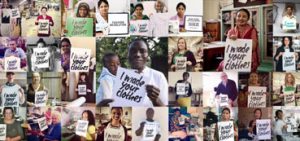
In this regard, a vibrating global movement arouse, which unites people and organization to work in cohesion to monitor the way in which our clothes are made from the scratch. Safe, clean, fair trade from sourcing to discarding the entire life cycle is assessed. The mission is built on the fact that change can be made when the complete value chain from farmer to consumer is monitored, in which changed can be bought in.
GOTSGlobal Organic Textile Standard (GOTS) — Considering the ecological and social concerns, a textile standard for certifying organic fiber was introduced. Fiber being the fundamental unit in textiles, sustainability in the product beings from fiber. Harvesting, labeling, end user, consumer claims are screened for certification. The processing, manufacturing, labeling, trade and distribution are also counted as essential factors.

Zero Discharge of Hazardous Chemicals (ZDHC) — This foundation monitors, segments of the industry which includes textile, accessories and leather encompassing its entire value chain which was decided to be monitored with a goal “Zero discharge.” Here the synonym is towards zero toxic substances which is possible by sustainable chemistry and best eco-practices.

ECO-AGE /The Green Carpet Fashion Awards — When a business is working towards creating, implementing and communicating eco-based textile products, the Eco-Age brand and marketing constancy through the Founder Livia Firth identify and acknowledge their work. Further they help in creating a bigger market and a recognizing their work. They give importance to the fact that style has to be sustainable.

Fair trade and UnLtd India — Fair Trade is a certification which is given when they identify that the trade is credible and communicate it to the people in the end of chain, the consumers. Fair salary is one of the prime objectives, 10% of profit is given for society and 60% advance for producers (before sale). UnLtd is a platform that helps the entrepreneurs in social media by funding and supporting them when the Individuals idea, passion and skill helps in curing the country’s social problems.

Conclusion

Pollutants released by the global textile industry are continuously doing unimaginable harm to the environment. Every process involved in the production from raw material to the final product is responsible for several impacts on the eco-system. The only solution to this problem is to follow sustainable lifestyle. Using products that does not harm animals, does not involve children, ensures fair wages among employees and does not deter the natural environment can be termed as sustainable lifestyle. Additionally, there are sustainable brands that work together to create a clean clothing line. The biggest challenge they face is lack of awareness of sustainable textiles. The paper might have given some inputs on the eco-initiatives that are available to support green consumerism in future.

References

  1. http://www.cicr.org.in/pdf/naturally_colored_cotton.pdf
  2. https://www.fashionrevolution.org/tag/who-made-my-clothes/
  3. https://www.roadmaptozero.com/
  4. https://global-standard.org/
  5. https://www.fairtrade.org.uk/
  6. http://www.wwf.eu/campaigns/past_campaigns/detox_campaign__revealing_the_truth_about_chemicals/
  7. https://www.greenpeace.org/archive-international/en/campaigns/detox/water/detox/intro/
  8. https://eco-age.com/
  9. https://eco-age.com/news/green-carpet-fashion-award-winners-2018
  10. https://www.fairwear.org/
  11. http://truecostmovie.com/
  12. https://cleanclothes.org/

Editor’s Note: Dr. S. Aishwariya is a INSPIRE fellow (DST) and Assistant Professor, Department of Textiles and Clothing, Avinashilingam Institute for Home Science and Higher Education for Women, Coimbatore, India.



Elevenate Reaches New Heights With Gerber Technology’s YuniquePLM®

TOLLAND, Conn. — October 15, 2019 — Elevenate, a high-quality performance gear company from Sweden, has joined forces with ACG Nyström and Gerber Technology. This exciting partnership will allow the outdoor performance brand to implement Gerber’s easy-to-use product lifecycle management solution, YuniquePLM, in order to gain more control over their supply chain and further streamline their processes to meet increasing customer demand.

Gerber Technology, the global leader in flexible material and fashion technology, empowers their customer base by providing them with integrated technology solutions that will allow them to scale the highest peaks of the on-demand market.

Elevenate is a global brand with pure adventure in its DNA, and deep roots in Swedish mountain culture. Founded in 2010 in Åre, the skiing capital of Scandinavia, Elevenate successfully proved the concept of in-house product development and pattern design with Gerber’s AccuMark® CAD software, as well as quality-controlled manufacturing with carefully selected partners, who also use AccuMark CAD software. Known the world over as a premium performance and casual wear brand dedicated to providing the market with sustainable, quality clothes built to last, Elevenate believes that mountain culture is a state of mind, thus redefining the boundaries of their product offerings with innovative production techniques extended to product offerings even outside of the mountain habitat.

For Elevenate to bring their brand to new heights, they needed a solution that would streamline their design and development process, and also allow them to keep up with increasingly challenging demands. With YuniquePLM, Elevenate is able to gain greater insight into their supply chain, reduce errors, and decrease their time to market through enhanced integration with the other pieces of their workflow.

“Implementing cloud-based YuniquePLM is a huge step towards making our business more streamlined and agile,” said Tim Larsson, project manager at Elevenate. “Gerber is a leader within the textile industry and constantly updating their products to ensure their customers always have the latest tools at their fingertips, which is crucial not just for our success, but also to enable sustainability in the current and future consumer climate.”

Gerber’s cloud-based YuniquePLM allows for easy management of the entire supply chain — from design, all the way through to production. With cloud capabilities, users can gain valuable insight into their workflow and easily communicate with their team members from anywhere in the world. The easy-to-use product lifecycle management system provides a single source of the truth by consolidating data, designs, and 3D samples into one place, making it easily accessible for every member of the team.

YuniquePLM is part of Gerber’s innovative end-to-end solution, meaning it can seamlessly integrate with their full suite of industry-leading software solutions, such as AccuMark CAD. Additionally, YuniquePLM integrates with many commonly used industry applications, such as Adobe® Illustrator® and True Fit®. YuniquePLM’s powerful integrations eliminate bottlenecks by allowing users to quickly pass data to their favorite applications, all without having to leave the PLM solution. For Elevenate, the powerful Adobe Plug-In will help to reduce their time-to-market by allowing users to upload their designs and make changes directly within YuniquePLM.

“We are incredibly excited to welcome Elevenate into our family,” said Michael Lock, vice president of Gerber’s Global Software Business. “In listening to the current issues the Elevenate business has in their product design process, we are convinced YuniquePLM will truly help them compete and win in the ever-changing consumer climate”, added Per-Martin Dahlqvist, business area manager at Gerber partner ACG.

Posted October 16, 2019

Source: Gerber Technology

Image Magic Installs Twin Kornit Avalanche Poly Pro Systems For Enhanced DTG Printing

ROSH HA’AYN, Israel — October 16, 2019 — Kornit Digital, a worldwide supplier of digital textile printing technology, announced that Tokyo-based Image Magic has installed two Kornit Avalanche Poly Pro systems, expanding its longstanding digital direct-to-garment capabilities to imprint polyester and poly-blend fabrics. The move supplements Image Magic’s continuous development of internal efficiencies, and increases capacity for an operation that has observed 40 percent year-over-year growth. The brand serves a mix of corporate clients, including some of Japan’s leading apparel brands, and general consumers via a predominantly internet-based sales model.

Established in 1995 as a print shop committed to producing one-off jobs with the efficiency of mass production (and avoiding costly inventory), Image Magic has long sought an alternative to slow and inconsistent means for imprinting synthetics. Introduced earlier this year, Kornit’s Avalanche Poly Pro is the first digital direct-to-garment print system developed specifically for such materials.

“We have long printed cotton materials on demand, but delivering polyester t-shirts and sports apparel in a consistent and timely manner remained a challenge,” said Makoto Yamakawa, Image Magic CEO. “Kornit’s Poly Pro system offers the best possible quality, at a speed to match our recent increase in orders, which we expect will continue as more major sports events, most notably the Olympics, come to Japan.”

“I was impressed by the smooth hand feel,” added Yutaka Bono, director of development. “The Poly Pro is ideal for handling a wide variety of products in small quantities, which should help us attract new customers, particularly from the sports industry.”

Using the eco-friendly NeoPigment™ Olympia ink set, Kornit Avalanche Poly Pro was developed to extend digital design complexity, color gamut, and durability to polyesters, which have grown in popularity as a result of sportswear and “athleisure” trends.

“Kornit is breaking down boundaries between what the consumer demands and what print shops can deliver at the speed of e-commerce, and our Poly Pro system embodies that effort completely,” said Andy Yarrow, President of Kornit Digital Asia Pacific. “Image Magic has achieved considerable growth by giving consumers what they want with a smart, lean business model, and we are proud they’ve chosen Kornit as a partner in taking their next steps forward.”

According to Yamakawa, digital printing has been key to his business’s growth, and he foresees Kornit’s technology building on that strength.

“We’ve been inviting partners and customers to our facility to demonstrate what the Poly Pro can do, and as we expand to a larger facility, we anticipate investing in more of these systems,” said Yamakawa.

Posted October 16, 2019

Source: Kornit Digital

Wolverine World Wide Names Angelo Ng As First Chief Merchant Officer

ROCKFORD, Mich. — October 16, 2019 — Wolverine World Wide Inc. today announced the addition of veteran merchandising and branding expert Angelo Ng as the company’s first-ever chief merchant officer.

Ng brings more than 25 years of merchandising, sourcing and marketing experience from a variety of respected apparel, footwear and accessories brands. Over the course of 18 years, Ng held multiple merchandising roles of increasing responsibility for both the Levi’s and Dockers brands in Europe, America and Asia. Most recently, he served as vice president of Levi’s men’s, collections, collaborations and accessories merchandising. Prior to joining Levi’s, Ng held various managerial roles in both merchandising and sourcing at Nike Europe.

“We’re thrilled to add Angelo to our leadership team,” said Blake W. Krueger, chairman, CEO and president of Wolverine World Wide. “We believe his passion and strategic vision, as well as his global industry experience, will be instrumental as we continue to pursue our Global Growth Agenda. Angelo is a perfect fit for our first chief merchant officer.”

Ng realized his love of clothing while growing up in Amsterdam and soon switched from the retail to the vendor side of the business. He has worked across Europe, gaining experience in design, sourcing, sales, athletic apparel and more, before overseeing three factories in the United Kingdom.

“I’m honored to have been selected as Wolverine’s first chief merchant officer,” Ng said. “I was attracted to Wolverine because of the company’s brand portfolio, demonstrated success and incredible team. I look forward to establishing the merchant mindset and acumen to drive accelerated growth and to further establish Wolverine as a market-leading footwear and apparel company.”

In this newly created role, Ng will lead the merchandising growth strategy and innovation roadmap for the portfolio of brands. Ng will focus on aligning consumer insights, market intelligence, advanced concepts, trends and strategy to support Wolverine’s GLOBAL GROWTH AGENDA. Improving alignment will allow for greater speed and agility in making better-informed business decisions and streamlining distribution.

“Merchandising is a critical function to shape the future,” Ng said. “I want consumers to think of Wolverine brands first when purchasing footwear, apparel and accessories for their sporting, outdoor or work lifestyle needs.”

Ng holds a bachelor’s degree in business and economics from the Hague University of Applied Sciences in the Netherlands.

Posted October 16, 2019

Source: Wolverine World Wide Inc.

Lenzing Launch TREE CLIMATE For Outdoor Apparel Market

NEW YORK CITY — October 14, 2019 — The outdoor apparel market has long been defined by high performance functionality, most of which is delivered through technical fabrics. Industry expert and fabric innovator, David Parkes of Concept III, thinks it’s time to revive a few iconic fabrics as well as to introduce new concepts to the Outdoor segment. He partnered with Lenzing to create an assortment of unique fabrics that showcase the inherent performance, superior hand, and — perhaps most importantly — sustainability of TENCEL™ Lyocell. The TREE CLIMATE Collection will debut at Functional Fabric Fair in Portland on October 22-23.

TREE CLIMATE reaches back into the heritage of the Outdoor industry for inspiration. Flannel and chamois will have their place in the collection as will a retro “reverse weave” sweat shirt fabric. A curly sherpa and a flat back rib will be featured in beautiful jerseys and sweater knits. Textured wovens and a classic raymar cloth round out the specially constructed performance fabrics made with TENCEL Lyocell and other select fibers.

The Outdoor consumer will respond well to the improved sustainability profile that TENCEL™ Lyocell fibers bring to apparel, Parkes believes. TENCEL Lyocell fibers are derived from the sustainably sourced raw material wood and are produced in a closed loop, resource efficient production process. In addition, the TREE CLIMATE collection also consists of garments with TENCEL x REFIBRA™ Lyocell fibers which is  made up using one third- of pulp from cotton scraps from garment production mixed with the TENCEL Lyocell wood pulp to create what is probably one of the more sustainable fibers on the market today.

The founder of Concept III Textiles, Parkes, said:  “The collection combines the success of iconic outdoor textiles with the introduction of the many qualities of TENCEL Lyocell — hand, moisture management, enhanced dyeability, outstanding drape — and a more sustainable apparel option”.

Lenzing is well known in the textile industry for collaboration and partnership with companies across the global supply chain. TENCEL branded lyocell fibers can be found in a multitude of innovative fabrics that span denim to ready-to-wear to home textiles. TREE CLIMATE represents the first major Outdoor collection to feature these fibers of botanic origin. “We have enjoyed working with David Parkes to highlight TENCEL brand’s many features with these special fabrics and garments that are perfectly designed for the Outdoor category,” says Sharon Perez, Business Development Manager for Activewear at Lenzing. “David’s celebrated creativity and passion for sustainability are evident in TREE CLIMATE, and these beautiful fabrics containing TENCEL Lyocell fibers will be much appreciated by brands, retailers, and consumers.”

Parkes and Lenzing are working with several mills to design and produce the TREE CLIMATE fabrics. Mills include Beverly Knits and Brookwood Mills in North America as well as mill partners from the Far East.  The TREE CLIMATE garments were designed by Christie Orlando.

The TREE CLIMATE collection will be on display at Functional Fabric Fair in Portland from October 22-23 in the Concept III booth # 614 as well as at the Lenzing booth #519.

Posted October 16, 2019

Source: The Lenzing Group

Higher Quality And Lower Environmental Impact In Textile Coating: Covestro’s INSQIN® Helps The Automotive Industry Design Today For The Passengers Of Tomorrow

PITTSBURGH — October 16, 2019 — The automotive industry focuses on innovations as a driver for future growth. The INSQIN® technology of Covestro contributes to increasing the quality, design and functionality of car interiors that enables its customers and OEM partners to offer future-proof technology solutions to ensure the ultimate in style and comfort.

Mobility trends such as electric vehicles and car sharing, as well as tightening regulations on VOC emissions and sustainability are redefining the role and function of automotive interiors. With INSQIN, a variety of coated textiles and new materials can now be used to create a stylish in-car experience that drivers want. This waterborne polyurethane technology enables more sustainable, flexible and durable coatings with a premium look and feel. These unique product features empower performance, even in the thinnest layers.

In a powerful demonstration of the potential of innovative materials for future mobility, the pioneering Covestro-sponsored Sonnenwagen electric car is taking part in the Bridgestone World Solar Challenge 2019 in October in Australia, which is known as the toughest solar race in the world. The Covestro Sonnenwagen includes innovative materials like translucent polyurethane synthetics for its steering wheel and car seat cover. The materials are also exhibited at K 2019 trade fair from October 16-23 in Düsseldorf, Germany, to demonstrate how they can be used in spacious living or working spaces.

Well-equipped for increasing demands
Drivers increasingly demand an intelligent, enjoyable, but also healthy and sustainable in-car experience. Harnessing material innovation, Covestro is fully equipped for evolving demands. Produced at state-of-the-art facilities, INSQIN delivers the qualities sought by automakers with low VOC emissions and a low environmental impact. Additional technologies from Covestro include ultra-thin polycarbonate films and lighter polyurethane foams that help reduce vehicle fuel consumption.

“Automakers demand both performance and sustainable solutions,” said Dr. Torsten Pohl, head of Global Textile Coatings at Covestro. “We are proud to be creating innovations and pioneering application methods in more and more industry sectors. Our broad product portfolio allows manufacturers to offer different effects and looks, giving them more options for the automotive interior of the future. With our INSQIN technology, we are helping automakers to accelerate ahead of the competition.”

INSQIN® is a registered trademark of Covestro Group.

Posted October 16, 2019

Source: Covestro LLC

NRF Report September Retail Sales Grew 4.5 Percent Over Last Year

WASHINGTON — October 16, 2019 — Retail sales in September were down 0.1 percent seasonally adjusted from August but up 4.5 percent unadjusted year-over-year, the National Retail Federation said today. The numbers exclude automobile dealers, gasoline stations and restaurants.

“The pullback in September compared with August is possibly a reaction to increased fears over U.S.-China tensions,” NRF Chief Economist Jack Kleinhenz said. “While uncertainty around trade policy and other issues has dampened consumer sentiment recently, consumers still have a lot going for them as evidenced by longer-term trends and factors like the tight labor market. September is a tricky month to measure because of seasonal factors like the end of summer and back-to-school spending, and this year’s early Labor Day may have moved up some spending into the last days of August.”

As of September, the three-month moving average was up 4.9 percent over the same period a year ago, compared with 4.1 percent in August. September’s results build on gains of 0.5 percent month-over-month and 4.7 percent year-over-year in August.

NRF’s numbers are based on data from the U.S. Census Bureau, which said today that overall September sales – including auto dealers, gas stations and restaurants – were down 0.3 percent seasonally adjusted from August but up 4.1 percent unadjusted year-over-year.

Specifics from key retail sectors during September include:

  • Online and other non-store sales were up 15.6 percent year-over-year but down 0.3 percent month-over-month seasonally adjusted.
  • Health and personal care stores were up 4.2 percent year-over-year and up 0.6 percent month-over-month seasonally adjusted.
  • Grocery and beverage stores were up 2.6 percent year-over-year but down 0.1 percent month-over-month seasonally adjusted.
  • Building materials and garden supply stores were up 2.5 percent year-over-year but down 1 percent month-over-month seasonally adjusted.
  • Furniture and home furnishings stores were up 1.1 percent year-over-year and up 0.6 percent month-over-month seasonally adjusted.
  • Sporting goods stores were unchanged year-over-year but down 0.1 percent month-over-month seasonally adjusted.
  • General merchandise stores were down 0.2 percent year-over-year and down 0.3 percent month-over-month seasonally adjusted.
  • Clothing and clothing accessory stores were down 0.7 percent year-over-year but up 1.3 percent month-over-month seasonally adjusted.
  • Electronics and appliance stores were down 1.7 percent year-over-year but unchanged month-over-month seasonally adjusted.

Posted October 16, 2019

Source: The National Retail Federation, (NRF)

Ruyi Group Promotes Advances In Both Traditional Textile Industry And The Global Fashion Industry

JINING, China — October 15, 2019 — Last month, China Wool Textile Association and China SDIC International Trade Co., Ltd. hosted the 31st China International Wool Textile Market Conference in Qufu, Shandong Province, China, co-organized by Ruyi Group and Nanjing Wool Market. More than 400 delegates from 22 countries attended the conference regarding to “A Community of a Shared Future for Wool Textile Industry”, to promote the sustainable development of the wool textile industry.

To date, Ruyi Group has nearly 6,000 stores in the world, covering more than 80 countries and regions. It ranks first in the comprehensive competitiveness of China’s textile industry and is also a world-renowned group of light luxury brands. Ruyi has become one of the most competitive Chinese enterprises in the global fashion industry.

In 2010, Yafu Qiu, president of the board at Ruyi Group, timed his acquisition of Japan’s premier men’s wear brand Renown. Since then, Ruyi successively acquired SMCP, Aquascutum, Bally and other outstanding fashion brands all over the world. Through the acquisitions, Ruyi has acquired the brand itself and, more importantly, plenty of international fashion management talents. Those acquisitions enabled Ruyi to gather new momentum to enter the fashion industry.

While expanding its business landscape, Ruyi Group dedicated itself to applying green production, eliminating out-dated facilities, shouldering social responsibilities and fostering industry advancement. On the one hand, factories applied multiple transformation programs such as solar energy generation, waste water recycling, and condensate reuse. On the other hand, Ruyi Group developed the automated manufacturing system, the digital production system and advanced industry informatization. Through developing green production, Ruyi Group is transforming into a digital enterprise.

Ruyi’s success in green production has been highly appreciated globally. As the only company from Mainland China, Ruyi Group attended the G7 summit in France signing the Fashion Pact and committing to green fashion development on behalf of Chinese enterprises.

In the future, Ruyi Group will continue developing green production, center on the textile industry focusing on producing advanced fiber raw materials and rely on comprehensive fashion brand matrix expanding broad coverage.

Posted October 15, 2019

Source: Ruyi Group

French Machinery: Christian Guinet, New Secretary General

PARIS — October 15, 2019 — At the last ITMA in Barcelona, the French Textile Machinery Manufacturers’ Association (UCMTF) announced the appointment of Christian Guinet as secretary general. On September 1, he took over from Evelyne Cholet who had decided to retire.

Bruno Ameline, UCMTF president, stated: “it is a great opportunity for us to welcome Christian. He fits all our requirements — a textile engineer, he joined one of our members in 1982, a great part of his experience has been as export manager in charge of the sales financing and credit insurance. We know each other very well as, within our organization, he has been president of our Promotion Committee. In that position, he organized, with Evelyne Cholet, our road shows, seminars and National pavilions in many fairs and managed our relations with the textile press.

“The transition with Evelyne Cholet has been extremely smooth as they had been working together for many years.

“The only sad thing is that we will miss Evelyne,” Ameline said. “She joined our association in 1985 to organize ITMA 1987 and then stayed with us for 34 years. All our contacts know and appreciate her. I am quite sure they will welcome Christian who shares the same values than Evelyne. He will be a great asset to our 35 members which are exporting, all over the world, most of their machines and services worth more than a billion dollars annually.”

Posted October 15, 2019

Source: UCMTF

Sponsors