PICANOL At India ITME 2022

IEPER, Belgium — November 28, 2022 — INDIA ITME 2022, which will take place from December 8-13, 2022, at the India Exposition Mart Ltd (IEML) Greater Noida (Delhi), is the largest textile exhibition of its kind in India. As India is the most prominent textile hub in the region, Picanol will be presenting all its latest high-tech weaving machines and services at the event. Picanol will be exhibiting in Booth A6B5, Hall 14, where three high-tech weaving machines from the OmniPlus-i Connect airjet generation will be on display. Furthermore, one OptiMax-i Connect machine will be shown at the Bonas booth. Meanwhile, all of the state-of-the-art functionalities of Picanol’s new digital platform, PicConnect, will also be demonstrated at the Picanol booth.

Picanol has been successfully serving the Indian market since 1956. In light of the potential and expected growth of the Indian market, Picanol decided to set up its own organization in India in early 2008. The aim behind this move was to ensure an optimal proximity to the customer, in terms of both service and sales. In the meantime, Picanol India has grown into a team of 42 people, who serve our Indian customers in all of the main textile areas. Picanol has three offices situated in India: Coimbatore, Mumbai, and the main office in New Delhi, which also has a print repair station that is equipped with the latest technology.

“This set-up, which is combined with the high-performance Picanol weaving machines, has enabled us to acquire a leading position in the Indian market. Clear proof of Picanol’s dedication to the Indian market is its continuous investment in facilities and people. In this regard, we proudly opened our new head office in Delhi in April 2012 followed by further extension of office space to provide enhanced services to more customers in March 2022. We also continue to reinforce our Sales and Service team so that we can support our customers in the best possible way with all of the challenges they are facing,” explains Mr. Kasiviswanathan Palanisamy, Director of Picanol India.

Details of the Picanol weaving machines that will be on display:

  1. OmniPlus-iConnect-4-P-190 Poplin

A proof how a lighter fabric segment can benefit from the OmniPlus-i Connect platform. Digitization, maximum flexibility and running the highest speed.

  1. OmniPlus-iConnect-2-P-280 Ladieswear

Weaving light filament fabrics without having to choose between speed and flexibility. Reaching the required high fabric quality standards becomes even more easy with the increased inbuilt stability of the insertion system

  1. OmniPlus-iConnect-4-D-220 Denim

The digital loom! A machine that is driven by data, relying on smart performance, with sustainability always in mind.

  1. PicConnect Corner

PicConnect is Picanol’s digital platform for customers, offering a wide range of features, from industrial IoT to service-related applications. Visit the PicConnect corner of the Picanol booth to discover everything you need to know about this platform. All of the weaving machines at our booth will be connected to PicConnect. Be sure to attend one of the live demonstrations that will frequently take place throughout each day of the exhibition.

  1. OptiMax-iConnect-8-J-380(Bonas-Hall14A-Booth2B1)

Posted: November 28, 2022

Source: Picanol
James Heal Celebrates 80 Years Of The Martindale Textile Tester

HALIFAX, England — November 28, 2022 — England-based textile testing solutions provider James Heal this year marked a number of significant milestones, most recently the iconic Martindale abrasion testing instrument manufactured by the company reached the 80th anniversary of its invention.

Probably the most widely used abrasion testing machine in existence, the Martindale was designed by Dr James Graham Martindale. Whilst working at the Wool Industries Research Association, Dr Martindale was tasked with devising a machine to test the wearing properties of carbon-impregnated fabric during World War 2, a textile intended to protect against gas attack. The first machine was then constructed by Stanley Dilworth, the workshop head at WIRA in 1942, as the original Martindale abrasion tester.

Subsequently during the 1950s James H Heal as the company was known then, developed its own Martindale, it is believed with the collaboration of Dr Martindale. The new James Heal Martindale offered the benefit of a pre-determined electric counter, which stopped the machine automatically when a pre-set number of rubs was reached.

The Martindale is still today a core laboratory instrument for testing the effect of wear on materials, such as abrasion and pilling of textiles, also carpets, leather, even wood. Over the years further capabilities have been added with a wet testing model, the AquAbrasion being added to the James Heal range to give a real-world dimension to testing, for example with chlorinated water, sunscreen or hand sanitizer.

Former apprentice Laurence Turner who started working at James Heal in 1973, recently visited the company and recounted many fond memories of working in Lake View Mill in Halifax, having been taught to build the Martindale instrument. During his visit, Laurence distinctly recalled working on the production of the Martindale, his colleagues in the factory and the original clocking in machine that has recently been restored back to its former glory as part of James Heal’s 150th anniversary year celebrations.

The Martindale range continues to go from strength to strength and is still one of James Heal’s best selling products. Managing Director, Neil Pryke comments, “Since the early days of the Martindale, we have continued to respond to consumer trends and market demand to develop and improve our flagship instrument. We have sold thousands of Martindale instruments over the decades, underpinning our position as a leading supplier and innovator in precision testing instruments. Our Martindale series continues to evolve keeping our product Innovation team very busy. Look out for exciting news on further developments to this classic instrument!”

Established in Halifax, West Yorkshire in 1872, James Heal design and manufacture textile testing instruments, which are sold worldwide. The brand became part of the wider PPT Group in 2014, with a number of sister brands each focusing on testing many aspects of materials and products.

Posted: November 28, 2022

Source: James Heal

GRDXKN In Cooperation With PUMA — Goalkeeper Gloves With Ultra Grip

MUNICH, Germany — November 28, 2022 — The 4D-GRDXKN printing technology has found a new possible field of implementation in cooperation with PUMA: Goalkeeper Gloves. PUMA’s ULTRA line is designed to meet and exceed all the demands of the modern goalkeeper.

Puma now calls the Ultra Grip 1 Hybrid models one of the lightest, fastest and most flexible gloves on the market. GRDXKN founder and developer Bastian Müller said: “The development of the ULTRA gloves is also a milestone for me. As we were able to expand the functions, increase the performance and thus prove once again what we can achieve with GRDXKN.”

Thanks to the GRDXKN toolkit, the global sportswear company PUMA and the German start-up GRDXKN developed a unique aesthetic that comes with special features. The performance is transferred to the gloves through specially developed printing pastes and a special printing technique.

The glove gains grip while remaining lightweight and flexible.

On the one hand, the use of the exclusive GRDXKN printing application on the backhand gives the glove stability and ensures perfect ball control when hitting. On the other hand, the GRDXKN-print creates grip when fisting the ball. Another advantage is the very high wearing comfort, as the material is extremely light and is applied directly and seamlessly to the backhand. Added to this is the low abrasion and thus the very high resistance of the glove.

Puma says, “The gloves are packed with technologies that ensure the highest performance on the market.” At the European Women’s Football Championship, German national goalkeeper Merle Frohms wore PUMA goalkeeper gloves with GRDXKN technology. Currently, therefore, the national goalkeepers of England (Jordan Pickford) and the Swiss team (Gregor Kobel), among others, are equipped with the Ultra line.

GRDXKN® is a 4D printing technology. It enables the printing of functions. At the same time, the weight of the textiles remains low and flexibility high. The integrated, volume-forming material is abrasion- resistant and shock-absorbent (tested). The printing technology transforms substrates into smart textiles. This cohesive material combination creates new application fields for textiles. The EU-Patent is registered.

Posted: November 28, 2022

Source: GRDXKN

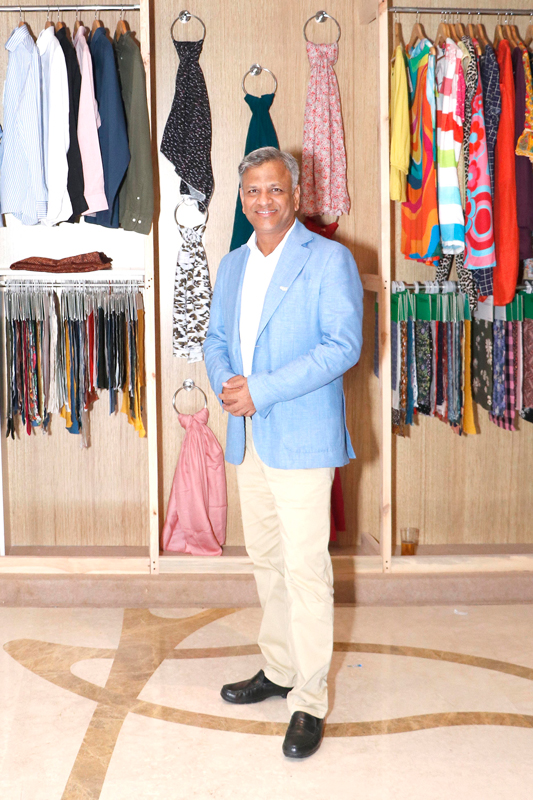
LENZING™ ECOVERO™ Eco Viscose As Sustainable Botanical Alternative

Jayaraman Sethuraman

By Jayaraman Sethuraman

Sustainability has not only become a key consideration for consumers and brands alike, it has also become one of the biggest and most consistent trends the fashion industry has ever observed. For consumers, this has evolved over time to include other considerations, such as comfort and longevity. Materials that can tick most boxes are preferable for consumers but can be hard to come by due to several reasons. For example, the sourcing of natural fibers has become more unstable as global supply chains have faced challenges in recent times. Extreme weathers caused by climate change has also hampered the crop yields of raw materials, causing supply instability.

The price of cotton, one of the key cellulose fibers used in the market, has been fluctuating in recent times due to a lack of acreage, yield, climate change, low opening stock as well as increased production cost caused by a rise in energy price and shipping costs. As prices continue to fluctuate, retailers and manufactures are increasingly looking for quality alternatives with more price stability.

While supply chain players have the option of synthetic alternatives, they do not address the need of consumers who are becoming increasingly aware of the shortcomings of synthetic fibers. Known to be more breathable than synthetic fibers and bring more comfort to users, there is a rising demand for cellulose fibers to cater for both comfort and sustainability in textile products, opening the door for wood-based fibers to be viewed as an alternative to cotton.

As a wood-based cellulosic fiber, viscose is often preferred by price-sensitive spinners and fabric markers in the market. Out of the 7 percent wood-based cellulosic fibers consumed globally, 76 percent of the fibers are viscose. Despite the popularity, viscose has historically been perceived to have a negative impact on the environment due to the methods adopted by many manufacturers, where toxic chemicals and non-renewable energy sources are often used to process the fibers.

Hence, to reduce environmental footprint of finished products, it is important to look into the sourcing and production process of the viscose fiber. For instance, the wood and pulp used in the production of LENZING™ ECOVERO™ viscose fibers come from certified and controlled sources following the stringent guidelines of the Lenzing Wood and Pulp Policy. In addition, the production process of Lenzing Ecovero branded specialty viscose fibers has up to 50-percent lower water impact and up to 50-percent lower carbon emissions when compared with conventional viscose fibers, as confirmed by the Higg Material Sustainability Index. Certified by EU Ecolabel for textile products and ranked among the top global viscose producers in the world, Lenzing Ecovero offers a sustainable eco-viscose choice that answers consumers’ need for comfort and sustainability.


Editor’s Note: Jayaraman Sethuraman is senior commercial director for AMEA & NEA textile business, Lenzing AG, Austria.


November 22, 2022

Does The Pareto Principle Work In Spinning?

Assessing its role with Uster contamination control in yarn production

TW Special Report

Profitability is obviously a basic requirement for spinners, so how might they benefit from applying wider economic ideas alongside established ways of improving mill productivity? This article examines contamination-controlled spinning from the viewpoint of one such well-known concept — the Pareto Principle — and assesses its validity in a yarn production environment.

In the late 19th Century, Italian economist Vilfredo Pareto made the initial observations on which the Pareto Principle is based. Also known as the 80-20 rule, it suggests that in many cases only 20 percent of the effort put in will account for 80 percent of the result. This imbalance between input and output has been used in business to choose priorities and focus on the most effective areas to bring the greatest reward. Although not a hard and fast rule, the Pareto Principle can help to increase productivity and efficiency in industrial settings.

Specifically, it can be applied to determine best practice in some elements of spinning when focused on contamination control.

Small Effort, Big Effect

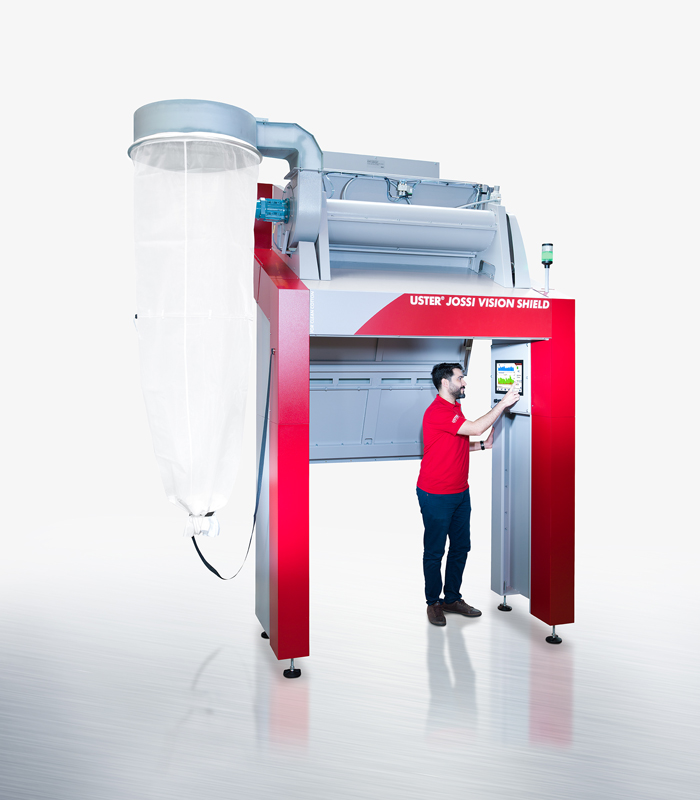
Experienced spinners know that contamination control in the blowroom exactly follows this principle. Correct positioning of the fiber cleaning system — at the point where the fibers are most open — is crucial. Contaminants might otherwise be hidden inside bigger tufts, but not with Uster Jossi Vision Shield at the fiber opening stage.

Uster Jossi Vision Shield is backed by 20 years experience. Conventional camera-based systems cannot match its performance. Operating across a much greater wavelength, Uster’s spectroscopes can find contamination even within the ‘invisible’ range of IR and UV light. Fragments of contamination in light pastel colors and white also pose no problem.

The Final Check

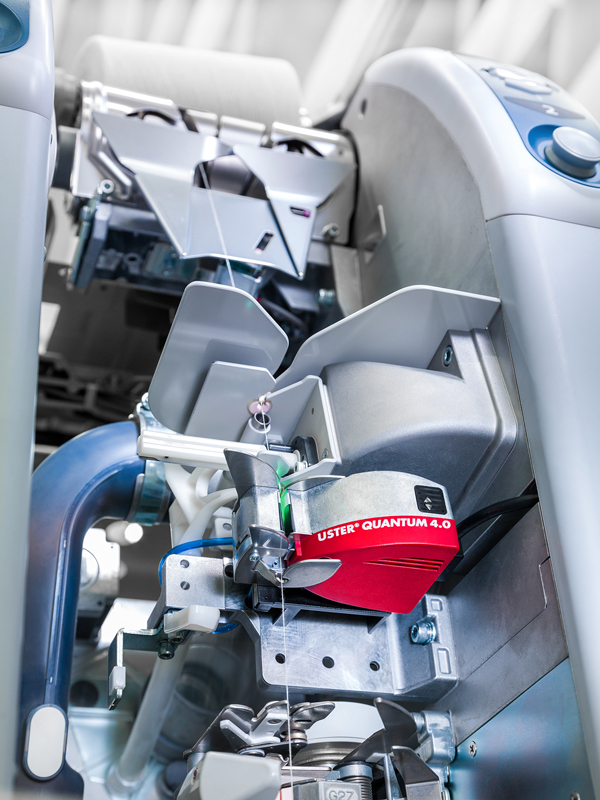
Any remaining contamination or defects will then be identified and removed by the final-stage check at the Quantum 4.0 yarn clearers, which will ensure the yarn meets customer requirements. The good news for spinners wondering about capacitive or optical clearing for a new production line, or for retrofit, is that Uster Quantum 4.0 has both capacitive and optical sensors, applicable to different yarns and changing conditions.

The Non-Pareto Effect

The second part of the Pareto concept — that the ‘other’ 20 percent of the results require 80 percet of the effort, does not actually apply for contamination-controlled yarn production. The principle here is “managing remaining contaminants in yarns at minimum possible cost,”  and the solution is Total Contamination Control, which achieves far more than any 20/80 correlation! Total Contamination Control means precisely controlled contamination levels in yarns, with minimum waste as an integrated solution.

Total Contamination Control (TCC) balances ejections in the blowroom along with cuts in winding in the most advanced way. Uster Jossi Vision Shield and Uster Quantum 4.0 are two perfectly-linked systems in the production process, minimizing the risk of foreign matter quality issues and focusing on defined quality and profitability.

TCC is an Uster Value module with Quality Expert, which also reveals optimization potential to save costs. Data from Uster Jossi Vision Shield and Uster Quantum 4.0 combined with Uster’s long experience in contamination control, answer the following key questions in practice. What is the right level of contamination removal? How does fiber cleaning and yarn clearing achieve consistent levels of contamination that will satisfy the customer requirements? And how does it prevent waste of good material?

Beyond Pareto

Vilfredo Pareto of course couldn’t know, more than 100 years ago, about Uster’s preventive yarn clearing. This solution follows its own rules: preventive means that there’s no 20 percent or anything remaining needing extra effort, but there is security. The new combined clearing and enhanced detection modes protect yarn quality, while reducing cuts at the same time.

Furthermore, disturbing defects cannot pass, so that issues in downstream processes are prevented. Upstream, connectivity to Uster’s quality management platform contributes to preventive yarn clearing. Perhaps preventive yarn clearing could be called a 100/0 rule?

November 22, 2022

Building Trust In Dope-Dyed And Vegetable-Dyed Textiles

TW Special Report

When a consumer buys a clothing or textile product, the choices they make are more affected than ever before by concerns over health, safety and sustainability. They want products that reflect their values, and they are actively looking for evidence that a product is better for society, human health and the environment.

Textile dyeing is now an area of increasing concern. Traditional methods have been wasteful, requiring harmful chemicals and the use of large amounts of water and energy. These harmful chemicals are often lost into the process effluent and dumped into the environment.

Brands and consumers want commercial alternatives that provide improved sustainability, without a loss in quality. Forward-thinking manufacturers are turning to alternative dyeing techniques, such as dope dyeing and vegetable dyeing, to meet these requirements.

Dope Dye

Alternatively known as spun dyeing or coloration, mass coloration or dyeing, or solution dyeing, this technique involves the coloring matter being incorporated into a polymer solution, or polymer melt, before the fiber filament formation. It is an increasingly popular technique for coloring textiles, compared to piece dyeing.

Since the color is incorporated directly into the fiber, it provides exemplary colorfastness and superior coloring matter dispersal. This method also negates dye loss into effluents and ends the need for after-treatments and additional rinsing. However, it is only applicable to manufactured fibers, therefore slow to change and making it difficult to adapt quickly to changes in fashion.

Vegetable Dye

Many brands are also turning to natural dyes to improve sustainability. These dyes are biodegradable, renewable, and have a reduced negative impact on human health and the environment.

As the name suggests, vegetable dyes originate from plants — their seeds, flowers, roots, leaves, fruits, etc. While they are better for the planet, they do also have limitations for the manufacturer — poorer colorfastness and reproducibility of shades and a low affinity for synthetic fibers.

Challenge

These two dyeing techniques offer the textile industry multiple advantages in terms of reducing their environmental footprint while meeting the changing demands of consumers. However, without independent laboratory analysis, it can be difficult to differentiate between textiles that are dyed using traditional methods and those that have been dope or vegetable dyed.

This creates a challenge for garment makers and brands: how do they build trust in their products and demonstrate to consumers and buyers that they have used these alternative methodologies when dyeing fibers?

The solution is independent screening by a third-party service provider and the application of a recognized product mark that both consumers and retailers can understand and trust.

SGS Solution

SGS has developed two dedicated screening services to help manufacturers and brands confirm the dyeing method used in their products:

  • SGS dope dyeing verification service; and
  • SGS vegetable dyed material verification service.

Using an analytical laboratory testing approach that covers colorant type and/or index ingredients, SGS is able to differentiate between vegetable dyes, normal dyes, pigment dyes and dope dyes.

Once the dyeing method has been corroborated, the product can carry the SGS Independently Checked (IC) Mark. This is a clear indication to the buyer that a fabric or product has been independently verified as conforming to agreed test parameters, including dyeing criteria.

To display the mark, a product must undergo:

  • Laboratory analysis to verify dyeing method;
  • Compliance testing against mandatory regulations;
  • Document review and on-site/remote assessment of manufacturing processes; and
  • Restricted substances testing.

The mark also contains a QR code that gives stakeholders access to details of the used test criteria, thereby improving transparency and consumer trust. After all, in the end, it’s only trusted because it’s tested.

November 22, 2022

Upscale Your Performance: 100-Percent Color Monitoring Leads The Way

TW Special Report

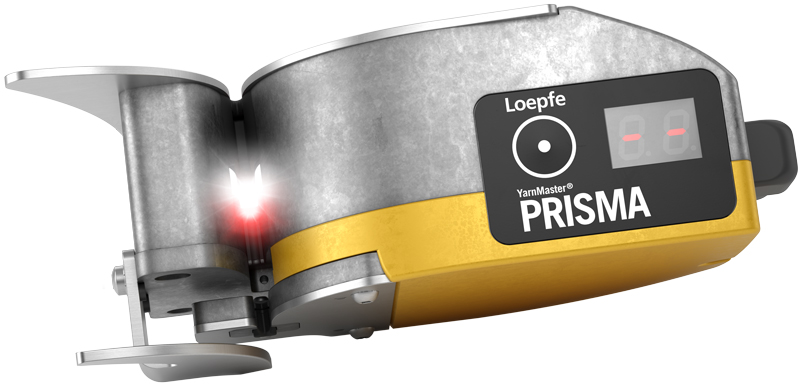
Profitability is taken to the next level with the best technology on the market. Resource conservation and utilization are — and remain — two of the most important aspects in all manufacturing processes. So, spinners rely on YarnMaster® PRISMA to take them another step towards maximum profitability.

Once again, Loepfe delivers pioneering technology to the textile market. As proven in the latest customer trial, the detection of foreign matter in all colors opens up new possibilities in terms of quality, profitability, optimal use of raw materials and process optimization.

Maximum Performance With 100-Percent Color Monitoring

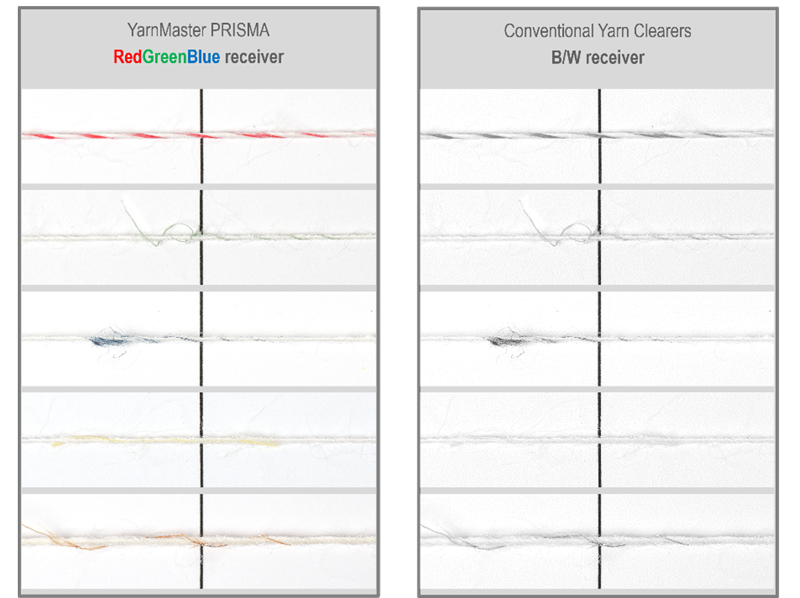
Seeing is believing. The control and handling of contamination in cotton are some of the biggest challenges in spinning technology. With the introduction of YarnMaster PRISMA, Loepfe has set a new benchmark in quality control, especially for cotton, but also for colored yarns, melange yarns and man-made fibers. Loepfe’s newly developed F-sensor enables 100-percent color management for the first time in the history of yarn clearing. True foreign matter detection eliminates unjustified cuts which directly leads to higher performance and a reduction in yarn waste.

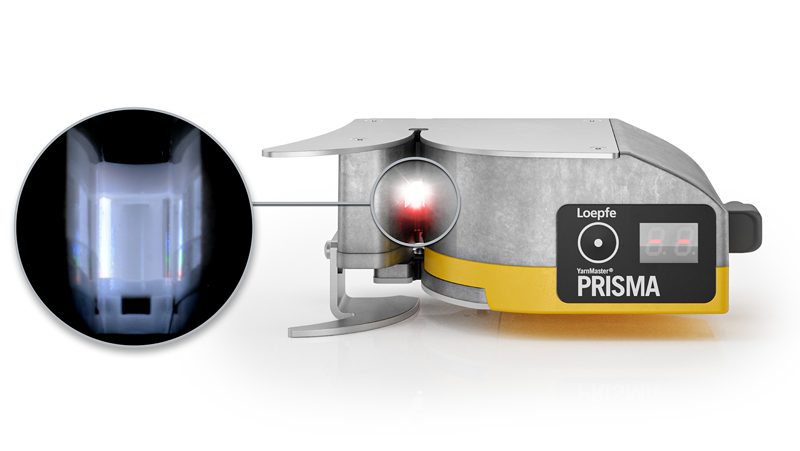
Figure 1: RGB color lightning within the clearing channel

The RGB technology used by Loepfe to detect foreign matter and organic components of cotton, is based on detection with the full spectrum of light. The yarn gets illuminated in the full spectrum of light using the additive RGB color model. This unique technology for yarn quality control uses the three primary colors — red, green and blue — adding wavelength to enable full-color monitoring, a globally unique feature. RGB technology makes it possible for the first time to precisely detect all colors, thus scan the whole raw material and classify the unwanted components within it.


Optimized reflection and adapted optical technology in PRISMA further results in 360° all-round monitoring. This novel clearing technology achieves unprecedented precision in the yarn clearing of staple fibers.

Figure 2: How foreign matter is seen by the sensors

Production Optimization Through A Cut History Overview

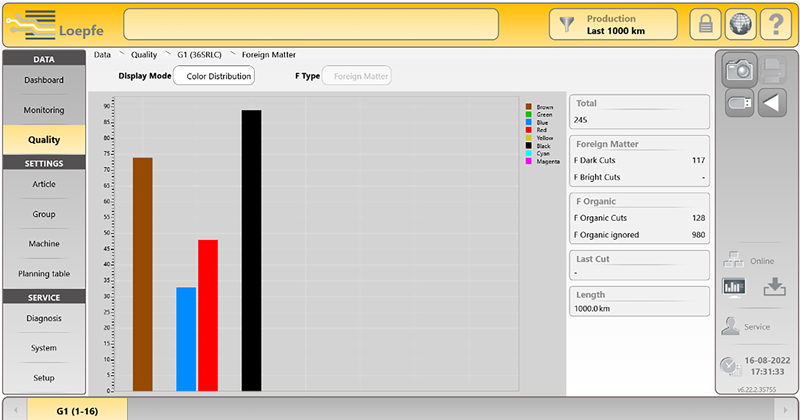
The PRISMA operating system provides a Cut History in which the detected colors are displayed for each cut. This enables data-based decisions on quality–mill management optimization and helps to increase efficiency from the blow room to the winding machine. This unique feature provides important information about 100 percent of the spun yarn and opens up new possibilities in raw material selection, blending, and cleaning.

Figure 3: Foreign matter color mapping

Only The Necessary: Intelligent Organic Filtering

PRISMA’s uniqueness supports increases in efficiency with a holistic approach. The PRISMA software system uses algorithms and statistical models to analyze and draw inferences from data patterns, ensuring recognition of all possible organic matter.

In addition to color management, RGB technology enables color-oriented selection of organic material in the cotton yarn, which does not necessarily have to be removed, as it does not cause disturbances in downstream process steps and is eliminated by other means.

Loepfe has fed the system with thousands of samples of organics, showing what they look like and how disturbing they are. The system can then recognize the organics without following explicit instructions, relying instead on the collection of organics and the patterns it has made from it. Customers can benefit from this intelligent organic filtering which offers an even more accurate detection of organic substances. The filter has learned whether organics need to be removed or not, leading to considerable savings, clearer cuts and higher winding efficiency. Machine learning methods take the organic clearing function to the next level.

Trials with several customers have shown that PRISMA is able to maintain yarn quality while increasing clearing efficiency through a lower cut-rate. This is achieved by the unique combination of software and precise and sensitive sensor technology which allows error-free detection and classification of disturbing or non-disturbing defects.

Focus On Customer Needs: Customer Trial Results

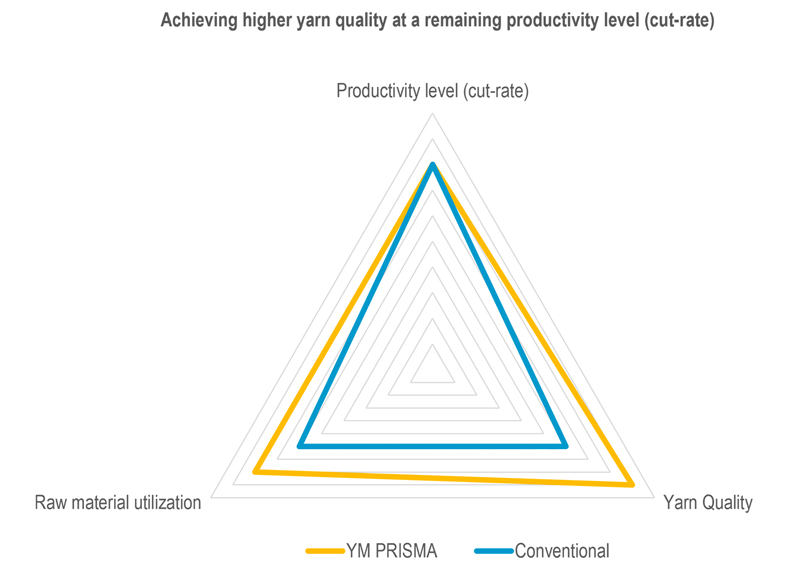
In production, certain parameters are given. The level of efficiency to be profitable and the level of yarn quality to guarantee flawless further production. Various customer tests have shown that the unique measuring technologies of PRISMA enables the producers to achieve a higher yarn quality at a fixed cut-rate, i.e. a fixed productivity level, or vice versa provides a higher productivity (lower cut-rate) at a given yarn quality.

Figure 4: Customer test result

Figure 4 shows a test carried out with a customer in China manufacturing an Ne 60 compact yarn. Since the yarn quality now produced is not always satisfying, the goal was to reach a higher yarn quality while keeping the defined level of productivity (cut-rate).

The on-site test showed that the target — higher quality while maintaining the cut-rate — was met. This important production optimization was achieved by the more precise removal of colored foreign matter and fewer cuts on non-disturbing organic events. This result also achieves improvements in raw material utilization, since a higher quality could be achieved from the same raw material with the same cut-rate. The performance of PRISMA convinced the customer and leaves him room for further optimization of his profitability. This new and trend-setting innovation shows once again how further optimization of spinning mills can be achieved through 100 percent online quality control with the latest technology on the market.

November 22, 2022

Researchers Eye Embroidery As Low-Cost Solution For Making Wearable Electronics

TW Special Report

Embroidering power-generating yarns onto fabric allowed researchers to embed a self-powered, numerical touch-pad and movement sensors into clothing. The technique offers a low-cost, scalable potential method for making wearable devices.

“Our technique uses embroidery, which is pretty simple — you can stitch our yarns directly on the fabric,” said the study’s lead author Rong Yin, assistant professor of textile engineering, chemistry and science at North Carolina State University. “During fabric production, you don’t need to consider anything about the wearable devices. You can integrate the power-generating yarns after the clothing item has been made.”

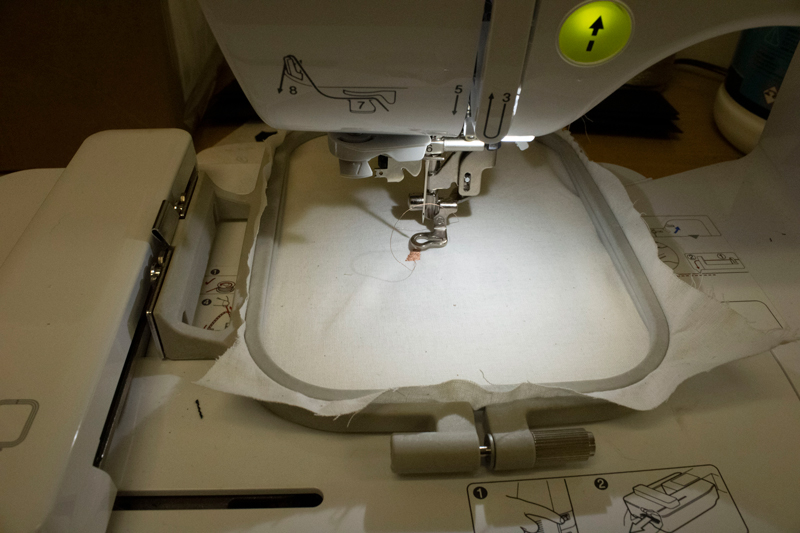
In the study published in Nano Energy, researchers tested multiple designs for power-generating yarns. To make them durable enough to withstand the tension and bending of the embroidery stitching process, they ultimately used five commercially available copper wires, which had a thin polyurethane coating, together. Then, they stitched them onto cotton fabric with another material called PTFE.

“This is a low-cost method for making wearable electronics using commercially available products,” Yin said. “The electrical properties of our prototypes were comparable to other designs that relied on the same power generation mechanism.”

The researchers relied on a method of generating electricity called the “triboelectric effect,” which involves harnessing electrons exchanged by two different materials, like static electricity. They found the PTFE fabric had the best performance in terms of voltage and current when in contact with the polyurethane-coated copper wires, as compared to other types of fabric that they tested, including cotton and silk. They also tested coating the embroidery samples in plasma to increase the effect.

“In our design, you have two layers – one is your conductive, polyurethane-coated copper wires, and the other is PTFE, and they have a gap between them,” Yin said. “When the two non-conductive materials come into contact with each other, one material will lose some electrons, and some will get some electrons. When you link them together, there will be a current.”

Researchers tested their yarns as motion sensors by embroidering them with the PTFE fabric on denim. They placed the embroidery patches on the palm, under the arm, at the elbow and at the knee to track electrical signals generated as a person moves. They also attached fabric with their embroidery on the insole of a shoe to test its use as a pedometer, finding their electrical signals varied depending on whether the person was walking, running or jumping.

Lastly, they tested their yarns in a textile-based numeric keypad on the arm, which they made by embroidering numbers on a piece of cotton fabric, and attaching them to a piece of PTFE fabric. Depending on the number that the person pushed on the keypad, they saw different electrical signals generated for each number.

“You can embroider our yarns onto clothes, and when you move, it generates an electrical signal, and those signals can be used as a sensor,” Yin said. “When we put the embroidery in a shoe, if you are running, it generates a higher voltage than if you were just walking. When we stitched numbers onto fabric, and press them, it generates a different voltage for each number. It could be used as an interface.”

Since textile products will inevitably be washed, they tested the durability of their embroidery design in a series of washing and rubbing tests. After hand washing and rinsing the embroidery with detergent, and drying it in an oven, they found no difference or a slight increase in voltage. For the prototype coated in plasma, they found weakened but still superior performance compared with the original sample. After an abrasion test, they found that there was no significant change in electrical output performance of their designs after 10,000 rubbing cycles.

In future work, they plan to integrate their sensors with other devices to add more functions.

“The next step is to integrate these sensors into a wearable system,” Yin said.

The study, “Flexible, durable and washable triboelectric yarn and embroidery for self-powered sensing and human-machine interaction,” was published online in Nano Energy. Co-authors included Yu Chen, Erdong Chen, Zihao Wang, Yali Ling, Rosie Fisher, Mengjiao Li, Jacob Hart, Weilei Mu, Wei Gao, Xiaoming Tao and Bao Yang. Funding was provided by North Carolina State University through the NC State Faculty Research & Professional Development Fund and the NC State Summer REU program.

November 22, 2022

Arkema Increases Its Bio-Based Offer With A New Range Of Mass Balance* Acrylic Materials

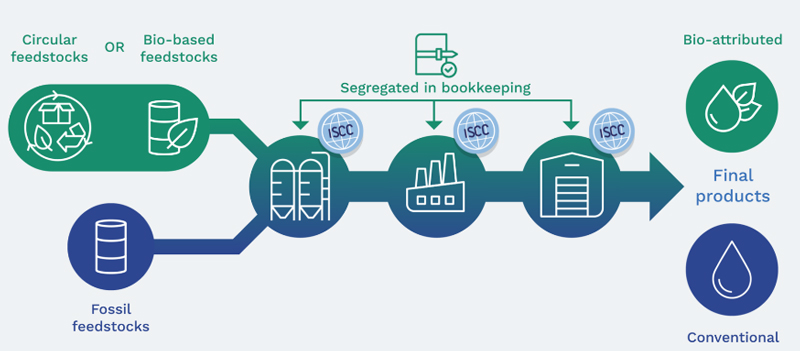
COLOMBES, France — November 21, 2022 — Arkema announces a major step forward in its innovative sustainable offer with the certification of a range of bio-attributed acrylic monomers using the mass balance approach. These monomers enable Arkema to start offering certified bio-attributed specialty acrylic additives and resins for a wide range of applications. This positions the Group as a global leader in the offer of bio-attributed acrylic materials and as a key partner for customers on the market.

The launch of Arkema’s new range** of bio-attributed acrylic monomers and specialty acrylic additives and resins, mass-balance certified under the International Sustainability and Carbon Certification-PLUS (ISCC+) framework, is a key milestone in the transition to a more renewable and lower carbon economy. The replacement of fossil feedstock by bio/bio-circular feedstock will support Arkema’s customers in achieving their climate plan goals by reducing their scope 3 greenhouse gas emissions.

“The development of these bio-attributed acrylic materials is an important step on the sustainable development roadmap of Arkema and its Coating Solutions segment,” said Hervé Castres Saint Martin, Global Group President Acrylic Monomers. “These innovative products deliver the same high quality and performance that our customers expect from us, while at the same time enabling them to lower their own carbon footprint.”

Complementing Arkema’s leading segregated bio-based offer

Arkema’s use of the mass balance approach in the manufacture of bio-attributed solutions complements the bio-based segregated polymers, resins and additives Arkema is already offering. These performance bio-based segregated solutions are, to name a few:
RILSAN® and Pebax® Rnew® polyamide 11 advanced polymers, SARTOMER® Sarbio UV-curing resins, SYNAQUA® alkyd emulsions, CRAYVALLAC® and COAPUR® rheology additives.

“Engaging in both complementary approaches of mass balance and physical segregation accelerates our innovation in renewable materials for our customers and partners, to help them achieve their own sustainable development targets,” said Richard Jenkins, senior vice president, Arkema Coating Solutions. “In line with Arkema’s newly reinforced commitment to the Paris Agreement, we are working diligently to reduce our environmental footprint while developing innovative materials for a more sustainable world.”


* Mass Balance : Mass balance chain of custody is designed to track the total amount of the content in scope through the production system and ensure an appropriate allocation of this content to the finished goods based on auditable bookkeeping. Property conservation principle is set to ensure that the total certified output does not exceed its original input and take into account the appropriate conversion losses and production / assembly ratios.

**Arkema plants newly certified are Carling (FR) for acrylic monomers, Genay (FR) for specialty acrylic additives and Zwickau (GE) for specialty acrylic resins. In further development phases, the production of certified bio-attributed acrylic materials will extend in Europe and other regions. This dynamic promises great potential for customers and partners to develop next-generation sustainable market solutions with Arkema.


Posted November 22, 2022

Source: Arkema

Sustainability And Circularity In Dye-Sub Printing

TW Special Report

Nowadays Textile Printing industry faces a huge challenge: to carry out a sustainable production chain, thus ensuring a cost-effective printing output. Textile industry consists of an extremely complex and lengthy supply chain, which involves many different processes and various partners. Manufacturers and retailers have been focusing in reducing the environmental impact of the textile industry, still sustainability and circularity require a lot of shared commitment of the players involved in every single stage of the process.

This positive evolution of the full production chain requires time. We find ourselves to be at a turning point as different technologies rise such as  textile printing with pigment inks. In the meantime, there are some immediate and effective actions to do, one of them is to consider dye-sub printing.

Dye-sub is an opportunity for digital textile printing and numbers confirm this statement. Dye-sub enables around 40-percent gas saving and around 20-percent electricity saving1 thanks to: a short process, no-padding, dry heat, no-washing and no-steaming. That’s why dye-sub formulas will continue to be extremely popular. In 2026 this ink type is forecast to be the dominant one with more than 6,000 metric tonnes2.

In 2020 the annual production of around 57 million metric tons3 of polyester had a market share of approximately 52 percent of the global fiber production. Recycled polyester is a fast-growing trend, with an increase of around 500 percent from 2019 to 20224. Dye-sub printing enables around 99 percent water savings, because around 98 percent of the water used in paper production is recycled after being used. Recycled polyester is an almost closed virtuous circle, whose effectiveness is demonstrated by the public commitments of Textile Exchange members. Various globally known brands are already committed to recycled polyester, many more are on a path leading to the use of recycled polyester or polyester coming from more sustainable sources, accordingly to the data provided by Textile Exchange Preferred Fiber & Materials Market Report 20215.

Paper is an almost completely virtuous circle. Paper can be 100 percent recycled after the use and this alone is a huge advantage. In addition, using low weight paper reduces the carbon footprint of 40g/m2. In order to produce paper, you need 3.7L/kg, but around 98 percent of the water used in the process is re-used6. It’s a circular process inside another circular process. So, in dye-sub printing: two of the main raw materials involved have a relatively low environmental impact and they have an almost ideal circularity in their processes.

But this is not all that is necessary. To carry out a sustainable production chain it is important to manage and track the suppliers and the chemicals by partnering with suppliers and by removing hazardous substances from the manufacturing process, and the increase in talks about traceability seems to confirm this tendency.

This is exactly what J.K. Group does for its inks, which are environmentally friendly, since we put a lot of effort in research and development to innovate more and more and reach top-tier certified quality, complying with regulatories (such as GHS), ZDHC MRSL PARAMETERS L3, brand owners’ standard MRSL lists, ECO PASSPORT by OEKO-TEX®, together with constantly updating already existing inks’ formulas to always be aligned with regulatories.

MS Printing Solutions also puts a lot of effort in carrying out a sustainable production chain, choosing a supplier that understands the importance of sustainable machinery certification is essential to achieve an energetical and environmental performance, an eco-efficient value of the machine and a lower carbon footprint in working condition. MS Printing Solutions is perfectly aware of this, that’s why it joined the “Sustainable Technologies” project launched by ACIMIT, the Association of Italian Textile Machinery Manufacturers. The gold standard of this project is the Green Label: a voluntary declaration by Italian textile machinery manufacturers designed to highlight the energy and/or environmental performance of a given machine, calculated in reference to a production cycle defined by the manufacturer for labelled machinery. Without internationally recognized standards for classifying energy and/or environmental performance for textile machinery, Italian manufacturers highlight some machinery performance data.

New times call for new strategies and today, more than ever before, a sustainable approach must be adopted in every stage of the entire supply chain. We find ourselves at a tipping point and we must act for our industry’s green future.


References:

1 Data source www.sublitex.com
2 J. Link, Ink market review forecasts modest contractions, WTiN, 2 September 2022, on www.wtin.com
3 Textile Exchange, Preferred Fiber & Materials Market Report 2021 on www.textileexchange.org
4 Data Source LARIOTEX
5 Data accessible on www.textileexchange.org
6 Data source www.beaverpaper.com


This sponsored content was provided by JK Group


November 22, 2022

Sponsors