Additive Manufacturing: What You Need to Know

TW Special Report

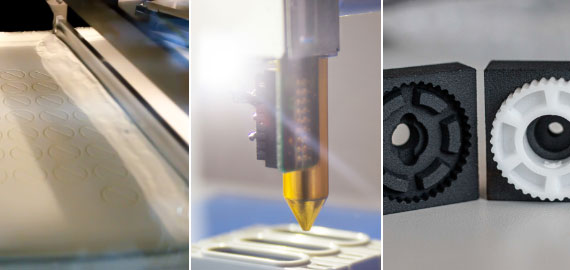
Additive manufacturing refers to a process by which digital 3D design data is used to build up a component in layers by depositing material. It is becoming more widely used, and has many advantages. Paul Gomer, an additive manufacturing development engineer at igus, offers insight on additive manufacturing.

TW: How do you rate the development of additive manufacturing? Will it replace or replace other procedures? Which are they?

Gomer: Additive manufacturing is becoming increasingly important in production. The advantages are obvious: I can produce customer-specific components in a short time, without any tool molds or changeover costs. The customer benefits immensely from this because he receives his specific part quickly and at a lower price. That is why we at igus have significantly increased capacities in additive manufacturing. In addition to the FDM and SLA printers, the majority of the 3D-printed special solutions are now produced on SLS printers with two available Tribo materials. Nevertheless: in comparison, injection molding today still allows a significantly higher output at lower costs. It always depends, do I only need one or two parts, a small or medium series or do I go into mass production. Depending on the answer, as a customer I choose the manufacturing process that suits me and keeps costs down for me.

TW: Additive manufacturing always involves two things: precise 3D printers and high-performance materials. What requirements do such materials have to meet?

Gomer: We focus on wear resistance when manufacturing special parts. This is the be-all and end-all. Comparative tests in our test laboratory have shown that the wear resistance of the additively manufactured parts is absolutely comparable with the corresponding injection molded parts. Nevertheless, the material selection in 3D printing is currently still significantly less than in injection molding. In injection molding, for example, there are reinforced materials that we cannot currently process in this way.

TW: What trends can you see in the development of new materials for 3D printing? What will be possible soon?

Gomer: In principle, many materials can already be processed using 3D printing, for example ceramics, metals, standard, technical plastics or, as with us: high-performance polymers. The industry recognizes that well-known material suppliers have now also gotten involved in the topic. There is the ability to develop materials specially adapted for 3D printing and thus qualify previously impossible materials, for example for filament printing. This also makes the materials easier to process and the parts much more resilient. This allows the use of this technology in demanding areas and industries. An exciting question is the economical (series) production of multi-material components for the introduction of even more targeted material properties. In individual cases, hard-soft combinations can already be implemented, but further technological developments are still required for scalability.

TW: What are the challenges?

Gomer: The FDM process is currently more suitable than the SLS process because the technology is less demanding but more flexible. Due to the higher productivity of the SLS process, the handling of multi-materials needs to be further developed. The challenge remains for the user and the designer to offer an established and broader selection of materials with reliable and traceable material properties. One topic here is to improve the orientation-dependent and process-specific anisotropic property differences. Another aspect is compliance with quality assurance standards, which are required in many industries such as automotive or aviation.

TW: Are there any new materials currently? What are they and what are their characteristics? Are there any unique selling points for igus?

Gomer: We recently developed our lubricant-free material iglide J350 into a tribo filament. To do this, we would have to design a new high-temperature printer that can process the filament. In the new 3D printer, we rely on the igus standard components that work reliably even at high installation space temperatures. We use a nozzle that is at a temperature of up to 400 degrees Celsius.

The filament can melt. With iglide J350 we were able to develop a new filament for high-temperature environments and test it extensively. The high-performance plastic is characterized by its extremely high wear resistance and its very low coefficients of friction on steel. The endurance runner is particularly suitable for rotations and has a high dimensional stability at temperatures up to 180 degrees Celsius. Medium to high loads are no problem for iglide J350.

TW: How do you go about developing new materials?

Gomer: First and foremost, when developing a new material, we respond to specific customer requests that result from the wide range of applications. At the same time, materials must meet industry-specific requirements and be easy to process. In the area of ​​3D printing, materials have to be developed specifically for the respective manufacturing technology, since the additive processes differ significantly in detail. Our primary focus in material development is the evaluation of the process capability of a material and the early analysis of wear resistance. Standard test components are manufactured and extensively tested on our test benches.

TW: What needs to be considered for special solutions such as cosmetics and food? Are there other special solutions?

Gomer: In the area of ​​the cosmetics and food industry there are special requirements, for example by the EU. With iglide I150, we have therefore developed a filament that complies with EU Regulation 10/2011. This is particularly easy to process using the FDM process. Industries and applications in hygienically sensitive areas, for example in the pharmaceutical and food industries, benefit from iglide I150.

TW: Could you tell us something about the worm gear user example and the iglide I6-PL laser sinter material? What was the task, the big challenge and how could you master it?

Gomer: The worm wheels are used, for example, in our Robolink gearboxes and therefore also in articulated arm robots. On the one hand, these must be easy and inexpensive, but above all, be wear-resistant. That is why we developed the iglide I6 laser sintering material for such applications. For iglide I6 it was shown that the material has a particularly high wear resistance and therefore a particularly long service life. A worm gear with 5 Nm torque and 12 rpm was tested in comparison with the materials previously used for SLS printing. The worm wheel made of the new iglide I6-PL laser sintered material showed only slight wear after 1 million cycles and was still fully functional. Milled worm gears made of POM showed total wear after only 621,000 cycles, while milled worm gears made of PBT already broke after 155,000 cycles.

TW: What options do you have in your test laboratory? What is going on there? Are there any identifiable benefits or even unique selling points?

Gomer: Our entire area for application and material testing extends over 3,800 square meters. Every business area has its own test laboratory here and we test some product areas together. For example, we test the chainflex cables in our own energy chains on 1,500 square meters. There is an outdoor area of ​​2,000 square meters available for particularly long travel distances. iglide plain bearings, drylin linear bearings and our low-cost automation components are tested on a good 300 square meters. This means that we operate not only the largest test laboratory in terms of area, but also the one with the highest number of product tests and test procedures. In addition to coefficient of friction test stands, wear rates are determined, for example, for linear, swivel and rotation applications. If necessary, we also test customer-specific under real conditions. The special added value for our customers lies above all in our numerous free online tools with test results in prepared form. In particular, our life cycle calculator helps you select and purchase the right products. With just a few details about its application, the customer can get an overview of suitable articles from 58 iglide materials – including 3D printing materials.

TW: What does the 3D printing service include? What are the advantages for the customer?

Gomer: In the 3D printing service, the customer can upload the STEP file of their desired component, after which they have the option of choosing the right material for their application. So, he also determines the manufacturing process. For example, if the customer would like to produce a part ready for series production from an iglide material that we cannot process using 3D printing, the Print2Mould process is ideal. Here we manufacture an injection molding tool in 3D printing, which is then inserted into the injection molding machine. Alternatively, the customer can also have their part manufactured using the SLS process with our two laser sintering materials iglide I3 and iglide I6 or use 3D printing of their part using the FDM process with one of our 7 tribologically optimized FDM materials. The customer always has a wide selection of materials, as well as a transparent cost overview and can easily order their desired part online at any time.


Editor’s Note: igus® is a Germany-based complex, technical polymer components company with U.S. headquarters in Rhode Island. The company uses its innovative polymer materials to develop products that provide creative solutions and exceed its customers’ expectations.


April 24, 2020
Case Study: Panam Group Increased Forward Plan Visibility From Three To 12 Months With FastReactPlan By Coats Digital

TW Special Report

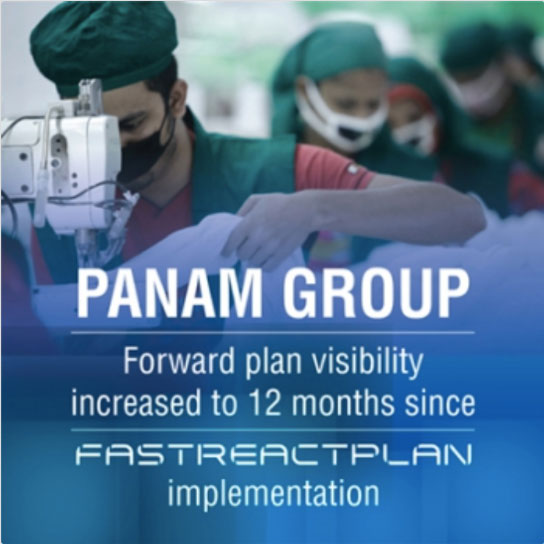
Coats Digital, a technology provider empowering the fashion supply chain through a digital ecosystem, announced that Panam Group has been able to increase its forward plan visibility from three to 12 months with Coats Digital solution, FastReactPlan. Panam Group was established in Dhaka, Bangladesh in 2001. Panam group has grown into a world-class knit garment manufacturer.

FastReactPlan is the market leading production planning solution, designed and developed specifically for apparel and footwear manufacturers and used successfully in over 2,000 factories and 40 countries around the world. It is fast to implement, intuitive to use and proven to deliver significant and measurable improvements in delivery, productivity, inventory, speed and cost, driving a return on investment of less than 12 months. Nice group, Esquire Knit, and Epyllion are some of the top manufacturers using FastReactPlan to optimise, connect and accelerate their production planning.

Impressed with the efficiency Balaram Roy Chowdhury, executive director, Panam Group stated:

“It has become much easier to understand buyer trends, factory loading, plan vs. actual and overall production status. We have managed to increase our capacity utilization by as much as 50 percent and improve efficiency by 3 percent as FastReactPlan is giving us the required visibility. This means we have reduced our order confirmation process too by being able to consider open capacity much quicker “

Using the pull system principle, FastReactPlan automatically creates detailed schedules for Panam group from yarn dyeing to finished goods packing considering style and color variations and generates accurate T&A target dates based on the production plan.

The planners at Panam group now have clear visibility of the load vs capacity for each machine group/production process well in advance so they can ensure that sewing demand is achievable and any potential problems can be reviewed during weekly production meetings to ensure staff are proactive rather than reactive.

After successful implementation Rubel Kanta Deb, senior manager (Central Planning) Panam Group, added “Using FastReactPlan’s high level capacity planning board we were able to plan all projection and confirmed orders to the relevant units based on customer, product type and material availability.

“We can now forecast more accurately for the next 6 to 12 months whereas earlier on Excel, we were able to manage a maximum 3 month’s loading. FastReactPlan’s detailed sewing line level planning board gave us the visibility of continuing planning similar product types which drastically improved efficiency.”

April 24, 2020

Invasion Of The Mobile Robots

By Jonathan Wilkins

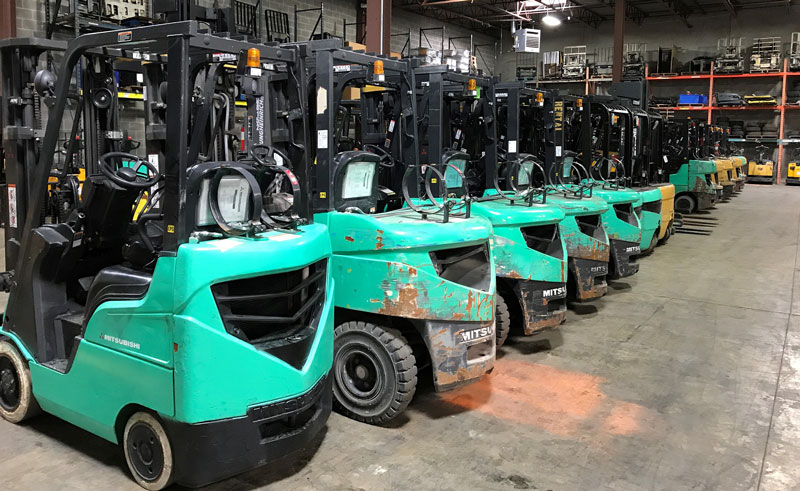
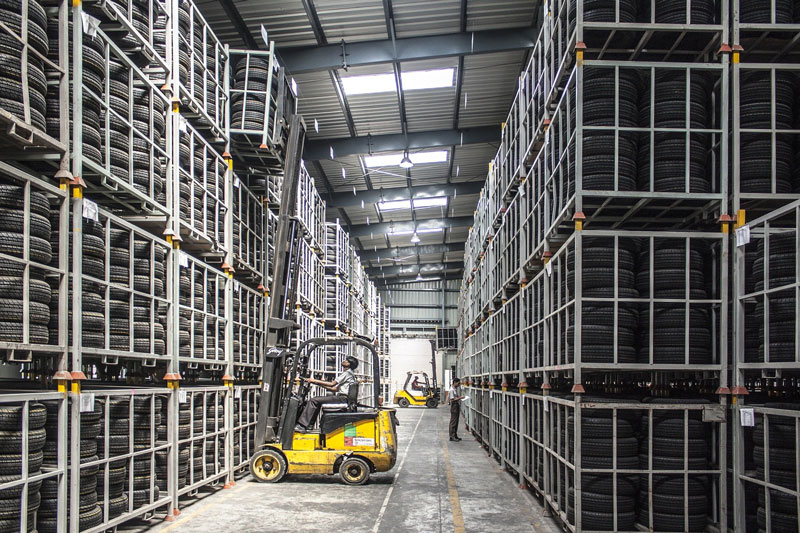
Forklifts account for most injuries to warehouse employees, according to the Occupational Safety and Health Administration (OSHA). The OSHA states that at least 100 workers are killed in warehouses due to forklift accidents, and a further 95,000 are injured every year. Automation can reduce these risks by replacing forklifts in manufacturing.

The manufacturing industry has seen an increase in automated robot technology. According to a recent report by Interact Analysis, the worth of the mobile robot market will rise to $7 billion by 2022.

The technology giant Amazon is one of the larger multinational businesses to have invested heavily in robots. Amazon’s robotic roll-out started in 2012, and it has spent $775 million on Autonomous Mobile Robots (AMRs) to carry products across its facilities. The robots are equipped with sensors for navigation and to avoid risks of collision.

This has resulted in an uplift in productivity, and Amazon today continues to install robots in its warehouses. It currently has more than 200,000 AMRs working alongside human workers. Customers are demanding quicker turnarounds — especially if they’ve paid more money for faster delivery — and automation is a cheaper, safer and more-effective way for Amazon to fulfill these demands.

AMRs can certainly increase efficiency in warehouse environments. But, perhaps more importantly, there are the additional levels of safety that robots can bring for workers. The fact remains that, in the US, the rate of fatal injuries among warehouse workers is higher than the national average for all other industries.

Avoiding Risks

Risks may account for there being a higher shortage of skilled forklift drivers than ever before. Companies require workers to have more technical and analytical skills to operate the vehicle, but finding job-ready new recruits has proven to be an issue for manufacturers. This makes training essential.

However, the training is not straightforward and can prove expensive and time consuming; especially with the many health and safety regulations that companies must abide by. To be awarded their certification, candidates must undergo extensive training for skills like awareness and decision making, which are critical when maneuvering a forklift. Such recruitment procedures are costly for businesses, and many manufacturers are turning to automation as a result.

AMR Options

There are many different kinds of AMR that companies can consider installing in manufacturing or warehousing facilities. For example, the Freight 500, assembled by Fetch Robotics, is an affordable option that has proven to be a massive hit in industry.

But how do humans work around them? The Freight 1500 has lidar sensors and a forward-looking red, green, blue, and depth (RGB-D) camera that enhances conventional images with depth information. There are also LED lights that prevent robots bumping into each other, and into human co-workers!

In addition, the machine comes in different sizes in order to be equipped to carry a variety of products that weigh anything from 500 kilograms (kg) to 1,500 kg. This helps boost productivity and save on inventory space.

Based on the success of AMRs like The Freight 1500, next year will see the first self-driving lift truck enter the market, the OTTO OMEGA. A game changer in the market, the self-driving truck is designed for all industry applications and to help reduce materials handling costs, increase output and improve safety in warehouses.

The human-like OTTO OMEGA autonomously picks up and drops off products, receives and puts away items, delivers parts, transports trash and works with workers to manage complex loading. What’s more, the self-driving truck can learn skills over time by capturing sensor data. This data can then be sent to an engineer, to program new and improved behavioral patterns for the robot.

American warehouse workers walk from between ten to 20 miles a day, picking and placing products according to Vox magazine’s Recode technology supplement. Despite the capability of AMRs to replace labor-consuming jobs, it’s clear that these machines still require much-needed human co-operation.

While the threat of automation to workers’ jobs remains an ongoing concern, few can argue with the role AMRs can play in reducing risks of injury. Regardless of the stage manufacturers are at in automating their warehouses, it’s crucial to consult an experienced obsolete parts supplier.


Editor’s Note: Jonathan Wilkins
is marketing director at
obsolete parts supplier
EU Automation


April 24, 2020

University Hospitals, Cupron Collaborate To Provide Reusable Copper-Infused Masks To Caregivers

CLEVELAND — April 22, 2020 — University Hospitals (UH) in Cleveland announced today the acquisition of 25,000 copper-infused reusable masks from Cupron Inc., a copper-based technology company that harnesses the unique properties of copper for healthcare, consumer, industrial, and military applications.

“UH is one of the first health systems in the country to be allotted shipment of this innovative product,” explained Dr. Daniel I Simon, UH chief clinical and scientific officer and president, UH Cleveland Medical Center. “This copper-infused fabric has been clinically validated to reduce the spread of hospital acquired infections such as C. Diff and MRSA. In utilizing the 25,000 Cupron masks for caregivers who are not treating COVID-19 positive patients, we can free up use of harder-to-obtain surgical masks and in some cases N95 masks.”

Cupron’s proprietary and patented copper technology is blended into the material’s fiber at a specific concentration, similar to inserting other additives, ensuring that their technology remains embedded for the life of the product. Even when repeatedly subjected to the industrial laundering process with high temperatures, high pH values, long cycles, and harsh chemicals, Cupron technology remains effective, rendering these reusable masks a viable solution for caregivers during this unprecedented time.

“We are pleased to collaborate with Cupron on this initiative,” said Dr. Willie Brien, UH chief medical and quality officer. “Through our use of these masks, we will help the company evaluate the clinical and economic effectiveness of deploying this technology in an environment not only taxed for material resources but in a go-forward health care environment where margins are thinning and supply chain efficiencies can help reduce costs while ensuring quality and safety remain intact. The copper technology contained in these masks kills certain germs and will aid in helping us keep our health care workers safe.”

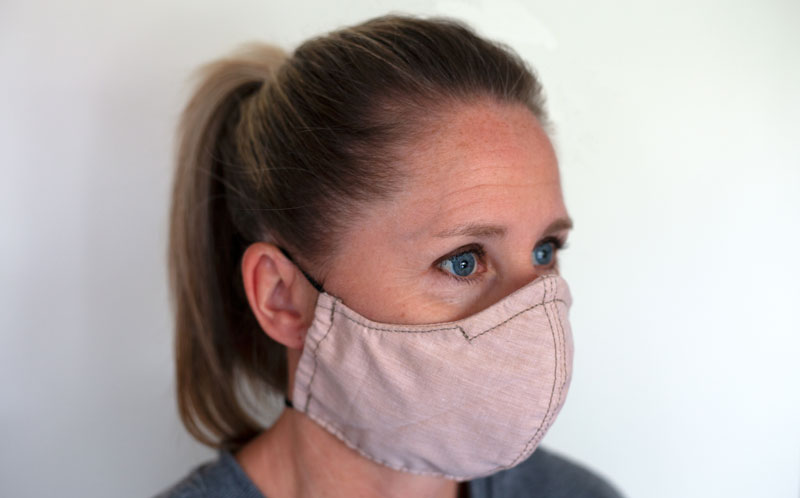
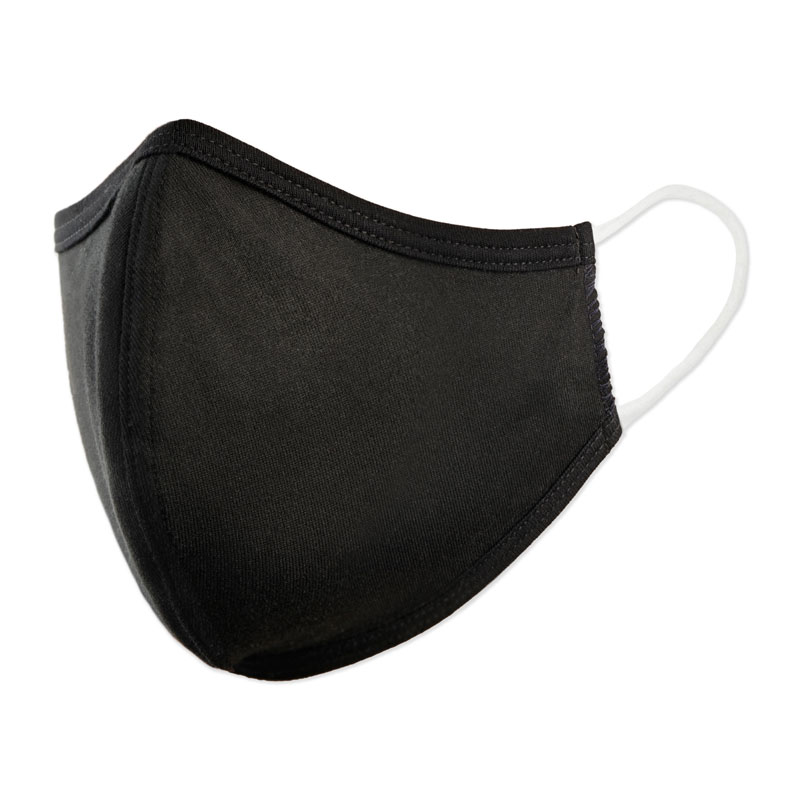
The impact of Cupron’s copper-infused technology on healthcare-associated infections (HAI) has been peer-reviewed and published in several scientific journals. The reusable three-layer face mask is made from a blend of 55 percent cotton and 45 percent Cupron polyester. Cupron fibers are made by an industrial process called “melt extrusion” during which polymer is melted and Cupron Copper particles are added to the molten polymer and extruded into fibers and yarns. This process ensures uniform and consistent distribution of Cupron Copper throughout the fibers. Cupron Copper is physically and permanently embedded in the fibers and the copper and its activity lasts for the life of the linens. Masks can be laundered at home using hot water and regular home detergent, or by a commercial laundry service provider.

“We are privileged to be able to supply one of the largest health systems in Ohio with our innovative product during this pandemic event,” said Chris Andrews, Cupron CEO. “University Hospitals is a proven innovator in the health care industry and we look forward to the clinical feedback and shared learnings that arise from their use of our copper technology.”

Posted April 24, 2020

Source: Cupron Inc.

Oxea Lifts Force Majeure In Oberhausen, Germany

MONHEIM AM RHEIN, Germany — April 23, 2020 — Chemical company Oxea has lifted its declaration of force majeure for 2-ethylhexanol, n-butyraldehyde Europe, and n-butanol Europe.

The declaration of force majeure had become necessary because of an incident at an important raw material supplier at the Oberhausen site on February 21, 2020. As a result of this operational disruption, Oxea had to temporarily restrict supplies of certain products that the company manufactures in Oberhausen.

Posted April 23, 2020

Source: OXEA GmbH

Sporting Goods Brand, StringKing, Now Making Millions Of Face Masks

GARDENA, Calif. — April 23, 2020 — StringKing, a small sporting goods and apparel manufacturer based in Los Angeles, has pivoted to supply millions of face masks and other PPE for general use by hospital systems, essential personnel, and the general public. It is currently producing more than 6 million 3-ply disposable face masks, 3 million protective gowns, and 300,000 reusable cloth face masks just a few weeks after beginning their transition. This week their daily output will reach up to 300,000 3-Layer Face Masks, 70,000 protective gowns, and 40,000 Cloth Face Masks. In addition, they will be donating face masks to those in need, including hospice workers, nursing homes, assisted living facilities, and first responders.

StringKing’s core business is typically making men’s and women’s lacrosse sticks. When the current quarantine meant the cancellation of the entire spring lacrosse season, they went to work figuring out how to keep people employed despite the circumstances. In a matter of days, they completely shifted their entire manufacturing and supply chains to make PPE. Instead of lacrosse sticks, they began supplying 3-layer disposable masks. Instead of custom-fit clothes, their L.A. factory started making washable fabric masks. They are currently increasing production to more than 20,000 units per day with the help of local sewing operators and facilities. To keep up with demand, StringKing has directly hired about 50 garment workers and indirectly employed an additional 50. They are installing more than 50 mask-specific sewing machines at a number of local facilities, adding about 200 more employees to the effort who previously had little or no work during the shutdown.

StringKing has also enacted strict quality control to ensure the safety and effectiveness of all their PPE products. Raw materials are tested before production, and face masks are subject to daily filtration and breathability tests by both the manufacturing facility and a trusted in-house quality control team. Dedicated teams oversee all production to ensure the quality and validity of every product.

StringKing has been based in Los Angeles since 2012 making lacrosse sticks, baseball and softball bats, hockey sticks, and custom-fit apparel. Their mission is to promote confidence, community, and well-being with quality and affordable products.

All StringKing products, including protective face masks and PPE, are available at StringKing.com.

Posted April 23, 2020

Source: StringKing

Taiwan Textile Industry Actively Helping The United States And Global Partners To Combat COVID-19 Pandemic

TAIPEI — April 23, 2020 — Taiwan Textile Federation (TTF), by integrating upstream, midstream, and downstream textile industries and with the help of textile manufacturers such as Formosa Plastic Group, Formosa Chemicals & Fibre Corp., Far Eastern New Century Corp., KNH Enterprise Co. Ltd., China Surgical Dressings Center Co. Ltd. and Chang Hong Machinery Co. Ltd. etc., a complete surgical mask supply chain was formed. Taiwan has transformed from importing country for surgical mask to the second-largest surgical mask producer worldwide with daily production capacity of 15 million units.

Taiwan plays an important role as the “Silicon Valley” for textiles industry globally and is a long-term trusted partner of international brands. With years of research and development efforts in functional textiles, Taiwan textile industry has accumulated experience and technology that allows Taiwan government to form a national epidemic prevention team in the fight against COVID-19 at short notice.

Through the efforts by manufacturers like WEB-PRO Corp., Nan Liu Enterprise Co. Ltd., Eclat Textile Co. Ltd. and Makalot Industrial Co. Ltd. on the “National Team for Hazmat and Protective Clothing”, Taiwan successfully develops and produced the level 3 protective suit in just one month. In the period from March to April, over one million units of isolation gown and 100 thousand units of protective suits were manufactured.

Thanks to the joint efforts of the Taiwan’s textile industry and the government, Taiwan’s performance on epidemic prevention has been recognized internationally. Taiwan is contributing its experience and capabilities, fulfill its international responsibilities, and actively strengthen anti-epidemic cooperation with other countries.

Taiwan has donated 15 million surgical masks to support medical staffs in countries with severe coronavirus outbreak, and will continue to provide support to the international community. Under the Taiwan-U.S. epidemic prevention cooperation framework and in the spirit of “Taiwan can help!”, Taiwan has donated 2 million surgical masks to the U.S. and will continue to help strengthening protection for frontline medical personnel by providing 100 thousand urgently needed surgical masks every week.

In response to these kind acts, The United States White House National Security Council (NSC) thanked Taiwan for its support and collaboration via a tweet while the European Union representative in Taiwan, Filip Grzegorzewski, posted a tweet thanking Taiwan for its swift delivery of masks to countries hardest hit by the pandemic. Furthermore, Microsoft founder Bill Gates also publicly praised Taiwan’s swift action to fight off coronavirus as exemplary. Even the phrase “TaiwansHelping” is turning into a hashtag keyword on Twitter.

Taiwan Textile Federation (TTF), a non-profit organization, plays an important role in Taiwan’s textile industry. In order to assist the textile industry to cope with the competition of globalization, TTF, as commissioned by the Bureau of Foreign Trade, Ministry of Economic Affairs, implements the “Textile Export Promotion Project” (TEPP) by selecting premium textile exporters and promoting their exports through the measures under this project.

As the severe impact of the COVID-19 pandemic continues to spread across the textile and apparel sector, TTF quickly took actions to assist companies in receiving government relief. TTF asking brands to maintain supply-chain partnerships with Taiwan’s textile industry and to regard suppliers as important business partners.

Taiwanese textile manufacturers’ quick action to integrate the resources and capabilities of all parties to combat the COVID-19 pandemic and the ability to assemble a mask and protective clothing production line in a short period of time, has echoed the long recognized traits “quick response,” “reliability,” “sustainable innovation,” and “profound professional knowledge and experience” of Taiwan textile industry. The brands’ trust is precisely why Taiwan has become the first choice for international brand cooperation. At this critical moment, Taiwan’s textile industry is ready to support its partners to weather out this epidemic and work together to focus on the future of medical fabrics and garment market.

Posted April 23, 2020

Source: Taiwan Textile Federation (TTF)

The Acme Group Pivots Business Model To Assist With COVID-19 Pandemic Shortages

BLOOMFIELD HILLS, Mich. — April 23, 2020 — The Acme Group, a provider of industrial textiles and textile solutions, announces the company’s pivot in the wake of the COVID-19 pandemic. Based in Bloomfield Hills, Mich., the group serves automotive, industrial and other commercial customers globally. Amidst the global crisis and shortages of critical medical equipment and materials, the company has converted its factories to the development and production of KN95 masks and providing meltblown filter material — a key ingredient in face masks — to producers all over the world. The company also converted one of its facilities to cut and sew materials used in surgical gowns and face masks. The Acme Group has provided more than 3 million masks for area healthcare workers thus far.

Founded in 1917, The Acme Group has long been a source of industrial textiles for American manufacturers. The company has adapted to the growing industry and expanded its business model to reach the furniture, aviation, and marine markets. The company takes pride in being large enough to meet their client’s industrial fabric and textile needs while being ‘small enough’ to ensure a personalized customer experience. With the notion of prioritizing the customer’s needs, it was a natural course of action to pivot the business to aid in the COVID-19 pandemic and replenish critical PPE inventories. “I’m really proud of the team and how nimble everyone has been. We have pivoted almost instantly to serving those most in need in these unprecedented times. It is something I am very proud of and a testament to the team we’ve built and their commitment to serve our communities,” stated CEO Jim Colman.

Thru its evolution, The Acme Group and Great Lakes Filters, have garnered capabilities across the globe, manufacturing and producing industrial and automotive textiles for over 100 years. The Acme Group serves as the holding company of its three subsidiaries, Acme Mills, Fairway Products, Great Lakes Filters. President of Great Lakes Filters, Matt Utley adds, “we have a tremendous history of textile manufacturing and distribution and we’re thrilled to put it to work to help a greater cause. We’re excited about what we’ve done and eager to help more. We are open for business and excited to do our part”.

Posted April 23, 2020

Source: Acme Group

Steetwear Brand Social Distance Social Club Launches To Record-Breaking Sales

LOS ANGELES — April 23, 2020 — Social Distance Social Club, a new streetwear brand out of Los Angeles, launched Friday, April 17, to record-breaking sales. The new clothing line was created to increase awareness around the importance of Social Distancing in the era of COVID-19, while raising money for World Central Kitchen.

The current line-up consists of T-shirts, hoodies, facemasks, crop tops, and tank tops with a straightforward message: Social Distancing Saves Lives. The streetwear collection was created by two young entrepreneurs with strong backgrounds in fashion and brand marketing.

The passion for creating the line came out of their frustration with the mixed messaging in media and government on the importance of social distancing to flatten the COVID-19 curve.

The founders have close friends working in the restaurant industry and healthcare, two of the hardest-hit sectors in the COVID-19 pandemic. They understand the challenges restaurants are facing and the sacrifices the nation’s healthcare workers are making.

Inspired by José Andrés and World Central Kitchen, the duo were motivated to create a campaign to raise money supporting World Central Kitchen and #ChefsforAmerica COVID-19 response.

World Central Kitchen is working across America to safely distribute individually packaged, fresh meals in communities that need support by activating restaurants to help meet this demand while providing jobs for their staff and meals for those in need.

Five dollars of every item sold at SocialDistanceSocialClub.shop will be donated to the World Central Kitchen COVID-19 relief program.

With backgrounds in fashion and branding, the founders felt confident they could reframe the Social Distance narrative by aligning the message with an urban streetwear vibe designed to appeal to the America’s Gen Z and Millennial generations.

The founders plan on extending the product line to include joggers, socks, jackets, and other small accessories within the coming weeks.

Posted April 23, 2020

Source: Social Distance Social Club

ReCircled Seeks To Create A Sustainable Fashion Loop

DENVER — April 23, 2020 — ReCircled, a start-up business focused on sustainable fashion, announced today the opening of two modern factories that will provide the infrastructure for fashion brands to move from a linear business model to one that is circular. With a facility in Cozad, Neb., to handle the United States and the second in Prato, Italy, to handle the European market, ReCircled will handle merchandise that has been returned, is damaged or preowned for many of the leading global fashion brands.

According to the Ellen MacArthur Foundation clothing is the second largest use of landfills globally. With the fashion industry stuck in a linear business model of Take-Make-Waste, they have offered four initiatives that the fashion and clothing industry can take to move to a circular model. These initiatives include producing more durable clothing that can be repaired, rental, subscription business models, and for fashion brands to enter the ReSale market.

The MacArthur Foundation recommends that Fashion Brands work with a 3rd Party to develop and execute these initiatives. With a lack of actual facilities that can handle these initiatives, ReCircled is positioned to handle these initiatives.

The ReCircled facilities will receive and sort garments that have been returned to the brands. They will sort items by usable and unusable. Unusable items will be resorted for fiber recycling. Usable items will then be cleaned using the latest waterless, carbon dioxide cleaning, repairs will be done and finally each item will be photographed for resale.  ReCircled will build an e-commerce site for each brand that can be integrated into the brands current e-commerce platform or can stand on its own.

Scott Kuhlman, cofounder of ReCircled, said, “Our proprietary process for sorting, cleaning and repairing garments and accessories, and our unique e-commerce platform allows brands to keep items at their highest value, a core strategy of sustainability.”

ReCircled has put together a team of industry veterans including Principal Tom Ott, who said, “After several decades in the fashion industry this project is one that allows the brands I have worked with over the years to become responsible to the environment and allows them to reach a customer they have not reached in the past.”

With the thought that sustainability and responsibility will lead fashion back from the current global climate, ReCircled is the turnkey solution for fashion brands to enter the Circular Economy.

Posted April 23, 2020

Source: ReCircled

Sponsors