Oerlikon Technologies Will Be Able To Transform Virtually Any Raw Material Into An Ecologically Attractive End Product

REMSCHEID, Germany/SHANGHAI, China — October 19, 2023 — This year’s ITMA Asia + CITME 2022 trade show appearance of the Oerlikon Group will focus on current challenges that the entire textile industry has to deal with: creating a circular economy within the textile value chain, providing energy-efficient technologies, using digital solutions to support a sustainable production, processing new materials, and finally the traceability of all products and the recycling of raw materials used. And there are certainly many more subject areas that the visitors of the ITMA Asia + CITME 2022 will have questions about. Oerlikon therefore invites all trade fair visitors to engage in a dialog with all its experts at its booth in hall 7, A55. On more than 225 square meters, Oerlikon will give answers to the urgent questions of the present and the future.
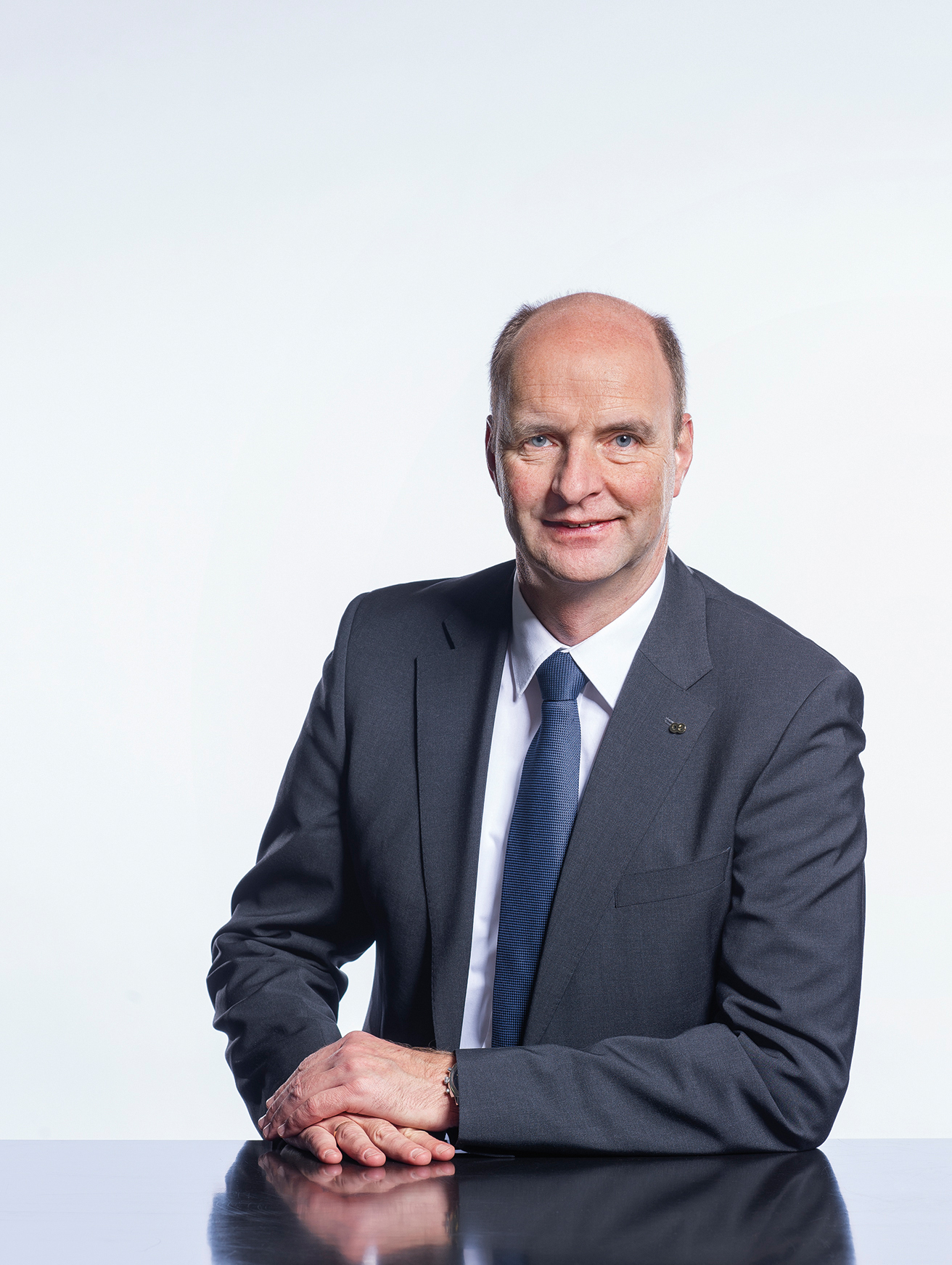
Georg Stausberg, CEO of Oerlikon Polymer Processing Solutions Division

“At Oerlikon, we contribute with our innovative technologies for resource-saving use in almost all man-made fiber spinning mills in the world. Our promise for the future is to continue to expand the zero-waste production approach and thus take care of achieving our customers’ and our own sustainability goals”, says Georg Stausberg, CEO of the Polymer Processing Solutions Division and Chief Sustainability Officer of the Oerlikon Group. This sets out the claim of one of the world’s leading suppliers of machinery and plant solutions for man-made fiber production not only for this show: In the future, it will be solely a matter of sustainable innovations.

Circular Economy and recycling? Enabling customers to achieve more with less

Textiles are becoming an increasingly big polluter. To tackle the growing mountains of used clothing, it is above all European politicians who are developing a comprehensive strategy for a regulating circular economy. And the textiles industry is also making its mark with innovative technologies for recycling man-made fibers. However, there is still a long way to go before we have a sustainable textile world.

According to the European Environment Agency, the consumption of textiles is already the fourth-largest source of negative environmental and climate change impacts within the European Union (EU). A major reason for this is relentless textile growth: the Ellen MacArthur Foundation states that the global production of textile almost doubled between 2000 and 2015. And the annual consumption of apparel and shoes is expected to further rise by 63 percent by 2030 — from currently 62 million to 102 million tons — adds the European Environment Agency.

With this market development in mind, Oerlikon is intensively involved in Worn Again Technologies. The British partnership is focusing on a solvent-based recycling technology, with which both end-of-life textiles comprising polyester and polycotton blends and PET plastics can be converted into circular raw materials and fibers (polyester and cellulose). For this, a large demonstration system for upcycling 1,000 tons of textiles per annum is being created in Switzerland. “We are supporting technological innovators such as Worn Again Technologies because we believe their solution is extremely promising and because they are driving cooperation between the individual producers within the value chain. Recycling only works when all players cooperate in a circular system”, emphasizes Stausberg. He is already looking to the future: “The time for closed-loop strategies and the corresponding sustainable technologies is now — let’s talk about it at ITMA Asia + CITME 2022.”

In terms of sustainability, however, Oerlikon also sets itself high goals. Stausberg: “It is no surprise that we have applied high standards of innovation to our own operations and practices. For several years, Oerlikon has been creating pilot initiatives that we intend to implement company-wide to the greatest extent possible. For example, we are committed to achieving CO2 neutrality in all our locations by 2030 as we have already done at our site in Liechtenstein that provides our blueprint for meeting this commitment. Our goals also include obtaining 100% of our electrical energy from renewable sources and achieving the standard of ‘Zero Harm to People.’”

In addition to regulatory initiatives, technical innovation is required to connect the beginning and the end of the linear textiles industry and to close the loop. One decisive circular technology here is fiber-to-fiber recycling. Only a few years ago, this process was used to recycle around just one percent of used clothing worldwide into fibers for new apparel. McKinsey market researchers are now talking about 18 to 26 percent being recycled by 2030 — if the full technical recycling potential is utilized and more textiles are collected. For this, manual processes will have to be automated, clothing waste qualitatively sorted, buttons and zips removed, and fiber compositions unambiguously identified – and all less expensively. Separating mixed fibers still represents an obstacle as well. Finally, the recycled materials must be suitable for the spinning process, provide a usable yarn quality and be able to be further processed, i.e., dyed. Despite these challenges, there are promising solutions on the horizon, even though some processes are not yet ready for commercial exploitation.

Oerlikon Barmag is offering technological solutions for rPET that enable customers to save million tons of CO2 per year. In 2022, Oerlikon Barmag introduced, a homogenizer recycling line specifically for customers in China and Asia where bottle flakes and film waste can be agglomerated, extruded, homogenized and melted to produce polymer melt or chips. It enables the polymer quality of recycled bottles or film waste to be precisely adjusted to the requirements of different downstream extrusion or injection molding processes.

Another rPET solution is the VacuFil system from the Oerlikon Barmag joint venture, BB Engineering. VacuFil is a unique and innovative PET recycling line, uniting gentle large-scale filtration and targeted intrinsic viscoscity (IV) regulation for consistently outstanding rPET melt quality. In 2022, BB Engineering launched a patented key component of the VacuFil system, the Visco+ filter as a separate and easily integrable upgrade component that enables precise IV setting and pure melt with the help of vacuum. IV is the central quality characteristic in PET recycling and rPET processing. It determines the melting performance in the production process and the properties of the end products and is thus essential in the recycling process. The Visco+ process is reliable, verifiable and 50% faster than conventional liquid-state polycondensation systems.

Energy Efficiency? EvoSteam process revolutionizes polyester staple fiber production
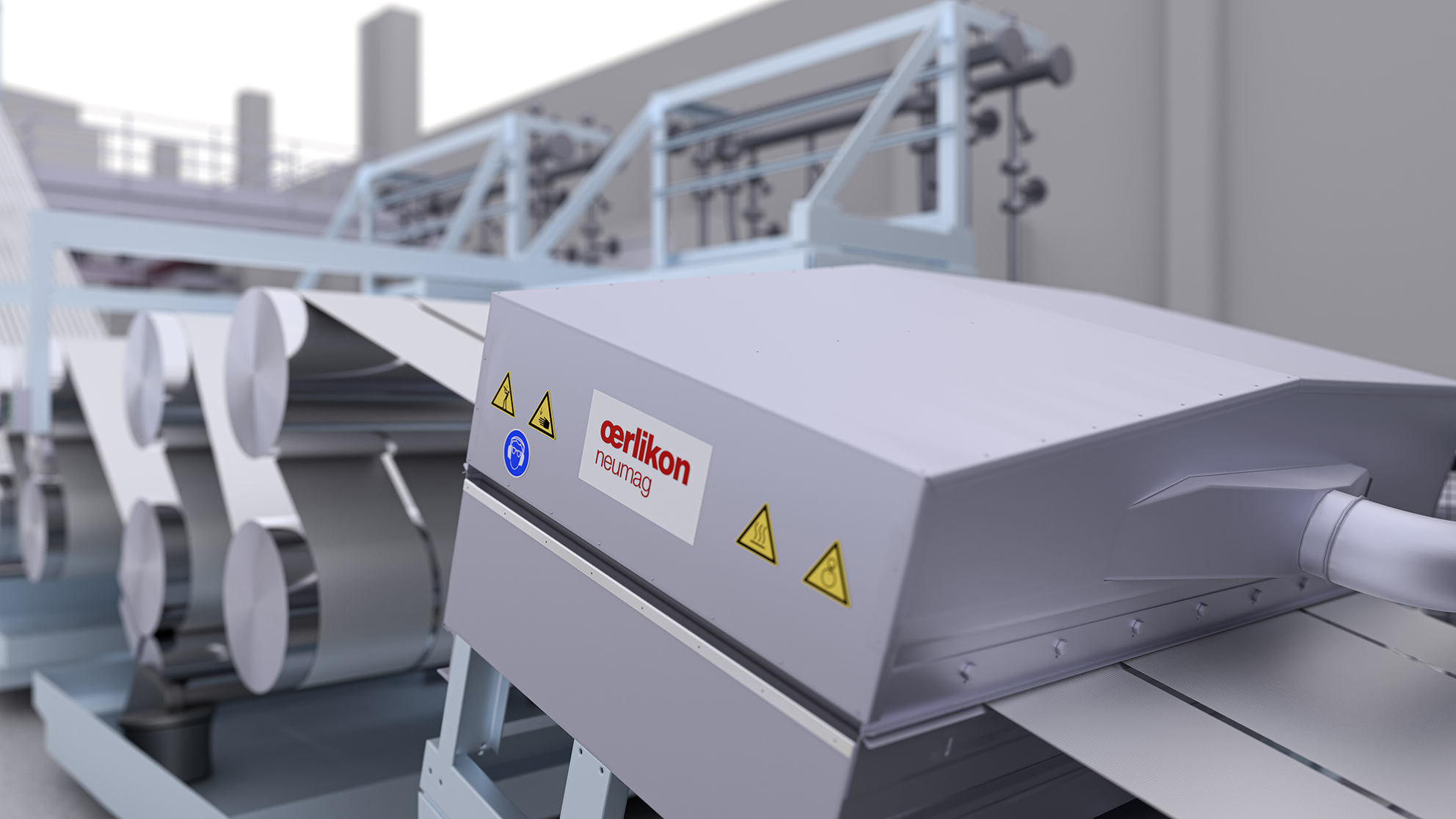
Oerlikon Neuamg EvoSteam ITMA Asia 2023

There is a huge demand for textile fibers: population growth of around 3 percent per annum, fast fashion and many other factors are fueling this demand. According to international studies, global demand for staple fibers made from polyester will total 20 million tons in 2025 — this is approx. Some 33 percent more than the production volume recorded in 2013. In view of noticeable climate change and its impact on people and the economy, resource- and environment-friendly manufacturing methods are absolutely crucial for the future. High production costs are currently eating into the margins of fiber producers. Noteworthy here are above all massively increased energy and polymer prices, but water is also an important resource today — very frequently scarce and consequently expensive. At this year’s ITMA Asia + CITME 2022 in Shanghai, Oerlikon Neumag will be unveiling its new EvoSteam process to interested trade visitors, viewed by many process experts as an enabler for more sustainable staple fiber production in the future. The objective of the new development is to lower both operating expenses (OPEX) and the carbon footprint with minimal consumption of energy, water and polymer — simultaneously with the excellent fiber qualities demanded by downstream processes and high production volumes.

New Materials?

Looking back at the regulations of the European Union, among others, there are also major challenges for new materials. In that regard the Green Deal can only be realized if new European Union policy frameworks create certainty for future investments.

“In the polymer processing industry, we have to come to a sustainable, closed circular economy for packaging materials and textiles, for example, while simultaneously intensively expanding the recycling of the materials used. Here, new materials also offer opportunities — opportunities that we as a machine manufacturer and plant engineering company will exploit. However, compared to non-biodegradable, petrochemical-based polymers such as PE, PET and PP, the prices for bio-based polymers like PA 5.6. and biodegradable polymers like PLA, PBAT and PBS are not yet competitive. In contrast, the properties of bio-based materials used for consumer products, especially those used in the packaging industry, are already competitive. It appears compostable textiles will remain a niche market,” explained Stausberg.

“But one thing is certain: utilizing current Oerlikon technologies and future innovations, we will be able to transform virtually any raw material into an ecologically attractive end product. The economic questions will ultimately be answered by consumers. Technology is once again enabling us to create a better world,” said Stausberg.

Digitalization and Traceability?

With its sustainable and closed loop-compatible textiles strategy, the EU plans to become a pioneer for the global circular economy as well. By 2030, textile products marketed within the EU are to become more durable and recyclable, predominantly comprise recycled fibers, contain no hazardous substances and be manufactured in compliance with social rights and in a manner that protects the environmental. This also includes the introduction of a digital product passport and the amendment of the European Textile Labeling Act: To implement the closed-loop principle and other important environmental requirements, players along the value chain must also fulfill new information obligations about the composition of textiles. At the show, Oerlikon will present own digital technology solutions and those that have been tested in collaboration with various partners for the use in Oerlikon technologies.

Looking into the future with the Oerlikon Barmag Digital Twin

The term “digital twin” was coined in 2014 by Michael Grieves and John Vickers (NASA) and is used and interpreted for different scenarios: The simplest digital twins map a digital inventory list of a real machine, for example, in order to be able to supply exactly matching spare parts for a customer-specific plant. At the other end of the complexity scale are digital twins that map the kinematics and/or dynamics of a machine or plant. At ITMA Asia + CITME 2022, Oerlikon Barmag will present a complete WINGS POY winding head as a kinematic model as a digital twin. For this purpose, all essential machine components were modeled as rigid bodies and connected to each other via joints and contact bodies. The actuators present in the real world were simulated by forces and moments. Analogously, the sensors are simulated by contact bodies and corresponding collision bodies. With this kinematic model, it is now possible to map all the processes that occur during the operation of a winding head in virtual space. Customers can thus be offered faster and more cost-effective production solutions.

Digital Academy – its just the beginning

Interactive and customized, modular and flexible in terms of time — all features of a modern training concept. Adapted to the needs and general conditions of the respective student, training sessions should be independent of time and place and the contents should be tailored. This concept is being implemented within the Digital Academy at Oerlikon. The digital online training center, available through the myOerlikon.com e-commerce platform, comprises a collection of role-based e-learning modules on such topics as operation, maintenance and repairs – currently for the Oerlikon Neumag BCF S+ and S8 machines. Training is targeted at operating staff, process engineers and technicians, and quality assurance officers. The Digital Academy learning contents are available for the Oerlikon Neumag BCF S+ and BCF S8 systems. Further contents will be continually expanded and made available to all customers.
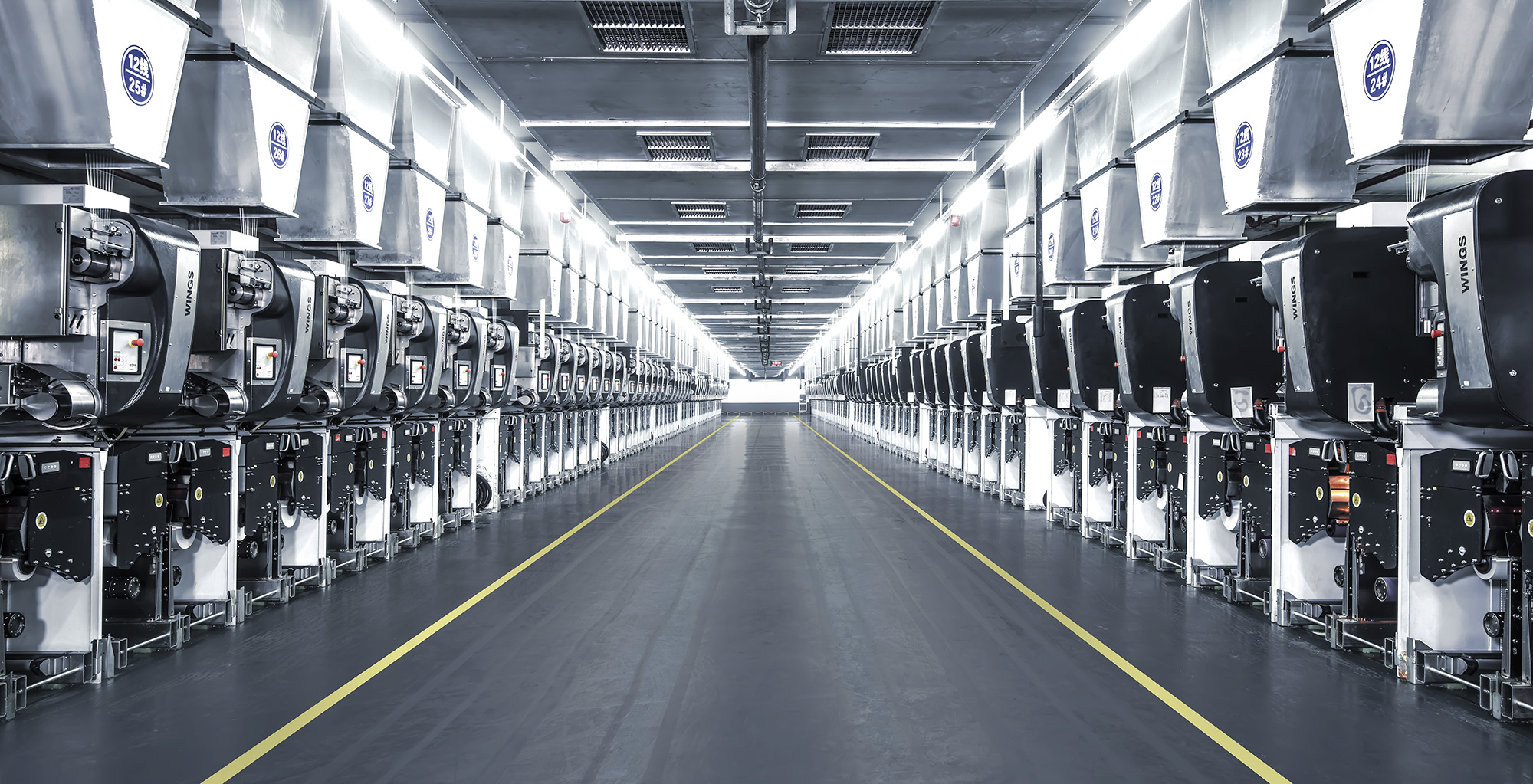
Oerlikon Barmag WINGS FDY ITMA Asia 2023

Oerlikon Barmag ACW WINGS

How can an upgrade increase Oerlikon Barmag POY yarn manufacturing process quality while simultaneously cutting energy consumption, waste, time and personnel? At ITMA Asia + CITME 2022, Oerlikon will show its long-awaited upgrade: ACW WINGS drawing fields. Established technologies can always be made better. When the Advanced Craft Winder (ACW) was launched in 1998, it was truly convincing with its sophisticated modifications for initial string-up and yarn transfer. WINGS replaced it as the new benchmark in 2007. However, because Oerlikon Barmag technology last for decades, many ACW and WINGS winders are being operated practically side-by-side in some places. Customers asked Oerlikon: please build a WINGS drawing fields over our ACW winders! At ITMA Asia + CITME 2022 it will be shown in hybrid way — a WINGS drawing field in combination with virtual ACW Winder.

Oerlikon Barmag Wiping Robot

Regular wiping of the spin packs is important for process stability and yarn quality. Automating the process with Oerlikon Barmag’s wiping robots, which can be retrofitted to numerous spinning plants, delivers considerable benefits, as it reduces the yarn break rate by up to 30 percent, improves process stability and reduces downtime. In addition, wiping robots help to indirectly reduce waste as a result of a 90-percent decrease in the use of silicone oil spray cans and a 15- to 20-percent decrease in total silicone oil consumption.

Oerlikon Nonwoven HycuTEC

Oerlikon Nonwoven’s HycuTEC inline charging technology is used to create high-end charged meltblown filtration media. Introduced in March, it went on to win the 2022 FILTREX™ Innovation Award. One of the reasons HycuTEC won the award was that the meltblown media treated with the technology requires 40-percent less polymer (fabric weight) to achieve the same filter efficiency than the nonwoven material that was not treated. In other words, filter specification is easier to achieve while reducing waste in production. Compared with other hydro-charging concepts, the unit significantly reduces water and energy consumption due to the elimination of an additional drying process and the lower pressure drop in the filter material. HycuTEC is the first industrially manufactured hydro-charging solution that can be easily retrofitted to existing systems as a plug-and-produce component.

Posted: October 19, 2023

Source: Oerlikon Group

Loomia Technologies  Joins The Smart Textile Alliance Supplier Network

BROOKLYN, N.Y. — October 18, 2023 — Loomia Technologies is now a trusted supplier in the Smart Textile Alliance Network. London based Smart Textile Alliance is a not-for-profit organization with three core principles:

  • Promoting Smart Textile innovation by sharing informative articles, interviews, webinars and news across the company blog and Social Media platforms;
  • Hosting the Trusted Smart Textile Supplier Directory, a list of companies with a proven track record of supplying high quality Smart Textile products and components; and
  • Working with Ambassadors that approve the value and content of the mission to advance the e-textile industry by developing standards and facilitating cross industrial collaboration.

Loomia joins an impressive, international roster of suppliers currently in the network. The Smart Textile Alliance Suppliers Directory represents a list of companies with a proven track record of supplying high quality Smart Textile products.

“I am so pleased to welcome Loomia Technologies as a new valuable addition to the trusted supplier directory of Smart Textile Alliance. Loomia’s robust and scalable technology addresses the crucial need for seamless manufacturing of smart textiles solutions. The growth of our community proves the value of curated resources specifically tailored for developers in this industry” said Christian Dalsgaard, chair of Smart Textile Alliance.

Loomia’s Founder, Madison Maxey, said this of the partnership: “We’re excited to be part of an alliance formed by E-textile pioneers, Christian Dalsgaard and Mili Tharakan. This new and exciting field grows through collaboration and teamwork, so we are eager to work together to find new opportunities for these materials. We hope that our solution can help add to the growth of this space and benefit engineers and designers who visit the Smart Textile Alliance website.”

Smart Textile Alliance recommends those who are looking to build Smart Textile products consult the Suppliers Directory when sourcing these technologies for products.

This is an exciting step towards making Loomia’s technology more accessible to companies around the world who are looking to utilize e-textiles.

Posted: October 18, 2023

Source: Loomia Technologies

Cocona Labs, The Maker Of 37.5® Technology, Joins The Conservation Alliance As One Of Few Material Suppliers

BOULDER, Colo. — October 18, 2023 — Cocona Labs., the maker of thermoregulating 37.5 Technology, today announces that it has joined The Conservation Alliance. As a member of The Conservation Alliance, Cocona’s member dues will directly support grassroots conservation efforts and advocate for protected areas. They are one of few material suppliers to join the organization, and strive to build momentum for more providers to be actively involved in sustainability and conservation initiatives.

The Conservation Alliance distributes 100 percent of funds they receive from membership dues into grassroots conservation work across the country. Cocona will play an active role in determining funding for crucial conservation projects, and is able to nominate projects for grant consideration. Member brands also have the opportunity to join The Conservation Alliance’s advocacy work in Washington to make their voices heard on key conservation issues.

“We loved the model that The Conservation Alliance has chosen, bringing together a collective corporate voice,” said Blair Kanis, Cocona Labs president. “They put money into local, grassroots groups, some of which are right in our backyard. Just last year, they funded protection efforts for the Dolores River in Western Colorado that would help ensure a water management system that prioritizes animal populations and local recreation. We’re excited to partner with this organization that aligns with our vision to preserve wild spaces and will help us amplify our voice on national conservation issues.”

Cocona Labs is taking strides to ensure that their internal practices align with their sustainability advocacy. Last year they incorporated an Enhanced Biodegradation (+EB) additive into fibers and yarns with 37.5 Technology at no additional cost to brands. This added technology helps rapidly break down synthetic fiber 50 to 80 percent in just 80-100 years, whereas typical synthetic fibers require centuries. While material suppliers typically do not have an outsized voice in sustainability initiatives compared to consumer brands, Cocona Labs wants to shift that narrative.

“We’re thrilled to welcome Cocona Labs as the newest member of The Conservation Alliance,” said Conor McElyea, senior director of Membership and Partnerships at The Conservation Alliance. “Their emphasis on sustainability and work to improve the way fabrics are made makes them a great fit for membership, and one we look forward to engaging with for many years to come”

As a brand with strong roots in the outdoors industry, Cocona Inc. is thrilled to work with The Conservation Alliance to amplify its voice on wilderness conservation and recreation issues.

Posted: October 18, 2023

Source: Cocona Labs

Flat Knitting Technologist SHIMA SEIKI Will Participate In The A+A 2023 — Safety, Security And Health At Work International Trade Fair In Düsseldorf

SHIMA SEIKI’s APEXFiz® design software

WAKAYAMA, Japan — October 18, 2023 — Flat knitting technologist SHIMA SEIKI Mfg. Ltd. will participate in the A+A 2023—Safety, Security and Health at Work International Trade Fair in Düsseldorf, Germany later this month. On display will be the company’s latest safety-related technology 
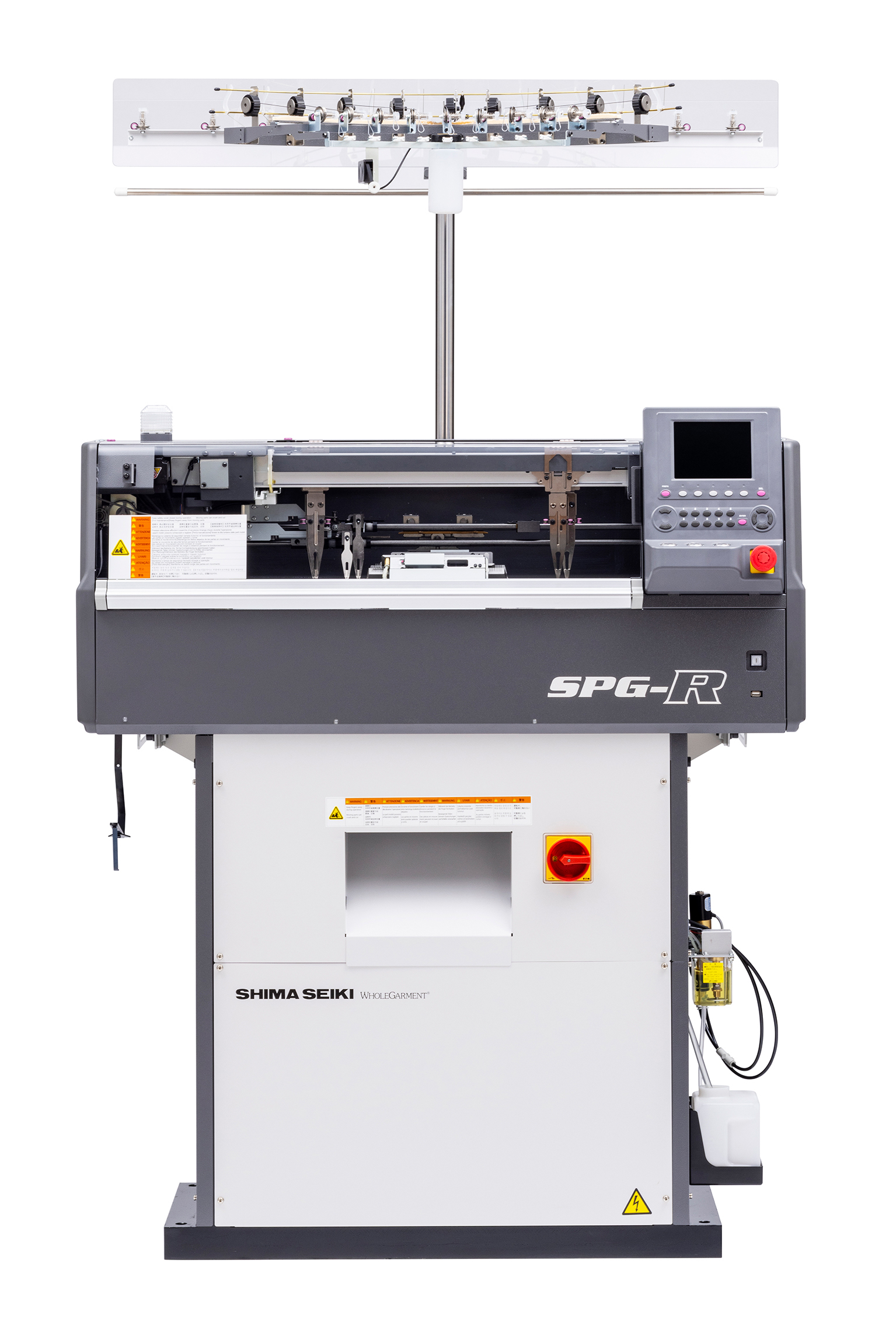
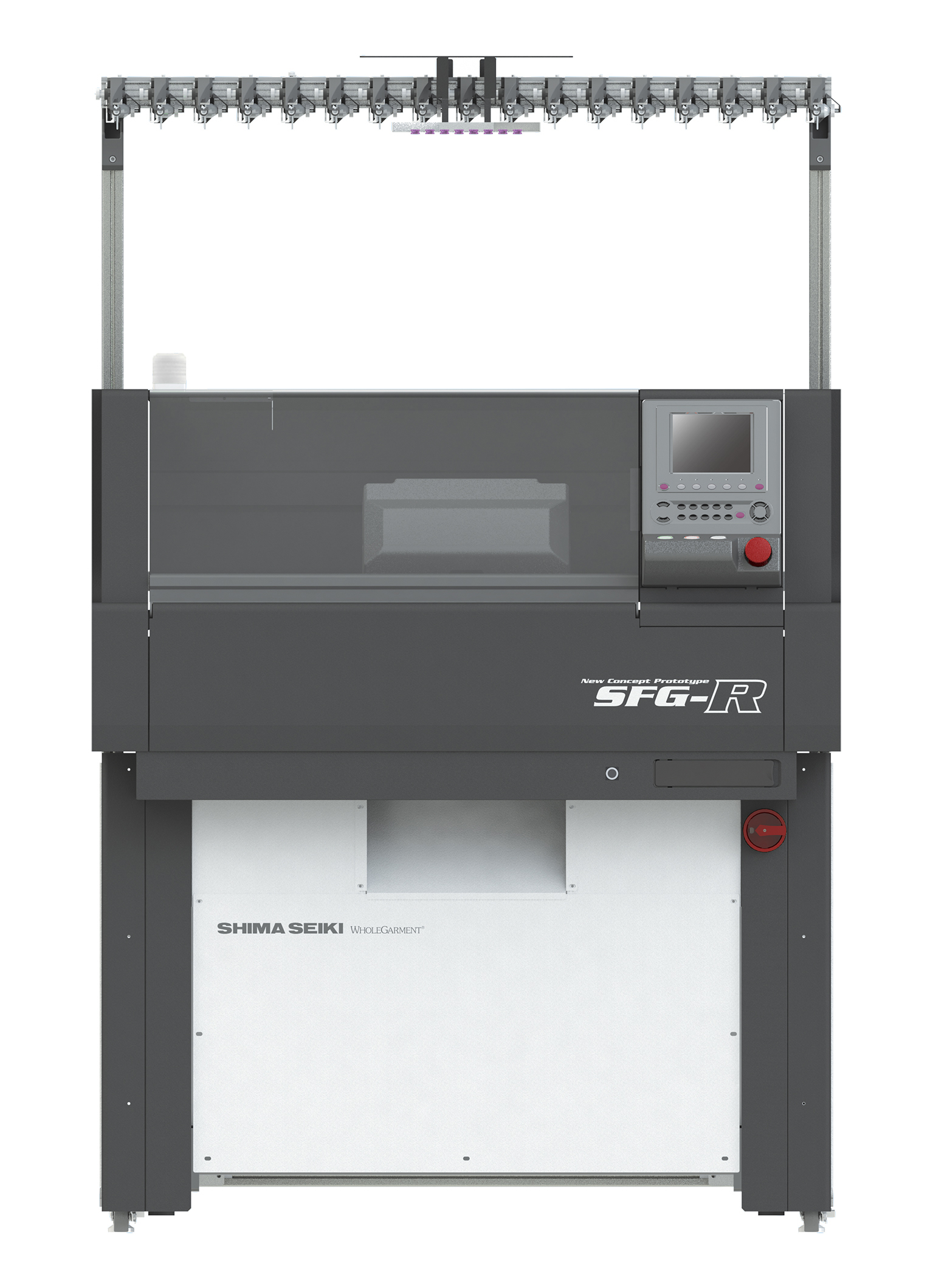
through its new SPG® -R pile glove knitting machine and the prototype SFG®-R next generation glove knitting machine. Each of these machines drew attention at Shima Seiki’s booth at the International Textile Machinery (ITMA 2023) Exhibition in Milan.

SHIMA SEIKI’s SPG-R

Shima Seiki’s original SPG, developed in 1979 as the world’s first automatic glove knitting machine to produce seamless pile-knitted gloves, is now reborn as a next-generation model. Pile gloves feature special traits that include cushioning, shock-reduction and thermal insulation and cold protection, making them popular especially in the field of industrial safety. Now, SPG is redesigned from the ground up and re-introduced as the SPG-R. The new SPG-R features a new moveable sinker system with selectable loop presser function. Combined with a new belt-driven carriage it allows SPG to provide efficient and reliable production of fashionable, high-quality pile gloves. Shown in 7 gauge at A+A, SPG-R surpasses the previous generation with pioneering technology, improved capability and reliable productivity.

SFG-R

Shima Seiki’s original product on which the company was founded was the fully automated seamless glove knitting machine. While the original model evolved to become the current SFG series, SFG -R exhibited at A+A is its spiritual successor. With a new sinker system, a belt-driven 2-cam carriage and auto yarn carriers SFG-R is a completely new machine for knitting gloves that conform better to the shape of the hand for improved fit. Furthermore its greater design potential offers users the opportunity to break out of the work glove market and into the fashion market. SFG-R is shown as a prototype next-generation model in 12 gauge at A+A.

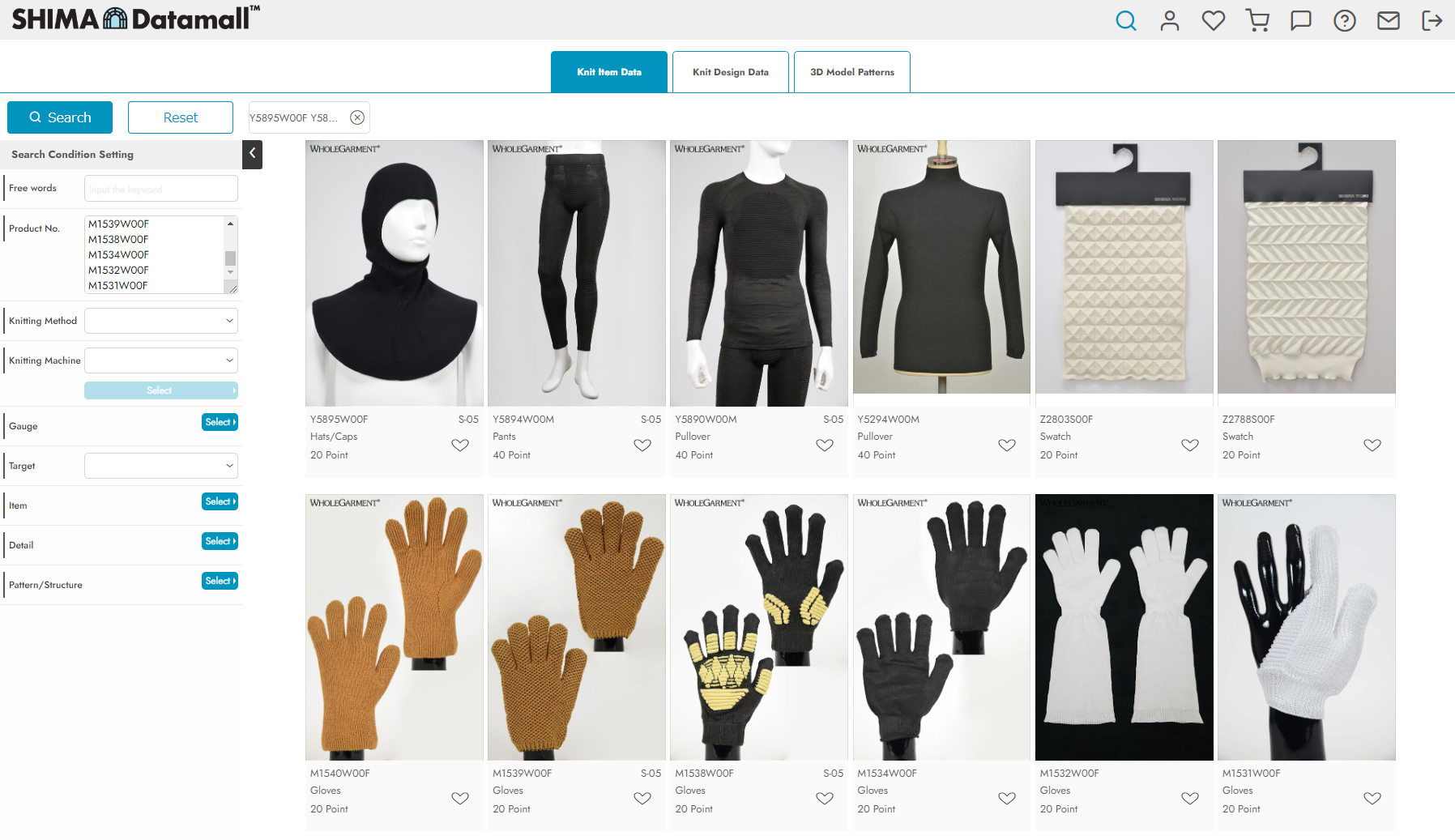
SHIMA SEIKI’s Datamall

Also demonstrated will be Shima Seiki’s APEXFiz® design software. The importance of design software is made even more significant by the new patterning capabilities of SPG-R and SFG-R. Both machines now feature increased design potential that allow each of their products — pile gloves and work gloves, respectively — to expand their market into fashion. APEXFiz is available for developing these designs. Further more virtual sampling on APEXFiz is especially effective in streamlining the production process. Ultra-realistic simulation capability allows the use of virtual samples for evaluating design variations without producing actual samples for each variation, thereby minimizing the time, cost and resources normally required with sample-making, supporting smart, speedy and sustainable production.

Posted: October 18, 2023

Source: Shima Seiki Mfg. Ltd.

Spinnova Unveils Sustainable Denim At Kingpins Trade Show

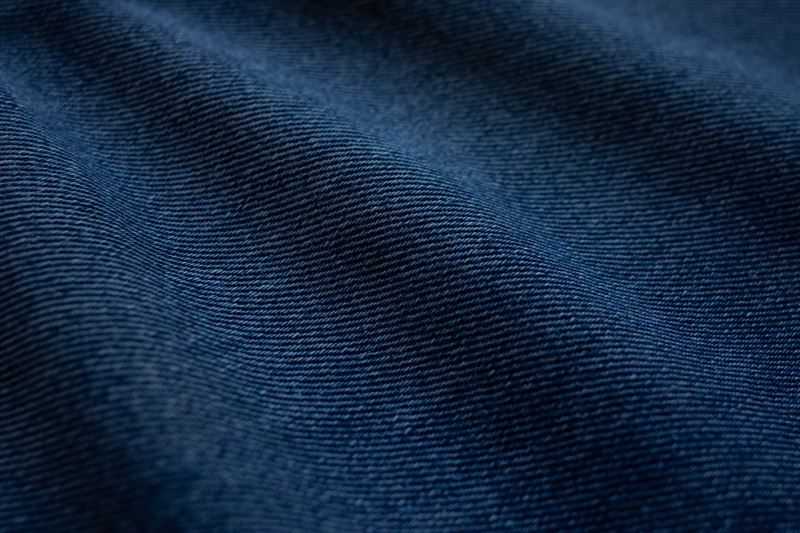
JYVÄSKYLÄ, Finland — October 18, 2023 — Sustainable textile material company Spinnova presented the first blended denim fabrics made with SPINNOVA® fiber. Using Spinnova’s unique technology, the SPINNOVA fiber for the denim is produced without harmful chemicals and its CO2 emissions and water consumption are significantly lower compared to conventional cotton production* — presenting a less resource-intensive way of making jeans without compromising the sturdy feel and aesthetics of denim.

With a global market of 3.1 billion pairs in 2022, denim jeans could easily be considered a wardrobe staple. Despite this, there has been limited innovation to address the many sustainability challenges of denim production, such as water and resource intensity, heavy chemical use and dyeing, as well as limited recyclability when blended with materials such as polyester and elastane.

Sustainable textile material company Spinnova has today presented the first blended denim fabrics made with wood-based SPINNOVA fiber at the annual Kingpins denim trade show in Amsterdam. The pilot products showcase Spinnova’s technology’s potential to improve the sustainability of denim on multiple fronts. When SPINNOVA fiber is produced from certified eucalyptus pulp, it has various environmental benefits such as 99-percent less water consumption and 74-percent fewer CO2 emissions compared to conventional cotton*. The fiber spinning process uses zero harmful chemicals and thanks to the unique mechanical process, the fiber has a natural hand-feel. Finally, the raw material used to make SPINNOVA fiber can be traced back to its origin.

The denim industry doesn’t compromise on quality, which has been a challenge for denim manufacturers exploring new materials in the past. While most man-made fibers lack the quintessential, sturdy feel of cotton-based denim, early tests have shown that denim produced with a blend of SPINNOVA and cotton maintains those qualities and meets the aesthetic requirements of denim.

“We see a huge opportunity in changing the way that raw materials are sourced and treated for a product as iconic and timeless as denim. It’s exciting to see that we can already address many of the existing sustainability challenges with Spinnova’s technology, while upholding the quality associated with a good pair of jeans. Spinnova works together with partners in the denim segment to optimize the share of SPINNOVA in the fabric for the best use of the qualities of the fibre,” says Spinnova’s chief sustainability officer Shahriare Mahmood.

“We’ve had considerable interest from brands and look forward to expanding cooperation with denim mills and brand partners to launch our first commercial denim products together,” continued Allan Andersen, chief sales officer at Spinnova.

Spinnova is expecting to see the first fabrics and consumer products made with SPINNOVA fiber enter the market within the next 12 months. The first denim pilot products are showcased at Kingpins show in Amsterdam on October 18-19, 2023.

*Product carbon footprint study is conducted by a third-party expert following the ISO 14067:2018 standard. The footprint calculation includes CO2-e emissions associated with raw material supply, transportation of raw materials, and manufacturing of the product (cradle-to-gate). Furthermore, Ecoinvent database is used as the source for global average emissions of conventional cotton. Water consumption is calculated by a lifecycle impact comparison, conducted for Spinnova by a third-party expert.

Posted: October 18, 2023

Source: Spinnova

Natureworks Announces Next Phase Of Construction On New Fully Integrated Ingeo™ PLA Biopolymer Manufacturing Facility In Thailand

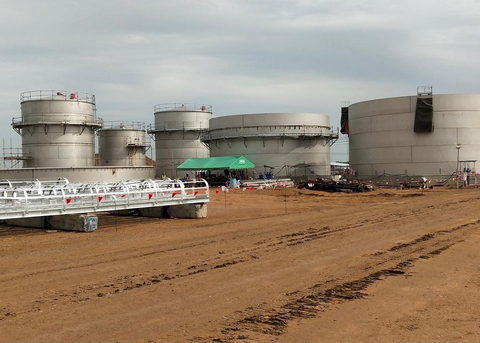
PLYMOUTH, Minn. — October 18, 2023 — NatureWorks, a manufacturer of polylactic acid (PLA) biopolymers made from renewable resources, has made significant progress on the construction of their new fully integrated Ingeo™️ PLA biopolymer manufacturing facility in Nakhon Sawan Province, Thailand. As a fully integrated PLA complex, the plant will include three manufacturing facilities: lactic acid fermentation, lactide monomer production, and polymerization. The facility will have an annual capacity of 75,000 tons of Ingeo biopolymer and produce the full portfolio of Ingeo grades. This effort reflects the company’s commitment to expanding customer access to fully biobased, low-carbon biomaterials with unique performance attributes valued by global downstream packaging and fiber markets.

Construction on NatureWorks’ new Ingeo PLA manufacturing facility in Thailand is on track with production and start-up activities projected to begin in 2025. Photo: Business Wire

“The construction of our new facility is a significant undertaking that represents NatureWorks’ continued investment both in the Asia Pacific region and in the expansion of the biobased materials market,” said Steve Bray, vice president of Operations at NatureWorks. “We have seen a rise in demand for Ingeo biopolymers throughout the Asia Pacific region, and this new complex will allow us to continue to sustainably and efficiently supply our markets with the highest quality biopolymers.”

The construction of this new facility will support rapid growth in multiple different markets including 3D printing, nonwovens for hygiene, compostable coffee capsules, tea bags, flexible packaging, and sustainable food serviceware. Construction is on track to support projected start-up activities and full production in 2025. Ingeo biopolymer produced at this site will be made from sugarcane, an annually renewable feedstock that is locally abundant and will be sourced from farms within a 50-kilometer radius of the Nakhon Sawan site.

“Over the last decade, the global materials market increasingly prioritized the use of biobased, sustainably sourced materials in order to reduce the impact on climate and facilitate climate-friendly processes like food scrap diversion from landfill to compost through the use of compostable materials,” said Jill Zullo, CEO at NatureWorks. “The market’s evolution has redefined the scope of what we can accomplish, allowing us to think bigger when it comes to our manufacturing expansion. This new facility will enable us to meet growing consumer demand and continue providing unparalleled service to our international customer base.”

NatureWorks also continues to strengthen its position in the United States. Most recently the company was honored with leading industry safety awards for its facilities in Minnesota and Nebraska. The Minnesota Safety Council awarded NatureWorks the Award of Honor, their top award, for employee safety efforts at their global headquarters and advanced biopolymers R&D facility in Plymouth, Minn. The Nebraska National Safety Council recognized the NatureWorks manufacturing facility in Blair, Neb., as one of Nebraska’s Safest Companies with Distinction for the 20th year in a row.

“We are a safety-first culture at NatureWorks,” said Bill Suehr, COO at NatureWorks. “It’s a core value for operations in our current facilities that also extends to our teams and partners involved in constructing and running our new manufacturing plant in Thailand.”

Posted: October 18, 2023

Source: NatureWorks

FiltXPO™ 2023 Brought The World Of Filtration Together For New Technologies And Innovations

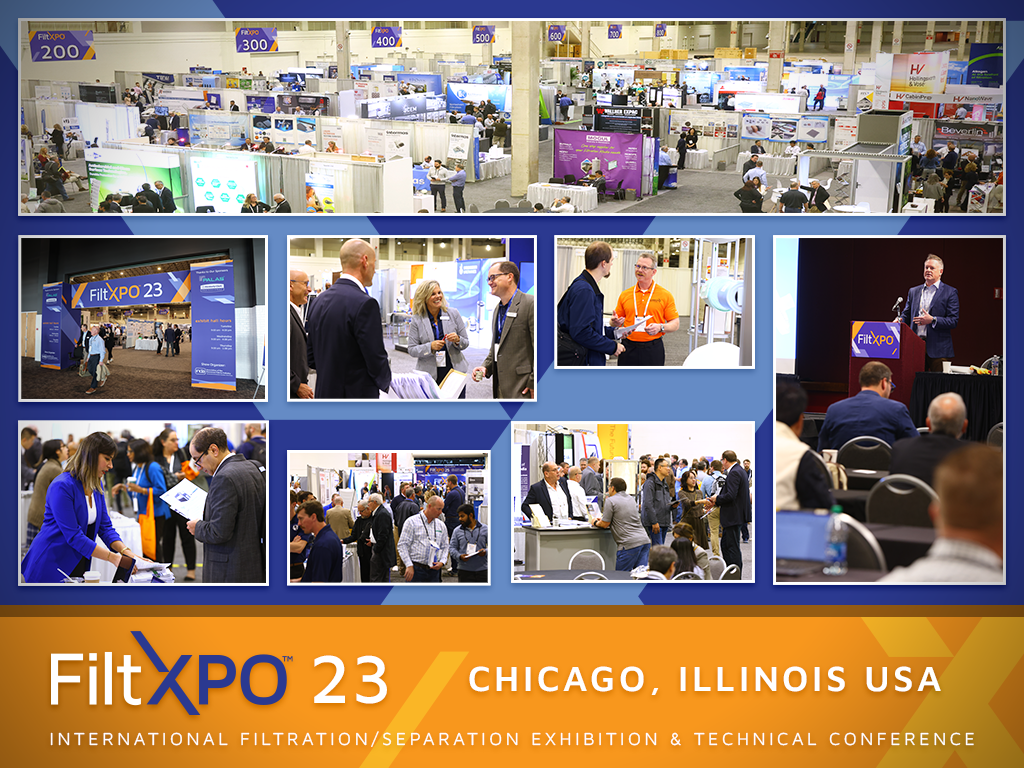
CARY, N.C. — October 18, 2023 — INDA, the Association of the Nonwoven Fabrics Industry, announced that C-suite leaders and product developers convened October 10-12, Chicago, IL for the third edition of FiltXPO™. FiltXPO is an exhibition and technical conference dedicated exclusively to filtration and separation products and processes. Leading-edge exhibitors displayed their products and services to technology scouts and business developers.

The technical conference highlighted key topics affecting the filtration industry today and for the future and was co-organized by the Waterloo Filtration Institute. The conference featured sessions on filter media technologies, advancements and opportunities in filtration machinery and equipment, innovations in clean air for homes and urban areas, standards and testing, industry trends and new developments, and filtration challenges and opportunities.

The two-day Filter Media Course, conducted by Dr. Behnam Pourdeyhimi, professor and executive director, The Nonwovens Institute; Dr. Hechmi Hamouda, professor, Textile Engineering, NC State University (ret.); and Dr. Hooman Tafreshi, associate professor Mechanical and Aerospace Engineering, NC State University, allowed participants to develop an overall understanding of nonwovens and their applications in air, liquid, and aerosol filtration, technologies, unmet needs, and trends for future development.

The next edition of FiltXPO and the Filter Media Course will be co-located with IDEA®, taking place April 29-May 1, 2025, Miami Beach, Fla. More information will be available January 2024 on www.filtxpo.com.

Posted: October 18, 2023

Source: INDA, the Association of the Nonwoven Fabrics Industry

Sympatex Presents Product Innovations With Its Own Eco Design Collection At The A+A Düsseldorf

UNTERFÖHRING, Germany — October 18, 2023 — Sympatex presents recyclable product innovations at A+A Düsseldorf. From October 24-27, 2023, the membrane manufacturer will be showing new products in the textile and footwear sector, as well as an eco-design guide, in Hall 15, Stand A21. The eco design recommendations will be implemented in a separate trade fair collection.

At A+A Düsseldorf, the focus will be on sustainability. After all, the clothing and footwear sector contributes over 8 percent to global greenhouse gas emissions. Sustainability is an urgent topic and circular economy is rightly becoming the new standard in Europe.

Various objectives play a role in the production of sustainable textiles: the value of textiles should be maintained for as long as possible and greenhouse gas emissions should be reduced. It is also important to reintegrate textile waste into the cycle and reuse it.

At A+A, Sympatex is presenting Caura Sherpa, a new laminate concept that combines the advantages of the classic quilted jacket with those of a membrane jacket. Stylish, waterproof, breathable and durable. Moreover, it is not only made entirely from recycled material, but is also recyclable and thus precisely in the focus of the sustainability theme of the fair.

“We see Caura Sherpa as a successor to classic softshells. It is also the case that a “Caura Sherpa jacket” offers better thermal insulation than a softshell jacket, while being significantly lighter and more comfortable to wear,” said Petra Klattenhoff, product management, Corporate & Workwear Sympatex.

The membrane manufacturer Sympatex is convinced that the right materials are very important for efficient recycling. The company has developed an Eco Design Guide to pass on this knowledge to all brand partners. The guide is available at the exhibition stand in Hall 15, Stand A21.

“To illustrate the Sympatex Caura Sherpa concept, we have designed a trade fair col- lection. Here, our recyclable polyester laminates with eco-design requirements were implemented in finished garments,” said Lisa Polk, Circularity expert, Sympatex.

“The process allowed us to better understand the issues of our brand partners and find ways to close the loop in the design process. Our design emphasized the importance and necessity of making the right material choices for a sustainable garment,” Polk added.

In footwear, Sympatex’s sustainable answer is called “Sorrento nonwoven”. The laminate has been tested and certified for use in workwear.

“By eliminating polyurethane foam in the production of the laminate, we have managed to reduce CO2 emissions by 10 percent and water consumption by 15 percent,” said Yasemin Malcolm, product management Footwear Sympatex.

“To achieve this, we have replaced the PU layer with 100-percent recycled polyester nonwoven. This has made us more resource-efficient and has brought us a decisive step closer to our goal of mono-material and recyclability of the entire laminate. This progress is still difficult to achieve, especially in the footwear sector. The technical performance of our laminate has also improved,” Malcolm added.

“We also want to learn from our customers,” says Kim Scholze, CSMO Sympatex.

“I have a fantastic team that implements our circular economy philosophy beautifully through developments like the Caura Sherpa concept and the Sorrento nonwoven. Especially in the C&W and footwear sector, it takes expertise, but also a spirit of innovation and collaboration. Valuable ideas are not only created in our company. We always seek exchange with our partners, customers and suppliers. That is why we cordially invite you to the A+A. The trade fair is an excellent opportunity to drive forward detailed solutions and to create added value for the industry together,” Scholze added.

Posted: October 18, 2023

Source: Sympatex

Thai Acrylic Fibre (TAF) To Showcase Regel™ And Other Sustainable Innovations In Textile Exchange Conference

BANGKOK — October 18, 2023 — Thai Acrylic Fibre Co. Ltd. (TAF), one of the world’s largest acrylic fiber producers, is excited to announce its participation in the upcoming Textile Exchange Conference 2023 at Booth 145. Set to take place from October 23-27 at the O2 InterContinental in Greenwich, London.

The Textile Exchange Conference brings together industry leaders, innovators, and experts from across the fashion, textile, and apparel industry, serving as a premier global platform to collaboratively explore challenges and solutions to overcome the climate crisis.

At the conference, TAF will be showcasing its latest innovation — Regel™ — recycled acrylic fibre. With its impressive MSI (Material Sustainability Index) scores, and outstanding LCA (Life Cycle Assessment) credentials, Regel is setting new standards for sustainability within the textile industry.

Regel, recycled acrylic fiber, has been developed with a strong focus on sustainability that offers a practical solution for a variety of textile applications. Its MSI scores and LCA demonstrate the reduced environmental impact throughout its life cycle and its potential to contribute to a supply chain, marking a significant step in the industry towards more eco-friendly textile production. Regel also retains the warmth, comfort, vibrant shades, and durability for which acrylic fibers are renowned through innovative “Regel technology.”

“We view our participation in the Textile Exchange Conference 2023 as an opportunity to strengthen our partnerships, exchange ideas and learn from other industry leaders who share our vision of a more sustainable future. We also believe that Regel sustainability features benefit both manufacturers and consumers by addressing the growing demand for eco-conscious products. We do look forward to engaging with industry peers, sharing insights to learn more about Regel and our broader sustainability initiatives,” said Tuhin Kulshreshtha, head of Marketing, TAF.

Posted: October 18, 2023

Source: Thai Acrylic Fibre Co.,Ltd. (TAF)

RUDOLF HUB1922 Bets On Evolutionary Chemistry From Renewable Feedstock And Waste

GERETSRIED, Bavaria — October 17, 2023 — RUDOLF has been listening to the growing demand for truly sustainable technologies expressed by some progressive parts of the textile and apparel industry. One of the results of such learning is RUDOLF HUB1922 presenting a range of chemistry at Kingpins Amsterdam that is truly evolutionary.

Using raw materials from organic waste, plastic waste and renewable feedstock, RUDOLF’s latest textile chemistry has the potential to revolutionize the industry by significantly reducing its environmental impact.

“RUDOLF’s evolutionary textile chemistry addresses the vexed problem of waste generation by reusing waste materials as valuable resources” said Alberto De Conti, head of RUDOLF HUB1922. He continues, “Diverting waste and renewable feedstock from landfills and incinerators into the production of textile chemicals significantly reduces the industry’s dependence on non-renewable resources and promotes a circular economy model”.

The introduction of chemicals made from organic waste, plastic waste and renewable feedstocks requires effective communication and education, and this is where successful collaboration within the industry becomes critical. “Collaboration between scientists, fashion designers and manufacturers can drive a move towards greener practices, making sustainable fashion the norm and minimizing the industry’s environmental footprint” concluded De Conti

Posted: October 17, 2023

Source: RUDOLF

Sponsors