Strafe Launches Cham Jacket And Pant For F20, Featuring Schoeller’s Electrostatic-Spun Membrane

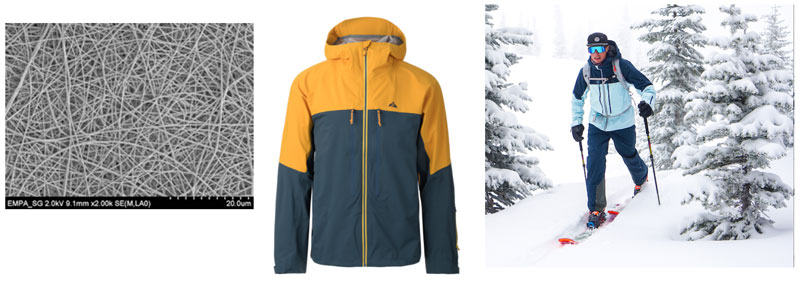
SEVELEN, Switzerland/NEWBURYPORT, Mass. — September 23, 2020 — Schoeller, the global textile solutions manufacturer dedicated to innovation for more than 150 years, continues to see interest in its electrostatic-spun membrane technology aerobrane with the launch of Strafe’s Cham Jacket and Pant for F20. Now available on StrafeOuterwear.com, the Cham F20 kit offers consumers aerobrane’s optimum protection against wind and weather along with exceptional breathability, perfect for high-intensity endeavors.

The aerobrane membrane consists of a unique structure of ultra-fine, hydrophilic polyurethane fiber composite that differs from other film-based membranes and offers a softer feel and beautiful, fluid textile characteristics.

“We found the Schoeller aerobrane technology to be the perfect 3L fabric replacement for our new ski touring kit, which is intended to be used during high-intensity mountain activities. The material needed to be able to hold up to varying weather conditions while still being highly air-permeable, super light and packable, durable, and stretchy,” said Pia Halloran, head of design and development for Strafe.  “Working with a world renowned, innovative, and respected partner like Schoeller has been a great experience, and we look forward to more collaborations in the future.”

To produce an electrostatic spun membrane, ultra-light, microscopic fibers are placed closely on top of each other, forming a clustered but firmly connected structure that can only be detected with the highest-level microscope technology.  The membrane’s fibrous structure provides exceptional breathability while also allowing for ventilation. Aerobrane features water-resistant qualities, as water droplets on the exterior are larger than the spaces between the fibrous structures; however, the fiber structures also create an exceptional wind barrier.

“Having admired Strafe over the years, we couldn’t be prouder to work with this authentic and passionate team that is beyond committed to what they’re doing,” said Stephen Kerns, president, Schoeller North America. “Because they are living the same experiences as the outdoor enthusiasts and athletes they’re serving each day, they fully understand the importance of utilizing only the best materials, which also sets them apart.”

Designed for touring and backcountry adventures, Strafe’s Cham Jacket has been a staff and athlete favorite for many years. Now with aerobrane membrane technology and four-way stretch face, the Cham is Strafe’s most air-permeable jacket to date. The new and improved Cham Pant with aerobrane features a minimalist design that includes a lower cuff snap adjustment system to accommodate all boot types and allows for fabric retention to avoid damage while ascending with crampons.

Posted September 23, 2020

Source: Schoeller Textil AG

Unifi And HSCC To Provide REPREVE® Branded Recycled Nylon Throughout Asia

SHANGHAI— September 23, 2020 — Unifi, Inc., one of the world’s innovators in recycled and synthetic yarns, Unifi Manufacturing Inc., a subsidiary of Unifi Inc., and HSCC, a subsidiary of Highsun Holding Group, based in Fujian, China, today announced their collaboration to provide high-quality REPREVE® branded recycled nylon to textile industry customers throughout Asia. Repreve nylon products available through HSCC are REPREVE nylon filament and Repreve nylon staple fiber.

Unifi and HSCC share a commitment to quality, excellence and sustainability. The strength of Unifi’s Repreve brand combines with HSCC’s in-region manufacturing and research and development capabilities to create a formidable alliance able to improve service and product diversity in significant textile markets.

This collaboration is based on a shared sense of purpose and is the natural result of years of joint commitment to environmental conservation. Recycled fibers can reduce consumption of petrochemicals, conserve water resources and reduce carbon emissions compared to their virgin fiber counterparts. When HSCC entered the recycled nylon market five years ago, the company leveraged Unifi’s innovation and expertise to provide eco-friendly, affordable and fashionable nylon products to various end-use markets, enabling cost effective and sustainable products for consumers.

“We are proud to announce this collaboration that allows Unifi to expand its Repreve nylon offerings,” said Hongjun Ning, executive vice president of Unifi Inc., and president of Unifi Asia Pacific, one of Unifi Inc.’s operating subsidiaries in Asia. “We believe our combined efforts will advance future development of sustainability-focused nylon products around the world.”

The synergy between Unifi and HSCC provides a strategic advantage for future potential to broaden sustainable development in the synthetic fiber industry among mills, brands and retailers. “Consumer demand for recycled products is increasing around the globe, and opportunities for continued development and innovation for recycled fibers are unlimited,” said Zhen Mei, general manager of HSCC Chemical Fiber, one of HSCC’s operating subsidiaries. “We plan to apply our shared approach to sustainability to the entire process of product design, production, packaging, sales and after-sales service, so our product offerings are sustainable throughout the value chain.“

Posted September 23, 2020

Source: Unifi Inc.

Ralph Lauren Announces Strategic Steps To Re-Organize Its Business For Future Growth

NEW YORK CITY — September 22, 2020 — Ralph Lauren Corp. today announced steps to accelerate its Next Great Chapter plan to deliver sustainable long-term growth and value creation, which include establishing a simplified global organizational structure and rolling out enhanced technology platforms to support the Company’s global operations.

“Over 53 years ago, this company started with a single tie and a dream that made it into a way of life. The timeless values we were founded on have propelled us on an incredible journey — one that has seen great challenges and amazing opportunities along the way,” said Ralph Lauren, chairman and chief creative officer. “Through it all, our commitment to stay true to who we are, while evolving with the world around us, has helped to secure our future and our place as one of the world’s most beloved and inspiring brands.”

Over the past two fiscal years, the company has made marked progress on its brand elevation journey and the strategic priorities outlined in its Next Great Chapter plan, including to: 1) win over a new generation of consumers; 2) energize core products and accelerate high potential, underdeveloped categories; 3) drive targeted expansion; 4) lead with digital; and 5) operate with discipline to fuel growth. In the context of today’s rapidly evolving consumer, industry shifts and global dynamics, Ralph Lauren is accelerating key areas of the plan, beginning with the implementation of new technology platforms and the simplification of its organizational structure.

“The changes happening in the world around us have accelerated the shifts we saw pre-COVID, and we are fast-tracking some of our plans to match them — including advancing our digital transformation and simplifying our team structures,” said Patrice Louvet, president and CEO. “These steps will enable us to progress our brand elevation journey and deliver Ralph’s vision in today’s dynamic environment — inspiring our consumers around the world and creating value for all of our stakeholders.”

Simplified Organizational Structure

Creating simpler, flatter team structures will enable more agility and greater consumer responsiveness. This includes the consolidation of the company’s global Marketing and Branding functions; the establishment of a new Consumer Intelligence and Experience (CIX) organization, focused on leveraging consumer insights and predictive analytics to drive personalized consumer experiences at scale; and the re-organization of the Company’s Corporate Merchandising teams to combine core brand propositions, enabling greater connectivity and productivity. Ralph Lauren also continues to integrate Global Citizenship & Sustainability into every aspect of its business, making it a key responsibility for all leaders.

Digital Transformation

The Company is transforming how it operates with the implementation of new technology platforms across several key areas of its business. This includes rolling out a cloud-based human resources and planning system globally as well as elevating how it delivers for consumers through its Digitizing the Value Chain project. This is a company-wide initiative to simplify ways of working, better connect teams and digitize the product journey. It will enable faster and more connected decision-making from product design to market. Ralph Lauren is also continuing to invest in technologies that help deliver an enhanced consumer experience — with new digital capabilities that support areas like omni-channel shopping, personalization, social commerce and augmented reality.

Together, these organizational and digital transformation changes will:

  • Support the delivery of one elevated Ralph Lauren vision and voice globally, while maintaining strong local capabilities and expertise;
  • Enable stronger consumer insights to drive more powerful connections;
  • Empower teams to make faster decisions and collaborate more easily; and
  • Streamline the organization and simplify reporting lines.

Financial Impact

On its First Quarter Fiscal 2021 earnings call on August 4, 2020, management noted that a strategic review was underway to support future growth and profitability, and to create a sustainable cost structure. This includes the evaluation of the company’s: (i) team organizational structures and ways of working; (ii) real estate footprint and related costs across distribution centers, corporate offices, and direct-to-consumer retail and wholesale doors; and (iii) brand portfolio.

In connection with the first initiative, Ralph Lauren is today announcing plans (the “Fiscal 2021 Strategic Realignment Plan”) to reduce its global workforce by the end of the Company’s Fiscal 2021, which is expected to result in gross annualized pre-tax expense savings of approximately $180 million to $200 million, with savings realization primarily beginning in the Company’s Fiscal 2022. In connection with the reduction in workforce, the Company expects to incur total estimated pre-tax charges of approximately $120 million to $160 million.

In addition to the actions announced today, the company anticipates additional actions associated with the aforementioned initiatives as part of the Fiscal 2021 Strategic Realignment Plan.

Posted September 22, 2020

Source: Ralph Lauren Corp.

Eastman Naia™ And Dupont Biomaterials Collaborate To Launch New Sustainable Fabric Collection

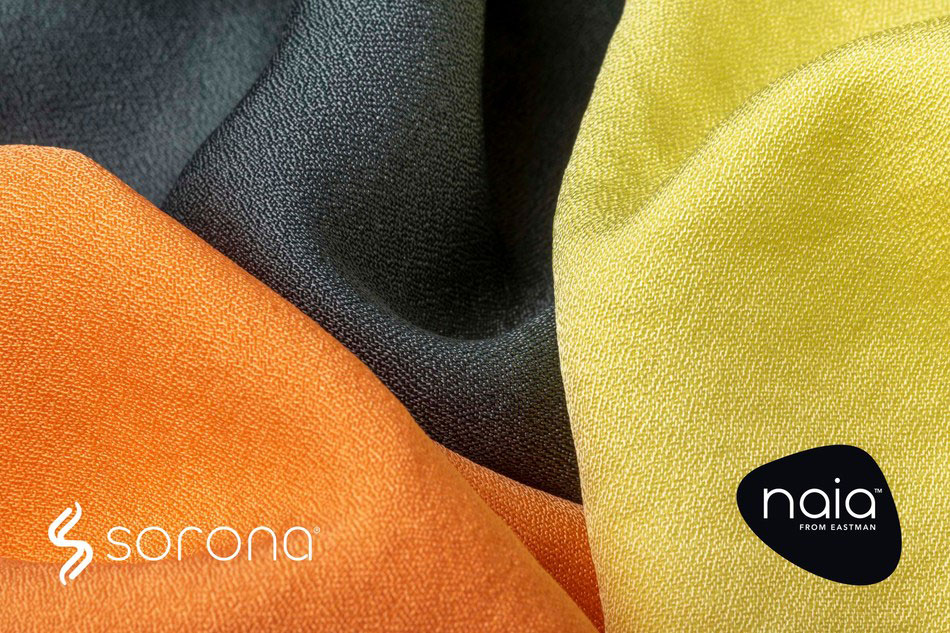
KINGSPORT, Tenn. — September 22, 2020 — To meet a growing demand for sustainable fashion options, Eastman and DuPont Biomaterials today announced the launch of a fabric collection made with sustainable, biobased materials. The collaboration blends Naia™ from Eastman and DuPont™ Sorona® fibers to create garments with exceptional stretch and recovery, luxurious drape and a smooth, soft hand feel.

The new collection will expand the future of sustainable textiles for designers to use for comfortable everyday casual wear. Visitors to the Intertextile show this week in Shanghai, China, will be able to experience the new fabrics by visiting booth 4.1 -E103. Brands can also see the collection at the Première Vision marketplace site.

Eastman Naia cellulosic fiber is the perfect choice for fabrics in womenswear. The Naia portfolio of sustainable fibers gives designers more choices and versatility to create. Naia filament yarn transforms fabrics into luxurious, comfortable, and easy-to-care-for fabrics, while Naia staple fiber blends perfectly with other eco-conscious fibers to create supremely soft, quick-drying fabrics that consistently reduce pilling.

Made with responsibly sourced wood from sustainably managed pine and eucalyptus forests and plantations, Naia brings the richness of nature to comfortable and effortlessly luxurious fabrics. Produced in a safe, closed-loop process where solvents are recycled back into the system for reuse, Naia is made through optimized, low-impact manufacturing. It has a low tree-to-fiber environmental footprint and a third-party-reviewed life-cycle assessment compliant with ISO 14044. Naia is also certified as biodegradable in freshwater and soil environments and is compostable in industrial settings, receiving the “OK biodegradable” and “OK compost” conformity marks from TÜV AUSTRIA. Most recently, Naia staple fiber received the “OK compost” certification for home settings.

With a rich history of textile innovation, DuPont has invented groundbreaking fibers such as nylon, Lycra®, DuPont™ Kevlar® and rayon. Its Sorona brand — made using 37-percent renewable plant-based ingredients — offers a high-performing, responsibly sourced material option. Fibers made with Sorona polymer are currently used in various apparel applications, including athleisure and athletic wear, insulation, swimwear, outerwear, suiting, faux fur and more.

DuPont Sorona polymer is a breakthrough, biobased, high-performance polymer offering unique benefits for the apparel industry. Sorona minimizes the impact on the environment without sacrificing quality and performance. It offers unique performance benefits, including incredible softness, stretch and recovery, and inherent stain resistance without the need for topical treatments. Sorona is a USDA certified biobased product and received OEKO-TEX® STANDARD 100 Certification.

“With Naia, we are committed to building a more sustainable fashion industry in collaboration with industry partners. We are very excited to be working with the Sorona team to launch a collection of wonderful fabrics that are a great choice for womenswear fashion. More and more, designers are looking for sustainable fabric choices. And this sustainable fabric collection with biobased, renewable materials showcases that fashion can come without any compromise on beauty, quality or comfort,” said Ruth Farrell, global marketing director of textiles for Eastman.

“We believe collaboration is the only way we will deliver on our promises to the textile industry. Our collaboration with Eastman’s Naia branded fibers will allow more apparel brands the opportunity to address tomorrow’s challenges through renewably sourced fiber materials without compromising performance and value. Sustainable fashion is the future, and this new collection is a great example of how you can create stunning designs while caring for our planet,” said Renee Henze, global marketing director at DuPont Biomaterials.

Posted September 22, 2020

Source: Eastman

Tempur Sealy Announces Antimicrobia, Antiviral Surface-Guard Technology For Mattresses

LEXINGTON, Ky. — September 22, 2020 — Tempur Sealy International Inc. today announced plans to introduce Surface-Guard Technology™, an antimicrobial and antiviral technology expected to be included on select Sealy® products beginning in early 2021. The EPA-registered antimicrobial technology kills 99 percent of bacteria on mattress surfaces and, in testing, has also shown to be at least 99-percent effective against killing viruses (including human coronavirus) on textiles within five minutes. The Company is pursuing antiviral-efficacy claims approval from the U.S. Food & Drug Administration and Environmental Protection Agency.*

This technology will add enhanced mattress protection across the Sealy Posturepedic® and Sealy Posturepedic Plus™ mattress collections and will build on the pioneering antimicrobial and anti-allergen treatment developed and first used by Tempur Sealy over 10 years ago. The addition of this antimicrobial and antiviral treatment to Sealy mattress covers will build on the Company’s longstanding commitment to delivering high-quality mattresses that sleepers can count on, night after night.

In keeping with this commitment, Tempur Sealy also plans to incorporate Surface-Guard Technology into the Tempur-Pedic and Stearns & Foster® lines in 2021, in order to make this exceptional level of antimicrobial and antiviral mattress protection available to even more consumers.

“Tempur Sealy is proud to announce our plans to incorporate Surface-Guard Technology antimicrobial and antiviral treatment on Sealy, Tempur-Pedic and Stearns & Foster products as soon as early next year,” said Scott Thompson, Tempur Sealy Chairman, CEO and president. “Making Surface-Guard Technology available across our industry-leading portfolio of brands represents the latest in a long line of innovations from Tempur Sealy. Our planned introduction of this cutting-edge technology will help keep our mattresses clean and safe, and will be yet another reason for consumers to turn to Tempur Sealy products for their best night’s sleep.”

*Product not registered for any public health use in the United States

Posted September 22, 2020

Source: Tempur Sealy International, Inc.

Designtex Partners With Native Energy, Southern Plains Land Trust To Preserve 6,900 Acres Of Prairie In Bent County, Colorado And Supports Innovative Solar Array In Forest City, Iowa

NEW YORK CITY — September 22, 2020 — Designtex is proud to share their latest initiatives in an 11-year history of carbon neutral operations. In partnership with Native Energy and the Southern Plains Land Trust in Colorado, Designtex has balanced its 2020 operational footprint by investing in the Medford Spring Grasslands Conservation Project in southeastern Colorado. Its offset investment helped the Trust to acquire 6,900 acres of short grass prairie in February 2020 — land which otherwise would have been converted into cropland, increasing carbon emissions in the process — resulting in the new Medford Spring Grassland Conservation.

Protecting the prairie sequesters carbon in the soil. Just one acre is estimated to store 200 tons of carbon, and grasslands store fully one-third of the Earth’s carbon. When destroyed, the grasslands release 50 to 70 percent of the carbon they hold as the greenhouse gas CO₂. This conservation effort will prevent approximately 200,000 tons of carbon dioxide from entering the atmosphere over the next fifty years. This unique carbon sequestering and conservation project also has benefits for biodiversity in the region including preserving habitats for rare or endangered species such as black-tailed prairie dogs, re-introduced bison, native swift fox, ferruginous hawks, burrowing owls and Colorado green gentian

Through the Southern Plains Land Trust, the project allows for public access to the Medford Spring Grassland Conservation for educational events in collaboration with local public schools and the local historical society. Educating about native grasslands will further help to conserve them into the future. To further assure the permanence of the carbon sequestration, the easement also includes a 150-year agreement with the Climate Action Reserve and will be included in an insurance pool that covers any unintentional reversals. The project is aligned to the UN’s Sustainable Development Goals: ‘Climate Action’ and ‘Life on Land’ and follows the Climate Action Reserve Grassland Protocol

In addition to supporting Medford Spring, Designtex has also supported an innovative renewable energy portfolio project for 2020, to offset its total electricity use. The Forest City Solar Project in Iowa consists of a ground-mounted contiguous array of ~11,900 individual photovoltaic panels. Co-located alongside and underneath these panels are habitats for bees and other pollinators. Seventy-five percent of crops globally rely on bees and wildlife to move pollen between flowers. These habitats are beneficial for agriculture because native plants capture the storm water coming off the solar panels and channeling it into groundwater and improving the quality of soil over the life of the project. This pollinator habitat is developed per an Audubon Society standard. This Renewable energy portfolio investment has brought together companies like Designtex, Clif Bar, Lush Cosmetics, Lime Bike, and Stonyfield to help build a range of new, community-scale renewable energy projects like the Forest City Solar array

Designtex is excited to mark its 11th year of carbon neutrality with these contributions to the Medford Spring Grassland Conservation, the benefits of which will last into the next century. Learn more about all 11carbon reduction projects Designtex has supported since 2010

Says Deidre Hoguet, Designtex Director of Applied Research, “After more than a decade of supporting projects that reduce carbon emissions to the atmosphere, we are excited to invest in projects that have ever greater ‘co-benefits,’ such as the pollinator habits planted under solar arrays, or the educational component to the Grasslands conservation project. These extend and reinforce the sustainability benefits from these efforts.”

Posted September 22, 2020

Source: Designtex

DiOX Signs Commercial Deal In Turkey: New Eco-Friendly Performance Textiles Coatings To Be Brought To Market By Kem-Color

LONDON — September 22, 2020 — DiOX produces high performance fabric coatings delivering water and oil repellancy as well as anti-viral properties. The entire product portfolio is now being made available through Kem-Color, Istanbul, Turkey.

The coatings include a flagship DiOX D1, a carbo- free (CØ) DWR coating which has been independently tested to AATCC22 giving exemplary water repellent performance up to 40 washes.  The nano-scale Silica Dioxide technology has been developed to be applied as a finishing chemical either through pad or spray and DiOX has worked with both mills and machinery manufacturers to ensure simple and easy implementation.

DiOX D4 is a QUATS based anti-viral coating that is one of the few treatments that has been independently tested against mammalian coronavirus, which is the closest surrogate to SARS-COVID available. Tests carried out by Cambridge University’s department of chemical engineering and biotechnology has shown that D4 reduces surface virons by 97 percent within an hour and 99.99 percent in four hours and continues to be effective up to 20 washes.

Dr. Graham Christie, senior lecturer at Cambridge University’s department of chemical engineering and biotechnology oversaw the tests of DiOX D4 and commented: “We followed the industry standard testing for viruses on material (ISO18184:19) but made some critical adaptations to give it a more ‘real-world’ relevance. This included conducting splash tests with the inoculum to mimic sneezing to ensure the tests were as rigorous as possible. We also used a mammalian Coronavirus as the inoculum, although we expect this material will be effective against many viruses, it is this class of viruses that the world is obviously watching right now.”

D4 is also effective against the usual array of bacteria, fungus and mildew making it not only an ideal treatment for apparel fabric but also wider textiles being used in upholstery, carpets, mattresses etc.

Commenting on the deal, Kem-Colour General Manager Cengiz Kahraman said: “The DiOX product portfolio fits in very well with our current range of finishing chemicals and dyes.  There is no doubt the demand for the products in the DiOX range is significant, and brands are in dire need of proven anti-viral and carbon free DWR so we’re looking forward to a very busy time and we’re ready to go now!”

DiOX is now ready for testing by mills, and independent test results from accredited labs and academic intuitions are all available. Working with some mills and machinery manufacturers, DiOX is also building a comprehensive library of performance across its products with a number of fabrics and substrates.

Dave Evans, DiOX lead said: “Behind every overnight success is always a lot of hard work and perseverance, which sums up the last 12 months with DiOX. We are market ready with a commercially compelling portfolio of products which are all based on four main pillars.  ‘EPIC’ stands for Environmental, Performance, Implementation and Cost and in each of these elements we aim to be best-in-class.

“We are really pleased to form what I am sure will be a highly successful collaboration with Kem-Color and we are on the hunt for territory-exclusive partnerships that can bring DiOX to market.”

Posted September 22, 2020

Source: DiOX

Archroma Reports Strong Trend In Warm Earthy Color Tones In Recent Pandemic-Hit Months

REINACH, Switzerland — September 22, 2020 — Archroma, a global supplier of color and specialty chemicals towards sustainable solutions, today announced that its quarterly trends in the orders of its color standards and recipes seems to indicate a growing fondness among consumers for earth tones.

Archroma launched the Color Atlas by Archroma® in 2016, a unique tool dedicated to providing fashion designers and stylists with off-the-shelf color inspiration that can be implemented in production with just a few clicks. Today, the Color Atlas by Archroma contains 4,320 colors applicable on cotton poplin, almost double compared to similar tools available to textile and fashion specialists, with options for purer ingredients and lighter resource usage for brands exploring more sustainable collections. Engineered Color Standards empowered by NFC technology, as well as worldwide technical support, ensure seamless color management from the color selection to its implementation in production.

The recent trend in colors is revealed by the most commonly ordered color standards and recipe from the Archroma Color Atlas library, indicating a strong shift in home textiles, apparel and fashion towards warm earthy tones.

Earth tones have been up and coming over the past few years. The colors listed in Archroma’s ‘Top 10 Neutral Colors Trending Now’ are showing a longing for even much warmer tones in the recent months since the outbreak of the pandemic that has forced large parts of the population to stay at home – or at least work from home and drastically reduce their social life and interactions.

Interestingly, in its trend forecasts for 2020-21 which were devised two years before the COVID-19 crisis, creative trend agency Carlin had already anticipated the growing need of individuals to refocus on what brings meaning to their lives. Carlin’s “Land” trend described the growing concerns related to sustainability, the desire to reconnect with wilderness, the search for authenticity, and even the expression of more sobriety in consumption.

Archroma correlates this trend to the growing success of its EarthColors® range of biomass-based dyes synthesized from wastes of the herbal or agricultural industries, such as almond husks, rosemary leaves or beetroot peels. EarthColors have seen an uptake on the market in the past year with a strong interest not only from fashion or denim brands but also from brands in the area of home décor with bedlinen collections in particular.

As people have been wearing more comfortable clothes at home during the past few months, the company has also seen more demand for the quieter tones among its range of Foron® dyes than the usual bright colors in sportswear and athleisure.

Archroma anticipates that some of its solution systems supporting the consumers’ longing for more natural and calming tones will be in high demand in the coming months, in particular COLOR CARESS, a nylon dyeing system for nude tones on bodywear and lingerie, or the upcoming ‘CASUAL x SMART’ system especially developed for elegant wash-down effects for versatile work-to-office casual wear.

“This warm and comforting color trend is now strengthening”, commented Edouard Keller, head of international sales at Carlin, “as the impact of confinement on urban dwellers catalyzed their desire to return to the land. Whether fantasized or real, aspirations to reconnect with nature and healthier lifestyles spread and influence the attraction for less ostentatious colors that carry meaning.”

“Colors are well known for their influence on our mood”, said Chris Hipps, director of the Archroma Color Management business. “Many people around the globe have been reevaluating their priorities in the context of the COVID-19 pandemic, and earthy tones have that capacity to bring us a warm comforting feeling among the anxieties and uncertainties that surround us. The Color Atlas color standards that have been ordered in the past quarter give us a very precise snapshot of the current mood around the globe, and that mood is in need of warm comforting colors at home and on us. Because it’s our nature.”

® Trademarks of Archroma registered in many countries.

© 2020 Archroma

Posted September 22, 2020

Source: Archroma

Lenzing Turns Commitment Into Action And Launches Carbon-Zero TENCEL Branded Fibers To Kick-Start The Decarbonization Of The Textile Industry

LENZING, Austria — September 22, 2020 — Following wider corporate commitments made by the Lenzing Group in 2019 to drive sustainability and combat climate change, TENCEL, Lenzing’s flagship brand for textiles, is introducing its very first carbon-zero TENCEL branded lyocell and modal fibers to the market. Following the strict guidelines of The CarbonNeutral Protocol, the leading global framework for carbon neutrality, carbon-zero TENCEL branded fibers are certified CarbonNeutral® products for the textile industry. This means that the emissions associated with the fibers’ production, manufacturing and distribution have been calculated and offset. Under the guidance of the TENCEL “true carbon zero” campaign, the TENCEL brand is contributing to Lenzing’s commitment to the Science Based Targets (SBT) initiative and its continuous support of the United Nations Sustainable Development Goals to limit global warming.

To date, the Lenzing Group is the first wood-based fiber manufacturer with approved Science Based Targets in the industry. Lenzing’s goal is to reduce its specific greenhouse gas emissions by 50 percent by 2030. Available from September, the newly launched carbon-zero TENCEL Modal and Lyocell fibers are contributing to this target through reduced production emissions and its industry engagement to lower energy consumption across the supply chain. In addition to offering new sustainable options to the textile and fashion industry, the new carbon neutral fibers show a clear commitment to Lenzing’s earlier announcement of investing more than EUR 100 million in reducing carbon emissions in its operational boundaries and supply chain.

All-new fiber journey towards achieving carbon zero

Biodegradable and derived from botanic origin, fabrics produced using carbon-zero TENCEL fibers will have a third party verified label, offering a new level of sustainable transparency to Lenzing’s customers, brands and consumers. In addition to having a higher environmental value, the fibers will also feature the functional benefits of standard TENCEL branded fibers including gentleness on the skin, long-lasting softness, silky smoothness, enhanced breathability and color retention.

The introduction of the new carbon-zero TENCEL fibers is a key milestone in promoting the transparency of raw materials used in textile products. According to Lenzing’s Global Consumer Perception Survey on Sustainable Raw Materials in Fashion and Home Textiles conducted in early 2020, respondents indicated that they actively educate themselves on sustainability through research around the production process of products before purchase. Most respondents also considered brands that are transparent with their ingredients and the origin of their raw materials as trustworthy. These findings demonstrate the significance of raw materials, echoing Lenzing’s ongoing efforts to engage with its partners for new sustainable developments and educate brands and consumers on sustainability in textiles.

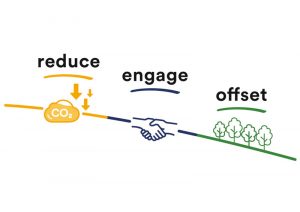
Committed to “Reduce”, “Engage” and “Offset” to support net carbon-zero by 2050

In late 2019, Lenzing pledged to reduce specific carbon emissions by 50 percent by 2030 and become net carbon-zero by 2050. Picking up on these commitments, Lenzing’s TENCEL brand is taking action via the pillars “Reduce”, “Engage” and “Offset”, which actively reduces the product’s carbon footprint, engages industry partners and offsets unavoidable carbon emissions.

With the priority of achieving continuous reduction of carbon emissions through more efficient production methods across the entire supply chain, using renewable energy sources and embracing new technologies, Lenzing is also working with the leading experts on carbon neutrality and climate finance, Natural Capital Partners, to achieve CarbonNeutral® product certification for TENCEL Lyocell and Modal fibers. Natural Capital Partners requires an independent third-party assessment of the products’ carbon footprint and works with the highest quality carbon finance projects which produce verifiable, additional and permanent emission reductions that meet International Carbon Reduction and Offset Alliance (ICROA) approved standards. Furthermore, carbon-zero TENCEL fibers are produced using renewable energy, whilst also monitoring and engaging with suppliers.

Tom Popple, Senior Manager, Climate Change and Sustainability at Natural Capital Partners, commented: “By achieving CarbonNeutral product certification for two TENCEL fibers, Lenzing has taken an important step in its long-term journey to reduce its company and product emissions. Not only that, but due to the position of Lenzing in the supply chain of many fashion retailers, this certification sends a message of commitment to climate action for the textile industry. We are delighted to be working with Lenzing and look forward to supporting the company to achieve its future climate commitments.”

In parallel, the TENCEL brand is engaging industry partners and raw material suppliers to collaborate and empower brands to take part in the carbon neutral movement. To this end, Lenzing is the first cellulosic fiber producer to commit to the Science Based Targets initiative, as we engage and steer our industry to normalize supply chain transparency, source materials with low carbon footprint and thereby reduce overall carbon emissions.

Until carbon emission levels can be completely eradicated, the TENCEL brand will take actions to offset emissions by supporting verified global carbon reduction projects in areas that are linked to the textile industry, such as India, Bangladesh or Thailand. “We as a company and brand have taken steps to reduce our footprint, but not all emissions are avoidable. This motivates us to act on a global level and we found possibilities to help and support the avoidance of CO2 emissions around the world. The concept of carbon compensation through offsetting helps to contribute to carbon reduction through verified climate finance projects,” said Florian Heubrandner, vice president of Global Business Management Textiles at Lenzing.

“In the midst of such a climate crisis, Lenzing believes that every company must take action against global warming within its sphere of influence. We are extremely excited to embark on this new initiative featuring CarbonNeutral product offerings under the TENCEL brand. This is a new step forward for Lenzing’s overall corporate goal, enabling us to assist supply chain partners and motivate textile brands in reassessing carbon emissions in their production lines. Looking forward, we will continue to diversify our product portfolio following stringent internal guidelines that help to avoid greenwashing and involves consumers in the carbon neutral discussion,” said Florian Heubrandner.

Making a fundamental change in operations to reduce carbon emissions

Guided by Science Based Targets to facilitate the seamless transition of Lenzing’s carbon-zero journey, Lenzing will deploy four key levers that cover energy efficiency, reduction of fossil fuel use, integration of pulp and fiber production facilities and ongoing investment in new technologies to reduce carbon emissions.

“The launch of our carbon-zero TENCEL fibers is just the start of an ongoing battle against climate change. As we continue to innovate our production processes and fiber offerings, we will look beyond being complacent about the inherent climate advantage of the wood-based fiber business model. Our ultimate goal is to offer the carbon neutral benefit across our entire selection of TENCEL fibers and the textile supply chain,” says Robert van de Kerkhof, chief commercial officer at Lenzing Group. “In parallel, we will continue to work with different partners, from brands and designers to NGOs, to build a more effective ecosystem that strives to achieve the common goal of carbon neutrality. While we continue to support our partners in their journey towards carbon neutral, we encourage everyone to join our ‘true carbon zero’ movement. With the clock already ticking, let us come together against climate change!”

Posted September 22, 2020

Source: Lenzing Group

EXIM Announces Members Of The 2020-2021 EXIM Advisory Committee And Newly Established Chairman’s Council On China Competition

WASHINGTON — September 9, 2020 — The Export-Import Bank of the United States (EXIM) announced today the appointment of 17 members to its Advisory Committee, and establishment of a new EXIM Advisory Committee Subcommittee on Strategic Competition with the People’s Republic of China, informally called the “Chairman’s Council on China Competition” (Chairman’s Council). The terms for all appointed will run through September 2021.

The EXIM Advisory Committee, as required by the U.S. Congress, advises EXIM on its programs and, in particular, on the extent to which the agency provides competitive financing to support American jobs through exports.

The EXIM Board of Directors unanimously approved the  2020-2021 EXIM Advisory Committee Members during an open session of today’s EXIM Board of Directors Meeting after the conclusion of an open nomination process, which was published in the Federal Register on July 7, 2020. The Advisory Committee will again be chaired by the Honorable Stevan Pearce, former member of the U.S. House of Representatives and New Mexico House of Representatives. Pearce also chaired the 2019-2020 EXIM Advisory Committee.

“It has been an honor to work alongside Chairman Reed and her team, as they’ve successfully reopened, reauthorized, and reformed the agency,” said Chair Stevan Pearce. “The next year will be instrumental as they stand up the Program on China and Transformational Exports. I look forward to continuing as the Chair of the Advisory Committee and advising EXIM on its policies and programs to advance the agency’s mission of supporting U.S. jobs through exports.”

Chairman Reed also today announced that EXIM Advisory Committee Chairman Stevan Pearce established a newly formed EXIM Subcommittee on Strategic Competition with the People’s Republic of China, or Chairman’s Council. The Chairman’s Council will advise the agency on how China is engaging in strategic competition against the United States, and how Beijing’s actions impact American interests and economic security.

In particular, the Chairman’s Council will help EXIM make the most of its critical, bipartisan Congressional mandate to establish a “Program on China and Transformational Exports,” designed to directly neutralize Chinese export subsidies, advance the comparative leadership of the United States with respect to China, and support U.S. innovation, employment, and technological standards in ten key technology sectors, ranging from 5G to artificial intelligence to biomedical sciences to renewable energy.

Ambassador Paula Dobriansky, who will serve on the EXIM Advisory Committee and as Chair of the Chairman’s Council on China Competition, said, “I am excited to work with my committee and subcommittee colleagues on the national imperative of promoting U.S. exports and thus, creating American jobs. In the face of fierce competition from state-backed Chinese entities, EXIM represents a vital tool of statecraft, particularly in sectors critical to long-term U.S. prosperity and security.”

“I congratulate the new members of the EXIM Advisory Committee and the newly established Chairman’s Council on China Competition. It is amazing to see how far we have come since fully reopening EXIM in May 2019, and these immensely qualified and diverse individuals will provide valuable insights to EXIM going forward,” said EXIM President and Chairman Kimberly A. Reed.“ As Congress—in our historic 2019 reauthorization—and the 2019-2020 EXIM Advisory Committee—in their statement in the June 2020 Report to the U.S. Congress on Global Competition—underscored, EXIM is a critical tool when it comes to strengthening America’s competitiveness with respect to China. I look forward to working with both the Advisory Committee and Chairman’s Council to ensure that EXIM is living up to our vision of ‘Keeping America Strong: Empowering U.S. Businesses and Workers to Compete Globally.’”

A full list of members of the 2020-2021 EXIM Advisory Committee and Chairman’s Council on China Competition can be found below:

2020-2021 EXIM Advisory Committee

Chair: The Honorable Stevan Pearce*, CEO/Manager Trinity Industries Inc.; Former Member U.S. House of Representatives and New Mexico House of Representatives
Hobbs, N.M. Representing: State Government

Members:

  • Maria Cino, Vice President, Corporate Affairs for the Americas, Hewlett Packard Enterprise, Washington
    Representing: Production
  • Bill Cummins*, Executive State Director, Alabama SBDC Network, The University of Alabama, Tuscaloosa, Ala.
    Representing: Commerce
  • Ambassador Paula Dobriansky, Senior Fellow, Harvard University Belfer Center for Science and International Affairs, Vice Chair, Scowcroft Center for Strategy and Security (Atlantic Council), Washington
    Representing: Commerce
  • Rodney Ferguson, President and CEO, Winrock International, Arlington, Va.
    Representing: Environment
  • Lawrence Goodman, President and Founder, Center for Financial Stability, New York, NY
    Representing: Finance
  • Owen Herrnstadt, Chief of Staff, Director of Trade and Globalization, International Association of Machinists and Aerospace Workers, Upper Marlboro, Md.
    Representing: Labor
  • Bill Huntington, President, N.A. Wholesale Men’s, Kids’ & Home, Ralph Lauren Corporation, New York, N.Y.
    Representing: Textiles
  • Sean McGarvey, President, North America’s Building Trade Unions, Washington
    Representing: Labor
  • Scott Palmer*, Partner, Palmer Hunter & Hall, Los Angeles
    Representing: Services
  • Rich Powell, Executive Director, ClearPath, Washington
    Representing: Environment
  • T.J. Raguso, Group Executive Vice President, Director of Global Banking, Zions Bancorporation, Houston
    Representing: Finance
  • Alex Sanchez, President and CEO, Florida Bankers Association, Tallahassee, Fla.
    Representing: Finance
  • Venkee Sharma*, CEO, Aquatech International, Canonsburg, Pa.
    Representing: Production
  • Christopher Smith*, Executive Director, Parity for Main Street Employers, Washington
    Representing: Commerce
  • Linda Upmeyer*, Member and Former Speaker Iowa House of Representatives, Clear Lake, Iowa
    Representing: Agriculture
  • Joanne Young, Managing Partner, Kirstein & Young, PLLC, Washington
    Representing: Services

*Small Business

2020-2021 EXIM Chairman’s Council on China Competition

Chair: Ambassador Paula Dobriansky, Senior Fellow, Harvard University Belfer Center for Science and International Affairs, Vice Chair, Scowcroft Center for Strategy and Security (Atlantic Council)

Members:

  • Derek Campbell, CEO, Energy and Natural Resource Security Inc., Executive Chairman, AlphaSierra Advisory Group;
  • Elaine Dezenski, Founder and Managing Partner, LumiRisk LLC;
  • Kathie Leonard, President & CEO, Auburn Manufacturing;
  • Jenny Norris, Director, East Region, Meridian Finance Group;
  • Jim O’Brien, Principal, Baker & McKenzie LLP;
  • Serge Verma, President, Vinmar Projects LLC; and
  • Deborah Wince-Smith, President & CEO, Council on Competitiveness.

Posted September 22, 2020

Source: EXIM

Sponsors