TEMPE, Ariz. — March 1, 2021 — Economic activity in the manufacturing sector grew in February, with the overall economy notching a ninth consecutive month of growth, say the nation’s supply executives in the latest Manufacturing ISM® Report On Business®.
The report was issued today by Timothy R. Fiore, CPSM, C.P.M., Chair of the Institute for Supply Management® (ISM®) Manufacturing Business Survey Committee:
“The February Manufacturing PMI® registered 60.8 percent, an increase of 2.1 percentage points from the January reading of 58.7 percent. This figure indicates expansion in the overall economy for the ninth month in a row after contraction in March, April, and May. The New Orders Index registered 64.8 percent, up 3.7 percentage points from the January reading of 61.1 percent. The Production Index registered 63.2 percent, an increase of 2.5 percentage points compared to the January reading of 60.7 percent. The Backlog of Orders Index registered 64 percent, 4.3 percentage points above the January reading of 59.7 percent. The Employment Index registered 54.4 percent, 1.8 percentage points higher from the January reading of 52.6 percent. The Supplier Deliveries Index registered 72 percent, up 3.8 percentage points from the January figure of 68.2 percent. The Inventories Index registered 49.7 percent, 1.1 percentage points lower than the January reading of 50.8 percent. The Prices Index registered 86 percent, up 3.9 percentage points compared to the January reading of 82.1 percent. The New Export Orders Index registered 57.2 percent, an increase of 2.3 percentage points compared to the January reading of 54.9 percent. The Imports Index registered 56.1 percent, a 0.7-percentage point decrease from the January reading of 56.8 percent.”
Fiore continued: “The manufacturing economy continued its recovery in February. Survey Committee members reported that their companies and suppliers continue to operate in reconfigured factories. Issues with absenteeism, short-term shutdowns to sanitize facilities, and difficulties in hiring workers remain challenges and continue to cause strains that limit manufacturing-growth potential. Optimistic panel sentiment increased, with five positive comments for every cautious comment, compared to a 3-to-1 ratio in January. Demand expanded, with the (1) New Orders Index growing at a strong level, supported by the New Export Orders Index expanding at a faster rate, (2) Customers’ Inventories Index remaining in ‘too low’ territory (at 32.5 percent, tying its all-time low), and the (3) Backlog of Orders Index growing 4.3 percentage points compared to January. Consumption (measured by the Production and Employment indexes) contributed positively (a combined 4.3-percentage point increase) to the Manufacturing PMI calculation. Five of the top six industries reported moderate to strong expansion. The Employment Index expanded for the third straight month, but panelists continue to note significant difficulties in attracting and retaining labor at their companies and supplier facilities. Inputs — expressed as supplier deliveries, inventories and imports — continued to indicate input-driven constraints to production expansion, at higher rates compared to January, as indicated by the Inventories Index returning to contraction territory and another month of slowing supplier delivery performance. Imports marginally slowed in the period, driven by port backlogs. The Prices Index expanded for the ninth consecutive month, indicating continued supplier pricing power and scarcity of supply chain goods.
“Of the six biggest manufacturing industries, five — Chemical Products; Fabricated Metal Products; Transportation Equipment; Computer & Electronic Products; and Food, Beverage & Tobacco Products — registered strong growth in February. Petroleum & Coal Products moderately contracted.
“Manufacturing performed well for the ninth straight month, with demand, consumption and inputs registering strong growth compared to January. Labor-market difficulties at panelists’ companies and their suppliers continued to restrict manufacturing-economy expansion and will remain the primary headwind to production growth until employment levels and factory operations can return to normal across the entire supply chain,” says Fiore.
Of the 18 manufacturing industries, 16 reported growth in February, in the following order: Textile Mills; Electrical Equipment, Appliances & Components; Primary Metals; Paper Products; Chemical Products; Machinery; Fabricated Metal Products; Transportation Equipment; Wood Products; Plastics & Rubber Products; Computer & Electronic Products; Apparel, Leather & Allied Products; Food, Beverage & Tobacco Products; Miscellaneous Manufacturing; Furniture & Related Products; and Nonmetallic Mineral Products. The two industries reporting contraction in February are: Printing & Related Support Activities; and Petroleum & Coal Products.
What Respondents Are Saying
“The coronavirus [COVID-19] pandemic is affecting us in terms of getting material to build from local and our overseas third- and fourth-tier suppliers. Suppliers are complaining of [a lack of] available resources [people] for manufacturing, creating major delivery issues.” (Computer & Electronic Products)
“Supply chains are depleted; inventories up and down the supply chain are empty. Lead times increasing, prices increasing, [and] demand increasing. Deep freeze in the Gulf Coast expected to extend duration of shortages.” (Chemical Products)
“Steel prices have increased significantly in recent months, driving costs up from our suppliers and on proposals for new work that we are bidding. In addition, the tariffs and anti-dumping fees/penalties incurred by international mills/suppliers are being passed on to us.” (Transportation Equipment)
“We have experienced a higher rate of delinquent shipments from our ingredient suppliers in the last month. We are still struggling keeping our production lines fully manned. We anticipate a fast and large order surge in the food-service sector as restaurants open back up.” (Food, Beverage & Tobacco Products)
“Overall capacities are full across our industry. Logistics times are at record times. Continuing to fight through shipping and increased lead times on both raw materials and finished goods due to the pandemic.” (Fabricated Metal Products)
“Prices are going up, and lead times are growing longer by the day. While business and backlog remain strong, the supply chain is going to be stretched very [thin] to keep up.” (Machinery)
“Things are now out of control. Everything is a mess, and we are seeing wide-scale shortages.” (Electrical Equipment, Appliances & Components)
“Labor shortages at suppliers are affecting material deliveries and prices.” (Plastics & Rubber Products)
“We have seen our new-order log increase by 40 percent over the last two months. We are overloaded with orders and do not have the personnel to get product out the door on schedule.” (Primary Metals)
“A sense of urgency is being felt regarding new orders. Customers are giving an impression that a presence of stability is forthcoming and order flow is increasing.” (Textile Mills)
“Prices are rising so rapidly that many are wondering if [the situation] is sustainable. Shortages have the industry concerned for supply going forward, at least deep into the second quarter.” (Wood Products)
| MANUFACTURING AT A GLANCE
February 2021 |
| Index |
Series Index
Feb |
Series Index
Jan |
Percentage
Point
Change |
Direction |
Rate of Change |
Trend* (Months) |
| Manufacturing PMI® |
60.8 |
58.7 |
+2.1 |
Growing |
Faster |
9 |
| New Orders |
64.8 |
61.1 |
+3.7 |
Growing |
Faster |
9 |
| Production |
63.2 |
60.7 |
+2.5 |
Growing |
Faster |
9 |
| Employment |
54.4 |
52.6 |
+1.8 |
Growing |
Faster |
3 |
| Supplier Deliveries |
72.0 |
68.2 |
+3.8 |
Slowing |
Faster |
60 |
| Inventories |
49.7 |
50.8 |
-1.1 |
Contracting |
From Growing |
1 |
| Customers’ Inventories |
32.5 |
33.1 |
-0.6 |
Too Low |
Faster |
55 |
| Prices |
86.0 |
82.1 |
+3.9 |
Increasing |
Faster |
9 |
| Backlog of Orders |
64.0 |
59.7 |
+4.3 |
Growing |
Faster |
8 |
| New Export Orders |
57.2 |
54.9 |
+2.3 |
Growing |
Faster |
8 |
| Imports |
56.1 |
56.8 |
-0.7 |
Growing |
Slower |
8 |
| OVERALL ECONOMY |
Growing |
Faster |
9 |
| Manufacturing Sector |
Growing |
Faster |
9 |
Manufacturing ISM® Report On Business® data is seasonally adjusted for the New Orders, Production, Employment and Inventories indexes.
*Number of months moving in current direction.
Commodities Reported Up/Down In Price And In Short Supply
Commodities Up in Price
Acetone; Acrylonitrile Butadiene Styrene (ABS) Plastic (2); Aluminum (9); Aluminum Extrusions; Capacitors; Copper (9); Corrugate (5); Corrugated Boxes (4); Crude Oil (3); Diesel (2); Electrical Components (3); Electronic Components (3); Fiberglass Products; Freight (4); High-Density Polyethylene (HDPE) (2); Lumber (8); Methyl Methacrylate; Natural Gas (2); Nylon Fiber (2); Ocean Freight (3); Oil-Derived Products; Packaging Supplies (3); Paper Products (3); Personal Protective Equipment (PPE) — Gloves (3); Plastic Resins (6); Plywood; Polyethylene; Polyethylene Terephthalate (PET); Polypropylene (8); Polyurethane Foam Products; Polyvinyl Chloride (PVC) (5); Precious Metals (2); Propylene (2); Resin-Based Products; Resistors; Rubber Products; Semiconductors; Solvents — Other; Soybean Products (5); Steel (7); Steel — Carbon (3); Steel — Cold Rolled (6); Steel — Hot Rolled (6); Steel — Scrap (3); Steel — Stainless (4); Steel Plate; Steel Products (6); and Wood — Pallets (3).
Commodities Down in Price
Dairy.
Commodities in Short Supply
Acetone; Aluminum; Computer Displays/Monitors; Corrugate (2); Corrugated Boxes (4); Electrical Components (5); Electronic Components (3); Freight — Ocean; Isocyanates; Methacrylate; Personal Protective Equipment (PPE) — Gloves (12); Plastic Products; Polypropylene; Propylene; Semiconductors (3); Steel (3); Steel — Cold Rolled (2); Steel — Hot Rolled (4); Steel — Specialty; and Steel Products.
Note: The number of consecutive months the commodity is listed is indicated after each item.
February 2021 Manufacturing Index Summaries
Manufacturing PMI®
Manufacturing grew in February, as the Manufacturing PMI registered 60.8 percent, 2.1 percentage points higher than the January reading of 58.7 percent. This equals the highest reading since February 2018 (60.8 percent); prior to that, the PMI registered 61.4 percent in May 2004. “The Manufacturing PMI® continued to indicate strong sector expansion and U.S. economic growth in February. Four of the five subindexes that directly factor into the PMI® were in growth territory and at a higher level compared to January. Of the six biggest manufacturing industries, five — Chemical Products; Fabricated Metal Products; Transportation Equipment; Computer & Electronic Products; and Food, Beverage & Tobacco Products — expanded. The New Orders and Production indexes continued to expand at strong levels. The Supplier Deliveries Index continued to reflect suppliers’ difficulties in maintaining delivery rates, due to factory labor-safety issues and transportation challenges. Nine of 10 subindexes were positive for the period; a reading of ‘too low’ for Customers’ Inventories Index is considered a positive for future production,” says Fiore. A reading above 50 percent indicates that the manufacturing economy is generally expanding; below 50 percent indicates that it is generally contracting.
A Manufacturing PMI above 43.1 percent, over a period of time, generally indicates an expansion of the overall economy. Therefore, the February Manufacturing PMI indicates the overall economy grew in February for the ninth consecutive month following contractions in March, April, and May. “The past relationship between the Manufacturing PMI and the overall economy indicates that the Manufacturing PMI for January (60.8 percent) corresponds to a 5-percent increase in real gross domestic product (GDP) on an annualized basis,” Fiore said.
The Last 12 Months
| Month |
Manufacturing
PMI® |
|
Month |
Manufacturing
PMI® |
| Feb 2021 |
60.8 |
|
Aug 2020 |
55.6 |
| Jan 2021 |
58.7 |
|
Jul 2020 |
53.7 |
| Dec 2020 |
60.5 |
|
Jun 2020 |
52.2 |
| Nov 2020 |
57.7 |
|
May 2020 |
43.1 |
| Oct 2020 |
58.8 |
|
Apr 2020 |
41.7 |
| Sep 2020 |
55.7 |
|
Mar 2020 |
49.7 |
| Average for 12 months – 54.0
High – 60.8
Low – 41.7 |
New Orders
ISM’s New Orders Index registered 64.8 percent in February, up 3.7 percentage points compared to the 61.1 percent reported in January. This indicates that new orders grew for the ninth consecutive month. “Of the six largest manufacturing sectors, five — Transportation Equipment; Chemical Products; Fabricated Metal Products; Computer & Electronic Products; and Food, Beverage & Tobacco Products — expanded at very strong levels. Petroleum & Coal Products retained its previous-month reading of 50 percent,” says Fiore. A New Orders Index above 52.8 percent, over time, is generally consistent with an increase in the Census Bureau’s series on manufacturing orders (in constant 2000 dollars).
Of the 18 manufacturing industries, the 13 that reported growth in new orders in February — in the following order — are: Paper Products; Wood Products; Primary Metals; Textile Mills; Electrical Equipment, Appliances & Components; Transportation Equipment; Chemical Products; Machinery; Fabricated Metal Products; Printing & Related Support Activities; Computer & Electronic Products; Food, Beverage & Tobacco Products; and Plastics & Rubber Products. The only industry reporting a decline in new orders in February is Miscellaneous Manufacturing.
| New Orders |
%Higher |
%Same |
%Lower |
Net |
Index |
| Feb 2021 |
42.4 |
51.2 |
6.4 |
+36.0 |
64.8 |
| Jan 2021 |
37.0 |
51.0 |
12.0 |
+25.0 |
61.1 |
| Dec 2020 |
40.3 |
45.1 |
14.6 |
+25.7 |
67.5 |
| Nov 2020 |
35.9 |
50.1 |
14.0 |
+21.9 |
65.7 |
Production
The Production Index registered 63.2 percent in February, 2.5 percentage points higher than the January reading of 60.7 percent, indicating growth for the ninth consecutive month. “Five (Chemical Products; Fabricated Metal Products; Transportation Equipment; Food, Beverage & Tobacco Products; and Computer & Electronic Products) of the top six industries expanded at moderate to strong levels,” says Fiore. An index above 52.1 percent, over time, is generally consistent with an increase in the Federal Reserve Board’s Industrial Production figures.
The 14 industries reporting growth in production during the month of February — listed in order — are: Paper Products; Textile Mills; Primary Metals; Electrical Equipment, Appliances & Components; Machinery; Chemical Products; Fabricated Metal Products; Wood Products; Transportation Equipment; Plastics & Rubber Products; Food, Beverage & Tobacco Products; Furniture & Related Products; Computer & Electronic Products; and Miscellaneous Manufacturing. The two industries reporting decreased production in February are: Printing & Related Support Activities; and Nonmetallic Mineral Products.
| Production |
%Higher |
%Same |
%Lower |
Net |
Index |
| Feb 2021 |
36.8 |
51.7 |
11.6 |
+25.2 |
63.2 |
| Jan 2021 |
30.8 |
57.8 |
11.4 |
+19.4 |
60.7 |
| Dec 2020 |
32.3 |
54.6 |
13.1 |
+19.2 |
64.7 |
| Nov 2020 |
33.7 |
52.0 |
14.3 |
+19.4 |
62.2 |
Employment
ISM’s Employment Index registered 54.4 percent in February, 1.8 percentage points higher than the January reading of 52.6 percent. “The Employment Index grew for the third month in a row, with five (Chemical Products; Food, Beverage & Tobacco Products; Transportation Equipment; Computer & Electronic Products; and Fabricated Metal Products) of the six big industry sectors expanding. Continued strong new-order levels, low customer inventories and an expanding backlog indicate potential employment strength for the rest of the first quarter. For the sixth straight month, survey panelists’ comments indicate that significantly more companies are hiring or attempting to hire than those reducing labor forces,” says Fiore. An Employment Index above 50.6 percent, over time, is generally consistent with an increase in the Bureau of Labor Statistics (BLS) data on manufacturing employment.
Of the 18 manufacturing industries, the 11 industries to report employment growth in February — in the following order — are: Electrical Equipment, Appliances & Components; Textile Mills; Primary Metals; Miscellaneous Manufacturing; Machinery; Chemical Products; Food, Beverage & Tobacco Products; Transportation Equipment; Computer & Electronic Products; Plastics & Rubber Products; and Fabricated Metal Products. The four industries reporting a decrease in employment in February are: Printing & Related Support Activities; Furniture & Related Products; Petroleum & Coal Products; and Paper Products.
| Employment |
%Higher |
%Same |
%Lower |
Net |
Index |
| Feb 2021 |
19.2 |
68.5 |
12.3 |
+6.9 |
54.4 |
| Jan 2021 |
13.9 |
72.2 |
13.8 |
+0.1 |
52.6 |
| Dec 2020 |
14.9 |
68.8 |
16.3 |
-1.4 |
51.7 |
| Nov 2020 |
14.8 |
66.4 |
18.9 |
-4.1 |
48.3 |
Supplier Deliveries†
The delivery performance of suppliers to manufacturing organizations was slower in February, as the Supplier Deliveries Index registered 72 percent. This is 3.8 percentage points higher than the 68.2 percent reported in January. “Suppliers continue to struggle to deliver, with deliveries slowing at a faster rate compared to the previous month. Transportation challenges and challenges in supplier-labor markets are still constraining production growth — and to a greater extent compared to January. The Supplier Deliveries Index also reflects difficulties suppliers continue to experience due to COVID-19 impacts combined with strong growth in economic activity. Since stable manufacturing began in August 2020, the index has gone up every month, indicating that suppliers are experiencing greater difficulties in meeting factory needs. Supplier labor and transportation constraints are not expected to diminish in the near-to-moderate term due to COVID-19 impacts,” says Fiore. A reading below 50 percent indicates faster deliveries, while a reading above 50 percent indicates slower deliveries.
Of the 18 industries, 16 reported slower supplier deliveries in February, listed in the following order: Apparel, Leather & Allied Products; Textile Mills; Fabricated Metal Products; Furniture & Related Products; Electrical Equipment, Appliances & Components; Paper Products; Machinery; Chemical Products; Plastics & Rubber Products; Computer & Electronic Products; Miscellaneous Manufacturing; Transportation Equipment; Nonmetallic Mineral Products; Wood Products; Food, Beverage & Tobacco Products; and Primary Metals. No industries reported faster supplier deliveries in February.
| Supplier Deliveries |
%Slower |
%Same |
%Faster |
Net |
Index |
| Feb 2021 |
45.4 |
53.1 |
1.5 |
+43.9 |
72.0 |
| Jan 2021 |
39.9 |
56.5 |
3.5 |
+36.4 |
68.2 |
| Dec 2020 |
39.5 |
56.3 |
4.2 |
+35.3 |
67.7* |
| Nov 2020 |
27.5 |
68.4 |
4.1 |
+23.4 |
61.7 |
*Supplier Deliveries is no longer seasonally adjusted; however, due to more precise rounding, this number increased by 0.1 percentage point.
Inventories
The Inventories Index registered 49.7 percent in February, 1.1 percentage points lower than the 50.8 percent reported for January. Inventories contracted after four consecutive months of marginal growth, following three months of contraction. “Inventory-growth stability in light of ongoing supplier constraints indicates that supply chains are meeting near-term production demand, despite transportation challenges and COVID-19 headwinds. However, supplier delivery rates are not strong enough to grow inventories, as most panelists would prefer,” says Fiore. An Inventories Index greater than 44.5 percent, over time, is generally consistent with expansion in the Bureau of Economic Analysis (BEA) figures on overall manufacturing inventories (in chained 2000 dollars).
The six industries reporting higher inventories in February — listed in order — are: Textile Mills; Primary Metals; Chemical Products; Food, Beverage & Tobacco Products; Machinery; and Fabricated Metal Products. The five industries reporting a decrease in inventories in February are: Printing & Related Support Activities; Paper Products; Plastics & Rubber Products; Electrical Equipment, Appliances & Components; and Miscellaneous Manufacturing. Seven industries reported no change in February compared to January.
| Inventories |
%Higher |
%Same |
%Lower |
Net |
Index |
| Feb 2021 |
19.8 |
63.1 |
17.1 |
+2.7 |
49.7 |
| Jan 2021 |
18.1 |
65.6 |
16.3 |
+1.8 |
50.8 |
| Dec 2020 |
22.1 |
53.5 |
24.4 |
-2.3 |
51.0 |
| Nov 2020 |
18.1 |
62.4 |
19.4 |
-1.3 |
50.8 |
Customers’ Inventories†
ISM’s Customers’ Inventories Index registered 32.5 percent in February, 0.6 percentage point lower than the 33.1 percent reported for January, indicating that customers’ inventory levels were considered too low. “Customers’ inventories are too low for the 55th consecutive month, a positive for future production growth. This reading is tied with December 2009 as the lowest reported since the subindex was established in January 1997. For seven months in a row, the Customers’ Inventories Index has been at historically low levels,” says Fiore.
Of the 18 industries, the only one reporting higher customers’ inventories in February is Printing & Related Support Activities. The 16 industries reporting customers’ inventories as too low during February — listed in order — are: Fabricated Metal Products; Wood Products; Machinery; Primary Metals; Nonmetallic Mineral Products; Computer & Electronic Products; Transportation Equipment; Petroleum & Coal Products; Paper Products; Furniture & Related Products; Chemical Products; Electrical Equipment, Appliances & Components; Plastics & Rubber Products; Textile Mills; Food, Beverage & Tobacco Products; and Miscellaneous Manufacturing.
| Customers’
Inventories |
%
Reporting |
%Too
High |
%About
Right |
%Too
Low |
Net |
Index |
| Feb 2021 |
79 |
4.8 |
55.4 |
39.8 |
-35.0 |
32.5 |
| Jan 2021 |
75 |
3.3 |
59.6 |
37.1 |
-33.8 |
33.1 |
| Dec 2020 |
75 |
7.2 |
61.4 |
31.4 |
-24.2 |
37.9 |
| Nov 2020 |
78 |
6.7 |
59.3 |
34.0 |
-27.3 |
36.3 |
Prices†
The ISM Prices Index registered 86 percent, an increase of 3.9 percentage points compared to the January reading of 82.1 percent, indicating raw materials prices increased for the ninth consecutive month. This is the index’s highest reading since May 2008, when it registered 88.1 percent. “Aluminum, copper, chemicals, all varieties of steel, soy, petroleum-based products including plastics, transportation costs, electrical and electronic components, corrugate, and wood and lumber products all continued to record price increases,” says Fiore. A Prices Index above 52.7 percent, over time, is generally consistent with an increase in the Bureau of Labor Statistics (BLS) Producer Price Index for Intermediate Materials.
All 18 industries reported paying increased prices for raw materials in February, in the following order: Apparel, Leather & Allied Products; Furniture & Related Products; Paper Products; Primary Metals; Fabricated Metal Products; Plastics & Rubber Products; Nonmetallic Mineral Products; Machinery; Electrical Equipment, Appliances & Components; Petroleum & Coal Products; Textile Mills; Miscellaneous Manufacturing; Chemical Products; Food, Beverage & Tobacco Products; Printing & Related Support Activities; Wood Products; Transportation Equipment; and Computer & Electronic Products.
|
Prices |
%Higher |
%Same |
%Lower |
Net |
Index |
| Feb 2021 |
73.1 |
25.7 |
1.2 |
+71.9 |
86.0 |
| Jan 2021 |
64.3 |
35.7 |
0.0 |
+64.3 |
82.1 |
| Dec 2020 |
57.8 |
39.7 |
2.6 |
+55.2 |
77.6 |
| Nov 2020 |
36.7 |
57.3 |
6.0 |
+30.7 |
65.4 |
Backlog of Orders†
ISM’s Backlog of Orders Index registered 64 percent in February, a 4.3-percentage point increase compared to the 59.7 percent reported in January, indicating order backlogs expanded for the eighth consecutive month. February’s reading is the second-highest since January 1993, when reporting for this subindex began, exceeded only by April 2004 (66.5 percent). “Backlogs expanded at faster rates in February, indicating that new-order intakes more than fully offset production outputs for the eighth straight month. Five (Transportation Equipment; Computer & Electronic Products; Fabricated Metal Products; Chemical Products; and Food, Beverage & Tobacco Products) of the six big industry sectors’ backlogs expanded with significant strength,” says Fiore.
The 14 industries reporting growth in order backlogs in February, in the following order, are: Electrical Equipment, Appliances & Components; Machinery; Transportation Equipment; Wood Products; Textile Mills; Paper Products; Computer & Electronic Products; Plastics & Rubber Products; Fabricated Metal Products; Primary Metals; Chemical Products; Furniture & Related Products; Food, Beverage & Tobacco Products; and Miscellaneous Manufacturing. No industries reported a decline in February compared to January.
| Backlog of Orders |
% Reporting |
%Higher |
%Same |
%Lower |
Net |
Index |
| Feb 2021 |
91 |
38.5 |
51.0 |
10.5 |
+28.0 |
64.0 |
| Jan 2021 |
91 |
32.1 |
55.2 |
12.7 |
+19.4 |
59.7 |
| Dec 2020 |
90 |
31.4 |
55.4 |
13.2 |
+18.2 |
59.1 |
| Nov 2020 |
89 |
28.9 |
56.1 |
15.0 |
+13.9 |
56.9 |
New Export Orders†
ISM’s New Export Orders Index registered 57.2 percent in February, up 2.3 percentage points compared to the January reading of 54.9 percent. “The New Export Orders Index grew for the eighth consecutive month at a faster rate. Five (Transportation Equipment; Fabricated Metal Products; Food, Beverage & Tobacco Products; Computer & Electronic Products; and Chemical Products) of the six big industry sectors expanded. New export orders were again a positive factor to the growth in the New Orders Index,” says Fiore.
The 13 industries reporting growth in new export orders in February — in the following order — are: Nonmetallic Mineral Products; Textile Mills; Wood Products; Electrical Equipment, Appliances & Components; Machinery; Transportation Equipment; Fabricated Metal Products; Food, Beverage & Tobacco Products; Primary Metals; Computer & Electronic Products; Miscellaneous Manufacturing; Plastics & Rubber Products; and Chemical Products. The only industry reporting a decrease in new export orders is Furniture & Related Products.
| New Export Orders |
% Reporting |
%Higher |
%Same |
%Lower |
Net |
Index |
| Feb 2021 |
73 |
20.5 |
73.4 |
6.1 |
+14.4 |
57.2 |
| Jan 2021 |
75 |
17.6 |
74.6 |
7.7 |
+9.9 |
54.9 |
| Dec 2020 |
72 |
20.1 |
74.8 |
5.1 |
+15.0 |
57.5 |
| Nov 2020 |
73 |
22.3 |
70.9 |
6.8 |
+15.5 |
57.8 |
Imports†
ISM’s Imports Index registered 56.1 percent in February, a decrease of 0.7 percentage point compared to the 56.8 percent reported for January. “Imports expanded for the eighth consecutive month, at slightly lower rates compared to January, reflecting continued increases in U.S. factory demand and interest in increasing on-shore inventory. Panelists continued to note record-breaking backlogs in ports of entry, as well as difficulties in arranging drayage and operating within the domestic transportation market,” says Fiore.
The 10 industries reporting growth in imports in February — in the following order — are: Textile Mills; Nonmetallic Mineral Products; Transportation Equipment; Primary Metals; Machinery; Computer & Electronic Products; Food, Beverage & Tobacco Products; Fabricated Metal Products; Chemical Products; and Electrical Equipment, Appliances & Components. Two industries reported a decrease in imports in February: Furniture & Related Products; and Plastics & Rubber Products. Six industries reported no change in imports in February compared to January.
| Imports |
% Reporting |
%Higher |
%Same |
%Lower |
Net |
Index |
| Feb 2021 |
85 |
21.0 |
70.3 |
8.7 |
+12.3 |
56.1 |
| Jan 2021 |
84 |
21.9 |
69.9 |
8.3 |
+13.6 |
56.8 |
| Dec 2020 |
85 |
19.2 |
70.8 |
10.0 |
+9.2 |
54.6 |
| Nov 2020 |
85 |
17.1 |
76.0 |
6.9 |
+10.2 |
55.1 |
†The Supplier Deliveries, Customers’ Inventories, Prices, Backlog of Orders, New Export Orders and Imports indexes do not meet the accepted criteria for seasonal adjustments.
Buying Policy
Average commitment lead time for Capital Expenditures increased in February by one day to 142 days. Average lead time for Production Materials decreased in February by one day to 67 days. Average lead time for Maintenance, Repair and Operating (MRO) Supplies decreased in February by one day to 38 days.
| Percent Reporting |
| Capital Expenditures |
Hand-to-
Mouth |
30 Days |
60 Days |
90 Days |
6 Months |
1 Year+ |
Average
Days |
| Feb 2021 |
23 |
6 |
8 |
15 |
29 |
19 |
142 |
| Jan 2021 |
21 |
6 |
10 |
15 |
30 |
18 |
141 |
| Dec 2020 |
24 |
5 |
10 |
17 |
28 |
16 |
132 |
| Nov 2020 |
22 |
6 |
10 |
16 |
27 |
19 |
140 |
| Percent Reporting |
| Production Materials |
Hand-to-
Mouth |
30 Days |
60 Days |
90 Days |
6 Months |
1 Year+ |
Average
Days |
| Feb 2021 |
11 |
31 |
27 |
20 |
9 |
2 |
67 |
| Jan 2021 |
9 |
35 |
26 |
20 |
7 |
3 |
68 |
| Dec 2020 |
9 |
33 |
27 |
21 |
7 |
3 |
69 |
| Nov 2020 |
10 |
35 |
24 |
22 |
6 |
3 |
67 |
| Percent Reporting |
| MRO Supplies |
Hand-to-
Mouth |
30 Days |
60 Days |
90 Days |
6 Months |
1 Year+ |
Average
Days |
| Feb 2021 |
33 |
37 |
16 |
11 |
3 |
0 |
38 |
| Jan 2021 |
31 |
36 |
19 |
11 |
3 |
0 |
39 |
| Dec 2020 |
32 |
37 |
17 |
12 |
2 |
0 |
37 |
| Nov 2020 |
34 |
36 |
16 |
10 |
3 |
1 |
40 |
|
|
|
|
|
|
|
|
|
|
|
|
|
Posted March 1, 2021
Source: Institute for Supply Management® (ISM®)

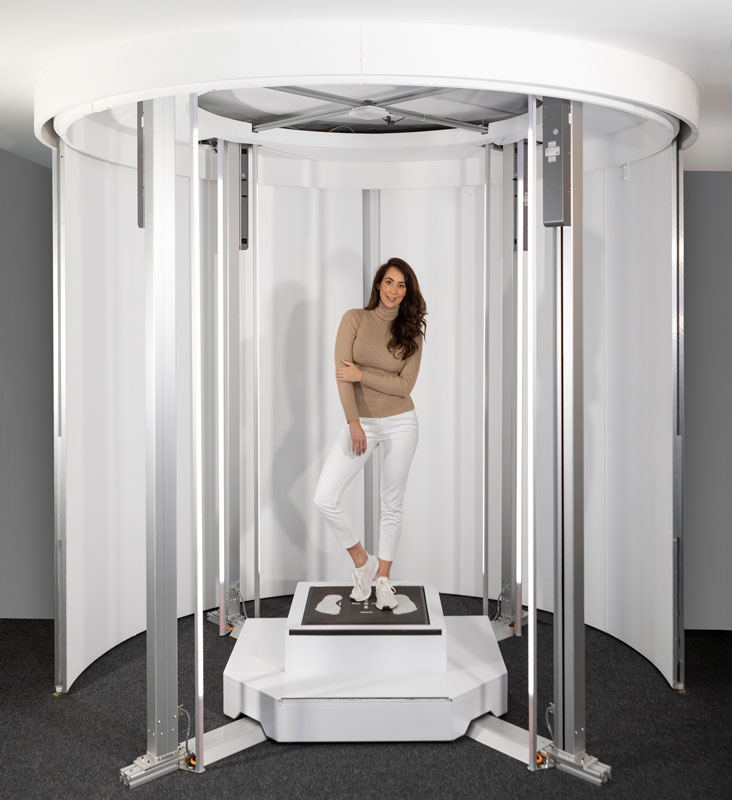 KAISERSLAUTERN, Germany/FARMINGTON HILLS, Mich. — March 2, 2021 — The Humanetics Group, the global leader in safety testing and developer of biofidelic crash test dummies, software modeling and custom sensor solutions, is pleased to announce the acquisition of Human Solutions GmbH and Avalution GmbH, leaders in virtual ergonomic design software. Through the acquisition, Humanetics adds critical tools used by vehicle designers around the globe to develop interior environments for occupants that are safe, comfortable and ergonomically pleasing. Human Solutions and Avalution will continue to be led by the current management team from their headquarters in Kaiserslautern, Germany, and satellite offices in Munich and Cary, N.C.