BRUSSELS — December 1, 2023 — During its first General Assembly, 18 European companies and organisations have formally joined ReHubs. They represent different segments of the circular textile value chain and share a common commitment to invest in textile recycling capacity in Europe. Additional partners are expected in the near future as ReHubs is receiving a widespread interest and companies may join at any time.
Current ReHubs partners are:
BASF
Boer Group
Coleo
Concordia Textiles
Decathlon
EURATEX
Gherzi Textil Organisation
Inditex
Indorama Ventures
Mango
PEPPER-i2
Purfi
Ratti
Recover
Refashion
Resortecs
Rester
RETEX.GREEN
TEXAID
All partners will support ReHubs Executive Director, Chris Deloof, to kick start activities in the coming months. ReHubs partners will elaborate together on further steps and activities for the forthcoming work plan and the development of the European Textile Recycling Roadmap.
Chris Deloof commented on this important step forward: “I am delighted to see such a strong group of organisations teaming up with ReHubs. They are a great example of how to establish a new circular textile value chain in Europe. We need to focus now on rolling out ReHubs investment projects and further expanding our partners and investors network.”
DUBAI — December 5, 2023 — Alpine Group — the end-to-end textile innovation and apparel manufacturing group whose brand partners include Lululemon, The North Face, Under Armour and Columbia — has today announced that it will join forces with fashion industry titans including TrusTrace, The Apparel Institute, Keel Labs, Samata Pattinson, Founder and CEO of Black Pearl and Julia Gulatee, One Young World Climate Ambassador, to host a first-of-its-kind panel at COP28 – the world’s most highly regarded gathering for climate action.
Taking place December 6 at 13.30 at the Climate Action Stage at the Sustainable Innovation Forum, “Beyond Aspirations: Taking Concrete Actions in the Fashion World” hosted by the Alpine Group, will bring fashion industry transformation to the forefront of global conversation by providing concrete, implementable strategies for fashion industry players to adopt sustainable practices.
Panellists will explore innovative technologies, green processes and next-gen materials that can drive significant reductions in carbon emissions throughout the supply chain to inspire action. Additionally, the panel will delve into the complex relationship between policy, regulation and consumer expectations amongst the growing concern of greenwashing in the fashion sector.
Clare Woodford, global director of Impact and Engagement, said: “Alpine Group recognises the pivotal role it plays in shaping the industry’s sustainable future and is committed to being at the forefront of catalyzing concrete changes across the fashion supply chain. Hosting key industry experts is not just an opportunity; it’s a collective commitment to addressing the challenges head-on and unveiling actionable solutions.
The importance of implementing concrete change across the industry cannot be overstated. Through collective and tangible actions, we have the opportunity to not only meet consumer expectations, but to redefine industry standards and pave the way to make fashion fit for the future.”
A key challenge in understanding and improving the impact of the fashion industry has been the lack of visibility into deeper tiers of the value chain, which has made it difficult to gather the validated data necessary to discover and manage ESG risk across full portfolios. However, scalable solutions do exist to enable brands and suppliers to collaborate and to facilitate funding for sustainable transformation.
“Concrete actions to improve Fashion’s impact on climate have not been thoroughly explored at COP gatherings in the past, and we’re proud to elevate this conversation to the global stage and inspire brands to take action with the methods and technologies available to them today,” said panellist Saravanan Parisutham, co-founder and COO of TrusTrace. “By bringing together key fashion industry experts, we can provide insight into how brands can turn their sustainability goals into actions with transparency and data traceability.”
Panellists include:
Moderator Clare Woodford, Global Director, Impact and Engagement, Alpine Group
Saravanan Parisutham, COO of TrusTrace
Lewis Perkins, President of the Apparel Impact Institute
Samata Pattinson, Founder and CEO, Black Pearl
Julia Gulatee, One Young World, Climate Ambassador (Fashion Pact and formerly Chanel’s policy team)
Aleks Gosiewski, Co-Founder and COO at Keel Labs
For more information, visit – https://www.cop-28.org/whats-on/climate-action-stage.
To watch the session live, visit – https://www.cop-28.org/whats-on/climate-action-stage.
LUDWIGSHAFEN, Germany— December 5, 2023 — From early 2024 onward, BASF will offer its products 1,4-butanediol (BDO) and polytetrahydrofuran (PolyTHF®) as “LowPCF” products. BASF has calculated the individual product carbon footprints (PCF) of both chemical products.1 The results were compared with assessments of market-wide average carbon footprints of the corresponding products of third parties.2 The analysis shows that due to BASF’s production setup, the PCFs of BDO and derivatives such as PolyTHF are significantly below the global average PCF of the corresponding third-party chemicals that are all produced from fossil-based raw materials.
On its journey to achieve net zero CO2 emissions by 2050, BASF is the first large chemical company to make available to its customers the individual PCFs of all its sales products. The PCF comprises the total greenhouse gas emissions that occur until the product leaves BASF’s factory gate for the customer: from the extraction of resources through manufacturing of precursors to the making of the final chemical product itself.
Various factors contributing to a low product carbon footprint
The PCF is determined by various factors. For example, energy generation in BASF’s own gas-fired combined heat and power plants generates significantly less greenhouse gas emissions compared to other conventional energy generation methods. In addition, production processes of LowPCF intermediates are characterized by high production efficiency in terms of energy and raw material consumption due to BASF’s integrated Verbund system and continuous efforts in operational excellence. Finally, LowPCF intermediates generally use oil, natural gas or Verbund by-products, but not coal, as primary raw materials. Due to its chemical properties, the use of coal generally results in a higher carbon footprint of downstream products compared to those based on natural gas or oil.
“Company CO2 emission reduction targets are playing an increasingly important role in the value chains we serve. With our LowPCF intermediates, we are supporting our customers in achieving their targets: They now have the option to consciously choose a product with a carbon footprint significantly below the global market average,” said Ketan Joshi, head of BASF’s Intermediates operating division. “By making CO2 emission data at the individual product level available to our customers, we also offer a level of transparency that is unique in the chemical industry.”
BDO and PolyTHF: Essential raw materials in many value chains
BDO is mainly used for the production of PolyTHF. BASF’s customers use PolyTHF for example to produce elastic spandex and elastane fibers that are used for a wide range of textiles such as swimsuits, sportswear and underwear, but also outerwear such as shirts and stretch jeans. The elastic fibers ensure wearing comfort in the long run, they are resistant to moisture and microbes. PolyTHF also serves as a chemical building block for the production of thermoplastic polyurethanes (TPU), which BASF customers use to make highly abrasion-resistant and elastic hoses, films and cable sheathing, primarily for the automotive industry. Other applications include thermoplastic polyetheresters, polyetheramides and cast elastomers for the manufacture of wheels, for example for skateboards and inline skates. With a total of five production plants for PolyTHF in Europe, North America and Asia Pacific, BASF is one of the world’s most important suppliers of this versatile intermediate.
BDO is also a starting material for polybutylene terephthalate (PBT), an engineering plastic that is used successfully (under the BASF trade name Ultradur®) in the automotive, electrical and electronics industries. BDO also serves as an intermediate for the production of tetrahydrofuran (THF) and N-methylpyrrolidone (NMP), whose main applications are as essential solvents in the manufacturing of pharmaceuticals and for lithium-ion battery cathodes e.g., for electrical vehicles.
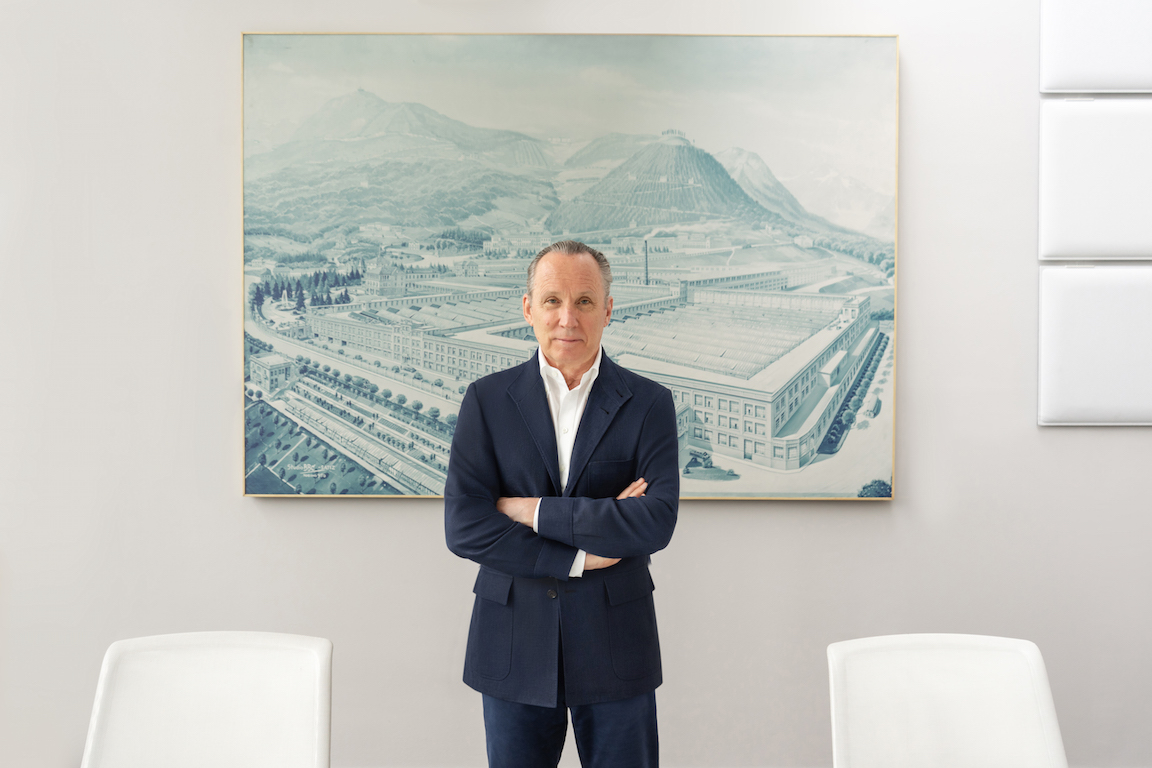
Ermenegildo Zegna, Chairman and CEO of Ermenegildo Zegna Group , at the Group’s headquarters, in Milan, Italy, Wednesday, July, 12, 2023. – Francesca Volpi for Financial Times
NEW YORK CITY — December 5, 2023 — Ermenegildo Zegna N.V. today will host its second Capital Markets Day at the New York Stock Exchange where the Group will unveil the next iteration of its strategy and its updated medium-term financial objectives, including its ambitions for Tom Ford Fashion. A new chapter in Our Road To Tomorrow strategy.
Ermenegildo “Gildo” Zegna, chairman and CEO of the Zegna Group, said: “Almost two years ago, we stood in this same historic place to ring the Opening Bell and begin our life as a public company as the very first Italian luxury fashion company to be listed on the New York Stock Exchange. It was a proud moment for me, for my family, and for the entire Group — the culmination of a personal dream, and the starting point of an exciting new phase for the Group and of Our Road To Tomorrow.
Several months later, at our first Capital Markets Day held at Oasi Zegna in May 2022, we shared our medium-term financial outlook. I am pleased to say that today we are ahead of the plans we presented back then.”
He added: “Our financial performance today paints a very clear picture: we are a stronger, more thriving company than ever before — we achieved these results while strengthening our brands, and this despite the challenging geopolitical and macroeconomic conditions over the past two years.
Our goals — strategic and financial — have always been rooted in our values. Earlier this year we have added another incredible name to our portfolio: TOM FORD FASHION, which has become the third pillar of the Group. Our results so far demonstrate our ability to execute on the ZEGNA and Thom Browne strategies. This is why, as we start to execute on TOM FORD FASHION, I am confident in our ability to deliver on the objectives we are sharing today for the Group as part of our business strategy, building on the strong portfolio of our three complementary luxury brands and on the different stages in their growth cycles.”
As part of the update being provided today, the Group has set the following strategic goals and financial outlook:
At the Group level, beginning in FY 2023, the goal is to deliver over 10 percent compounded annual revenues growth (“CAGR”) in the medium term, with Adjusted EBIT CAGR of around 20 percent. This will generate significant cash surplus even while taking into consideration higher, targeted investments in marketing and capital expenditure to enhance brand desirability and drive growth.
ZEGNA expects further store productivity increases and market share gains globally, building on the strong results achieved through the successful implementation of the ZEGNA One Brand strategy and a product offering that meets the continued strong consumer demand for quiet luxury. Store productivity at ZEGNA is expected to grow by almost 50% in 2023 from the 2021 baseline, ahead of our May 2022 medium term guidance. It is projected to further increase at a ca. 10 percent CAGR in the medium term compared with 2023.
Thom Browne, building on its 20 year anniversary, expects a high teens compounded average growth in DTC revenues in the next years, with a streamlined wholesale distribution.
Tom Ford Fashion expects to grow its revenues by more than 10 percent compounded annual growth rate in the medium term2, capitalizing on the potential of the brand, whose strength today is much larger than its business, and by leveraging Group synergies to fuel its growth.
Capital Markets Day Live Stream
A live stream of the event and a copy of the presentation will be made available at ir.zegnagroup.com on Tuesday, December 5, 2023, at 8am EST / 2pm CET. An online archive of the broadcast will be available on the website after the live call and will be available for twelve months.
Non-IFRS Financial Measures
Zegna’s management monitors and evaluates operating and financial performance using several non-IFRS financial measures, among which adjusted earnings before interest and taxes (“Adjusted EBIT”) and Net Financial Indebtedness/Cash Surplus. Zegna’s management believes that these non-IFRS financial measures provide useful and relevant information regarding Zegna’s financial performance and improve the ability of management and investors to assess and compare the financial performance of Zegna with that of other companies. They also provide comparable measures that facilitate management’s ability to identify operational trends, as well as make decisions regarding future spending, resource allocations and other strategic and operational decisions. While similar measures are widely used in the industry in which Zegna operates, the financial measures that Zegna uses may not be comparable to other similarly named measures used by other companies nor are they intended to be substitutes for measures of financial performance or financial position as prepared in accordance with IFRS.
Adjusted EBIT
Adjusted EBIT is defined as profit or loss before income taxes plus financial income, financial expenses, exchange losses/(gains), result from investments accounted for using the equity method, impairments of investments accounted for using the equity method, adjusted for income and costs which are significant in nature and that management considers not reflective of underlying operating activities.
Zegna’s management uses Adjusted EBIT for internal reporting to assess performance and as part of the forecasting, budgeting and decision-making processes as it provides additional transparency regarding Zegna’s underlying operating performance. Zegna’s management believes this non-IFRS financial measure is useful because it excludes items that management believes are not indicative of Zegna’s underlying operating performance and allows management to view operating trends, perform analytical comparisons and benchmark performance between periods and among segments. Zegna’s management also believes that Adjusted EBIT is useful for investors and analysts to better understand how management assesses Zegna’s underlying operating performance on a consistent basis and to compare Zegna’s performance with that of other companies. Accordingly, management believes that Adjusted EBIT provides useful information to third party stakeholders in understanding and evaluating Zegna’s operating results.
Net Financial Indebtedness/Cash Surplus
Net Financial Indebtedness/(Cash Surplus) is defined as the sum of financial borrowings (current and non-current), derivative financial instrument liabilities, loans and certain other financial liabilities (recorded within other non-current financial liabilities in the consolidated statement of financial position), net of cash and cash equivalents, derivative financial instrument assets, securities and financial receivables (recorded within other current financial assets in the consolidated statement of financial position). Zegna’s management believes that Net Financial Indebtedness/(Cash Surplus) is useful to monitor the level of net liquidity and financial resources available to Zegna. Zegna’s management believes this non-IFRS financial measure aids management, investors and analysts to analyze Zegna’s financial position and financial resources available, and to compare Zegna’s financial position and financial resources available with that of other companies.
Capital Expenditure
Capital expenditure is defined as the sum of cash outflows that result in additions to property, plant and equipment and intangible assets.
Next Scheduled Announcement
The next scheduled announcement will be the full year 2023 preliminary revenues on January 31, 2024. To receive email alerts of the timing of future financial news releases, as well as future announcements, please register at https://ir.zegnagroup.com.
1 Starting from FY2023 pro-rated on a 12 month basis.
2 Starting from FY2023 pro-rated on a 12 months basis. The Tom Ford Fashion business is consolidated in the Zegna Group’s financial statements as of April 29, 2023, following completion of the acquisition of Tom Ford International.
MUMBAI, India — December 5, 2023 — The new partnership aims to create sustainable, biodegradable, and zero-waste solutions for the textile industry.
In a move towards sustainable textile manufacturing, Algaeing™, a front-runner in clean textile innovation, has teamed up with the global leader in man-made cellulosic fibers, Birla Cellulose. The parties have signed an agreement to develop and introduce a unique, algae-powered cellulosic fiber that is environmentally friendly and offers multiple benefits to the end-user.
Commenting on this collaboration, Dr. Aspi Patel, the chief technology officer of the Aditya Birla Group and Birla Cellulose, said: “This developmental collaboration with Algaeing aligns well with Birla Cellulose’s focus on offering more sustainable fibers to consumers. We are keen to develop and scale this innovative new cellulosic fiber in collaboration with Algaeing”.
Harnessing the vibrancy of nature, this unique fiber redefines the textile manufacturing process. Infused with algae’s rich and varied hues, it offers a palette of naturally occurring colors, eliminating the need for traditional dyeing processes.
This innovation aims to bring a variety of dyeless garments to the market while significantly reducing the environmental impact associated with conventional dyeing processes. By streamlining production and embracing the inherent beauty of algae, we present an innovative solution that is both visually appealing and ecologically responsible.
The fiber offers additional advantages, such as toxin-free production and enhanced first-of-its-kind user benefits stemming from the rich nutrients, minerals, antioxidants and botanical properties inherent in the algae added to the fiber.
Renana Krebs, co-founder and CEO, Algaeing, said “Our collaboration with Birla Cellulose marks a significant milestone in our joint mission to detoxify the textile industry and promote sustainable innovation. Joining hands with a global leader like Birla Cellulose amplifies our impact, allowing us to bring affordable, superior products to consumers and branch into new industries. Together, we are carving a path for a brighter future, where fashion and sustainability seamlessly converge.״
Posted: December 5, 2023
Source: Birla Cellulose, the pulp and fibre business of the Aditya Birla Group
NOIDA, India — December 5, 2023 — Ginni Filaments Ltd., a listed company manufacturing traditional and technical textiles, has divested its spinning, knitting and processing unit to consolidate financial standing.
Board of Directors of Ginni Filaments approved in its meeting, held on December 1, 2023, the transfer of its entire spinning, knitting and processing undertaking located at Chhata, Distt. Mathura (U.P.) to M/s. RSWM Ltd., a listed company having its presence, interalia, in textiles, on slump sale basis on a consideration of Rs. 160 Crores.
Ginni Filaments is engaged in the manufacturing of traditional textiles comprising of yarn, fabric and garments and technical textiles comprising of nonwovens and consumer products. RSMW is one the largest and well-established manufacturers of textile products. It is positioned to infuse capital and strengthen its position in this segment. The employees of the various units of Ginni will be secure and have future growth prospects.
Shishir Jaipuria, chairman and managing director of Ginni Filaments, said: “The transfer of the spinning, knitting and processing undertaking would strengthen the financial position of the company since traditional textile business continues to suffer on account of adverse global geopolitical situation. Ginni wants to focus on technical textile where it has a leadership position.”
Saket Jaipuria, executive director of Ginni, says that the company has been producing technical textile products for hygiene and medical applications and has a strong customer base. It has also started manufacturing cosmetic products and is seeing substantial growth on this front. It wants to strategically focus on this new emerging segment and is exploring several exciting opportunities. The slump sale process is expected to be completed in three months’ time.
“We would like to express our gratitude to all the stakeholders for their trust and look forward to our shared success in future,” Jaipuria said.
ZUG, Switzerland — December 5, 2023 — A network of companies in the textile supply chain established in Biella in 2022, MagnoLab specializes in research activities for product innovation and circular economy solutions. The project was initiated by six textile companies: Marchi & Fildi S.p.A., Filidea S.r.l., DBT Fibre S.p.A., Di.Vè S.p.A., Maglificio Maggia S.r.l. and Tintoria Finissaggio 2000 S.r.l., later joined by De Martini S.p.A. and Pinter Group.
Giovanni Marchi, President MagnoLab / CEO Marchi & Fildi S.p.a. and Filidea S.r.l.
Datatex: Good morning Dr. Marchi, there has been a lot of talk in recent months among textile industry insiders and professionals about the new MagnoLab project. What are the strengths of this ambitious programme?
Dr. Marchi: MagnoLab is a network of companies that we founded in Biella in 2022, starting with six member companies. The fulcrum of the project is a cutting-edge textile research centre, which we opened in Biella and which to date is unique worldwide, because it is equipped with a fleet of textile machines that are used exclusively for research and development purposes, with an integrated supply chain on an industrial scale and not purely laboratory.
Datatex: What are the main objectives of the research program carried out within MagnoLab?
Dr. Marchi: There are essentially three aims:
INNOVATION: the development of new innovative textile products and processes, with the strong involvement of schools, young people and the world of research and technical training;
THE CIRCULAR ECONOMY: the research and development of new textile products derived from recycled materials.
SUPPORT FOR THE WORLD OF TECHNICAL TRAINING.
Datatex: How important is the circular economy theme in the textile world today?
Dr. Marchi: I would say that it is a fundamental and unavoidable theme, for ethical reasons and also for a very concrete reason: from 2025 onwards, the obligation of separate collection of textile products will come into force at European level, i.e. all European citizens will have to get used – when they sort their daily waste at home – to using a new ‘textile bin’, in which to place the clothes they no longer intend to use. There will be a lot of material to recycle and companies cannot be unprepared. The search for new products and new recycling methods in the textile chain will soon be the most important issue for the sector
Datatex: When and how did the idea for the MagnoLab project come about?
Dr. Marchi: It was born a few years ago, in 2017 to be precise, from a trip to Silicon Valley with a group of young textile entrepreneurs from Biella. In Silicon Valley, we got to know several start-ups and innovative companies up close, and later visited a major university textile research centre in Tel Aviv, Israel, and a large academic textile laboratory and research centre in Sweden.
The question we asked ourselves as entrepreneurs — as a result of these trips — was this: how is it possible that in Italy — the home of fashion — there is no major centre at the forefront of textile research and innovation? And also: is it possible to open such a research centre but with an industrial connotation and not — as we have seen elsewhere — merely laboratory and academic?
We answered these questions by opening MagnoLab.
Datatex: How much money have you invested in the MagnoLab project?
Dr. Marchi: Overall, the investment to date has been 12 million euros, of which 7.3 million put in by us and 4.7 million approved as public funding under the PNRR (National Recovery and Resilience Plan), which is the programme through which the Italian government manages Next Generation Eu funds.
It is also fair to point out, in this regard, that the funding came later: we had already decided on the investments, and we would have continued the project even without public support. That said, in the PNRR call for proposals for the circular economy and recycling, we ranked first in Italy, achieving the highest score nationwide, which fully confirms the interest of our project.
Datatex: MagnoLab is an innovative project. Can it also help attract more young people to the textile world?
Dr. Marchi: This is a fundamental hope and goal. We entrepreneurs in the sector must succeed in overturning the cliché that sees textiles as an old and decadent world, with old factories full of obsolete and dusty machinery.
Today in Italy, textiles — more and more — is becoming synonymous with research, technology and innovation, and we must make it clear that certain cloying clichés no longer correspond — for some time — to the reality of the facts.
In MagnoLab we are trying to involve young people and schools in a project that has the strength to be attractive in the eyes of the new generations.
Datatex: Is MagnoLab a closed circuit, open only to companies in the Biella textile district? Or would you like companies from other Italian and European territories to join?
Dr. Marchi: We want to expand as much as possible, involving textile companies not only from Biella and not only from the other Italian textile districts, but I would say – more generally – from all over Europe, without excluding the involvement of non-European companies as well. Moreover, we already have among our member companies an important textile company from Barcelona, the Pinter Group.
In the textile world we must succeed in creating a system, avoiding closures in niches that benefit no one and prevent us from being competitive.
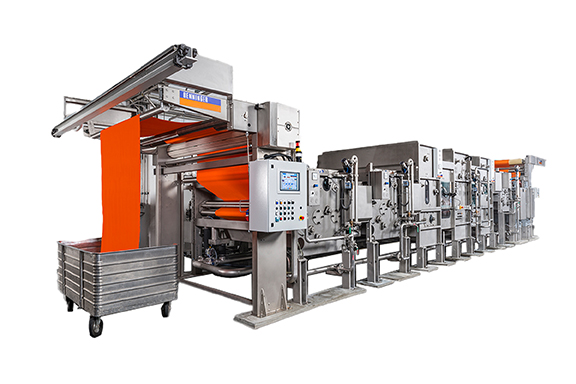
UZWIL, Switzerland — December 5, 2023 — Benninger is continuing to expand its offerings to the textile wet processing sector, with recent innovations in fabric dyeing and singeing technology.
Benninger specializes in machinery and solutions for both continuous and discontinuous wet finishing of woven, knitted and technical textiles. Its heritage of 160 years is the foundation for ongoing progress, with today’s systems embracing sustainable production towards zero environmental impact for its global customer base.
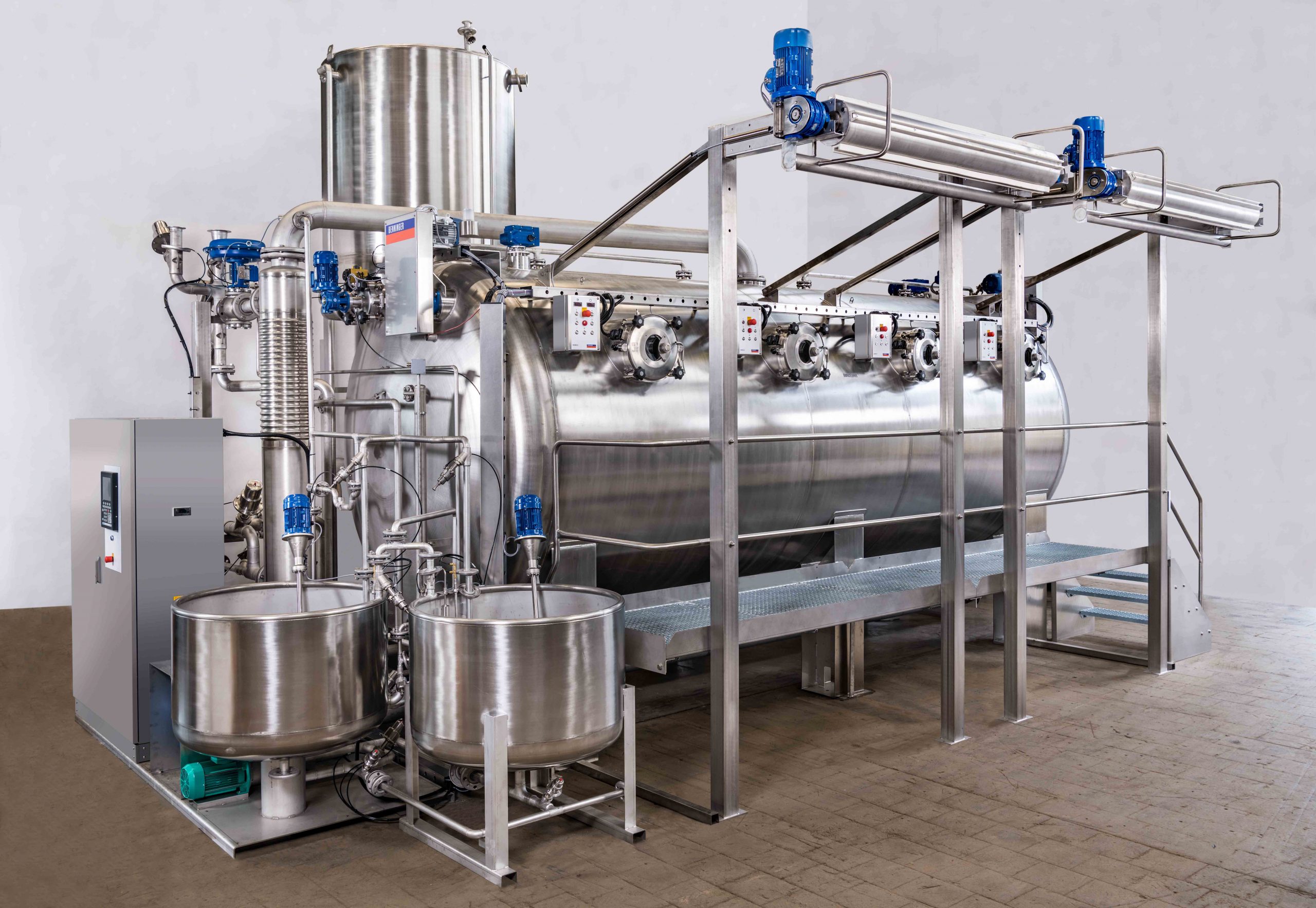
FabricMaster – fast, versatile, and economic jet dyeing machine
Pioneering FabricMaster
A game-changing solution in Benninger’s portfolio for discontinuous dyeing is the new FabricMaster, proven in practice to be the fastest, most versatile, and economic jet dyeing machine in the industry. It produces a wide range of fabrics with unmatched low water consumption levels. Furthermore, it ensures dramatically shorter process times and an excellent first-time-right rate. The robust and reliable system with its harmonic versatility ensures that customers can process today’s and tomorrow’s fabrics and blends.
Benninger’s experience means it fully understands the challenges of the wet finishing industry, as reflected in its development priorities for new machinery. Key factors are minimal consumption of water, steam, chemicals and dyestuff, to ensure right-first-time results with lowest waste.
Specifically, the company’s discontinuous dyeing technology has precise control of processes and chemical distribution (DDS, CDS, PDSD), setting new standards for shortened process times, and accuracy in maintaining the required batch sizes, weight and liquor ratio. The carbon footprint of the FabricMaster is designed to be the future industry benchmark for sustainability.
Foundation for uniform quality
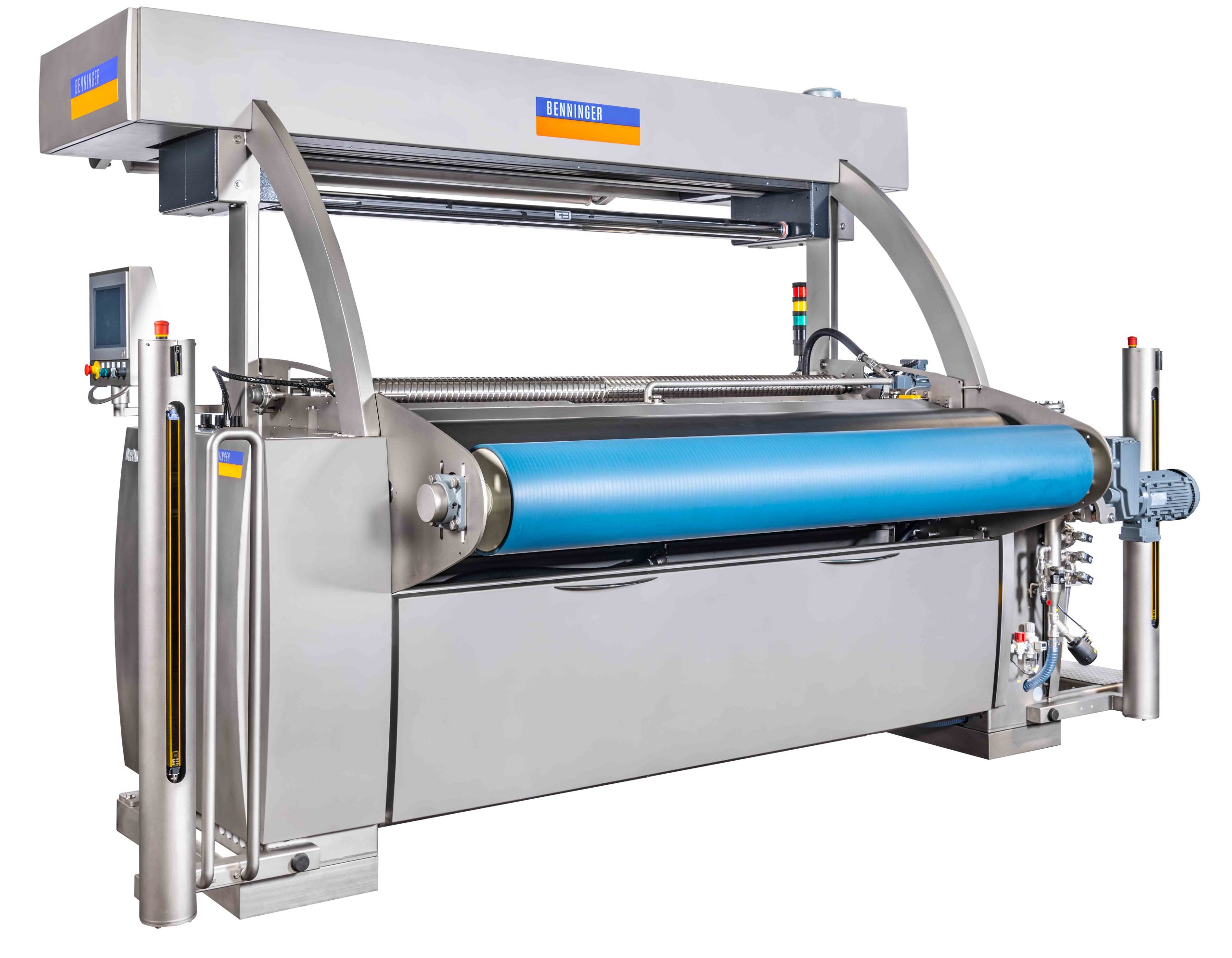
SingeRay – the first choice to upgrade fabrics
The latest Benninger fabric singeing machine, known as the SingeRay, lays the foundation for uniform quality to produce a perfectly dyed and finished fabric. The high-performance burner ensures a flame with high energy density over the complete width, for incomparable singeing effects. Its unique flame width setting allows finishers to work with even smaller fabric widths economically, saving energy. Thanks to the super-smart burner design, which also prevents deformation due to its 2×2 cooling system, it ensures longevity. The SingeRay is made in Germany and certified by the German Technical and Scientific Association for Gas and Water (DVGW) to the highest safety standards.
For knitted fabric processing, Benninger’s Knitline solutions are installed at more than 120 mills of major producers worldwide, demonstrating great standards of performance with highest quality results in demineralization and bleaching. Recent technical enhancements have made a significant contribution to reducing operating costs for users.
DyePad – CPB Knit
Road to zero
The full range of Benninger technology includes well-established solutions for all aspects of open-width wet processing, as well as discontinuous fabric dyeing, underlining its position as a systems supplier in the forefront of the industry.
Trikoflex washing compartment
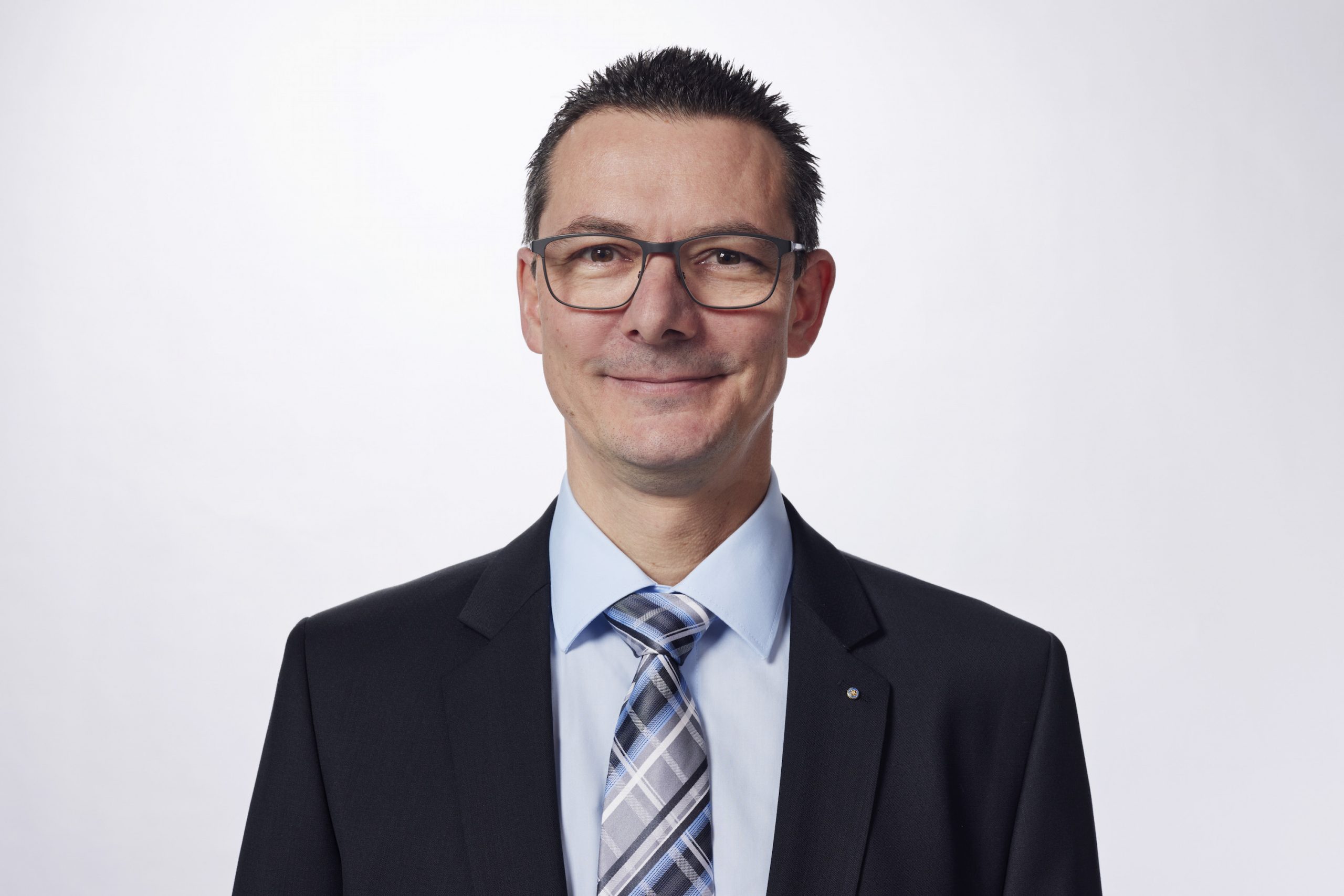
The duty of environmental responsibility in that role is one that the company fully acknowledges: “Benninger solutions always focus on resource efficiency, so textile finishing plants with Benninger machines installed can be assured of particularly low resource consumption and highest productivity,” says Schoeler.
SHANGHAI, China — December 5, 2023 — ITMA ASIA + CITME concluded successfully on 23 November 2023 at the National Exhibition and Convention Centre (NECC) in Shanghai. The five-day combined exhibition featured an exciting showcase of textile machinery from the entire manufacturing value chain. It attracted the strong participation of textile professionals eager to explore the latest automation and sustainable technologies.
The eighth combined exhibition welcomed visitorship of 100,000 from 105 countries and regions. Local Chinese visitors from 31 provinces and cities formed the largest group of visitors, followed by India, Taiwan, South Korea, Bangladesh and Iran.
Visitors from outside mainland China accounted for more than 13 per cent of the visitors. There was a significantly higher number of overseas delegations, including more than a dozen large buyer groups, compared with previous editions.
Exhibitors at ITMA ASIA + CITME 2022 were impressed by the turnout. Georg Stausberg, CEO of the Polymer Processing Solutions Division and chief sustainability officer of the Oerlikon Group, said: “We can look back on a successful show where we were able to meet many of our customers, not only from China, but also from Pakistan, India and Indonesia.”
More than 1,500 exhibitors from 23 countries and regions took part in the exhibition which grossed over 160,000 square meters. Many local and international brand names staged product launches which were well received by visitors.
Fritz Legler, Textile Marketing officer of Stäubli, commented: “We enjoyed a tremendous level of high-quality customer traffic at our booth. Our automation technology in warp preparation, the latest generation of shedding solutions for high-speed weaving machines, as well as carpet weaving systems have found the acclamation of our Chinese and international customers.”
Cédric Schlicher, director, Fil Control, also acknowledged: “What an exciting moment for us to be back in Shanghai for ITMA Asia! The show was beyond our expectations and it allowed us to meet our partners in China and to build relationships with new ones.”
Show owners, CEMATEX, together with its Chinese partners – the Sub-Council of Textile Industry, CCPIT (CCPIT-Tex), China Textile Machinery Association (CTMA) and China International Exhibition Centre Group Corporation (CIEC) were elated at the results of the combined exhibition.
According to the show owners, the high-quality showcase by two established ITMA and CITME textile machinery exhibition brands have contributed to the success. The extensive outreach programmes to more than 300 business associations and industrial clusters, media partnerships, roadshows and other promotional programmes have also yielded positive results.
The next ITMA ASIA + CITME exhibition will be held from 14 to 18 October 2024 at the NECC Shanghai. It is organised by Beijing Textile Machinery International Exhibition Co., Ltd. and co-organised by ITMA Services.
WINTERTHUR, Switzerland — December 4, 2023 — Rieter is announcing the opening of its first Repair Services station in Tashkent, Uzbekistan, on December 1, 2023. As the country’s most advanced service station, it will enable both faster repair turnaround and minimum production downtime. This will make local customers even more competitive and forms part of Rieter’s growth strategy in this highly attractive focus market.
The new Repair Services station in Tashkent complements Rieter’s strong presence in Uzbekistan, providing state-of-the-art repairs and sustainable solutions combined with dedicated support to local customers. The station’s capabilities cover both mechanical and electronic repairs for all types of Rieter machines, including spinning and winding. In addition, the repair station has a warehouse where critical parts, such as control units, sensors and drives are stocked to ensure quick turnaround times for repairs. The new service station will operate in collaboration with Textile Service Solutions.
Rico Randegger, Head of Business Group After Sales
Rieter’s global Repair Services network comprises 25 repair stations in 19 countries, strategically located at the doorstep of Rieter customers. Each repair station is fully equipped with the testing and calibration equipment required to provide the highest quality repairs. Certified Rieter repair services engineers perform both on-site and in- workshop repairs, using original Rieter repair components and spare parts.
“With the new repair station in Uzbekistan, we are creating sustainable and profitable value for our customers, providing highest quality repairs in the shortest turnaround time, for both spinning and winding machines,” says Rico Randegger, Head of Rieter’s Business Group After Sales.