AIKEN, S.C. — October 14, 2026 — AGY, a manufacturer of advanced specialty glass fibers, announced that its glass fiber yarn serves as the base reinforcement for the Serge Ferrari Group Tenseo Xtrem GF 7000 composite membrane used in the newly installed roof at Tropicana Field in St. Petersburg, Florida.
The new permanent roof replaces the stadium’s previous membrane, which was destroyed by Hurricane Milton in October 2024. The replacement allowed the Tampa Bay Rays to return to Tropicana Field for the opening of the 2026 Major League Baseball season.
The roof consists of 24 translucent composite membrane panels covering approximately 45,000 square meters, or nearly 485,000 square feet. Each panel is approximately 330 feet long and weighs roughly 5,000 pounds (2,268 kilograms).
Serge Ferrari Group’s Tenseo Xtrem GF 7000 is a high-performance architectural membrane constructed from woven glass fiber fabric coated with polytetrafluoroethylene, or PTFE. The membrane is then sealed with Serge Ferrari’s Pro Shield Max fluorinated ethylene propylene, or FEP, surface treatment.
AGY’s specialty glass fiber yarn forms the structural foundation of the woven fabric, providing the strength, dimensional stability and durability required for large-scale permanent tensile structures.
“We are proud that AGY glass fiber yarn was selected as the base reinforcement for the Tenseo Xtrem GF 7000 membrane used in this landmark project,” said Patrick Hunter, Chief Commercial Officer and President of AGY. “The Tropicana Field roof demonstrates how advanced glass fiber yarns enable composite systems that must perform reliably under demanding structural, environmental and weather conditions.”
The project required an unusually compressed engineering, manufacturing and installation schedule. A permanent roof of this size could normally take several years to complete, but the final membrane panel was secured in November 2025, ahead of schedule. Final stretching and sealing work continued into early December, allowing interior stadium renovations to advance in preparation for the Rays’ return.
The membrane material was manufactured at Serge Ferrari Group’s facility in Germany and shipped to Enclos Tensile Structures for fabrication and assembly.
During production, Serge Ferrari wove the glass fiber yarn into fabric, applied the PTFE coating and sealed the material with its specialized FEP surface treatment. The finished surface provides waterproofing, durability and long-term aesthetic performance, while allowing rainwater to naturally remove dirt from the roof over time.
Although the new roof appears visually similar to the original, its engineering has been modernized to address stronger winds, severe storms and updated safety requirements. The completed membrane roof has an expected service life exceeding 20 years and is designed to improve the stadium’s resilience while reducing long-term maintenance requirements.
“This project highlights the essential role specialty glass fiber yarn plays in the performance of advanced architectural composites,” Hunter added. “We are pleased that glass fiber yarn manufactured by AGY in Aiken, South Carolina, is part of a structure that will protect the stadium, its players and its fans for years to come.”
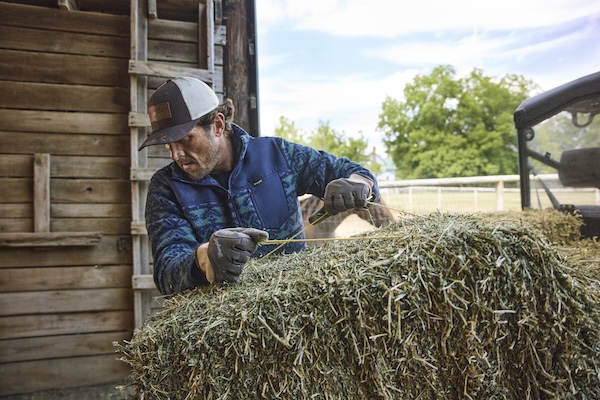
GREENSBORO, N.C. — October 19, 2026 — Global apparel icon Wrangler® introduces Hay Away™, a groundbreaking bonded sherpa technology engineered to bring practical purpose to a fall favorite. Built to prove that warm, high-pile fleece does not have to carry the outdoor mess home, Hay Away™ delivers the plush comfort and insulation of traditional sherpa while actively repelling hay, straw, mulch, and grass.
In time for its release this Fall, the patent-pending Hay Away™ was named the Category Winner in Fast Company’s 2026 Innovation by Design Awards in the Fashion and Beauty category. Fast Company’s Innovation by Design Awards honor the products, environments, and services that represent the intersection of functional design and real-world problem solving.
Innovation has always been at the heart of the Wrangler brand—from pioneering purpose-built Western wear to advancing sustainable textile development. With the introduction of Hay Away™, Wrangler is directly addressing a long-standing frustration for rural workers, ranchers, and outdoor enthusiasts: traditional sherpa fleece acts like a magnet for natural debris, leaving garments looking permanently unkempt and leading to premature wear.
Engineered specifically around the real-world experiences of people who spend their days outdoors, this technology is built directly into the fabric construction rather than relying on a surface coating, wash, or seasonal finish. By pairing bonded sherpa warmth with proactive debris-repellent functionality, Wrangler transforms a daily frustration into performance innovation, ensuring outdoor layers can transition seamlessly from early-morning chores around the property to everyday wear. The technology also provides a practical solution for families, enabling children to play freely outdoors while shielding garments from stubborn, clinging debris. Beyond the farm and ranch, Hay Away™ equally serves outdoor enthusiasts—shielding hikers, campers, and adventurers from stubborn, clinging trail debris, bridging both Workwear and Outdoor categories in alignment with Wrangler’s strategy to expand beyond traditional denim.
“Historically, wearing plush fleece around livestock or outdoors meant dealing with constant debris,” said Dhruv Agarwal, Vice President, Sustainability, Innovation & Development at Kontoor Brands. “We developed Hay Away™ specifically to eliminate that friction. By preventing debris from clinging to synthetic fibers, we have delivered high-performance warmth without the cleanup. This recognition from Fast Company underscores our commitment to practical, real-world material innovation.”
The Hay Away™ collection debuts across a wide range of work-ready silhouettes and authentic styles for the entire family:
Men’s Collection: Features the Hay Away™ Sherpa Zip Front Ripstop Yoke Jacket ($99.99) with reinforced ripstop yokes, full-zip closure, zippered chest pocket, and hand pockets. Additional styles include the Hay Away™ Sherpa Quarter-Zip Pullover ($79.99), available in Aztec Port and Black Olive Southwestern prints, and the Hay Away™ Sherpa Quarter Snap Pullover ($79.99) in Darkest Spruce.
Women’s Collection: Highlights the Hay Away™ Sherpa Full Snap Jacket ($89.99), offered in striking patterns and colorways including Blue, Black, and White cow-print.
Kids & Youth Collections: Extends debris-repellent protection to the whole family with Boys’ and Girls’ Sherpa Full-Zip Jackets (Girls, $59.99; Boys, $64.99), Boys’ 1/4-Zip Pullovers ($54.99), and Little Boys’ Mixed Sherpa Full-Zip Jackets ($39.99).
Wrangler Hay Away™ is available on Wrangler.com and at select retailers nationwide. To learn more about the collection, visit Wrangler.com
ATLANTA — October 8, 2026 — Governor Brian P. Kemp today announced that Hyundai Transys will invest nearly $560 million to expand its manufacturing capabilities in West Point, Georgia. The company plans to create 320 new jobs as part of its ongoing efforts to support global automotive customers with operations in North America.
“The Hyundai family of brands has been an incredible partner to Georgia, and this decision by Hyundai Transys only reinforces that valued friendship,” said Governor Brian P. Kemp. “As the automotive manufacturing industry continues to make historic investments in our state, this facility will further enhance the strength of that ecosystem and allow Hyundai and Kia to grow their already impressive capacity here in Georgia.”
Since its founding in 1994, Hyundai Transys has grown into a global automotive parts specialist, focused on advanced technology and quality powertrains and seats. The company currently supports roughly 1,250 jobs at its West Point facility.
“Over the past two decades, Hyundai Transys Georgia Powertrain (HTGP) and the State of Georgia have grown together, building a strong relationship of trust through continued capital investment, job creation, and talent development. Georgia’s exceptional workforce development infrastructure, business-friendly environment, and unique opportunities for growth have provided an ideal foundation for Hyundai Transys to strengthen its future mobility competitiveness and pursue sustainable growth,” said Jaekyun Choi, President of Hyundai Transys Georgia Powertrain. “This additional investment marks an important milestone that demonstrates Hyundai Transys’ firm commitment to our long-term partnership with the State of Georgia. Moving forward, we will continue to grow alongside the local community and build world-class manufacturing capabilities that place safety and quality at the forefront, delivering greater value to our customers and the communities we serve.”
Located at 6801 Kia Parkway in West Point, the expansion will include facility upgrades to plants one and two, as well as the construction of a third plant. The expansion will support added production capacity for electrified powertrains for hybrid vehicles. Hyundai Transys will be hiring for administrative, supervisory, and production positions, and interested individuals can learn more at www.hyundai-transys.com/en.
“We’re honored Hyundai Transys Georgia Powertrain chose West Point for this expansion and state-of-the-art hybrid transmission manufacturing facility – an investment that will strengthen our local economy,” said West Point Mayor Steve Tramell. “The retention of more than 1,200 jobs and creation of over 300 new positions reflects the strength of West Point’s automotive industry and creates meaningful opportunity for our residents.”
“We want to thank Hyundai Transys Georgia Powertrain for their continued investment, partnership, and commitment to expanding their presence in Troup County,” said Chairman Patrick Crews, Troup County Commission. “Hyundai Transys has been an outstanding community partner, and we are grateful for their growth and look forward to their ongoing success.”
Director of Project Implementation and Supplier Strategy Alyce Thornhill represented the Georgia Department of Economic Development’s (GDEcD) Global Commerce team on this competitive project in partnership with the City of West Point, Georgia Quick Start, and Georgia Power.
“Thanks to over 40 years of consistent representation in Korea, numerous Korean companies have found a home in Georgia. The Hyundai Transys story is a great example of long-term relationships, pro-business policies, and workforce training leading to long-term success,” said GDEcD Commissioner Pat Wilson. “We are grateful for the trust they have placed in Georgia and the many partners who make their growth here possible.”
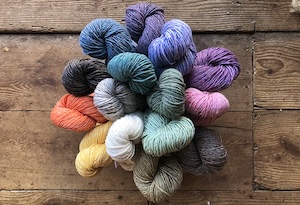
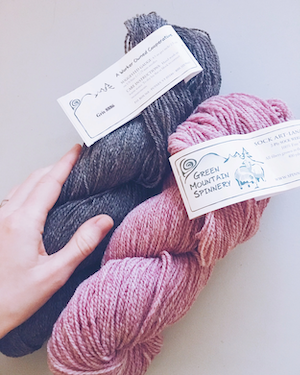
PUTNEY, VT — September 30, 2026 — Nestled near the banks of the Connecticut River, Green Mountain Spinnery’s colorful yarn covers the entrance to its historic woolen mill headquarters in Putney, Vermont, a cheerful welcome to fiber artists and crafters alike. Green Mountain meticulously transforms raw wool into exquisite, finished skeins through a time-honored process.
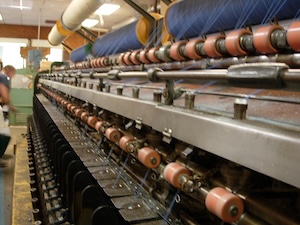
But that process is dependent on something else time-honored: A five-foot Davis & Furber-Whitin carding machine that is over a century old. Built right here in New England between 1908 and 1918, the carding machine sits alongside other machines dating back to the mid-1940s and early-1950s.
About 10,000 pounds of wool goes through the mill a year. Imagine this machine made by two iconic Massachusetts companies has seen almost 1.1 million pounds of wool in its lifetime, and you can guess what kind of work it takes to maintain.
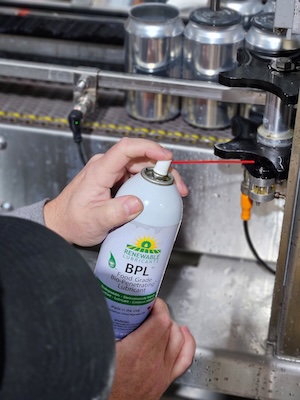
Keeping that antique machinery running smoothly is the job of Scott Matthews, carding operator and a nine-year veteran. For Matthews, machine maintenance and fine tuning is almost a daily devotional. And perhaps the most important part of that routine is lubrication.
Going Green in the Green Mountains
About a decade ago the spinnery transitioned away from traditional petroleum-based products seeking a cleaner footprint. They tried various eco-friendly solutions before finally settling on Renewable Lubricants, which exceeds performance standards. Today, the shop utilizes 1-gallon containers of Bio-Slide Way™ Lubricant—an ISO 68 lubricant—for transfer cases, sliding parts, and other moving surfaces. They also purchase 11-ounce aerosol cans of Bio-Penetrating Lubricant™—an NSF H1 food grade penetrant and light lubricant—for bearing shafts, and hard to reach spots. Bio-High Temp™ 180 E.P. Grease—a biodegradable lithium complex grease designed for high-temperatures, extreme pressures, and heavy duty applications—rounds out the products that the Spinnery purchases directly from the Renewable Lubricants website. This is used for bearings and wherever there are Zerk fittings.
“We use the lubricating oils on almost everything in our shop. We’re an old mill,” Matthews says. “We only have to oil the card every couple of days, and it lasts long enough. So, we’re not using this any more than we did with the petroleum-based oil, which is good.”
That can be a departure from the daily reapplication required of other green solutions. Throughout his intricate, single-shift 8-hour workflow, reliability is Matthews’ focus.
Efficient and Effective
Another place that applies is in replacement components. Original manufacturer parts are hard to come by after 100 years. With a combination mill drill press and lathe, the team handles its own custom fabrication to keep the vintage shop operational. They machine spares ahead of time to have on hand and rarely need to outsource solutions, Matthews says. That saves on shipping emissions and reduces their environmental impact for parts that can be heavy and unwieldy.
Yarn-making is, in many ways, a green industry. It’s entirely mechanical, relying on zero computer chips, and revolves around natural and organic materials. Customers ship or drop off raw wool, which is carefully sorted and scoured in a custom-built 180-degree water bath with organic soap to break down the natural lanolin. After passing through a four-stage steel roller squeezing system, a cast-iron washing machine that dates back to 1896, the wool is dried in a commercial dryer for 10 minutes to prevent mildew.
Once dry, the wool is funneled to the floor where it runs through a picker equipped with large bear claws on a hollow drum. On the final pass, a precise mixture of water, oil, and soap is added to control static and flyaway fibers. The wool then feeds into the historic carding machine, passes through a burr-crushing Peralta system, splits into 96 strands of roving, and moves to the spinning frame. Finally, the yarn is steam-set for memory, plied if necessary, and wound into custom-sized skeins.
It can be a noisy process, but one thing’s for sure, Matthews jokes: “If you keep them lubricated, the machines don’t squeak!”
From custom scouring to final packaging, Green Mountain Spinnery proves that vintage craftsmanship and sustainable modern maintenance can weave a remarkably successful future.
Posted: October 18, 2026
Source: Tne Green Mountain Spinnery / Renewable Lubricants, Inc.
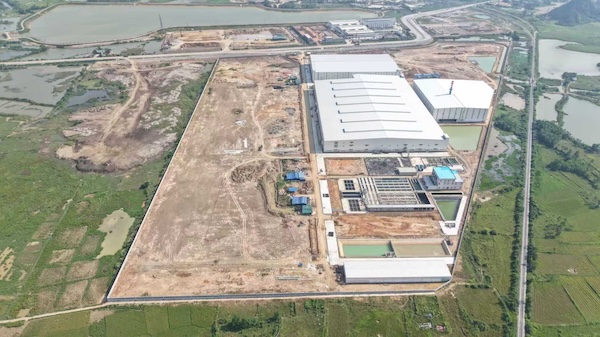
HONG KONG — October 8, 2026 — To better serve and support increasing interest among apparel brands seeking greater geographic diversification with their sourcing needs, Billion Rise, a vertically integrated company focused on the manufacturing of textile-based materials for sportswear, swimwear, underwear, and lingerie products, has opened its doors to a high-tech, new factory in Thanh Hoa, Vietnam.
Backed by $100 million investment, the new Vietnam facility that is being developed in three phases, is an estimated 320,000 square meters in total size and is expected to have an annual production capacity of up to 100 million meters. Phase one of the facility is complete representing approximately 110,00 square meters. Additional knitting, dyeing and printing capacity will be added in phase two, to be completed in Q3 2027 and phase three to be completed in Q3 2029.
“We’re pleased to give our customers greater sourcing flexibility with the addition of our Vietnam operation to our established manufacturing base in Qing Yuan China,” said Charles Chen, Billion Rise CEO and Owner. “After a decade of investment in developing the facility and building it to the same high standards our customers expect from us, we’re confident Vietnam will deliver the quality, technical expertise and consistency our brand partners require.”
The Billion Rise Vietnam facility is being developed with sophisticated capabilities comparable to our China operation to include warp and weft knitting, dyeing, digital, flat-bed and heat-transfer printing, stentering, and finishing proficiencies. It also includes a cutting-edge wastewater treatment system and solar rooftop to help minimize our environmental footprint.
According to JP Brogan, US managing director of sales and marketing for Billion Rise, major US activewear and intimate brands are looking to diversify their sourcing to Vietnam. It has built a strong reputation for producing high-volume, technically complex performance fabrics, making it an increasingly attractive sourcing destination for U.S. activewear, swimwear, and intimate apparel brands. With a well-established garment manufacturing base, Vietnam also offers brands the opportunity to localize more of their value chain, from fabric production through finished garments.
“Our investment in Vietnam goes beyond the physical facility,” said Brogan. “We’ve also dedicated resources in materials strategy expertise across our global team along with AI and 3D visualization tools that help brands identify white space, build key material franchises, and quickly visualize new opportunities.”
For brands and retailers based in Europe and the UK, the Vietnam-EU Free Trade Agreement provides opportunities to increase trade by eliminating 99 percent of tariffs, reducing regulatory barriers and opening services and public procurement markets, while supporting jobs and economic growth on both sides.
“The agreement creates new opportunities for brands in the EU and UK to source garments from Vietnam using fabrics and other materials produced locally,” said Steven Moore, Global Sales Director, Billion Rise. “With our new factory, we can now better support brands looking to build more integrated value chains in Vietnam while expanding our business across these important markets.”
Billion Rise looks forward to sharing its new Vietnam factory updates and capabilities, along with presenting its latest fabric innovations at international trade shows this fall. The company will be exhibiting at Performance Days Munich this October 13-15, Interfilière Shanghai, October 13-14, Texfuture Tokyo/ Performance Days, Tokyo October 21-22, Vietnam Hanoi Textile & Garment Industry Expo, October 21-22, and Functional Fabric Fair Portland, OR September 27-28, 2026.
Billion Rise Knitting Established in 1999, Billion Rise Knitting is one of the world’s leading vertically integrated companies focused on the manufacturing of textile-based materials for sportswear, swimwear, underwear, and lingerie products. For almost two decades, Billion Rise continually expands its business to meet industry standards and increasing demand for new textile products. Its newest addition is a second mill in Vietnam.
JERRABOMBERRA, Australia — October 8, 2026 — Samsara Eco, a circular materials company, today launched its new Circular-Conscious Consumer Report, revealing a critical blind spot costing the fashion industry. When a garment fails, consumers are 12 times more likely to walk away from a brand than to replace the item with the same brand. Only 5.9 per cent return the item, so the brand rarely hears about it.
The report draws on insights from over 5,000 global circular-conscious, predominantly Gen Z consumers on their expectations for material quality, transparency and circularity.
The survey found:
Invisible churn is the real cost of garment failure. When a garment lets consumers down, more than 1 in 4 (27.7 per cent) leave the brand, with 15.8 per cent never buying from the brand again and 11.9 per cent switching to a competitor. 5.9 per cent of customers return the item to the brand. The rest absorb it, with over 64 per cent either repairing the item or continuing to wear it. Only 2.3 per cent replace it with the same brand.
The quality failures that frustrate respondents the most are material. When garments fall short, consumers are clear on what frustrates them most: fabric thinning or developing holes tops the list (62 per cent), followed by seams splitting or unravelling (55 per cent) and fabric pilling (50 per cent).
Material transparency is fashion’s highest trust signal. Over 80 per cent of respondents say knowing what their clothing is made from is important. But when asked what would most increase their confidence that a garment is genuinely better made, independent certification ranked last of five options at 6.6 per cent. Material information and evidence of how something holds up over time took 63 per cent of first-place votes between them. Certification alone doesn’t build trust
Cost of living is changing where people shop, not what they settle for. Over 88 per cent of respondents say the cost of living has influenced how they buy clothes, with 1 in 3 saying cost-of-living pressure has led them to buy less and expect more from each item, while 43 per cent are buying second-hand. 13.9 per cent are choosing cheaper options.
Consumers hold brands responsible for quality. Over half of respondents (54 per cent) say quality is the brand’s responsibility, nearly double those who point to government regulation (27 per cent). Just under 9 per cent of respondents put the responsibility on consumers to buy less and better.
Consumers expect clothes to last. 89 per cent expect at least 30 wears before an item is done.
“Circularity means keeping materials in circulation at their highest possible value – not their lowest available use. That’s why durability matters so much. A garment has to last to be worn again, resold, handed on. And when it genuinely can’t be worn any longer, it should become clothing again, not something lesser. Downcycling only slows the linear model. It doesn’t stop it,” said Dr Lars Kissau, General Manager at Samsara Eco.
“Durability has always been a question of quality. It’s now a retention question, and in Europe it’s becoming a compliance one – both showing up on the bottom line.”
“Durable products can be made from recycled materials – there’s no trade-off in quality or performance. That’s what unlocks a truly circular textiles industry.”
“Understanding what consumers expect from their clothing, and how they respond when it fails, is essential to helping the industry make better products. These findings bring a valuable consumer perspective to the work of quantifying durability, helping us identify which failures matter most and how testing can better reflect real-world use. Translating that insight into better design and measurable performance is fundamental to a circular future,” explained Dr. Katy Stevens, Head of ESG, European Outdoor Group.
For more on the findings, visit samsaraeco.com/the-pulse.
The findings will feature in The Pulse, Samsara Eco’s new magazine, which provides a collection of perspectives from the people shaping a circular fashion future, including Deakin University, Debrand, the European Outdoor Group, LSKD, Seamless and The LYCRA Company. The Pulse launches on the 13th of October at the Textile Exchange Conference in Vancouver, in print and online.
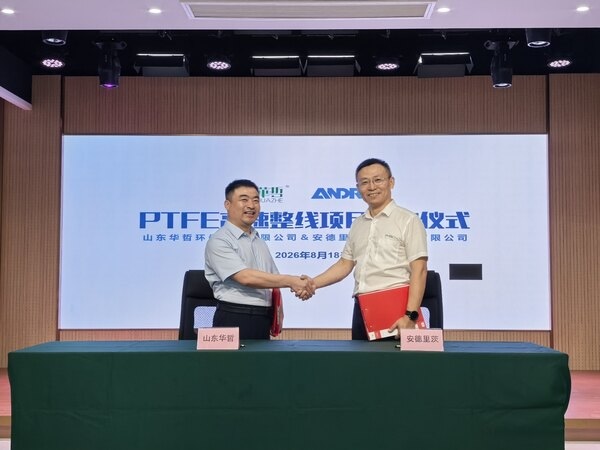
GRAZ, Austria— October 14, 2026 — Shandong Huazhe Environmental Protection Technology Co., Ltd. has placed an order with international technology group ANDRITZ for a high-speed needlepunch line to produce advanced filtration materials. The line will be installed at the company’s headquarters in Jinan, Shandong Province, China.
From left to right: Han Fuhe (Shandong Huazhe) and Teng Guangxing (ANDRITZ) Photo: ANDRITZ
This order builds on the cooperation between the two companies that began in 2023 with the contract for an ANDRITZ batt forming line, which was successfully delivered in 2024.
The value of the order will not be disclosed. It is included in ANDRITZ’s order intake for the third quarter of 2026. Delivery is scheduled for the first quarter of 2027.
The line will expand Shandong Huazhe’s production capacity for high-performance filtration materials made from polytetrafluoroethylene (PTFE) fiber, addressing growing demand in this market segment. It is designed for high-speed, stable operation and gentle handling of fibers, ensuring consistently high product quality.
This project represents an important milestone for ANDRITZ in advanced filtration applications. It will feature the first commercial application of the A-Type needleloom, a new addition to ANDRITZ’s global needleloom portfolio, combining cost-efficient operation, production flexibility, and high product quality. Its random needle pattern capability helps improve material uniformity and performance, which are key requirements in advanced filtration applications. The line will be the first PTFE filtration material production line supplied by ANDRITZ.
Mr. Han Fuhe, Chief Executive Officer of Shandong Huazhe, states: “The production of advanced filtration materials requires reliable equipment and gentle fiber processing. Based on our positive experience with ANDRITZ, we are confident that the new needlepunch line will provide the quality, efficiency, and process stability we need for our future growth.”
Founded in 2015, Shandong Huazhe Environmental Protection Technology Co., Ltd. is a leading provider of filtration solutions, specializing in materials and equipment for solid-liquid separation and industrial dust collection. Its product portfolio includes filtration nonwovens, filter bags, filter cages, and dust collection accessories.
PRATTELN, Switzerland, — October 12, 2026 — Archroma and Nicca Chemical are collaborating to support the continued growth of ZELAN™ non-fluorinated durable water repellents (DWRs) across the global textile industry. The announcement follows Nicca’s acquisition of the ZELAN™ business from The Chemours Company in March 2026 and extends Archroma’s decade-long legacy with the ZELAN™ brand.
Archroma’s role as ZELAN™’s global distribution, marketing and technical support partner dates to the 2015 launch of Teflon EcoElite™ with ZELAN™ R3 by Chemours and Huntsman Textile Effects, which Archroma acquired in 2023.
Under the new agreement with Nicca, Archroma will continue as the exclusive textile industry distributor of ZELAN™ DWR products and the related Teflon EcoElite™ technology worldwide. Archroma will spearhead marketing initiatives for the solutions and provide technical support to mills and brands worldwide, as before. ZELAN™-finished textiles will also qualify for Archroma’s upcoming HIGH IQ® lastingrepelᴾᴿᴼ assurance program, giving brands a well-recognized consumer-facing mark of DWR performance, durability and sustainability.
The industry’s first renewably sourced DWR, ZELAN™ R3 remains one of the most significant perfluorochemical (PFAS)-free[1] DWRs available today. It contains 63% plant-based materials[2] – sourced from non-GMO and non-food-source feedstock – and offers excellent water repellency and outstanding durability while preserving breathability across all fiber types.
“When we acquired the ZELAN™ business, we inherited more than top-tier technology — we inherited the trust that mills and brands have placed in this platform for over a decade. Keeping Archroma as our exclusive distribution partner for the textile industry means that trust doesn’t have to be rebuilt. Customers get the same product, the same Teflon EcoElite™ support and the same partner they already know,” said a spokesperson from Nicca.
“PFAS-free durable water repellents have moved from a niche alternative to a baseline expectation for major outdoor and outerwear brands, and ZELAN™ has been central to that shift. As Nicca’s exclusive distribution partner for the textile industry, we’re supporting customers through this transition with uninterrupted supply and technical support everywhere they do business,” said Roland Borufka, Product Manager, Finishing and Technical Textiles, Archroma.
The ZELAN™ technology helps brands deliver excellent rain and stain protection, with good runnability for uninterrupted processing and compliance with industry standards. ZELAN™ R3 is bluepass certified and published on the ZDHC Gateway with Conformance Level 3.1.
SINGAPORE/ MUNICH — October 12, 2026 — Niber Technologies unveils NUSPUN®, its next-generation ingredient brand of laminates purpose-built for the functional apparel industry. Rooted in the company’s electrospun nanofiber technology, NUSPUN laminates enable a new category of Active Comfort to give performance apparel both ultra-breathability and tunable weather protection.
Weather shouldn’t dictate comfort
For the performance textiles industry, weather protection has long come at the cost of comfort. PFAS (Per- and polyfluoroalkyl substances) has traditionally given garments an extra layer of waterproof protection, but as regulations against PFAS tighten, brands are under pressure to find alternatives.
However, most PFAS-free options force a compromise between water protection and breathability. While some waterproof garments succeed at repelling water, comfort suffers during intense activity as trapped heat, built-up sweat, and humidity, leaving an uncomfortable feeling despite protection from the elements. That trade-off is exactly what NUSPUN® laminates are built to solve through ultra-breathable materials that protect from the elements, without sacrificing comfort.
Electrospinning is the innovation behind NUSPUN® materials
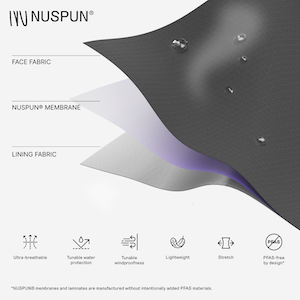
NUSPUN® laminates start with an electrospun 3D nanofiber web — built fiber by fiber, not cast or stretched like conventional membranes. That’s what lets moisture escape while keeping water out, delivering ultra-breathable performance with tunable weather protection. PFAS-free by design, NUSPUN membranes and laminates are manufactured without intentionally added PFAS materials. While PFAS-free membranes used to rely on a stretched film or a dense, non-porous coating, electrospinning builds the material fiber by fiber, giving direct control over exactly how a NUSPUN laminate performs, rather than being limited by one fixed set of properties. Nanofiber membrane technology isn’t new, but translating it from the lab into a continuous, high-volume industrial process has remained a challenge the wider industry has struggled with.
Owning the spin for tunable performance, at commercial scale
Niber Cofounders Jaemin and Jaehyung Park
NUSPUN® laminates are built on a proprietary electrospinning platform, developed to take nanofiber membrane technology beyond laboratory-scale production and into industrial applications. Niber controls all critical stages of the process – from material formulation and electrospinning through membrane production and finished laminates. This end-to-end control enables NUSPUN® laminates to be developed around different combinations of breathability, water protection and windproofness, giving apparel brands the flexibility to choose the performance profile that best matches how their products will be used.
“When we say we own the spin, we mean that we control every stage of the process, from formulation through electrospinning to the finished laminate, working closely with our partners along the way. That control is what gives us the precision to tune performance around how a brand wants its apparel to perform – and ultimately how it wants its apparel to feel”, says Jaehyung Park, Co-Founder, Niber Technologies.
From behind-the-scenes technology to ingredient brand
Niber electrospinning
The launch of the NUSPUN® ingredient brand marks a new chapter for Niber Technologies. The company was founded on the belief that electrospinning could unlock new possibilities for performance materials. At a time when electrospinning remained a niche technology within textiles, Niber focused on overcoming the challenges of industrial-scale production and is now bringing this technology into the spotlight.
“We started Niber with the belief that electrospinning could do more for performance materials than anyone had proven yet. When we began, the technology was still niche in textiles, and scaling it was almost an uncharted territory for the whole industry. For years, we proved it quietly as an OEM manufacturer, supplying membranes without brands or consumers ever knowing our name was behind them. NUSPUN® is us stepping out of that role, so brands and consumers can finally see and trust exactly what’s inside their apparel”, explains Jaemin Park, Co-Founder, Niber Technologies.
Three performance platforms – one philosophy.
Different activities require different combinations of protection and breathability. NUSPUN® launches with three performance platforms: Arcus, Ventus, and Stratos. Each tunable for different balances of breathability and weather protection.
NUSPUN® Arcus – Protection for the Extremes. Arcus products combine ultra-breathability with waterproof performance, exceeding 10,000 mmH₂O, built for demanding conditions when protection from heavy rain and severe weather is essential.
NUSPUN® Ventus – Protection in Motion. Ventus products combine ultra-breathable, windproof performance with water resistance, designed for active outdoor activities, ranging from skiing to trail running in wet conditions.
NUSPUN® Stratos – Airflow for High Output. Stratos products deliver air-permeable performance above 1 CFM, together with water resistance, for high-intensity sports like cycling and running when airflow becomes a critical part of comfort.
Together, the three platforms give brands different ways to build Active Comfort into their products—from extreme-weather protection to high-output activity: A trail-running garment can be engineered to release heat and moisture during a humid climb, while a cycling jacket can block wind during a fast descent without unnecessarily trapping the heat generated on the way up, while a skier can have protection against snow and weather while demanding breathability during sustained movement.
Active Comfort is the next dimension in performance apparel
Future development will focus on expanding those capabilities—creating materials that are lighter, stretch further and support increasingly demanding forms of movement while maintaining the protection performance brands require. The platform will evolve toward new material systems, including opportunities for bio-based and lower-carbon polymers. “What excites us most is how far our materials can still be pushed. We see opportunities to make laminates lighter, stretch further and become even more comfortable while maintaining the performance brands need. That opens the door to applications built specifically for sustained, high-output activity”, says Richard Beck, President & Chief Strategy Officer at Niber Technologies.
For brands integrating NUSPUN laminates into their collections, our first Arcus, Ventus, and Stratos product portfolio is just the beginning. As Niber continues to develop its electrospinning platform, and explore new formulations, brand partners will have access to new capability tiers and performance categories. The NUSPUN collection can expand into broader material options, including bio-based polymers and low-carbon materials to have even more options for meeting PFAS-free performance requirements without compromising fit, feel, or function.
NUSPUN® materials arrive to brand partners in Q4 2026
The NUSPUN® laminate collection will be made available to selected brand partners beginning Q4 2026 onwards. The first products incorporating this technology are expected in the Fall/Winter 2027 outerwear collections.
SHANGHAI — October 13, 2026 — Starting from the upcoming Spring Edition of Intertextile Shanghai Apparel Fabrics – set to take place from 10 to 12 March 2027 – the organisers have signalled their intention to anchor the show’s evolving positioning with a new slogan: Shape the Movement.
Equipped with its refined focus, Intertextile Apparel is set to showcase its continued importance for defining the industry’s future – from creating and implementing new trends, to exchanging cultural ideas, functional utility and eco-innovation, to enabling business deals with far-reaching economic benefits. Several high-potential areas have been earmarked for further development next spring.
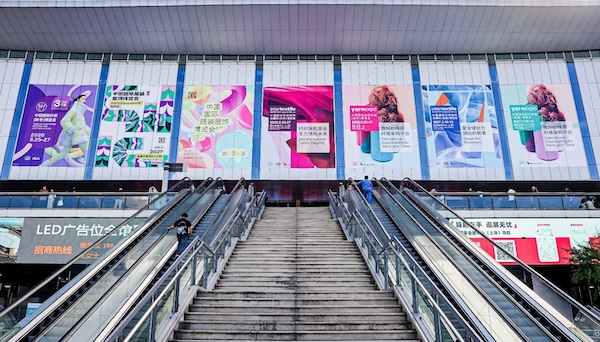
New slogan ‘Shape the Movement’ and key visual for Intertextile Shanghai Apparel Fabrics – Spring Edition 2027 (second from right) alongside other textile fairs’ wallscapes at NECC this autumn (Source: Messe Frankfurt)
The fair’s key themes Fashion Forward, Textile Future, Performance Textiles, and Sustainability will again reflect the demands of the global textile market, with the latter two showing especially strong potential in the current landscape. Ms Wilmet Shea, General Manager of Messe Frankfurt (HK) Ltd, commented: “Shaping the industry’s movement is exactly what this fair does, at every edition. The new slogan is a nod to Intertextile Apparel’s unmatched influence in determining what vast numbers of global consumers want to wear, how they want to wear it, and how industry players can make that happen. This is the latest in our efforts to update the fair’s branding, to reflect its evolution as a platform that facilitates the development of not only trade, but also high-growth trends and movements like performance-based, sustainable innovation.”
Circularity requirements from key markets prompt exhibitors’ certified innovation
The apparel textile flagship will take place alongside four concurrent fairs at the National Exhibition and Convention Center (NECC) in Shanghai, uniting thousands of exhibitors across yarns and fibres, apparel fabrics, fashion, knitwear, and home textiles. Two in-demand elements linking each sub-sector are functionality and sustainability. Beyond a nice-to-have, this is fast becoming a legal obligation for certain markets.
In Europe, the Ecodesign for Sustainable Products Regulation (ESPR) is establishing mandatory performance requirements across sectors, which safeguards significant circular textile economy investments from clothing brands, materials science companies and the EU itself, paving the way for further sustainable growth[1]. Europe remains a leading market for many suppliers and buyers at Intertextile Apparel, who have had to adapt and innovate to keep pace with stringent certification and traceability requirements.
Exhibiting at the previous Spring Edition, Mr Rainer Roten, CEO of TESTEX AG, said: “The industry is accelerating its evolution towards digitilisation, traceability, and the circular economy, and our core value lies in providing in-depth support that aligns perfectly – from testing services to ensure export compliance, to dissemination of trend information – empowering our clients to stay ahead. This fair brings together buyers from around the world, particularly from our core Asian market, enabling us to connect with many potential and existing partners in one location. Despite our global recognition, we still regard this as a vital platform for client engagement.”
Performance Textiles and Sustainability: the fair’s growing, integrating categories
The 2026 Spring Edition drew over 3,000 exhibitors from 25 countries and regions and more than 96,000 visitors from 119 represented markets. There was an emphasis on performance- and eco-focused solutions, with notable sqm expansion recorded by Functional Lab and Econogy Hub. Fast growth has been forecast for consumer segments prioritising sustainable, unrestrictive movement from sports and outdoor apparel brands[2], and these two zones are being positioned for exhibitors to leverage exactly that in 2027.
Both zones will again include integrated presentation and display areas, while the same hall (5.1) will also see the return of the Pet Boutique, featuring functional-sustainable garments, fabrics and accessories for China’s fast-growing pet apparel market[3]. The CUBE, Functional Lab’s expansive display area, will be a key showcase for performance textiles, and is set to unveil unique categories Thermal Regulation, Moisture Management, Comfort + Sustainability, and Protection for the first time at the show’s Spring Edition.
“We are actively strategising to combine sustainability with functional fabrics – investing in an integrated factory in Vietnam to develop bio-based spandex, and creating various recycled materials in China,” said Ms Eva Zhu, Fabric Business Unit/Vice Director from Hyosung International Trade (Jiaxing) last March. “Intertextile Apparel is an excellent platform to acquire customers, promote our products and brand, and hold in-depth discussions. This Spring Edition has truly exceeded our expectations so far. As well as meeting existing European and American clients, numerous new buyers showed strong interest. Global demand for functional fabrics is rising, especially in China, driven by consumer desire for healthy lifestyles and sports.”
Alongside the booths, Intertextile Shanghai Apparel Fabrics – Spring Edition 2027 will feature a robust fringe programme, including the Intertextile Directions Trend Forum for Spring / Summer 2028, several market-focused display areas, and a range of seminars, panel discussions and product presentations which cover topics on Design & Trends, Market Information & Business Strategies, Sustainability Issues, and Technology & Solutions. Sustainability and functionality – two key movements shaping the textile sector – will feature strongly throughout, set to be explored from various industry perspectives.
The fair is co-organised by Messe Frankfurt (HK) Ltd; the Sub-Council of Textile Industry, CCPIT; and the China Textile Information Center. It will take place alongside Yarn Expo Spring, Intertextile Shanghai Home Textiles – Spring Edition, CHIC and PH Value at the National Exhibition and Convention Center (Shanghai), with the venue playing host to the entire apparel textile value chain. For more details on this fair, please visit: www.intertextileapparel.com.
Intertextile Shanghai Apparel Fabrics – Spring Edition will be held from 10 – 12 March 2027.

 AIKEN, S.C. — October 14, 2026 — AGY, a manufacturer of advanced specialty glass fibers, announced that its glass fiber yarn serves as the base reinforcement for the Serge Ferrari Group Tenseo Xtrem GF 7000 composite membrane used in the newly installed roof at Tropicana Field in St. Petersburg, Florida.
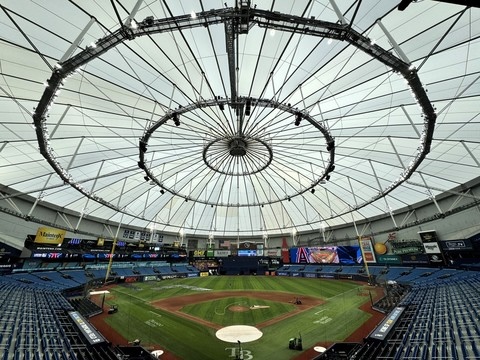 The roof consists of 24 translucent composite membrane panels covering approximately 45,000 square meters, or nearly 485,000 square feet. Each panel is approximately 330 feet long and weighs roughly 5,000 pounds (2,268 kilograms).
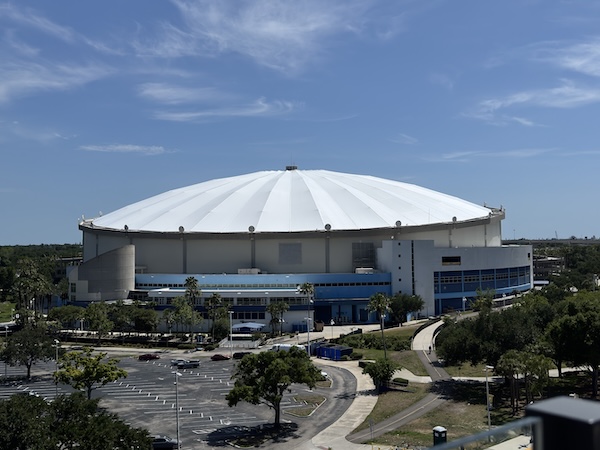 Although the new roof appears visually similar to the original, its engineering has been modernized to address stronger winds, severe storms and updated safety requirements. The completed membrane roof has an expected service life exceeding 20 years and is designed to improve the stadium’s resilience while reducing long-term maintenance requirements.