Crealet Presents Its Warp Tension Solutions At Techtextil 2024

Crealet KAST ECR on JM MD.jpg

WALD, Switzerland — April 2, 2024 — Crealet is a producer of sophisticated warp feeding technology and tailored solutions. Controlled warp tension stands also for controlled fabric quality. The Swiss firm presents its latest developments for technical textile applications at Techtextil 2024 in Frankfurt, Germany.

The year 2023 was notably successful for Crealet, with a significant increase in sales compared to the previous year. This increase is the result of growing customer demand for optimization and automation of the warp feeding process, also taking sustainability aspects into account. This trend reflects a major shift towards intelligent warp feeding technology also possible by converting an existing manual into an automated system. Such investments enable mills to significantly improve quality, efficiency and productivity.

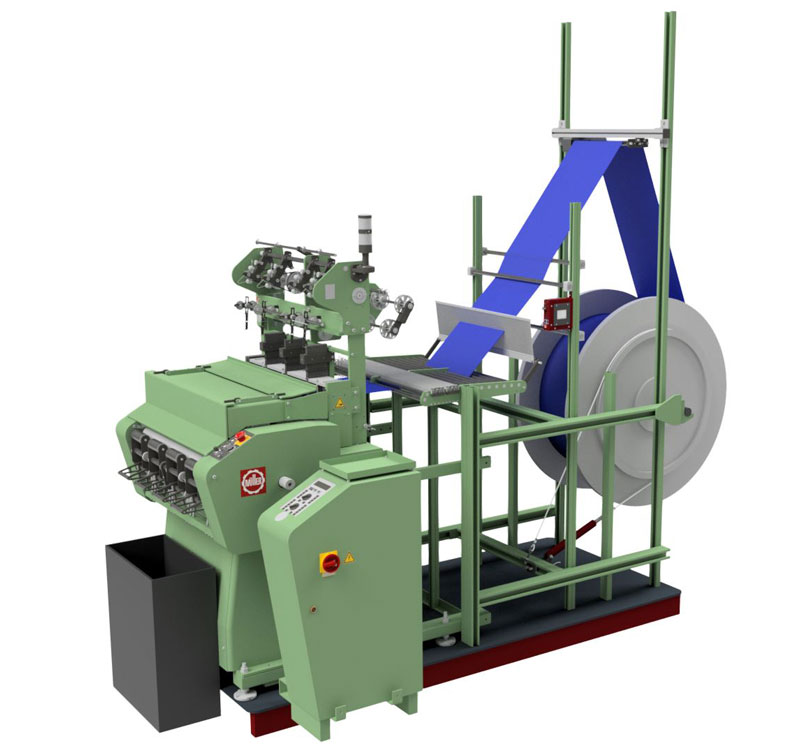
Crealet KAST ECR on a Jakob Müller narrow fabric loom

KAST ECR for ribbon weaving mills

Crealet’s mission is to empower narrow weaving with a consistent high-quality level. The cost of electronic solutions depends on various factors, such as the complexity of the technology, the materials used as well as the market demand. Crealet makes continuous efforts to develop innovative and cost-effective solutions to meet customers’ needs. The new KAST ECR solution, presented for the first time at ITMA 2024, is an affordable warp feed system that fulfills the requirements of narrow weaving mills.

The KAST ECR warp let-off device keeps the warp tension automatically consistent and eliminates the need for manual adjustment. With the KAST ECR solution, warp tension is measured with load cells and the braking force is regulated by continuously changing the rope tension so that a uniform warp tension is achieved from the full to the empty package. By retrofitting the common rope brakes, as used to manually manage warp thread tension, with the ECR control unit, a system is created that automatically adjusts the warp tension during the weaving process. That’s crucial for the production of high-quality fabrics.

The KAST ECR control unit displays the set and actual values of the warp thread tension both numerically and graphically. Specifically developed for narrow weaving, this control meets highest demands and can be easily and quickly adapted to customer and product requirements. A significant future-oriented advantage of the KAST ECR solution is the reproducibility of the production data.

Crealet selvedge thread feeder LT3

Production and cost optimization

Crealet has its roots in traditional broadloom weaving and is still a leading supplier of electronic warp thread feeders for creels or warp beams for weaving and warp knitting machines. In the field of technical textiles, the Swiss company develops feeders for filter fabrics, geotextiles, aerospace textiles, and medical textiles. The production of these fabrics is often subject to more stringent requirements, with warp tension playing an important role and requiring the use of appropriate control devices. Crealet also offers solutions for the electronic feeding of thread groups to weaving machines for marking fabrics for further processing and preventing wavy selvedges.

Techtextil 2024 is for Crealet the ideal place to meet interested parties and explain in detail how to benefit from their devices and systems. Through cost reductions in production for example. Cost reductions can also be achieved in the area of warp thread feeding ranging from reducing set-up times and increasing machine uptime to minimising quality defects. Employees who can focus on their core tasks by reducing ancillary activities also play an important role. The solutions are very diverse and can be tailored individually to customers.

There’re many good reasons to meet the Crealet experts from April 23 to 26, 2024 at Techtextil Frankfurt, Germany. Crealet will be glad to welcome visitors and is proud to present its comprehensive range of warp yarn feeders for ribbon and wide weaving machines as well as warp knitting machines at the joint stand of the Swiss Textile Machinery Association in Hall 12.0, Stand B01.

Posted April 2, 2024

Source: Crealet

MAGIC Nashville Returns With Growth And Key Focus On Southern Regional Fashion

NEW YORK CITY — April 2, 2023 — MAGIC Nashville is returning to the Music City for its second annual wholesale fashion event April 26-27. The April edition of MAGIC Nashville will take place at the Music City Center for two full days of fashion, music and immersive activations.

MAGIC Nashville showcases a curated assortment of brands and products from top selling categories including women’s sportswear, young contemporary and trend apparel, footwear and accessories brands. Delivering the experience MAGIC is known for with a Nashville twist with new and influential retailers from boutique and specialty stores to big box, online and key regional retailers can explore the latest trends, discover differential product offerings to meet demand for incremental revenue and connect with the MAGIC community of established and emerging brands.

MAGIC Nashville will host daily panel sessions at the MAGIC Social House, where experts will speak on current topics facing the fashion industry including the “2023 Trend Presentation” hosted by Kelly Helfman, president of Informa Markets Fashion, Jordan Rudow, vice president of MAGIC and Rachel McCord, founder of the McCord List. Country music star, author, and fashion innovator Jessie James Decker and Rachel McCord will host a panel in which Jessie James Decker shares her thoughts on launching a business on April 26 at 1:00 p.m.*

“Nashville and MAGIC are both known for their vibrant energy, and we aim to capture the opportunity the unique southern market has to offer with a mid-season meeting point to do business. MAGIC Nashville has doubled in size in just one year and we anticipate the momentum to continue,” said Kelly Helfman, president of Informa Markets Fashion. “The show is growing, and so is the expanding list of top-tier international and domestic retailers.”

Twice the footprint of its inaugural show, MAGIC Nashville is expecting over 200 new to show brands and a 91-percent increase in women owned collections expected on the show floor in the apparel, footwear, accessories, home, gift and beauty categories. Mink Pink, Driftwood, Z Supply, Bobi, Barefoot Dreams, Dolma, Liverpool Jeans, Hobo, Steve Madden, Frye, Gigi Pip, Dolce Vita and Poppy & Pout will all be on-site along with international representation from Rolla’s of Australia, Spanner from Canada, Vero Moda of Denmark, Dantelle from Türkiye and Stivali from Columbia.

Top retailers registered include VICI, Apricot Lane, Dillard’s, Altar’d State, Free People, Zappos, Hemline, Fashion Nova and Lulus as well as international retailers from INA International, Island Activewear, Silver Icing, Amazon Mexico and Editorial Boutique.

“Over 430 brands are coming to MAGIC Nashville, which fills the need for the regional event where noteworthy retailers can find designers offering immediates for key holiday season demand,” said Jordan Rudow, vice president of MAGIC. “The brand list offers everything Nashville is known for: charm, bright colors, boho feels, embellishment, all the high notes and international designers that capture this essence. Chic and trendy on-site experiences are going to keep our MAGIC community IMMERSED in the Nashville fashion scene and you are going to have so much fun while shopping the floor.”

On-site activations will keep the MAGIC vibe going strong, in classic southern hospitality style, as attendees can take in the live music daily from local Nashville talent and gain access to the activation lounge where guests can get customized necklaces by Kinsey Designs, permanent jewelry by BRACHA and hair and makeup touch ups by Agency of Beauty. The opening night party sponsored by Fate on April 26 will be held at The Stage on Broadway from 6-10 p.m. with live music. Guests must present show badge for entry.

Posted April 2, 2024

Source: MAGIC Nashville

Fire-Dex Offers A Non-Fluorinated Moisture Barrier Option For Turnout Gear

MEDINA, Ohio — March 29, 2024 — In a groundbreaking development for the fire services, Fire-Dex has become the first PPE manufacturer to offer a non-fluorinated moisture barrier option for turnout gear.  The new barrier, Stedair® Clear™ from Stedfast, is the first non-fluorinated moisture barrier available to the fire services according to the company, and Fire-Dex now offers it in its portfolio.

Stedair Clear is the newest breakthrough in barrier technology to meet and surpass NFPA 1971 test requirements. It is constructed of a Nomex woven pajama check laminated to a non-fluorinated barrier with a highly engineered polymer coating designed for performance and durability.

Todd Herring, vice president of Product Innovation and Strategy at Fire-Dex, emphasized: “By introducing this non-fluorinated option, firefighters can now make the choice that is right for their department. If they choose to move forward with a non-fluorinated moisture barrier, Fire-Dex can offer the most breathable composite options due to our innovative material science.”

Most Breathable Composites

Selecting a non-fluorinated moisture barrier impacts overall breathability. UL test data shows Fire-Dex composites can achieve 300+ THL (Total Heat Loss), the highest available on the market by over 50 points. This is due to their exclusive TECGEN71® outer shell, designed to lessen heat stress by improving THL, reducing weight, and increasing the flexibility of three-layer composites.

Firefighters can also help offset the loss of breathability from a non-fluorinated moisture barrier by choosing Fire-Dex’s newly released innovative turnout gear. AeroFlex™ features AeroVent™ Technology and VaporLite™ Panels that support core body temperature regulation and encourage airflow.

AeroVent Technology is a patent pending one-way street ventilation design that allows sweat vapor to escape outside without letting heat or carcinogens in, enabling firefighters to better regulate their core body temperature.

VaporLite™ Panels are built exclusively with Fire-Dex’s TECGEN71® outer shell, a CoreCXP™ 1-layer thermal liner, and a choice of moisture barrier, allowing heat to be released where it becomes most encapsulated. “If you choose a different combination for the rest of the garment with a lower THL, these panels still produce higher breathability and cool the core of your composite,” said Herring.

Providing Options

Fire-Dex is committed to bringing new options to the market to provide fire departments the choice in configuring the best turnout composites that fit their unique needs. As the company pushes the boundaries in researching cutting-edge materials and technologies, it will continue to work to broaden its range of options to fit the needs of fire departments across the globe. 

Posted: April 1, 2024

Source: Fire-Dex

Mimaki USA Announces TRAPIS, Embracing The Global Textile Dyeing Industry’s Demand For Sustainability

SUWANEE, Ga. — March 29, 2024 — Mimaki USA, a manufacturer of wide-format inkjet printers and cutters, today announced TRAPIS, a next-generation digital transfer sublimation printing system that makes textile production more environmentally friendly by reducing up to 90 percent of wastewater, compared to conventional methods. This system does not require wastewater treatment facilities and can be located in an office or extended studio location.

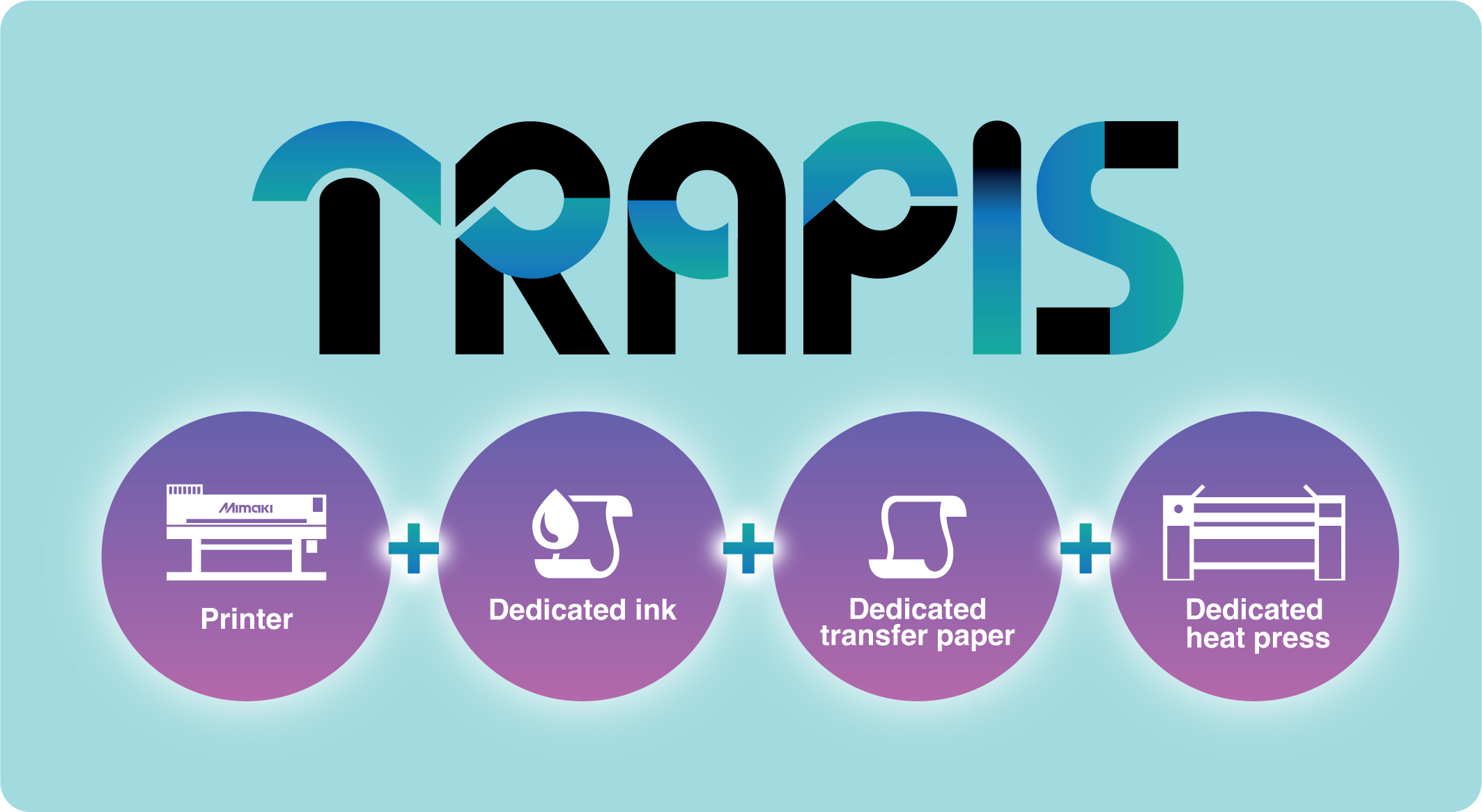
TRAPIS is the company’s pigment transfer textile printing system, whose name is derived from the words “Transfer,” “Pigment,” and “System.” It comprises a Mimaki inkjet printer, Mimaki original inks, dedicated transfer paper available from Mimaki, and a dedicated transfer unit from Klieverik or Monti Antonio.

Targeting environmental and operational concerns

The conventional textile dyeing method generates on average 14.5 liters of wastewater per square meter of fabric processed[1]. The wastewater contains chemical substances used in pre- and post-processing and is considered an environmental concern. Additionally, the dyeing process is complex, requiring specialized skills and knowledge, and the investment of dyeing equipment requires large-scale wastewater treatment facilities, limiting the location where they can be installed.

With TRAPIS, a design printed on special paper is transferred to the fabric using a heat transfer machine to complete the textile printing process. This digital process generates almost no wastewater (just the amount in the waste ink generated by printer’s automatic maintenance function), and even including wastewater generated in the transfer paper manufacturing process, wastewater is cut by approximately 90 percent compared to conventional digital dyeing systems. Since the system does not require a large space or wastewater treatment facilities like conventional system, it can be installed in a small space, and textile printing business can be conducted at the forefront of fabric supply distribution such as a store, design offices, etc. Since the process is simple and does not require specialized dyeing expertise and knowledge, anyone can easily initiate the operation.

One type of ink, multiple types of textiles

In conventional textile printing, different dyes (ink types) are used based on the types of textiles to be printed. TRAPIS, however, can print on a wide range of textiles with one type of ink. It is not limited to dyeing factories that specialize in textile printing but enables dyeing businesses to operate in any location, on a variety of textiles, producing short runs as required, and adapting to the global dyeing industry’s demand for sustainability.

For more information

Interested parties are encouraged to contact their Mimaki USA authorized representative to find out more about how to implement TRAPIS in their environments.

[1] Based on Mimaki Engineering proprietary research.

Posted: April 1, 2024

Source: Mimaki USA

Itema Showcases The Itematech Weaving Solutions At Techtextil Frankfurt 2024

COLZATE, Italy  — March 28, 2024— Itema, a global provider of advanced weaving solutions, including weaving machines, spare parts and integrated services, exhibits the most complete product portfolio to weave technical fabrics at Techtextil Frankfurt (Hall 12 – Booth D24) from April, 23-26.

Recognizing the specificity of the technical textile industry, Itematech was established in 2019 with the aim to provide a comprehensive range of weaving solutions tailored to manage this complex fabrics in an easy yet efficient way. Today, Itematech stands as the optimal choice for weavers seeking for a unique partner able to offering the most diverse weaving machine portfolio available on the market for producing technical fabrics, including Single Positive Rapier, Negative and Positive Rapier, Airjet and Projectile weaving machines.

At Techtextil 2024 the Itematech representatives will introduce to visitors the whole Itematech weaving range and the latest advancements to weave technical fabrics, in details:

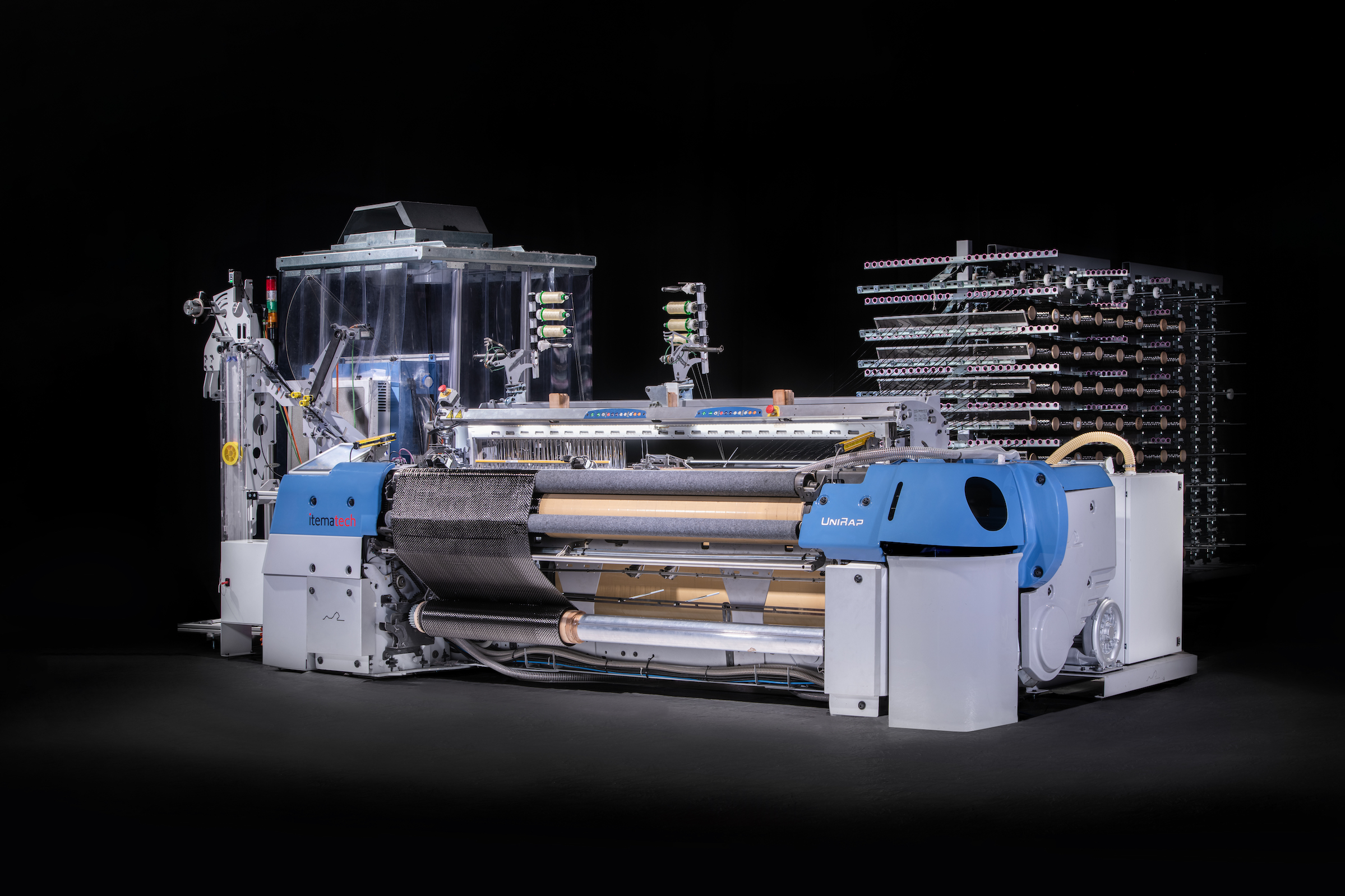
  • UniRap: The Itematech Single Positive Rapier Weaving Machine

The absence of the weft exchange, thanks to the positive single rapier weft transfer, enables the Itematech UniRap to weave the widest range of high tenacity yarns, from carbon tape and fibers, to fiberglass, aramid fibers, steel and lead-coated yarns, and many others. Designed as an open platform, the Itematech UniRap comes to the market in a double version specifically developed for technical textiles weaving: the UniRap | P Weft Insertion System enables the effective insertion of carbon tapes and tape shaped yarns with no torsion up to 30mm, while the UniRap | G Weft Insertion System is ideal to weave the widest range of technical yarns. What makes the two versions even more interesting is the possibility to switch the two weft transfers easily and quickly, thus providing weavers with two weft insertion technologies in one.

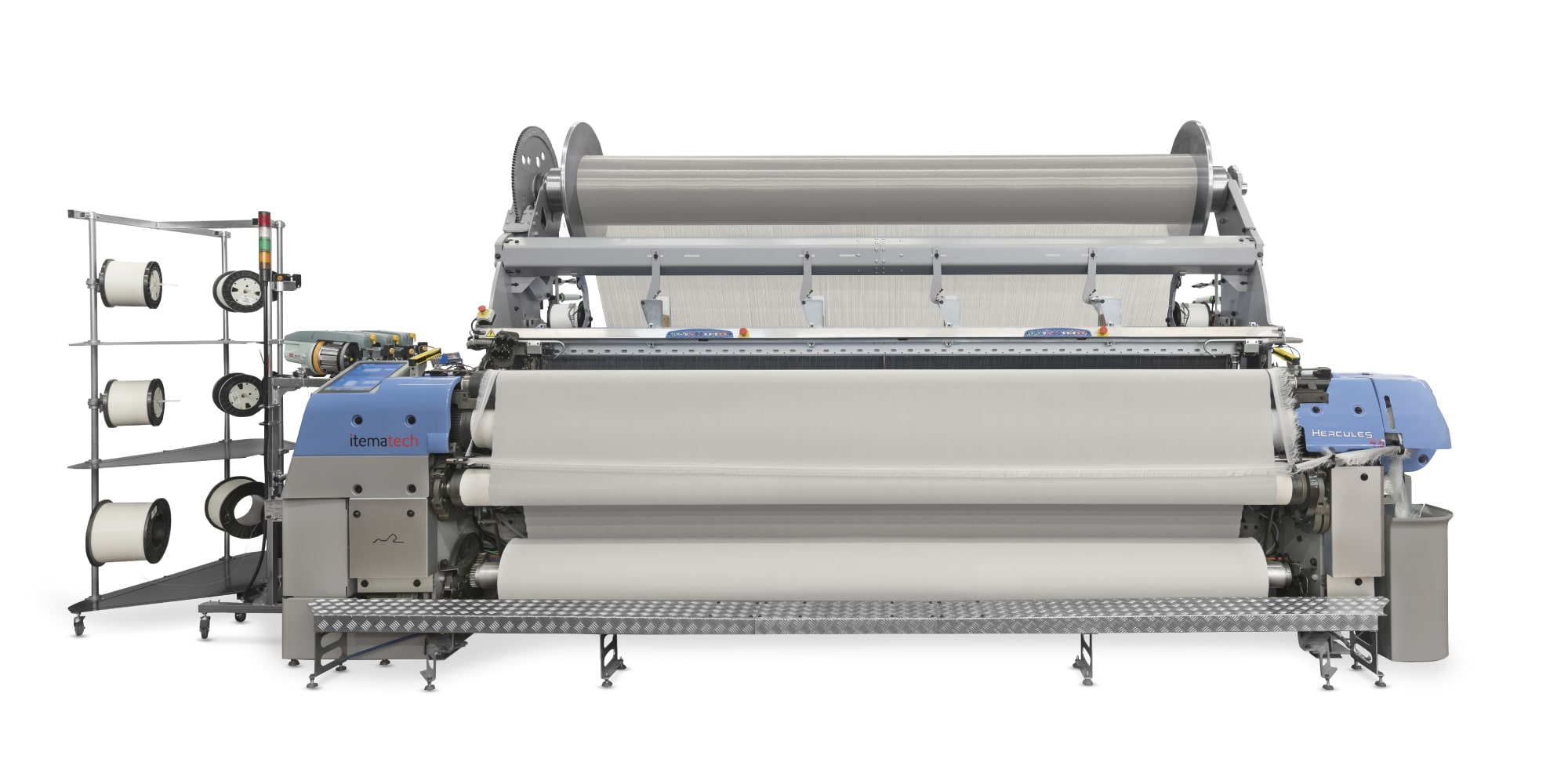
  • Hercules: The Itematech Negative and Positive Rapier Weaving Machine

The Hercules reinforced machine structure coupled with its textile flexibility offers weavers the ideal weaving technology to produce the most demanding technical textiles, from extremely high density to finest fabrics. One of a kind on the market, Hercules provides unbeatable textile flexibility thanks to its unique weft transfer system that enables the valuable possibility to switch easily and quickly from positive to negative rapiers, thus leading to superior textile efficiency when handling the widest range of weft yarns counts, from 20 up to 48,000 dtex, in single or multiple weft insertions configurations. Hercules is available in weaving width up to 6200mm and features a modular structure, customizable according to weavers’ textiles needs. In fact, the basic machine structure is reinforced and can be equipped with different devices capable to reach a beating force up to 5.5 tons (depending on the reed width). Hercules textile range includes but is not limited to agrotextiles, medium and heavy coating fabrics, medium and heavy conveyor belts, medium and heavy filter fabrics, fiberglass, geotextile, heavy canvas, geogrid, plain carpet.

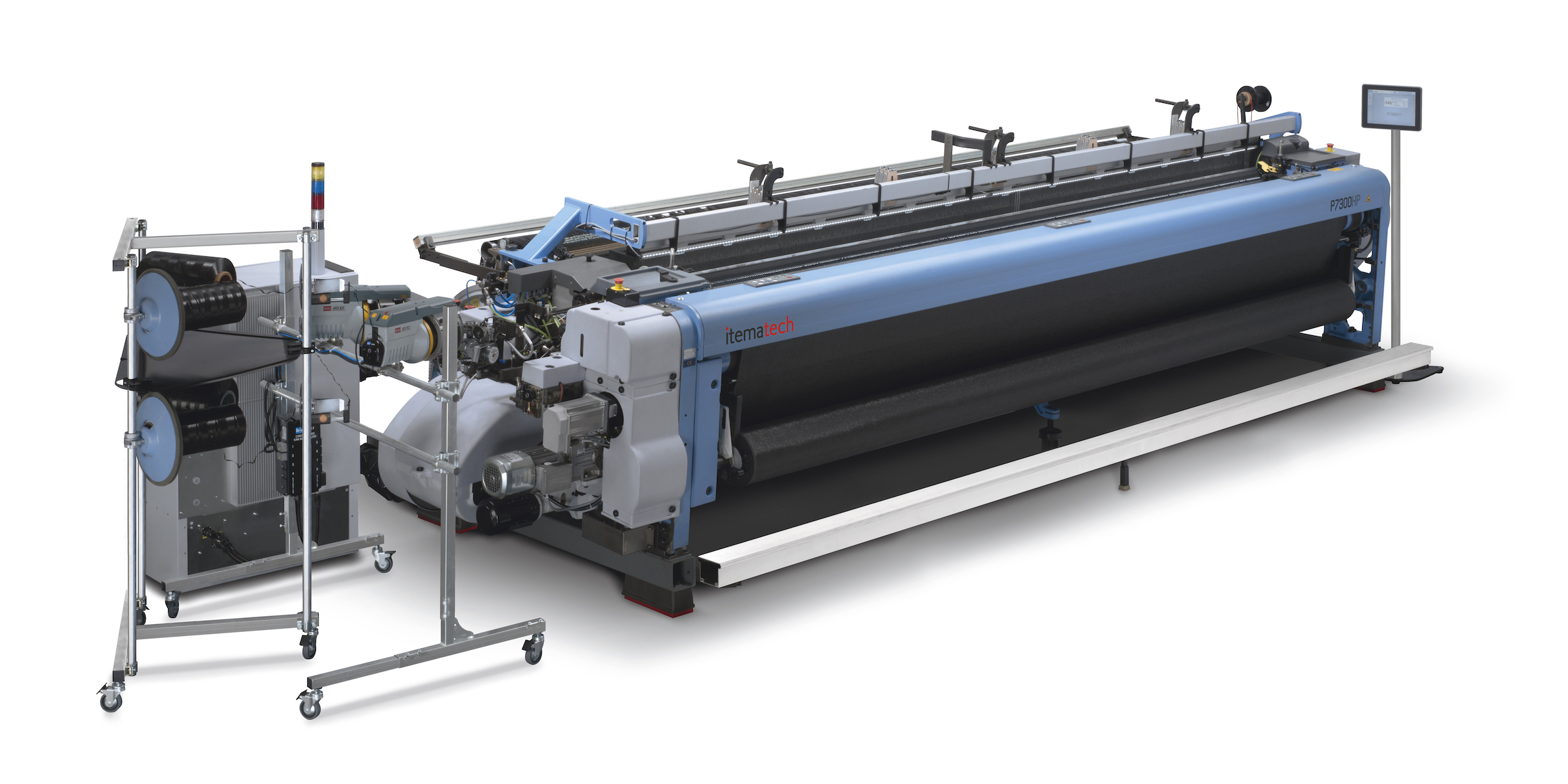
  • P7300HP V8: The Itematech Projectile Weaving Machine

Technical fabrics are the specialty of the legendary P7300HP due to its reliable and versatile weft insertion system, based on the single insertion driven by the projectile which catches the weft and carries it directly with no exchanges, providing unmatched efficiency. The P7300HP continues to represent an unbeaten and unbeatable benchmark for those looking to weave the very widest fabrics (over 6 meters) and high-specialty materials, such as agrotextile, geotextile and primary carpet backing fabrics.

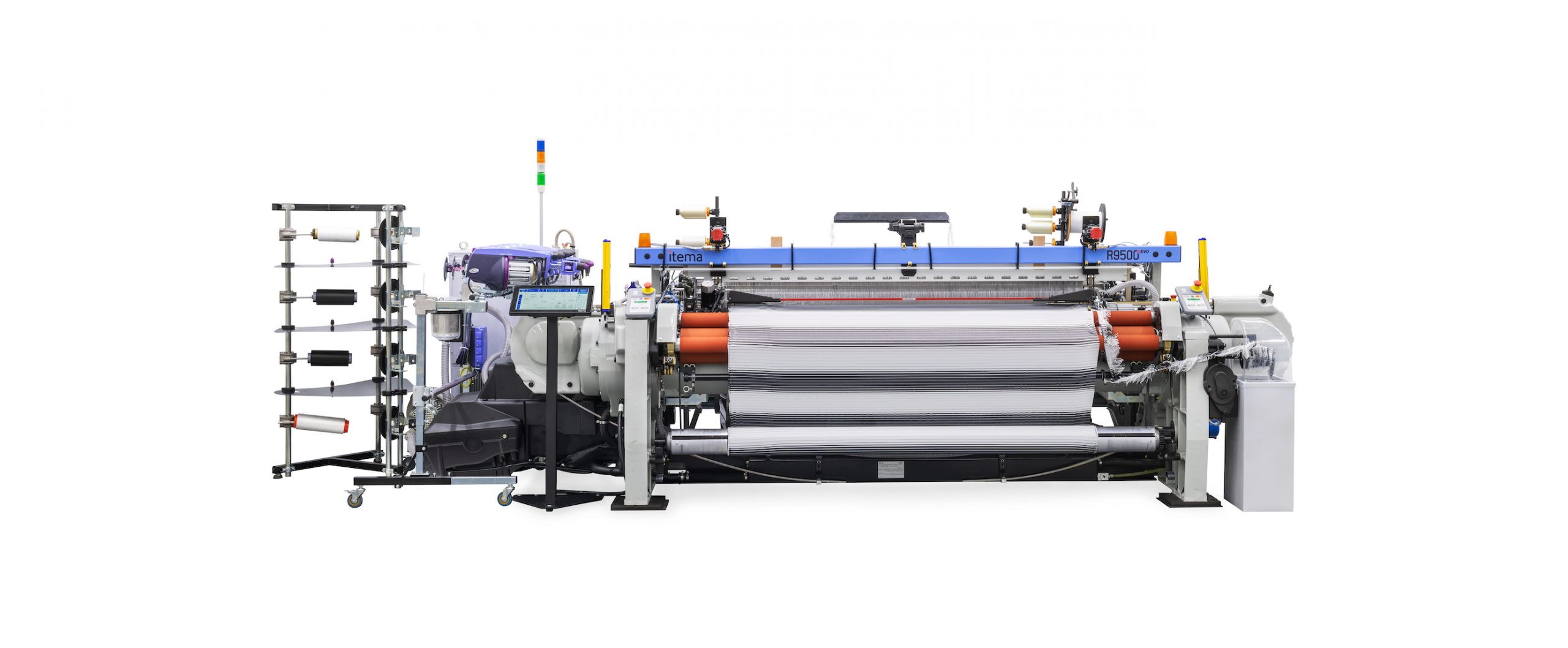
  • R9500EVO : The Itematech Rapier Weaving Machine

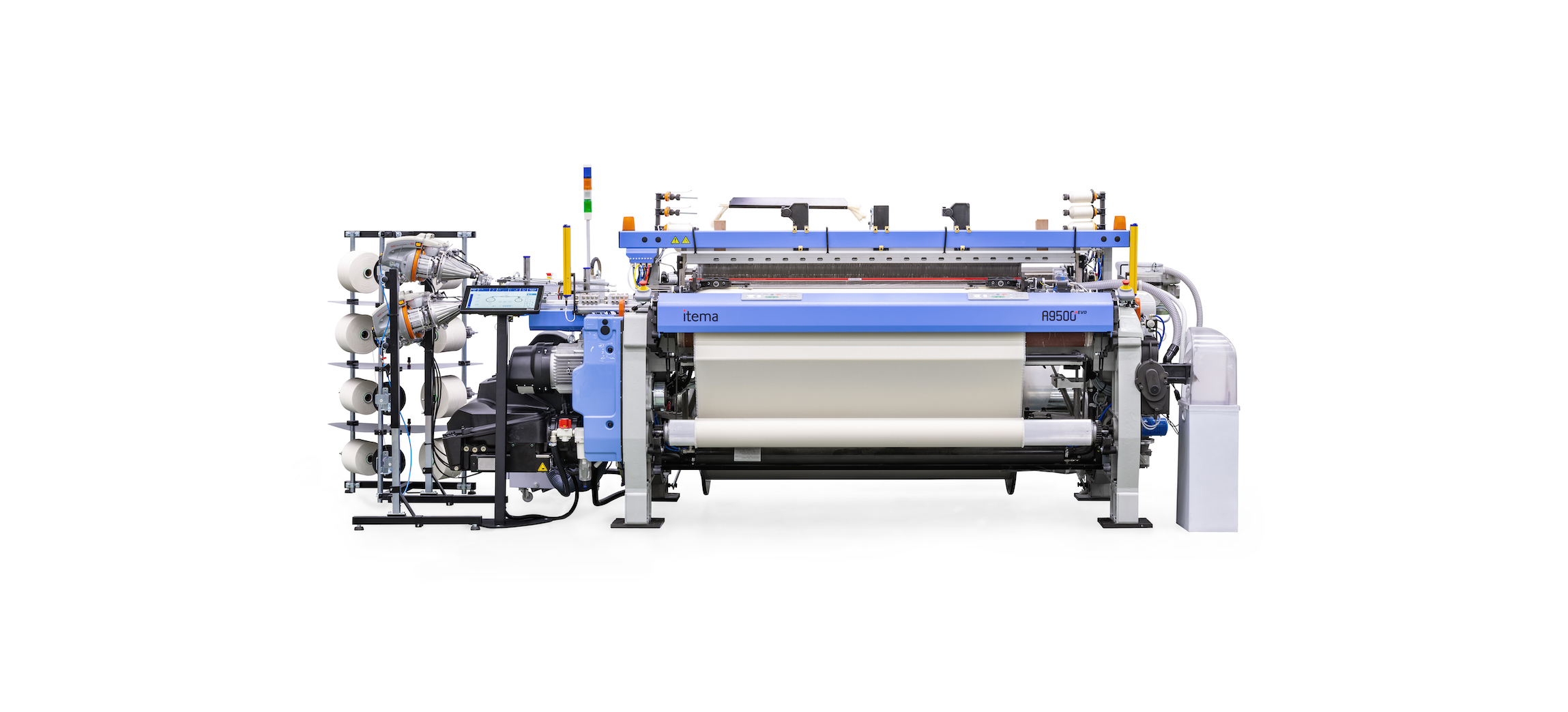
The Itema R9500EVO is the latest version of the Itema best-seller R9500. The continuous roll-out of customized special versions tailored for technical applications, including coating, para-aramid, fiberglass, bolting cloth, fabrics for automotive, light filter fabrics, among others, as well as dedicated devices for each application make the R9500EVO the perfect machine for the manufacturing of the full range of technical textiles, including the ones with the finest monofilament yarns, multifilament yarns with high tenacity, and multiple pick insertion fabrics.

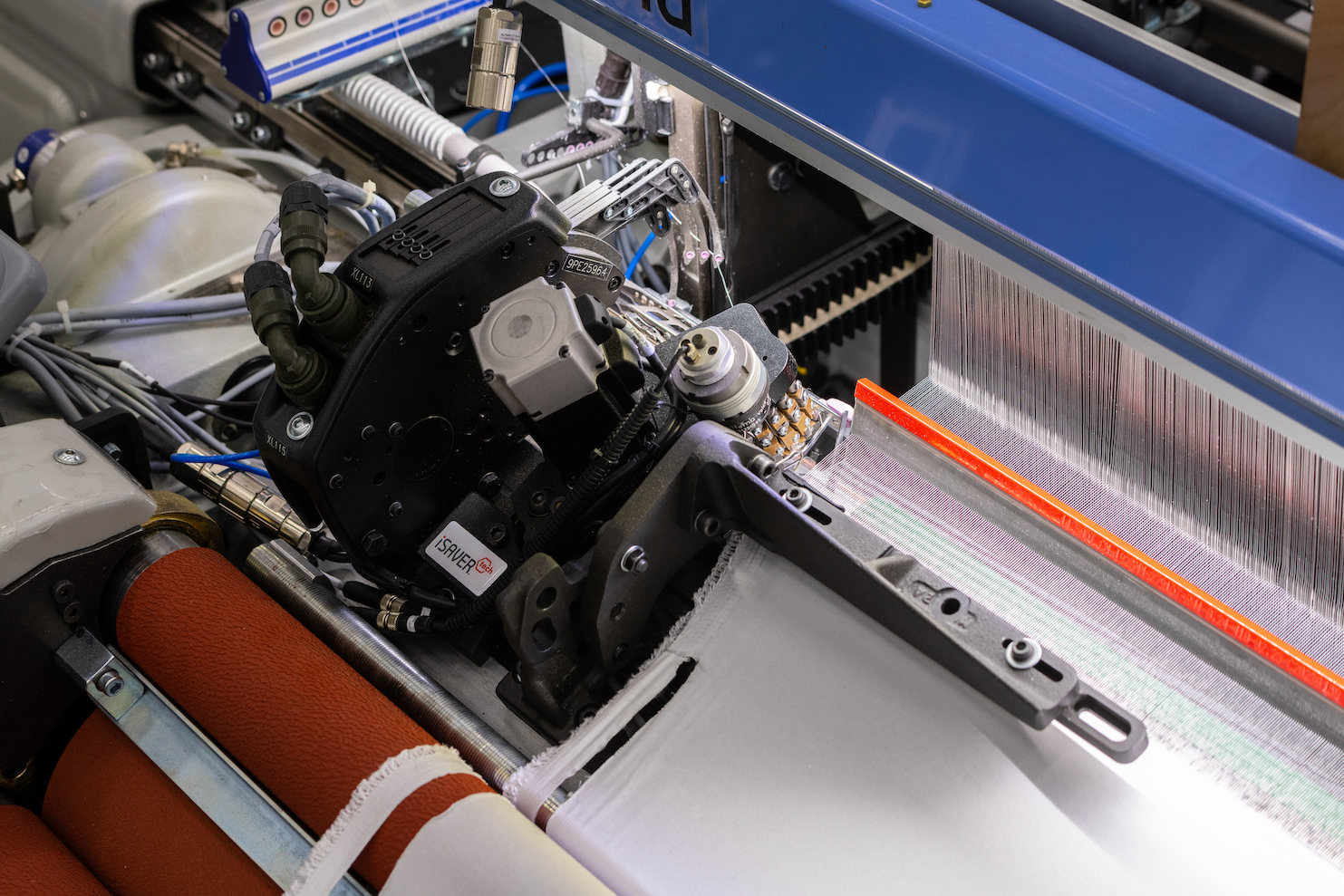
R9500EVO is equippable with the Itema iSAVER®tech. The Itema breakthrough device eliminates the waste selvedge on the fabric’s left-hand side, thus significantly reducing the wastage of raw materials and resources leading to cost reduction and contributing to sustainable weaving. iSAVER®tech is available to weave a wide range of technical yarns and it is even retrofittable as upgrade kit on all R9500 series machine models.

  • A9500EVO: the Itematech Airjet Weaving Machine

When it comes to weaving very high-density fabrics, the airjet A9500EVO is customizable with dedicated devices to ensure excellent results while answering to the most demanding weaving needs. In particular, the Itema Airjet A9500 iLENO for Seconday Carpet Backing has recently been launched on the market and rapidly gained popularity among technical weavers. This special airjet machine, indeed, has been designed by Itema to successfully and effectively weaving Secondary Carpet Backing fabrics with the goal to maximize weavers productivity and return on investment.

Techtextil 2024 represents an unmissable opportunity to discover all the Itematech weaving solutions and to discuss with our experts any weaving need. Visit us in Hall 12 – Booth D24.

Posted: April 1, 2024

Source: Itema S.p.A.

Serge Ferrari Group Introduces Soltis Loop® Sunmate To North American Market

DEERFIELD BEACH, Fla. — March 28, 2024 — Serge Ferrari Group, a designer, developer, and manufacturer of innovative composite fabrics, is pleased to introduce Soltis Loop® Sunmate —  a groundbreaking composite membrane fabric made from 100-percent recycled materials, derived from post-consumer waste designed for interior solar protection. Available as roller blinds, vertical blinds, and panel tracks, Soltis Loop Sunmate provides full privacy from the outdoors and protects against solar heat for any space.

Soltis LOOP® sunmate

Unique from other interior solar protection materials that only use either recycled yarn or recycled coating, this composite membrane fabric is composed of 100-percent recycled polyester yarns in its base and 100-percent recycled polymers in its coating. The material preserves privacy while providing translucency, filtering the optimum amount of natural light and preventing glare while offering UV protection for indoor spaces and blocking up to 91 percent of heat. This product is GREENGUARD Gold certified, as well as PVC and phthalate free, with a reduced environmental footprint to meet the requirements of LEED, BREEAM, WELL, and HQE certifications.

Infused with a stylish aesthetic, Soltis Loop Sunmate provides a luxurious textile look and feel, cultivating a warm and inviting ambiance across diverse settings. It is available from a palette of eight sophisticated colors including optical white, white, cream, oatmeal, silver, oxygen, alloy, and steel grey. Offered in 90.55-inch rolls, it comes with a five-year limited warranty and is now available to the North American market from Serge Ferrari Group.

Posted: April 1, 2024

Source: Serge Ferrari Group

2024 AATCC Foundation Grants Support Textile Research

RESEARCH TRIANGLE PARK, N.C. — March 29, 2024— Each year, AATCC Foundation awards $10,000 in grants for textile-related academic research. This year, funding went to 18 students at 7 universities. Topics range from denim recycling to tissue engineering. Funded proposals are not limited to traditional textile departments but include undergraduate and graduate studies in consumer sciences, material science, bioengineering, design, and more.

In 2024, grants range from $500 to $4,000 for materials and research expenses toward textile-related projects. In addition to the grant, recipients are eligible for a travel stipend to present their work at a professional conference. AATCC publicizes the selected topics and final reports to inspire other members to engage with the work. As AATCC’s mission states, the aim is to “empower an innovative, informed, and sustainable future.” AATCC Foundation grants do this by supporting and sharing a broad spectrum of textile research. To connect with the student or faculty advisor for a project, contact Diana Wyman (diana@aatcc.org). To support future research, donate to AATCC Foundation at www.aatcc.org/foundation.

The application period for 2025 AATCC Foundation grant funding will open in June and close October 15, 2024.

Posted: April 1, 2024

Source: AATCC Foundation Inc

Ascend, Polysource Enter Into North American Distribution Agreement

HOUSTON — April 1, 2024 — Ascend Performance Materials and PolySource, a producer of engineered plastic resin solutions, have entered into a North American distribution agreement that provides Ascend’s full portfolio of engineered nylons to PolySource’s broad customer base.

PolySource now offers Ascend’s Vydyne®, Starflam®, HiDura® and ReDefyne™ polyamide product lines designed for use in automotive, electrical and electronic, healthcare and consumer and industrial applications.

“Like us, PolySource is focused on delivering value to their customers by offering both materials and technical expertise,” said Kathy Marker, Ascend’s senior sales director for the Americas. “We are excited to be working with the PolySource team to bring our portfolio of solutions to meet their customers’ technical challenges.”

For more than 25 years, PolySource has built a portfolio of resins and engineered materials to help meet their customers’ needs. Ascend, the world’s largest fully integrated producer of PA66, has broadened its portfolio with long-chain polyamides, mechanically recycled polyamide 6 and 66, and an extensive suite of flame-retardant polyamides.

“We find tremendous value in the strategic fit between Ascend and PolySource,” said Damien Couch, chief development officer at PolySource. “We believe the combination of Ascend’s world-class product portfolio, as well as our mutual strong support teams and cultural alignment, will be a great match. PolySource believes this collaboration and partnership complements our application development focus with a consultative approach to the customer.”

Posted: April 1, 2024

Source: Ascend Performance Materials

Hyosung TNC Invests $1 Billion In Future “Bio” Business

SEOUL, South Korea — April 1, 2024 — Hyun-Joon Cho, chairman of Hyosung announced major investment in the bio business, embarking on future new business ventures.

Hyosung TNC to Invest $1 Billion in Vietnam, Establishing a 200,000 Tons-a-Year Bio-BDO Plant

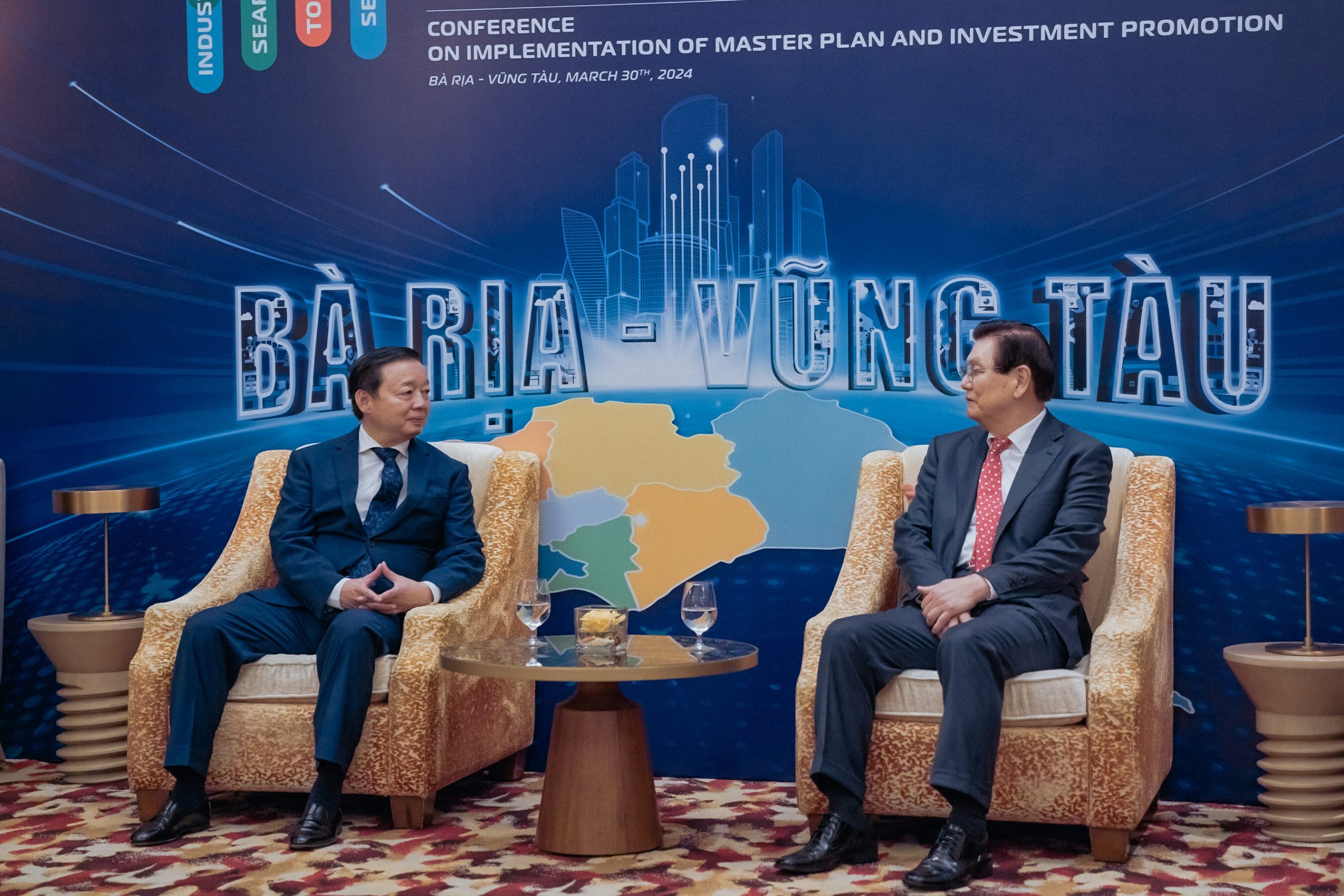
Left: Tran Hong Ha, Vice Prime Minister of Vietnam / Right: Sang-Woon Lee, Vice Chairman/COO of Hyosung

On March 30, Hyosung TNC received investment approval for the “Hyosung BDO Project” from the Ba Ria-Vung Tau Provincial Government at the “Ba Ria-Vung Tau Province Vision Declaration and Investment Approval Ceremony” held in Phu My 2 Industrial Park in southern Vietnam.

Hyosung TNC plans to proactively respond to the global materials market’s reorganization around sustainable products by investing $1 billion to establish multiple Bio-BDO production plantscapable of producing 200,000 tons annually.

BDO (Butanediol) is a chemical used as a raw material for PTMG, which is used to make spandex fiber. In addition to spandex (PTMG) fiber, BDO applications have expanded to include engineering plastics, biodegradable packaging, footwear soles, industrial compounds, and many other industries.

Bio-BDO is manufactured by fermenting sugars derived from sugarcane, replacing traditional fossil raw materials such as coal by 100 percent. It is expected to attract a significant attention in the sustainable materials market.

Geno’s proven technology enables Hyosung TNC to fast track their project and unlocks the production and selling of Bio-BDO with an annual capacity of 50,000 tons in the first half of 2026.

From Raw Material to Fiber, Hyosung TNC Establishes the World’s First Fully-Integrated Production System for Bio-Spandex

With this investment, Hyosung TNC has secured the largest bio-spandex factory in Vietnam. Notably, it is the first in the world to establish a vertically integrated production system for bio-spandex, from raw material to fiber.

Hyosung TNC will produce Bio-BDO at its factory in southern Ba Ria-Vung Tau Province, manufacture PTMG at a nearby factory in Dong Nai, in the south of Ho Chi Minh City, and then use this to mass-produce regen™ BIO spandex at the Dong Nai Spandex factory.

The integrated production system for bio-spandex is optimized for customers in the global sustainable textiles market, including brands and retailers in Asia, Europe and the United States. This system enhances production efficiency through a stable raw material supply and allows for swift responses to market needs by speeding up production system operations. Additionally, it ensures cost competitiveness through reduced transportation costs and alleviates environmental impact by saving the fuel used for transportation.

Powered by Geno, The Sustainable Source™ and the GENO™ BDO™ technology, accelerating the Materials Transition in partnership with Geno’s already proven at commercial scale technology

Hyosung TNC recently formed a technology partnership with Geno, a US sustainable materials and technology leader, whereby it has taken licenses to the GENO BDO technology.

Geno is a biotechnology leader of the Materials Transition and their technology enables greater supply chain resilience, performance, and sustainability impact for many of the world’s largest brands and suppliers. For more than two decades, Geno has been scaling technology to enable the production of sustainable materials derived from plant- or waste-based feedstocks instead of fossil fuels. They have already commercialized sustainable alternatives to commonly used ingredients and materials across several industries including beauty, apparel, automotive, home care including lululemon, Unilever, Kao and L’Oréal.

Geno BDO technology was commercialized in 2016. Since then, Geno has continued to scale its technology across EU, US, and now Asia markets. This fully proven and transformative process technology offers an estimated 90 percent carbon avoidance (which is the order of magnitude of avoiding 10 tons/Co2 for every 1 ton of Co2) and competitive economics compared to conventional coal based BDO in the market. Globally, more than 2.5 million tons of BDO are produced annually. If all BDO was produced using Geno BDO technology, over 14 million tons of greenhouse gases per year would be avoided, the equivalent of taking 3 million cars off the road.

Hyosung TNC anticipates contributing to the expansion of the white biotechnology market by transforming key raw materials in the chemical industry into sustainable alternatives based on its Bio-BDO business.

Recognizing the sustainability of regen BIO spandex, Hyosung TNC secured the ISCC+ international certification, a global sustainability and carbon certification system, in 2023. In 2022, it also obtained the SGS certification, verifying that it manufactured bio-spandex partly using renewable raw materials to replace petroleum-based ingredients.

Chairman Hyun-Joon Cho: “Targeting the Global Market with Sustainable Bio Materials”

Hyun-Joon Cho, chairman of Hyosung, stated: “The bio business, which transforms conventional fossil raw materials into eco-friendly ones, will become a core pillar of Hyosung for the next 100 years. We will enhance Hyosung’s premium brand status by strengthening our global sustainable market penetration based on our consistent production system of Bio-BDO and Bio Spandex.”

Since the late 2000s, Chairman Cho has been closely monitoring the rapid reorganization of the global textile market, especially in Europe and the Americas, towards sustainable products and has consistently directed Hyosung TNC to respond in an agile manner.

As environmental regulations, including carbon taxes, become stricter in global markets in such areas as Europe and the Americas, the textile and fashion market is evolving, and survival without certified sustainable products is becoming virtually impossible.

As the value consumption of sustainable products increases, especially among Millennials and GenZers, chemical companies’ marketing efforts to promote a sustainable brand image are expanding significantly. To achieve this, the company plans to lead the sustainable market by continuing to collaborate with major global customers and chemical brands to introduce functional, sustainable products utilizing Bio-BDO.

Hyosung TNC to expand sustainable textile sales to more than 20 percent by 2030

regen BIO has been recognized as an innovative product that is changing the trend of the sustainable fashion and textile industry by using natural resources as raw materials, minimizing resource consumption and environmental pollution.

As of this year, the global sustainable textile and fashion market is valued at approximately $23 billion, with an average annual growth rate exceeding 12.5 percent. It is expected to grow about $75 billion by 2030, including upstream and downstream businesses. Hyosung TNC plans to increase the sales volume of sustainable spandex, which currently accounts for 4 percent of its total spandex sales, to about 20 percent by 2030, more than fivefold from now.  

Posted: April 1, 2024

Source: Hyosung TNC

Manufacturing PMI® At 50.3 Percent; March 2024 Manufacturing ISM® Report On Business®

TEMPE, Ariz. — April 1, 2024 — Economic activity in the manufacturing sector expanded in March after contracting for 16 consecutive months, say the nation’s supply executives in the latest Manufacturing ISM® Report On Business®.

The report was issued today by Timothy R. Fiore, CPSM, C.P.M., Chair of the Institute for Supply Management® (ISM) Manufacturing Business Survey Committee:

“The Manufacturing PMI® registered 50.3 percent in March, up 2.5 percentage points from the 47.8 percent recorded in February. The overall economy continued in expansion for the 47th month after one month of contraction in April 2020. (A Manufacturing PMI above 42.5 percent, over a period of time, generally indicates an expansion of the overall economy.) The New Orders Index moved back into expansion territory at 51.4 percent, 2.2 percentage points higher than the 49.2 percent recorded in February. The March reading of the Production Index (54.6 percent) is 6.2 percentage points higher than February’s figure of 48.4 percent. The Prices Index registered 55.8 percent, up 3.3 percentage points compared to the reading of 52.5 percent in February. The Backlog of Orders Index registered 46.3 percent, the same reading as in February. The Employment Index registered 47.4 percent, up 1.5 percentage points from February’s figure of 45.9 percent.

“The Supplier Deliveries Index figure of 49.9 percent is 0.2 percentage point lower than the 50.1 percent recorded in February. (Supplier Deliveries is the only ISM Report On Business index that is inversed; a reading of above 50 percent indicates slower deliveries, which is typical as the economy improves and customer demand increases.) The Inventories Index increased 2.9 percentage points to 48.2 percent following a reading of 45.3 percent in February.

“The New Export Orders Index reading of 51.6 percent is the same reading as registered in February. The Imports Index continued in expansion territory, registering 53 percent, the same figure as in February. Both indexes repeated their highest readings since July 2022, when the New Export Orders Index registered 52.6 percent and the Imports Index registered 54.4 percent.”

Fiore continued: “The U.S. manufacturing sector moved into expansion for the first time since September 2022. Demand was positive, output strengthened and inputs remained accommodative. Demand improvement was reflected by the (1) New Orders Index back in expansion and fewer comments regarding ‘softening,’ (2) New Export Orders Index expanding again, supported by panelists’ stronger optimism (3) Backlog of Orders Index remaining in moderate contraction territory, the same as in February and (4) Customers’ Inventories Index contracting for the fourth consecutive month, remaining at a level accommodative for future production. Output (measured by the Production and Employment indexes) surged, with a combined 7.7-percentage point upward impact on the Manufacturing PMI calculation. Panelists’ companies notably increased their production levels month over month. Head-count reductions continued in March, with sizable layoff activity reported. Inputs — defined as supplier deliveries, inventories, prices and imports — continued to accommodate future demand growth and showed signs of stiffening. The Supplier Deliveries Index dropped marginally, moving into ‘faster’ territory, and the Inventories Index improved but remained in slight contraction territory. The Prices Index moved further upward in moderate expansion (or ‘increasing’) territory as commodity driven costs remain unstable.

“Of the six biggest manufacturing industries, four — Food, Beverage & Tobacco Products; Fabricated Metal Products; Chemical Products; and Transportation Equipment, which account for a combined 54 percent of manufacturing gross domestic product (GDP) — registered growth in March.

“Demand remains at the early stages of recovery, with clear signs of improving conditions. Production execution surged compared to January and February, as panelists’ companies reenter expansion. Suppliers continue to have capacity but are showing signs of struggling, due in large part to their raw material supply chains. Thirty percent of manufacturing GDP contracted in March, down from 40 percent in February. More importantly, the share of sector GDP registering a composite PMI calculation at or below 45 percent — a good barometer of overall manufacturing weakness — was 1 percent in March, the same as in February, but categorically healthier than the 27 percent recorded in January. Among the top six industries by contribution to manufacturing GDP in March, none had a PMI at or below 45 percent,” says Fiore.

The nine manufacturing industries reporting growth in March — in order — are: Textile Mills; Nonmetallic Mineral Products; Paper Products; Petroleum & Coal Products; Primary Metals; Food, Beverage & Tobacco Products; Fabricated Metal Products; Chemical Products; and Transportation Equipment. The six industries reporting contraction in March — in the following order — are: Furniture & Related Products; Plastics & Rubber Products; Electrical Equipment, Appliances & Components; Machinery; Computer & Electronic Products; and Miscellaneous Manufacturing.

What Respondents Are Saying

“Performance continues to defy projections of a downturn in activity. Demand remains strong, and the pipeline for orders is robust.” [Chemical Products]

“Expecting to see orders and production pick up for the second quarter. Suppliers are working with us to help drive costs down, which will help improve the margin for the rest of the year and deliver growth in 2025.” [Transportation Equipment]

“Commodity prices continue to hold steady.” [Food, Beverage & Tobacco Products]

“Demand remains soft, but optimism is high that orders are ‘just on the horizon.’ Expectations are for a strong second quarter. Supply chain issues are minimal, with only semiconductors and select electronic parts being an issue.” [Computer & Electronic Products]

“Noticing an increase in suppliers’ selectiveness regarding orders they quote and take. Additionally, there’s been a noticeable increase in manufacturing companies targeted for acquisition by larger entities (established companies, investment firms and the like).” [Machinery]

“Business is still strong — we are meeting and exceeding our forecasts. So far, we’re not hearing anything negative with our customers as far as ongoing business is concerned — it’s the same for raw material suppliers, nothing negative.” [Fabricated Metal Products]

“As an energy-intensive manufacturer, energy pricing continues to be a concern for our business. The move to electrification has increased demand, and supply is not stable because we’re not in an ideal geography for wind and solar power.” [Paper Products]

“The potential aftermaths of the presidential election are beginning to impact conversations and negotiations of long-term agreements/contracts.” [Petroleum & Coal Products]

“Continue to experience a softness in the industrial sector. There is optimism that order activity will increase in the late second quarter, leading to improvement in this segment for the second half of the year. The aerospace and defense market is continuing to ramp up, and demand is outpacing supply in our supply chain.” [Primary Metals]

“Business activity is up. Many manufacturers are anticipating better business in the second quarter and much better in the third quarter. They are reporting that second-quarter bookings are just starting to ramp up.” [Wood Products]

MANUFACTURING AT A GLANCE
March 2024
Index Series
IndexMar
Series
IndexFeb
Percentage

Point

Change

Direction Rate of
Change
Trend*

(Months)

Manufacturing PMI® 50.3 47.8 +2.5 Growing From Contracting 1
New Orders 51.4 49.2 +2.2 Growing From Contracting 1
Production 54.6 48.4 +6.2 Growing From Contracting 1
Employment 47.4 45.9 +1.5 Contracting Slower 6
Supplier Deliveries 49.9 50.1 -0.2 Faster From Slower 1
Inventories 48.2 45.3 +2.9 Contracting Slower 14
Customers’ Inventories 44.0 45.8 -1.8 Too Low Faster 4
Prices 55.8 52.5 +3.3 Increasing Faster 3
Backlog of Orders 46.3 46.3 0.0 Contracting Same 18
New Export Orders 51.6 51.6 0.0 Growing Same 2
Imports 53.0 53.0 0.0 Growing Same 3
OVERALL ECONOMY Growing Faster 47
Manufacturing Sector Growing From Contracting 1

Manufacturing ISM® Report On Business® data is seasonally adjusted for the New Orders, Production, Employment and Inventories indexes.
*Number of months moving in current direction.

Commodities Reported Up/Down In Price And In Short Supply 

Commodities Up in Price
Aluminum* (4); Corrugated Boxes; Corrugated Sheets; Crude Oil; Gasoline; Hydraulic Components Maintenance, Repair, and Operations (MRO) Supplies (2); Ocean Freight (3); Plastic Resins (3); Polyethylene Resins; Polypropylene (6); Solvents; and Steel* (9).

Commodities Down in Price
Aluminum* (10); Copper; Natural Gas (4); Packaging Materials (4); Road Freight; Steel* (2); Steel — Hot Rolled (5); Steel — Scrap; and Steel Products (2).

Commodities in Short Supply
Electrical Components (42); Electrical Equipment (2); Hydraulic Components; Plastic Resins; and Semiconductors.

Note: The number of consecutive months the commodity is listed is indicated after each item.
*Indicates both up and down in price.

March 2024 Manufacturing Index Summaries 

Manufacturing PMI®
The U.S. manufacturing sector expanded in March, as the Manufacturing PMI registered 50.3 percent, up 2.5 percentage points compared to February’s reading of 47.8 percent. “This is first instance of expansion in 17 months. Two out of five subindexes that directly factor into the Manufacturing PMI are in expansion territory, up from one in February. The New Orders Index moved into expansion territory after one month of contraction. Of the six biggest manufacturing industries, four (Food, Beverage & Tobacco Products; Fabricated Metal Products; Chemical Products; and Transportation Equipment) registered growth in March,” says Fiore. A reading above 50 percent indicates that the manufacturing sector is generally expanding; below 50 percent indicates that it is generally contracting.

A Manufacturing PMI above 42.5 percent, over a period of time, generally indicates an expansion of the overall economy. Therefore, the March Manufacturing PMI indicates the overall economy grew for the 47th straight month after one month of contraction (April 2020). “The past relationship between the Manufacturing PMI and the overall economy indicates that the March reading (50.3 percent) corresponds to a change of plus-2.2 percent in real gross domestic product (GDP) on an annualized basis,” says Fiore.

The Last 12 Months

Month Manufacturing
PMI®
Month Manufacturing

PMI®

Mar 2024 50.3 Sep 2023 48.6
Feb 2024 47.8 Aug 2023 47.6
Jan 2024 49.1 Jul 2023 46.5
Dec 2023 47.1 Jun 2023 46.4
Nov 2023 46.6 May 2023 46.6
Oct 2023 46.9 Apr 2023 47.0
Average for 12 months – 47.5

High – 50.3

Low – 46.4


New Orders
ISM’s New Orders Index expanded for just the third time in 22 months in March, registering 51.4 percent, an increase of 2.2 percentage points compared to February’s reading of 49.2 percent. The New Orders Index hasn’t indicated consistent growth since a 24-month streak of expansion ended in May 2022. “Of the six largest manufacturing sectors, four (Computer & Electronic Products; Fabricated Metal Products; Food, Beverage & Tobacco Products; and Chemical Products) reported increased new orders. Panelists’ comments reflected continuing improvement in demand, a trend that began in December 2023,” says Fiore. A New Orders Index above 52.3 percent, over time, is generally consistent with an increase in the Census Bureau’s series on manufacturing orders (in constant 2000 dollars).

The 12 manufacturing industries that reported growth in new orders in March — in the following order — are: Nonmetallic Mineral Products; Paper Products; Primary Metals; Printing & Related Support Activities; Wood Products; Petroleum & Coal Products; Plastics & Rubber Products; Computer & Electronic Products; Fabricated Metal Products; Food, Beverage & Tobacco Products; Chemical Products; and Miscellaneous Manufacturing. The two industries reporting a decline in new orders in March are: Furniture & Related Products; and Transportation Equipment.

New Orders %Higher %Same %Lower Net Index
Mar 2024 26.1 57.7 16.2 +9.9 51.4
Feb 2024 24.4 58.2 17.4 +7.0 49.2
Jan 2024 20.2 56.3 23.5 -3.3 52.5
Dec 2023 15.5 57.5 27.0 -11.5 47.0


Production
The Production Index surged back into expansion territory in March, registering 54.6 percent, 6.2 percentage points higher than the February reading of 48.4 percent. The Production Index had been in contraction for 11 of the previous 15 months. Of the six largest manufacturing sectors, five (Chemical Products; Fabricated Metal Products; Food, Beverage & Tobacco Products; Transportation Equipment; and Computer & Electronic Products) reported increased production. “Panelists’ companies improved output levels compared to February. The index posted its highest reading since June 2022, when it registered 54.7 percent,” says Fiore. An index above 52.2 percent, over time, is generally consistent with an increase in the Federal Reserve Board’s Industrial Production figures.

The 13 industries reporting growth in production during the month of March, in order, are: Paper Products; Printing & Related Support Activities; Nonmetallic Mineral Products; Petroleum & Coal Products; Chemical Products; Fabricated Metal Products; Food, Beverage & Tobacco Products; Transportation Equipment; Computer & Electronic Products; Miscellaneous Manufacturing; Primary Metals; Plastics & Rubber Products; and Electrical Equipment, Appliances & Components. The two industries reporting a decrease in production in March are: Furniture & Related Products; and Machinery.

Production %Higher %Same %Lower Net Index
Mar 2024 25.3 61.7 13.0 +12.3 54.6
Feb 2024 18.0 64.8 17.2 +0.8 48.4
Jan 2024 18.4 57.8 23.8 -5.4 50.4
Dec 2023 15.5 61.5 23.0 -7.5 49.9


Employment
ISM’s Employment Index registered 47.4 percent in March, 1.5 percentage points higher than the February reading of 45.9 percent. “The index indicated employment contracted for the sixth month in a row (but at a slower rate in March) after one month of expansion and three months of contraction before that. Of the six big manufacturing sectors, three (Transportation Equipment; Machinery; and Food, Beverage & Tobacco Products) expanded employment in March. Many Business Survey Committee respondents’ companies are continuing to reduce head counts through layoffs (which account for 76 percent of reduction activity, up from 50 percent in February), attrition and hiring freezes. Panelists’ comments in March were again equally split between companies adding and reducing head counts. This approximately 1-to-1 ratio has been consistent since October 2023,” says Fiore. An Employment Index above 50.3 percent, over time, is generally consistent with an increase in the Bureau of Labor Statistics (BLS) data on manufacturing employment.

Of 18 manufacturing industries, seven reported employment growth in March in the following order: Textile Mills; Petroleum & Coal Products; Miscellaneous Manufacturing; Primary Metals; Transportation Equipment; Machinery; and Food, Beverage & Tobacco Products. The eight industries reporting a decrease in employment in March, in the following order, are: Plastics & Rubber Products; Furniture & Related Products; Printing & Related Support Activities; Paper Products; Chemical Products; Electrical Equipment, Appliances & Components; Fabricated Metal Products; and Computer & Electronic Products.

Employment %Higher %Same %Lower Net Index
Mar 2024 14.1 67.8 18.1 -4.0 47.4
Feb 2024 10.9 70.5 18.6 -7.7 45.9
Jan 2024 11.0 70.6 18.4 -7.4 47.1
Dec 2023 11.7 70.3 18.0 -6.3 47.5


Supplier Deliveries†
Delivery performance of suppliers to manufacturing organizations was marginally faster in March after one month of slowing preceded by 16 straight months in “faster” territory. The Supplier Deliveries Index, which registered 49.9 percent, was 0.2 percentage point lower than the 50.1 percent reported in February. After a reading of 52.4 percent in September 2022, the index went into contraction territory in October and had been there until January. “Panelists’ comments continue to indicate that supplier performance is improving; delivery promises are more stable as inputs transition to a more demand-driven environment. For the third month, supplier responsiveness appears to be ‘stiffer,’ meaning some suppliers are struggling to keep up,” says Fiore. A reading below 50 percent indicates faster deliveries, while a reading above 50 percent indicates slower deliveries.

The four manufacturing industries reporting slower supplier deliveries in March are: Textile Mills; Food, Beverage & Tobacco Products; Chemical Products; and Transportation Equipment. The five industries reporting faster supplier deliveries in March are: Electrical Equipment, Appliances & Components; Machinery; Miscellaneous Manufacturing; Computer & Electronic Products; and Primary Metals. Nine industries reported no change in delivery performance in March compared to February.

Supplier Deliveries %Slower %Same %Faster Net Index
Mar 2024 9.0 81.7 9.3 -0.3 49.9
Feb 2024 8.9 82.4 8.7 +0.2 50.1
Jan 2024 9.7 78.7 11.6 -1.9 49.1
Dec 2023 5.2 83.5 11.3 -6.1 47.0


Inventories
The Inventories Index registered 48.2 percent in March, 2.9 percentage points higher than the 45.3 percent reported in February. “Manufacturing inventories contracted at a slower rate compared to the previous month. Of the six big industries, three (Fabricated Metal Products; Chemical Products; and Food, Beverage & Tobacco Products) increased manufacturing inventories in March. Panelists’ companies continue to indicate a willingness to invest in manufacturing inventory to improve on-time deliveries, gain precision in revenue projections and improve customer service,” says Fiore. An Inventories Index greater than 44.4 percent, over time, is generally consistent with expansion in the Bureau of Economic Analysis (BEA) figures on overall manufacturing inventories (in chained 2000 dollars).

Of 18 manufacturing industries, nine reported higher inventories in March, in the following order: Textile Mills; Nonmetallic Mineral Products; Paper Products; Petroleum & Coal Products; Fabricated Metal Products; Primary Metals; Electrical Equipment, Appliances & Components; Chemical Products; and Food, Beverage & Tobacco Products. The eight industries reporting lower inventories in March — in the following order — are: Wood Products; Printing & Related Support Activities; Furniture & Related Products; Plastics & Rubber Products; Computer & Electronic Products; Miscellaneous Manufacturing; Transportation Equipment; and Machinery.

Inventories %Higher %Same %Lower Net Index
Mar 2024 16.0 66.2 17.8 -1.8 48.2
Feb 2024 12.7 70.4 16.9 -4.2 45.3
Jan 2024 14.0 63.8 22.2 -8.2 46.2
Dec 2023 11.1 62.8 26.1 -15.0 43.9


Customers’ Inventories†
ISM’s Customers’ Inventories Index registered 44 percent in March, down 1.8 percentage points compared to the 45.8 percent reported in February. “Customers’ inventory levels decreased at a faster rate in March, with the index retreating a bit more into ‘too low’ territory. Panelists report their companies’ customers continue to have a shortage of their products in inventory, which is considered positive for future new orders and production,” says Fiore.

The two industries reporting customers’ inventories as too high in March are: Apparel, Leather & Allied Products; and Electrical Equipment, Appliances & Components. The nine industries reporting customers’ inventories as too low in March, in order, are: Primary Metals; Wood Products; Paper Products; Chemical Products; Machinery; Food, Beverage & Tobacco Products; Transportation Equipment; Miscellaneous Manufacturing; and Computer & Electronic Products. Seven industries reported no change in customers’ inventories in March compared to February.

Customers’
Inventories
%
Reporting
%Too
High
%About
Right
%Too
Low
Net Index
Mar 2024 75 8.9 70.2 20.9 -12.0 44.0
Feb 2024 77 10.9 69.7 19.4 -8.5 45.8
Jan 2024 75 10.2 66.9 22.9 -12.7 43.7
Dec 2023 79 13.5 69.2 17.3 -3.8 48.1


Prices†
The ISM Prices Index registered 55.8 percent, 3.3 percentage points higher compared to the February reading of 52.5 percent, indicating raw materials prices increased in March for the third month in a row after eight consecutive months of decreases. Of the six largest manufacturing industries, four — Chemical Products; Food, Beverage & Tobacco Products; Computer & Electronic Products; and Machinery — reported price increases in March. “The Prices Index indicated moderate expansion in March, recording its highest level since July 2022 (60 percent). Commodity prices continue to be volatile, especially crude oil, aluminum and plastics. Twenty-four percent of companies reported higher prices, compared to 18 percent in February,” says Fiore. A Prices Index above 52.8 percent, over time, is generally consistent with an increase in the Bureau of Labor Statistics (BLS) Producer Price Index for Intermediate Materials.

In March, the 11 industries that reported paying increased prices for raw materials, in order, are: Apparel, Leather & Allied Products; Printing & Related Support Activities; Textile Mills; Plastics & Rubber Products; Chemical Products; Miscellaneous Manufacturing; Nonmetallic Mineral Products; Petroleum & Coal Products; Food, Beverage & Tobacco Products; Computer & Electronic Products; and Machinery. The four industries reporting paying decreased prices for raw materials in March are: Furniture & Related Products; Primary Metals; Transportation Equipment; and Fabricated Metal Products.

Prices %Higher %Same %Lower Net Index
Mar 2024 23.6 64.4 12.0 +11.6 55.8
Feb 2024 18.3 68.3 13.4 +4.9 52.5
Jan 2024 19.5 66.7 13.8 +5.7 52.9
Dec 2023 14.2 61.9 23.9 -9.7 45.2


Backlog of Orders†
ISM’s Backlog of Orders Index registered 46.3 percent, the same figure as in February, indicating order backlogs contracted for the 18th consecutive month after a 27-month period of expansion. Of the six largest manufacturing industries, the only one reporting expanded order backlogs in March was Computer & Electronic Products, which was due in part to generally long lead times. “The index remained in contraction in March, as production rates and new order levels continue to not be conducive to expansion in backlogs,” says Fiore.

Of 18 manufacturing industries, the three that reported growth in order backlogs in March are: Wood Products; Primary Metals; and Computer & Electronic Products. The 12 industries reporting lower backlogs in March — in the following order — are: Furniture & Related Products; Petroleum & Coal Products; Machinery; Paper Products; Nonmetallic Mineral Products; Electrical Equipment, Appliances & Components; Fabricated Metal Products; Transportation Equipment; Miscellaneous Manufacturing; Plastics & Rubber Products; Chemical Products; and Food, Beverage & Tobacco Products.

Backlog of
Orders
% Reporting  

%Higher


%Same


%Lower


Net


Index

Mar 2024 92 14.8 62.9 22.3 -7.5 46.3
Feb 2024 93 14.9 62.8 22.3 -7.4 46.3
Jan 2024 91 17.5 54.4 28.1 -10.6 44.7
Dec 2023 89 16.7 57.1 26.2 -9.5 45.3


New Export Orders†
ISM’s New Export Orders Index registered 51.6 percent in March, matching February’s reading and repeating the index’s highest figure since July 2022 (52.6 percent). “The New Export Orders Index reading indicates that export orders expanded in March for a second straight month after eight consecutive months of contraction. Panelists’ comments supported the continued improvement in demand from overseas customers,” says Fiore.

The eight industries reporting growth in new export orders in March — in the following order — are: Wood Products; Miscellaneous Manufacturing; Plastics & Rubber Products; Transportation Equipment; Fabricated Metal Products; Chemical Products; Food, Beverage & Tobacco Products; and Machinery. The four industries reporting a decrease in new export orders in March are: Paper Products; Furniture & Related Products; Electrical Equipment, Appliances & Components; and Computer & Electronic Products.

New Export

Orders

% Reporting  

%Higher


%Same


%Lower


Net


Index

Mar 2024 76 12.2 78.8 9.0 +3.2 51.6
Feb 2024 71 12.0 79.2 8.8 +3.2 51.6
Jan 2024 73 8.4 73.5 18.1 -9.7 45.2
Dec 2023 73 10.2 79.4 10.4 -0.2 49.9


Imports†
ISM’s Imports Index registered 53 percent in March, the same figure as in February, which keeps it at its highest level since a reading of 54.4 percent in July 2022. “Imports grew for the third consecutive month in March after contracting for 14 consecutive months. The month-over-month increases in import activity have been due to Lunar New Year pre-shipments and companies’ desire to increase on-hand inventories. Ocean freight costs continue to rise as a result of trans-Suez disruptions,” says Fiore.

The seven industries reporting an increase in import volumes in March — listed in the following order — are: Paper Products; Fabricated Metal Products; Food, Beverage & Tobacco Products; Chemical Products; Computer & Electronic Products; Transportation Equipment; and Machinery. The two industries that reported lower volumes of imports in March are: Furniture & Related Products; and Electrical Equipment, Appliances & Components. Nine industries reported no change in imports in March compared to February.

Imports % Reporting %Higher %Same %Lower Net Index
Mar 2024 84 12.5 80.9 6.6 +5.9 53.0
Feb 2024 83 14.0 77.9 8.1 +5.9 53.0
Jan 2024 83 11.9 76.3 11.8 +0.1 50.1
Dec 2023 82 7.3 78.1 14.6 -7.3 46.4

†The Supplier Deliveries, Customers’ Inventories, Prices, Backlog of Orders, New Export Orders, and Imports indexes do not meet the accepted criteria for seasonal adjustments.

Buying Policy
The average commitment lead time for Capital Expenditures in March was 176 days, a decrease of one day compared to February. Average lead time in March for Production Materials was 78 days, a decrease of two days. Average lead time for Maintenance, Repair and Operating (MRO) Supplies was 44 days, an increase of one day compared to February.

Percent Reporting
Capital
Expenditures
Hand-to-
Mouth
30 Days 60 Days 90 Days 6 Months 1 Year+ Average

Days

Mar 2024 14 5 9 13 31 28 176
Feb 2024 14 5 7 14 32 28 177
Jan 2024 16 5 9 13 29 28 172
Dec 2023 15 4 8 16 29 28 174
Percent Reporting
Production

Materials

Hand-to-
Mouth
30 Days 60 Days 90 Days 6 Months 1 Year+ Average
Days
Mar 2024 8 22 31 28 7 4 78
Feb 2024 9 25 26 25 11 4 80
Jan 2024 8 23 30 24 10 5 83
Dec 2023 6 27 28 25 9 5 82
Percent Reporting
MRO Supplies Hand-to-
Mouth
30 Days 60 Days 90 Days 6 Months 1 Year+ Average
Days
Mar 2024 25 40 18 12 5 0 44
Feb 2024 29 36 19 11 5 0 43
Jan 2024 29 37 16 13 5 0 43
Dec 2023 29 36 18 11 5 1 46

Posted: April 1, 2024

Source: Institute for Supply Management®(ISM®)

Sponsors