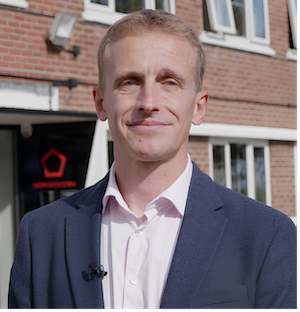
BRIDGWATER, England— November 3, 2026 — Ned Dorbin has been announced as Chief Executive Officer of Nonwovenn and of Technical Materials Group (TMG), as the combined businesses look to accelerate growth, working towards ambitious targets over the next few years.
Ned is familiar with Nonwovenn having spent six years as a non-executive director between 2016 and 2022. He has 19 years of experience as a private equity investor, supporting the growth of businesses across a wide range of sectors with funding and strategic board input.
Ned Dorbin
Nonwovenn and TMG plan to significantly increase their scale over the coming years through a combination of organic growth and acquisitions. As CEO, Ned will be responsible for leading the businesses through this next phase, providing strategic direction and driving commercial performance. His experience of working with management teams, supporting investment decisions and scaling businesses will be central to delivering these ambitions.
Former CEO Andrew Brownlow remains an important part of the leadership team, with an increased focus on strategic projects, capital investment programmes and operational development.
Ned Dorbin, Chief Executive Officer at Nonwovenn and Technical Materials Group, said: “I’m delighted to be joining Nonwovenn and TMG. Having previously worked with Nonwovenn, I know how well positioned the business is to expand and capitalise on the opportunities ahead. I’m excited to work with the team to build on what has already been achieved and deliver our ambitions for the future.”
David Lamb, Chairman of Nonwovenn Picture by Roger Moody / Guzelian
David Lamb, Executive Chairman at Nonwovenn, said: “Appointing Ned is an important step for Nonwovenn and TMG as we look to deliver our ambitious growth plans. We have known Ned for many years and have seen first-hand the commercial insight and strategic leadership he brings to businesses. His experience, combined with his existing knowledge of Nonwovenn, makes him the right person to lead us through its next phase. I would also like to thank Andrew for his leadership and the significant role he has played in creating the strong foundations that we will continue to build on.”
FRANKFURT AM MAIN, Germany — November 3, 2026 — Techtextil and Texprocess 2028 bring relevant market players even closer together. The focus is on the interfaces between materials, technology and processing – where innovations, new applications and business contacts emerge. The optimised hall layout supports this networking across the exhibition grounds, with short distances and an efficient route along the various stages of textile production and processing. Companies can register at early-booking rates until the end of November. The first renowned exhibitors have already registered.
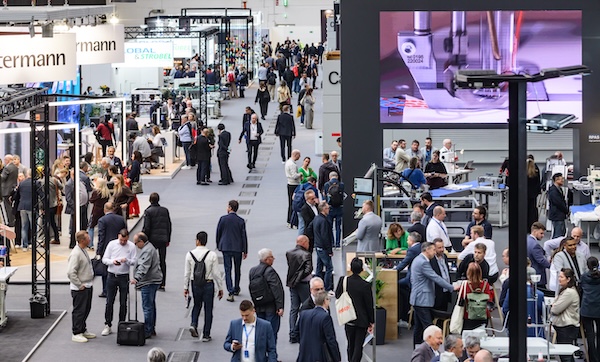
Techtextil-Texprocess 2026 Photo: Messe Frankfurt / Pietro Sutera
Volatile markets, cost pressures and changing supply chains are challenging the global textile industry. At the same time, material innovations and new technologies such as AI are opening up additional applications and business opportunities. Collaboration along the value chain is essential. Techtextil and Texprocess bring together relevant market players in Frankfurt from 4 to 7 April 2028 who are shaping this transformation – from research and technology providers to manufacturers and processors as well as users from a wide range of industries.
A major benefit lies in running the two leading trade fairs concurrently: together, they cover key production and processing stages at a single location, giving exhibitors access to new partners and fields of application beyond their own markets.
Visitor behaviour also shows how closely the potential of the two events is intertwined: in 2026, 87 percent of Texprocess trade visitors also attended Techtextil. Conversely, 68 percent took advantage of what Texprocess had to offer. Around 80 percent of exhibitors achieved their trade fair objectives.
First leading industry players commit to 2028
Right from the start of the registration phase, renowned exhibitors are already committing to Techtextil and Texprocess 2028: Angles Textil / Antex, Beaulieu Fibres International, CHT, Dilo Systems, Getzner Textil, Huvis Corporation, Lenzing, Sioen Industries and Toray Textiles Europe are among the first international market leaders to register for Techtextil. Established industry players such as Kornit, Veit and ZSK Stickmaschinen have also confirmed their participation in Texprocess. Further companies can register without obligation at early-booking rates until 30 November 2026.
Textile round trip from material innovation to processing
In 2028, Techtextil and Texprocess link complementary product areas and processes even more effectively. Spanning five hall levels, the route across the western exhibition grounds follows the textile value chain: it starts with Techtextil’s production technologies in Hall 8.0. From there, the tour leads to fibres and yarns in Hall 12.0, through technical textiles and nonwovens in Halls 12.0 and 12.1, and on to coated textiles and composites in Hall 11.0.
Nearby, Hall 9.0 brings together textile auxiliaries and chemicals for the various production stages, as well as Performance Apparel Textiles close to the relevant finishing processes. The route comes full circle in Hall 8.0, where Techtextil’s production technologies meet Texprocess’ technologies for processing textile and flexible materials. This spatial integration creates direct connections between materials, technologies and processing. Exhibitors benefit from close proximity to relevant suppliers, partners and potential new customers. Trade visitors can find suitable companies more quickly and explore interconnected production stages and solutions in their direct context.
BRUSSELS — November 3, 2026 — ReHubs is proud to continue its collaboration with Textiles Recycling Expo as the Structural Partner for the third consecutive year, reinforcing its commitment to bringing together the organisations, expertise and solutions needed to scale textile-to-textile recycling across Europe.
As preparations begin for the 2027 edition in Brussels, ReHubs is calling on organisations across the textile value chain to contribute their expertise and help shape a conference programme that reflects the industry’s most important challenges, innovations and opportunities.
Béatrice Moureaux, recently appointed CEO of ReHubs, sees the Textiles Recycling Expo as an important opportunity to bring the industry’s different perspectives together and accelerate progress towards commercially viable circularity.
“Europe has made significant progress in developing textile recycling technologies, but innovation alone will not deliver circularity at scale. We need to address the economic and structural barriers that are preventing these solutions from becoming commercially viable. Textiles Recycling Expo provides an important platform to bring the entire value chain together, challenge existing thinking and share practical solutions. ”
Through its continued partnership with the Expo, ReHubs aims to encourage dialogue across the value chain and help ensure that the conference reflects both the challenges facing the sector and the practical opportunities for collective progress.
The Call for Speakers is now open, offering experts the opportunity to present their research, technologies, case studies and insights to a highly engaged audience of recycling professionals, brands, manufacturers, policymakers and investors.
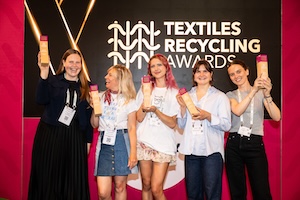
Alongside the conference, entries for the Textiles Recycling Awards are now open. With six categories, free entry, and a live awards ceremony held in the conference theatre during the event, the awards provide an excellent opportunity to showcase achievements and gain industry recognition.
Companies looking to raise their profile can also exhibit at the event. With more than 100 exhibitors already booked, stand availability is becoming increasingly limited, making early booking essential.
ReHubs looks forward to seeing the wider textile recycling community represented across the conference programme, awards and exhibition floor as the industry comes together to drive textile circularity forward.
PHOENIX — November 2, 2026 — Purecare, a wellness-focused bedding brand, has named industry veteran Keith Mackey chief revenue officer, a newly created executive position designed to support the company’s continued expansion in domestic and international markets.
Keith Mackey
Mackey brings nearly 40 years of experience in the furniture and bedding industries, with an extensive background in retail operations, sales leadership, franchise development and strategic account management. His career spans both the retail and wholesale sides of the business, giving him a broad understanding of the strategies that drive revenue growth for manufacturers and their retail partners.
In his new role, Mackey will oversee Purecare’s revenue growth strategies across domestic and international markets, including leadership of the company’s sales organization, account development and customer service initiatives. He will also provide strategic input on product development to ensure the company’s offerings align with retailer needs and market opportunities.
The appointment also brings together Mackey and Purecare Chief Executive Officer Sean Bergman, who have been respected industry colleagues and friends since Bergman worked for Mackey nearly 20 years ago. The two have long shared an interest in working together again, but the right opportunity had yet to emerge.
“I have long looked up to Keith over the years, and he has been a personal mentor to me. I know exactly who he is, the kind of excellence he expects from his team, and the dedication he shows to his customers.” Bergman said. “Purecare has reached a point in our business where we need a seasoned executive leader focused on driving revenue and building on the successful partnerships we’ve achieved. Keith understands this business from every angle, and he knows what retailers need to drive revenue. His experience, relationships and strategic approach make him the ideal person to lead that effort.”
Most recently, Mackey served as chief sales officer for Mattress By Appointment, where he previously held the position of vice president of business development. Earlier in his career, he served as vice president of sales for North America at Protect-A-Bed, leading wholesale sales efforts and supporting the company’s retail distribution network.
Mackey also served as Senior Director of the Strategic Retail Group at Serta Simmons Bedding, where he spearheaded the development and expansion of a dedicated division focused on innovative licensed retail business models. Under his leadership, the division developed and managed multiple retail programs designed to accelerate revenue growth, expand market presence and strengthen brand and category awareness among retailers nationwide.
Mackey also held several leadership positions with Verlo Mattress, advancing from general manager to president. His progression reflected his success in supporting franchise operators and owners, strengthening retail operations and developing strategies to support franchise growth. His earlier career included leadership positions with Mattress Outlet and Heilig-Meyers Furniture.
Together, these experiences have given Mackey a comprehensive perspective on the bedding industry’s retail and wholesale channels, from the day-to-day challenges facing store operators to the sales, merchandising and distribution strategies that support manufacturer growth.
“I’m bringing a 360° perception of consumer, retailer, and wholesale manufacturing and how they all work together, driven not just through experience, but through deep research and analysis,” Mackey said. “I’m excited to share Purecare’s health and wellness story through that lens.”
The appointment comes as Purecare continues to expand its portfolio of wellness-focused bedding products, including mattress protectors, pillows and sheets designed to enhance the sleep environment and create additional sales opportunities for retail partners.
CHARLOTTE, N.C. — November 1, 2026 — Everra, a global supplier of textile fibers and polymers, is celebrating its 50th anniversary in 2026, marking five decades of growth, adaptability and service to the textile industry.
Founded in 1976 as Stein Fibers, the company has evolved from a traditional textile fiber distributor into a diversified global enterprise serving a broad range of markets. Today, Everra operates two primary business segments, textile fibers and polymers, with approximately 170 employees and an extensive international sourcing and distribution network.
The company commemorated the milestone Oct. 20 with a private anniversary dinner in Charlotte, bringing together current and former employees, company founders, family members and industry partners.
“For 50 years, first as Stein Fibers and today as Everra, our company has grown by adapting to change,” said Jaren Edwards, co-CEO of Everra. “We’re proud of that history, and equally proud of the steps we’ve taken since our founders passed us the baton.”
Over the past decade, Everra has pursued a growth strategy combining organic expansion into new markets with strategic acquisitions. Its fiber portfolio has expanded into specialty materials, including aramids, while its polymers business focuses on recycled polyethylene terephthalate (PET), polypropylene (PP) and polyethylene (PE).
The company’s largest textile fiber markets include upholstered furniture and automotive, with growing opportunities in nonwovens, geotextiles, medical products and specialty applications. Its polymers business serves markets including food and beverage packaging.
Headquartered in Charlotte, Everra operates company-owned warehouses in Georgia, South Carolina and New Jersey, along with more than 28 third-party locations across the United States, Canada and Mexico. Its USI manufacturing facility in LaFayette, Ga., employs approximately 75 people, while international offices in China and Mexico support global sourcing and commercial operations.
Everra’s growth builds on the foundation established by longtime business partners Peter Spitalny and Chip Stein, whose commitment to customer service, strong relationships and employee development continues to shape the company’s culture.
Those principles are reflected in Everra’s I.C.A.R.E. core values: integrity, consistency, accountability, respect and empowerment.
The company also maintains a longstanding relationship with NC State University’s Wilson College of Textiles, including support through the Sidney J. Stein Scholarship, established in 2001. Dr. David Hinks, dean of the Wilson College of Textiles, was a guest speaker at the anniversary celebration, highlighting the importance of industry partnerships, workforce development and textile innovation.
Looking ahead, Everra sees continued opportunities in specialty fibers, recycled polymers and value-added distribution services, particularly in markets involving recycled PET.
“Our name says it best. Everra stands for an ‘Ever Evolving World,’ and that idea is at the heart of who we are,” said Robert Taylor, Co-CEO of Everra.
“Ten or 20 years from now, we want Everra to be known as the company that never stopped evolving: the enduring partner that helps customers navigate an ever-evolving world, while staying true to the roots and values that brought us here.”
MILAN — October 29, 2026 — Missoni, an iconic name in Italian fashion, has chosen Kubix Link PLM, the comprehensive and highly configurable cloud solution provided by Lectra – a leading provider of industrial intelligence technology solutions for the fashion industry, to advance the transformation of its processes. Kubix Link proved essential in supporting the internalization of the Missoni Home line, enabling the company to structure new operational workflows, improve information quality and manage activities more smoothly and cohesively, while delivering tangible, measurable results.
“Projects such as the one delivered with Missoni demonstrate how a PLM solution can become a true accelerator of transformation,” comments Antonella Capelli, President of EMEA at Lectra. “Our Kubix Link solution enables companies to address organizational and business changes with agile, scalable tools, ensuring operational continuity, reliable data and effective alignment across business functions and the partner ecosystem. Seeing it successfully support the innovative drive of a historic brand such as Missoni is a great source of satisfaction and pride for us.”
Missoni’s needs
Founded in 1953 by Ottavio and Rosita Missoni, the Missoni brand is today an icon of Made in Italy fashion, internationally recognized for its distinctive use of color, geometric patterns and innovation in knitwear – elements that define an unmistakable style. Over the years, the company has expanded its product universe to include, in addition to men’s and women’s ready-to-wear, sportswear, beachwear, textile accessories and home furnishings.
As part of this journey, Missoni decided to bring the Missoni Home line—dedicated to textiles, accessories and home furnishings—in-house, undertaking a strategic shift that required the internal management of processes previously outside the team’s direct control. This decision highlighted several major challenges: the need to respond quickly, structure new operational workflows and adopt a tool capable of effectively supporting different business departments, including IT, product and production, while ensuring ease of use, rapid user adoption and a scalable architecture that could be easily integrated with existing systems.
Lectra’s support: a scalable PLM foundation to support growth and agility
To meet these needs, Missoni chose Lectra’s Kubix Link PLM, a solution that centralizes all product-related data, integrates easily with existing company systems and is designed to support end-to-end collection management. The relationship has deep roots: Missoni and Lectra began working together in the early 2000s with the introduction of CAD solutions.
Based on industry best practices, Kubix Link PLM supports internal and external teams in aggregating, storing and sharing product data, significantly improving collaboration and production process efficiency. This end‑to‑end connectivity accelerates collection launches while providing a solid data foundation to support traceability, compliance requirements and future regulatory needs across a fast‑moving, regulated supply chain.
“Kubix Link helped us achieve our objectives thanks to its versatility and ability to adapt quickly to our operational needs. One of the most valuable aspects was the ability to implement new functionalities within a short timeframe, combined with timely and effective support,” says Andrea Mariani, IT Business & Omnichannel Manager at Missoni.
Following the analysis phase, implementation began less than a year later. After 12 months, the solution went live with the creation of master data for the new collection.
As a scalable solution, Kubix Link has been progressively adopted by more than 40 users across different business functions—from product development and quality control to merchandising and compliance—creating a shared, integrated work environment. A key element of the project was extending PLM use to the supply chain: over 20 suppliers and subcontractors were given direct access to technical product information, improving alignment and transparency across the entire value chain.
Concrete results and a future-oriented roadmap
Lectra’s Kubix Link PLM integrated easily with other programs already in use within the company and had a positive impact on Missoni’s workflows. By centralizing product information and rolling out the solution across departments, Missoni connected its teams, enabled seamless collaboration, established a shared language and streamlined data exchange throughout the entire product development and management process.
From an operational standpoint, Missoni now manages over 20,000 SKUs (Stock Keeping Units, codes used for inventory control and warehouse management) and creates nearly 1,000 new items each year, while maintaining high system performance even when handling complex multimedia content. Direct access to technical sheets by the supply chain has drastically reduced information exchange via email, standardizing working methods and improving overall efficiency.
One of the most significant benefits is the time saved on product data management and maintenance activities, estimated at around 60%. Additional benefits include the solution’s flexibility, the speed at which new features can be implemented and the continuous support provided by the Lectra team.
Together, these elements enabled Missoni to adapt the system quickly to its operational requirements, accelerate time‑to‑market, and remain agile as business needs evolve.
“For over 25 years, our relationship with Lectra can be summed up in three key words: integration, flexibility and collaboration—the ingredients that also contributed to the success of this project,” adds Mariani. “Looking ahead, we plan to extend the use of Kubix Link to ready-to-wear as well, with the goal of having a single, integrated and scalable platform capable of supporting increasingly complex processes and accompanying the brand’s growth.”
AMSTERDAM — October 29, 2026 — The ZDHC Foundation today launched Version 4.0 of its ZDHC Manufacturing Restricted Substances List (ZDHC MRSL). This update reflects the latest scientific developments and evolving industry needs.
The ZDHC Manufacturing Restricted Substances List provides a harmonised, science-based framework for restricting hazardous substances in chemical formulations used during manufacturing. Unlike traditional Restricted Substances Lists, which focus on finished products, the ZDHC MRSL addresses chemicals at their source, helping to prevent hazardous substances from entering production processes in the first place.
The update was developed through ZDHC’s established MRSL governance process and independently assessed by the ZDHC MRSL Council, drawing on scientific, regulatory and industry evidence as well as stakeholder review.
Independent governance and MRSL CouncilThe updates in ZDHC MRSL V4.0 build on the ongoing review process led by the ZDHC MRSL Council, an independent group of technical experts representing diverse segments of the textile, apparel, leather and footwear industries, alongside other relevant stakeholders.
The Council uses an objective, science-based approach to assess proposed substances and recommend their inclusion in the ZDHC MRSL or MRSL Candidate List. For Version 4.0, this assessment took into account developments in relevant regulatory lists, including Persistent Organic Pollutants (POPs) and Substances of Very High Concern (SVHC), as well as inputs from the ZDHC Chemical Watchlist.
The proposed updates also underwent a stakeholder review to gather broader industry feedback. All substances in ZDHC MRSL V4.0 are relevant to the covered industries, with identified hazards including toxicity to aquatic life, endocrine disruption, and carcinogenicity. This approach ensures that the updated restrictions reflect evolving scientific knowledge, regulatory developments and industry-specific chemical risks.
“With version 4.0, we have added some significant harmful chemicals and, against a backdrop of increasing legislative complexity, we have improved the clarity of the listings to keep its practical application at the forefront. Our goal is to help the industry make better-informed chemical choices and drive meaningful progress towards safer manufacturing.” – Phil Patterson, ZDHC MRSL Council Chair
What changes in ZDHC MRSL V4.0
Version 4.0 introduces 16 new substances not previously covered under ZDHC MRSL V3.1, reflecting evolving industry standards and regulatory requirements. These include bisphenols, formaldehyde, polychlorinated biphenyls (PCBs), and certain UV absorbers, addressing chemical risks such as endocrine disruption, carcinogenicity, and aquatic toxicity.
The update also strengthens existing restrictions by lowering limits for substances including alkylphenol ethoxylates (APEOs), chlorinated paraffins and certain organic solvents.
Three additional substances have been added to the ZDHC MRSL Candidate List for continued monitoring, while two substances have been moved to the Archive List. Titanium dioxide has been removed from the ZDHC MRSL following changes to its regulatory classification.
Alongside these changes, V4.0 updates chemical restrictions, formulation limits, analytical methods and material-specific guidance covering textiles, leather, rubber, foams and adhesives.
It also provides tailored information for suppliers, chemical formulators and testing organisations, outlining considerations and responsibilities for specific substances. Together, these updates strengthen the ZDHC MRSL’s systematic approach to identifying hazardous substances, supporting the transition to safer alternatives and maintaining transparency as scientific knowledge and industry practices evolve.
Managing PFAS: intentional use and unintentional contamination
ZDHC MRSL V4.0 sets defined limits for unintentional contamination by per- and polyfluoroalkyl substances (PFAS), including 25 µg/kg for individual PFAS, 250 µg/kg for the sum of PFAS, and 50 mg/kg for total fluorine content.
It also confirms that intentionally added PFAS are not permitted in MRSL-conformant chemical formulations.
Alongside the MRSL update, ZDHC is publishing its PFAS position paper and practical interpretations. Using the OECD’s 2021 definition, the paper reinforces ZDHC’s position against the intentional use of PFAS across the textile, apparel, leather and footwear supply chain.
It provides practical guidance on assessing ZDHC MRSL conformance, distinguishing intentional use from unintentional contamination and addressing the limitations of current analytical testing methods.
The approach is designed to build, wherever technically appropriate, on existing industry practices, recognised certification schemes and available analytical evidence rather than create unnecessary duplication. This supports more harmonised implementation across the value chain while maintaining the assurance level needed for credible MRSL conformance.
What this means for industry and implementation
ZDHC MRSL V4.0 provides clearer guidance for brands, suppliers, chemical formulators, certifiers, and testing organisations on how to apply the updated requirements.
Where credible evidence already exists through recognised industry systems, the intention is to make appropriate use of that evidence rather than create parallel requirements.
ZDHC will continue to work with chemical formulators, suppliers, testing organisations and certification bodies to support consistent implementation as science, regulation and analytical capabilities evolve.
A defined implementation and transition approach will help stakeholders adapt formulations, testing, certification, and ZDHC Gateway processes to the updated requirements.
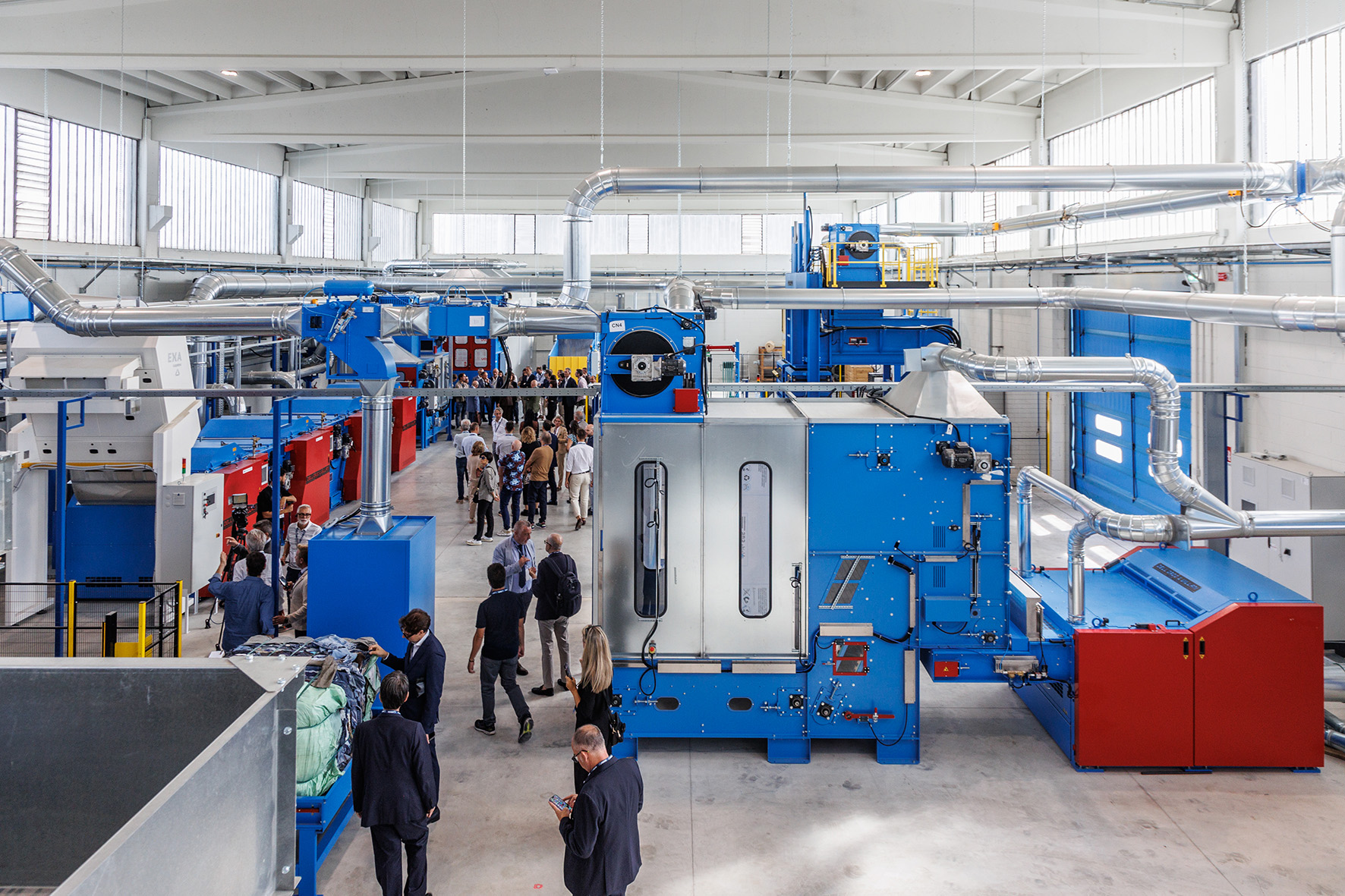
ALTSHAUSEN, Germany — October 13, 2026 — STADLER Group, the globally active German company specialized in the planning, production and assembly of turnkey sorting plants, has acted as technology partner to IGERS s.r.l. in the development of its new textile recycling plant in San Pietro Mosezzo, in the province of Novara, Piedmont. STADLER supported IGERS throughout the design phase, from the earliest discussions on process requirements through to a plant layout designed to fit the existing building. It integrated key treatment equipment purchased by IGERS so that the individual process steps work together as one system, and designed and supplied the fully automated sorting line.
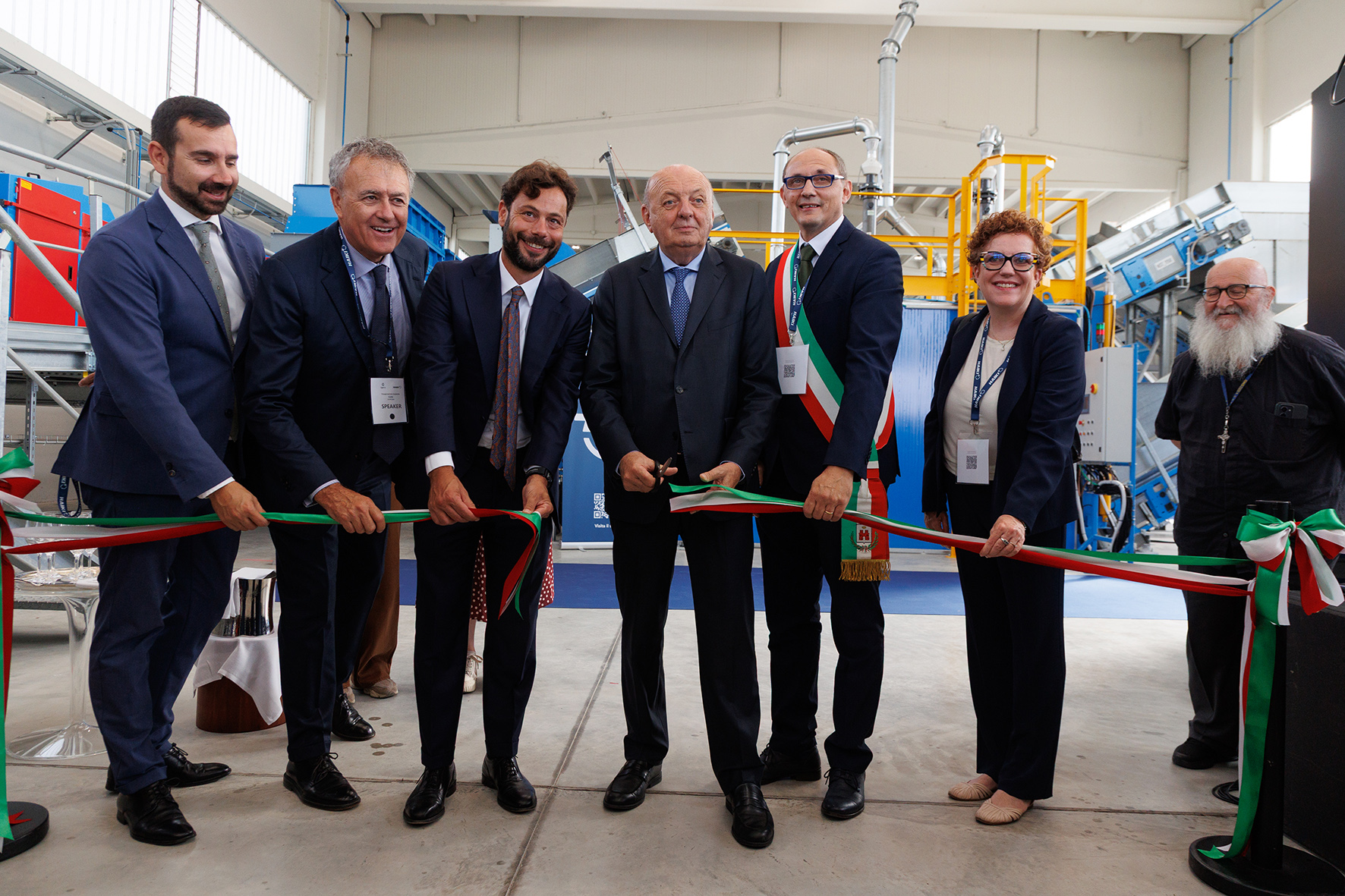
Ribbon-cutting ceremony at the IGERS textile sorting plant in Italy, attended by Italian Environment Minister Gilberto Pichetto FratinRibbon-cutting ceremony at the IGERS textile sorting plant in Italy, attended by Italian Environment Minister Gilberto Pichetto Fratin
“STADLER worked with us not simply as a supplier, but as a technology partner, understanding the specific requirements of a project that is both new and ambitious within the Italian context,” says Gian Luca Miceli, CEO of IGERS.
Inaugurated on 21 September 2026, the San Pietro Mosezzo facility is the first plant in Italy to include all treatment phases of textile recycling, producing high-quality flakes and frayed material suitable for the spinning industry from post-consumer and post-industrial textile waste, with full traceability throughout the entire process. It has a capacity of 4 t/h and is authorized to process up to 19,200 tonnes of textile waste per year. The total investment amounts to approximately €8 million, with €1.3 million in co-financing from Italy’s National Recovery and Resilience Plan (PNRR). The plant comes at a time when textile recycling is gaining increasing importance across Europe. New requirements for separate textile collection and Extended Producer Responsibility are increasing the need for industrial solutions capable of sorting and preparing textile waste for high-quality recycling.
A patented process for a complex waste stream
IGERS Textile Sorting Plant by STADLER – Opening Tour in San Pietro Mosezzo, Italy
Textile waste is highly heterogeneous, combining different fibers, composite materials, accessories and contamination, with widely varying quality levels. At the same time, there is a growing need for transparency about how material is sorted and its final destination. IGERS has responded by designing a complete process of its own, patented in Italy, that runs from the initial buffer through sanitizing, sorting and tearing to the final output.
“The distinctive value of our process lies in the integration of impurity separation, technology-based material sorting, mechanical regeneration and digital traceability,” explains Gian Luca Miceli. “We do not consider these stages as isolated activities: they are parts of a single system that enables more accurate decisions to be made about the destination of each material stream.”
“The opening of the San Pietro Mosezzo plant represents IGERS’ transition from vision to industrial capability,” he adds.
A reliable partner for an emerging sector
Textile recycling is a sector still in its early stages, with limited prior knowledge to draw on. Developing an industrial solution for textile recycling requires not only sorting technology, but also extensive expertise in plant engineering, material handling and system integration.
“We chose STADLER because we were looking for a partner with international experience and a proven ability to translate complex requirements into a reliable engineering solution,” says Gian Luca Miceli. “In a project like this, technology is fundamental, but technology alone is not enough: you also need a structured approach, responsiveness, rigorous interface management and attention to detail.”
The project called for a significant coordination effort to bring together all the suppliers involved and harmonize the existing components, as well as a plant design offering maximum flexibility in sorting operations.
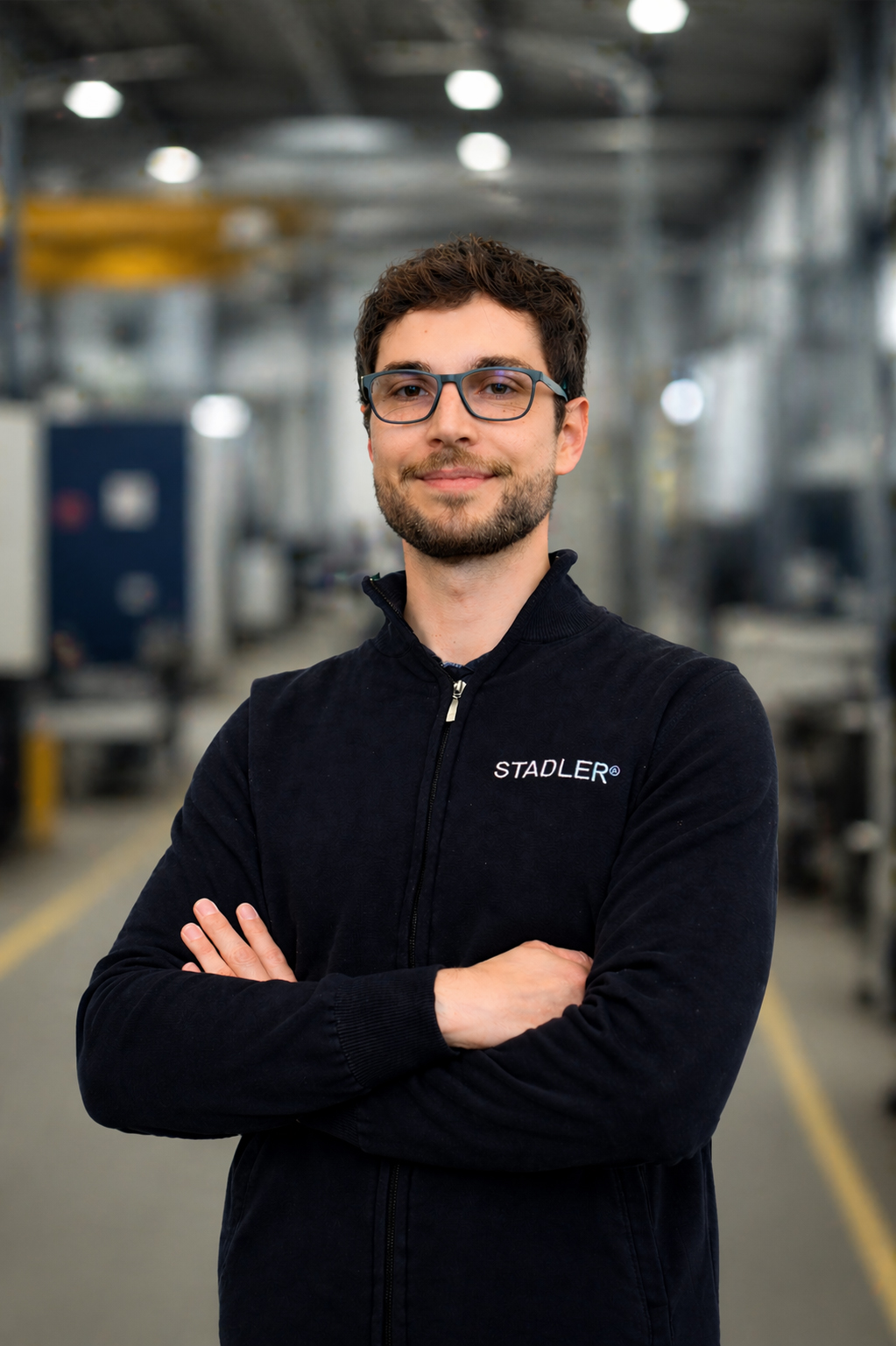
Matteo Zaninelli, Project Manager at STADLER
“IGERS approached us looking for a reliable partner who could turn their ideas into a real, scalable industrial solution,” says Matteo Zaninelli, Project Manager at STADLER. “At the beginning, we focused mainly on the process: what IGERS wanted to achieve, the characteristics of the material and the required outputs. From there, we started developing the flow diagrams, selecting the most suitable equipment and finally, designing the complete layout around the available building. It was very much a step-by-step development, with IGERS bringing its knowledge of textile recycling and STADLER contributing its experience in plant engineering, material handling and sorting.”
Joining forces to tackle an unpredictable material
“Textiles present very specific handling challenges,” explains Matteo Zaninelli. “They are soft and flexible; they come in many different shapes and sizes; and they can fold, overlap or become entangled.”
Understanding how the material behaves was a joint effort. STADLER carried out extensive trials at its Test Center, while IGERS conducted many tests of its own and shared considerable practical knowledge. The results helped define the most suitable configurations for feeding, dosing, conveying and distributing textiles throughout the plant. The positioning of the dosing units and the design of their distribution hoppers were specifically studied around the behavior of textile material. “These may seem like relatively small details, but they have a significant impact on the stability of the material flow and therefore on the performance of the entire sorting process,” Zaninelli notes.
One integrated system with two-stage NIR sorting
The STADLER sorting line comprises two dosing units, two TOMRA NIR optical sorters and 16 conveyors. Its main role is to prepare textile material for the subsequent recycling stages.
The quality of separation is particularly important, as different textile fractions may have different destinations and require different downstream treatments. The line also provides a continuous, homogeneous material flow, creating more stable conditions for the downstream equipment and supporting both process efficiency and the quality of the final fractions.
In the initial sorting stage, the first NIR sorter separates pure textiles, such as 100% cotton or 100% wool, from blended textiles and impurities. While the high-value pure fractions are stored in a buffer, the second NIR sorter separates the mixed textile stream from impurities and non-conforming materials, such as pieces of hangers and leather. In the second stage, the buffered material is recirculated through the same sorting equipment, with the NIR sorters configured to separate it according to fiber type.
Flexibility, one of IGERS’ key requirements, was built in from the start. The plant is designed to handle different incoming textile streams and throughputs, while giving IGERS the freedom to decide what happens to each output fraction – whether it goes to the baler, one of several storage containers, a recirculation buffer, or the fiber-opening process. “This gives IGERS the possibility to adapt the plant to different materials and sorting strategies, which is particularly important in a market that is still evolving rapidly,” says Zaninelli. The line is fully automated and requires just one plant manager, who starts and stops it and adjusts the NIR sorters’ settings as needed.
Building the foundations for textile circularity
“Our objective is to consolidate San Pietro Mosezzo as a leading industrial and technological platform,” says Miceli. “Building on this foundation, we intend to progressively develop additional recycling hubs, in line with the availability of material streams, regional requirements and demand for high-quality recovered materials.”
For STADLER, the IGERS project builds on experience gained through previous textile sorting projects, combined with its extensive expertise in plant engineering and system integration. The project further strengthens STADLER’s know-how in developing integrated solutions for textile sorting and recycling.
“The plant built for IGERS demonstrates that textile recycling requires not only high-performance machinery, but also a strong ability to integrate different technologies, specialized engineering expertise, and a plant design capable of adapting to complex and variable material flows,” says Matteo Zaninelli. “In this sense, the project is a concrete example of how we can support the development of industrial infrastructure for a sector that is expected to grow rapidly in the coming years.”
“We expect textile sorting and recycling to become increasingly industrialized,” he concludes. “Sorting technology has to develop together with the recycling processes it is feeding. Ultimately, our job is not simply to separate textiles, but to provide downstream processes with the right material, at the right quality, and in a consistent way.”
Posted: November 3, 2026
Source: The STADLER Group / STADLER Anlagenbau GmbH
MANCHESTER, UK — October 28, 2026 — Over this summer, Roaches International – a member of the British Textile Machinery Association (BTMA) – has dispatched its largest integrated order for textile laboratory equipment to date.
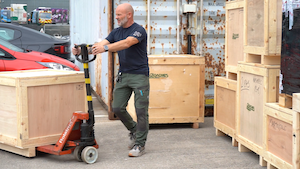
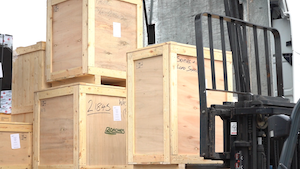
A total of 19 testing machines weighing more than two tons have been delivered for a new lab being established by Indonesia’s Alia Digital Printex, demonstrating the British manufacturer’s ability to supply complete testing facilities rather than just individual instruments.
A total of 19 testing machines were dispatched on the 12,000 mile journey.
Established in Jakarta in 2017, Alia Digital Printex specialises in digital textile printing and fabric production, particularly for scarves, hijabs, prayer garments and apparel.
Employing more than 500 people, it has a printing capacity of 18,000 metres of fabric per day and serves fashion brands in Indonesia and international markets.
The new lab will support its expanding manufacturing activities and requirements for consistent fabric quality and performance.
Working with its Indonesian partner PT. Kawan Era Baru, Roaches has coordinated the project from design and equipment specification through to manufacturing, dispatch and on-site engineering support.
Connected future
The order also highlights the advantages of sourcing a complete testing laboratory from a single supplier as textile manufacturers move towards more digitally integrated quality control operations.
Looking ahead, artificial intelligence is predicted to accelerate this transition, enabling information from previously independent instruments to be combined and analysed to identify relationships between fabric properties, processing conditions and finished product quality.
A single supplier can offer benefits in equipment standardisation, operator training, maintenance and technical support, while potentially providing a more consistent foundation for future data integration.
Roaches has coordinated the project from design to on-site engineering support.
“This is a particularly significant project for Roaches, not simply because of its scale, but because it demonstrates the advantages of working with a single supplier to establish a complete textile testing laboratory,” says Roaches marketing executive Seth Seagraves. “As artificial intelligence becomes increasingly important in textile manufacturing, we believe laboratories will need to move beyond treating individual testing machines as isolated pieces of equipment. The real opportunity is to connect the information they generate, enabling manufacturers to build a much more comprehensive picture of fabric quality and performance.
“Having equipment supplied and supported by one specialist partner provides a strong foundation for that transition. At the same time, we are continuing to develop technologies such as our Martindale AXYZ and Sentire systems, which demonstrate how digital control and objective measurement can improve laboratory operations.”
BTMA CEO Jason Kent
“This substantial order is another excellent example of the international reputation British textile technology companies have built through innovation, engineering expertise and customer support,” adds BTMA CEO Jason Kent. “Roaches International is demonstrating how established testing technologies can evolve to meet the demands of an increasingly digital textile industry, while continuing to win significant business in highly competitive overseas markets. It’s exactly the kind of success we work to support our members achieving.”
Posted: November 3, 2026
Source of the British Textile Machinery Association (BTMA)
NEW ZEALAND— October 28, 2026 — Nuyarn® Technologies, a proven innovator in performance yarn and fabric, is proud to announce an official partnership with YETI to integrate advanced merino wool into the brand’s performance apparel line.
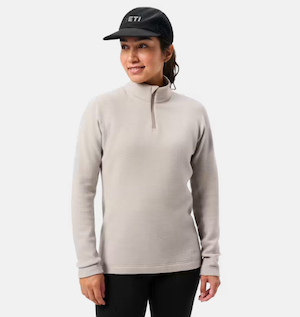
Marking a major category expansion for the publicly traded cooler and drinkware giant, YETI has integrated Nuyarn’s proprietary spinning technology into two new merino styles. The debut collection features the Caprock Merino 250 Quarter-Zip, a versatile midweight layer utilizing a waffle-knit construction, alongside the Hueco Merino 310 Full-Zip, a heavyweight piece delivering a soft, cozy feel with advanced stretch, breathability, and moisture-wicking performance.
Nuyarn upgrades the YETI collection beyond conventional spun merino to deliver 9x greater durability, 35% more thermal retention, and triple the drying speed with a 30% reduction in material use.
“Partnering with a brand like YETI, which shares our foundational pillars of durability and high performance, is a natural progression for Nuyarn,” said Andy Wynne, CEO of Nuyarn. “We are proud to integrate our advanced technology into this debut collection and have further styles in development. We fundamentally believe our merino technology sets a new standard that belongs to anyone, from elite athletes to those seeking unmatched comfort and resilience in their daily wear.”

 BRIDGWATER, England— November 3, 2026 — Ned Dorbin has been announced as Chief Executive Officer of Nonwovenn and of Technical Materials Group (TMG), as the combined businesses look to accelerate growth, working towards ambitious targets over the next few years.