Freudenberg Performance Materials Brings Interlining Production To Vietnam For Faster Regional Supply

WEINHEIM, Germany — November 16, 2026 — Freudenberg Performance Materials Apparel (Freudenberg Apparel) has expanded its manufacturing capabilities in Vietnam with local apparel interlining production at its factory in Long Thanh, Dong Nai. Apparel brands and manufacturers in Southeast Asia can now source both interlinings and comfortemp® thermal insulation from Vietnam, benefiting from shorter lead times, improved supply responsiveness, and consistent quality standards across Freudenberg Apparel’s regional manufacturing network.

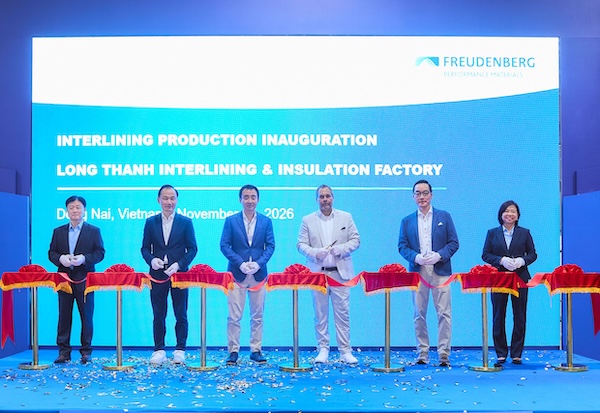
Freudenberg brings interlining production to Vietnam photo
From left: Mr. Kwangwoo Han, Head of Long Thanh Factory, Apparel Vietnam, Freudenberg Performance Material, Edmond Ng, Sales Director, Apparel Asia, Freudenberg Performance Material, Masahiro Nakano, Vice President & CFO, Apparel, Bags & Footwear Division, Freudenberg Performance Material, Dr. Andreas Raps, CEO, Freudenberg Performance Materials, Jonathan Oh, General Manager SVP & General Manager Apparel, Bags & Footwear Division Freudenberg Performance Materials, and Duyen Tran, Managing Director, Apparel Vietnam, Freudenberg Performance Materials.

Located near Ho Chi Minh City, the factory manufactures polyester bi-elastic woven interlinings and weft-inserted interlinings for a broad range of apparel applications including formalwear, business attire, casualwear, uniforms, sportswear, and premium fashion garments. These products deliver excellent fit, dimensional stability, stretch performance, shape retention, and long-lasting garment durability. The site also produces comfortemp® loose-fill and fiberball thermal insulation solutions.

Faster delivery backed by regional manufacturing

With the new local interlining production in Vietnam, Freudenberg Apparel can reduce lead times for customers in Southeast Asia to around one week. The factory further strengthens the company’s manufacturing footprint across Asia, complementing production sites such as those in China, India, and South Korea.

Interlinings and comfortemp® thermal insulation are manufactured according to harmonized specifications, processes, and quality standards throughout the region. This enables customers to source consistently manufactured products from different Freudenberg Apparel locations.

Jonathan Oh, Senior Vice President and General Manager, Apparel, Bags & Footwear at Freudenberg Performance Materials, said: “Vietnam has become one of the apparel industry’s key manufacturing hubs, and many of our customers produce there. By manufacturing interlinings locally, we are closer to our customers, can supply them faster and strengthen supply chain resilience. At the same time, the Vietnam site is part of our established manufacturing network, giving customers access to our global expertise and technical innovation.”

Expanding local capabilities

Freudenberg Apparel established its first production site in Vietnam in 2024 with comfortemp® loose-fill insulation, followed by comfortemp® fiberball insulation in 2025. The addition of interlining production broadens the site’s capabilities, making Vietnam an important manufacturing location for both interlinings and thermal insulation within Freudenberg Apparel’s Asia network.

Posted: November 17, 2026

Source: Freudenberg Performance Materials Holding GmbH 

unspun Appoints Chuck Shehadi As Chief Executive Officer

EMERYVILLE, Calif. — November 16, 2026 — unspun, the B Corp behind OneWeave™ 3D weaving, has named Chuck Shehadi as Chief Executive Officer. He succeeds Arne Arens, who has relocated to Europe and now serves as Chair of the Board.

unspun - Chuck Shehadi
Chuck Shehadi

Shehadi brings more than two decades of experience scaling manufacturing and supply chains through periods of rapid growth. He was most recently Chief Operating Officer at Solugen, and previously held senior operations, procurement and supply chain roles at Zoom, Manduka, Nike, Tesla and Apple, including global purchasing at Tesla and global supply management at Apple.

His appointment comes as unspun moves from proving its technology to deploying it globally. The company’s first machine customer is Arvind Limited, one of India’s leading textile-to-retail conglomerates, which is deploying OneWeave™ machines at its facility in Ahmedabad, India. OneWeave™ 3D weaves yarn directly into three-dimensional garment forms, bypassing most cutting and sewing to enable local, on-demand production.

“Long lead times are the apparel industry’s most expensive problem. Brands commit to product a year or more before it sells, then pay for every wrong guess in markdowns and unsold inventory,” said Shehadi. “OneWeave™ changes that. Our technology lets brands produce close to their consumers and respond to demand in weeks. By taking out the guesswork, OneWeave™ enables a lower total cost of ownership, and onshore manufacturing becomes a more cost competitive solution for brands than producing overseas. Our technology is an accelerator to bring apparel manufacturing back to the United States and Europe.”

“We were looking for someone who knows how to build and scale,” said Beth Esponnette, Co-Founder and Chief Product Officer of unspun. “Chuck has done that at Tesla, Apple and Zoom. He knows what it takes to bring new technology into factories and make it work at scale. That’s exactly what we need as unspun enters its next chapter.”

Posted: November 17, 2026

Source: unspun

Building the Textile‑to‑Textile Circularity Ecosystem: Regional Partners Add New Equipment to Ultimately Reduce Textile Waste

MORGANTON, N.C. — November 16, 2026 — Goodwill Industries of Northwest North Carolina, UpCycle Fiber Inc., Material Return, the NSF Textile Innovation Engine of North Carolina, and The Industrial Commons are building a connected regional system that brings together the multiple capabilities needed to eliminate textile waste by maximizing reuse and resale and then turning the remaining textiles into resilient recycled raw materials.

Textile‑to‑textile circularity requires more than a single technology or organization. It depends on connecting collection, resale, sorting, deconstruction, fiber processing, and manufacturing capabilities so materials can move efficiently toward their highest‑value next use.

The North Carolina Textile Innovation Engine, working with Goodwill Industries of Northwest North Carolina, UpCycle Fiber, Material Return and The Industrial Commons, is helping build that connected regional system by bringing together organizations with complementary expertise, infrastructure and resources.

This Textile to Textile Ecosystem approach follows a clear hierarchy: maximize reuse and resale first, then identify the highest‑value pathway for the materials that remain.

Each partner contributes a complementary capability to that pathway, allowing materials to move from collection and resale through identification, sorting, and processing, and ultimately back into raw materials for new textile manufacturing. Building those connections, and filling gaps where capabilities do not yet exist, is central to creating a viable textile‑to‑textile circularity ecosystem.

One of those gaps is being addressed this year through the addition of advanced textile sorting and processing equipment from leading providers of systems used for textile identification, sorting, fiber recovery, and processing.

The new equipment at UpCycle Fiber and Goodwill will add a combined textile sorting capacity of approximately 4,400 pounds per hour, with the potential to sort up to 37 million pounds annually at full utilization. Using near‑infrared (NIR) spectroscopy and automated sorting technology, the systems will identify and sort textiles based on up to 20 attributes, including fiber composition and color. These capabilities will help direct recovered materials toward their highest‑value next use, supporting textile reuse, recycling and the development of new products.

Funding for the new equipment includes support from the U.S. National Science Foundation through the North Carolina Textile Innovation Engine, alongside resources provided by other public, private, and organizational partners.

For Goodwill Industries of Northwest North Carolina Inc., which manages more than 32 million pounds of textile material each year, the equipment adds an important capability to its existing collection and resale operation. Resale remains the priority whenever possible. For textiles that cannot remain in that stream, automated sorting can identify characteristics including fiber composition and color, providing the information needed to enable textile recycling and to drive financial sustainability goals.

Once those materials are identified and separated, other partners in the network can provide the next stages of processing and manufacturing.

“Our first goal is always to find the highest and best use for donated products, and for textiles that means keeping them in use through resale for as long as possible,” said Barbara Maida‑Stolle, President and CEO of Goodwill Industries of Northwest North Carolina. “This new equipment gives us the ability to sort the remaining textiles by content to direct those textiles toward responsible recycling and new material pathways.”

Once materials are identified and separated, other key partners provide the processing and manufacturing capabilities needed to move them into new uses.

UpCycle Fiber is expanding capabilities to deconstruct recovered textiles and process them into fiber for new applications, including nonwoven materials and new yarn development.

Innovation in mechanical recycling and nonwoven manufacturing creates scalable pathways for transforming recovered textiles into high‑value materials and products. Alongside emerging chemical recycling technologies, these capabilities are essential components of a circular textile economy. Support from the NSF Textile Innovation Engine, combined with investment in state‑of‑the‑art sorting equipment, will enable the development of differentiated fiber streams for both yarn spinning and nonwoven applications.

“The challenge is not simply collecting textile waste or finding ways to process it. The real challenge is creating reliable offtake for the recovered fiber,” said David Culp, Co‑Founder and Chief Operating Officer of UpCycle Fiber. “Trying to force this fiber into existing markets and compete with established materials is not a long‑term strategy for success. We need to engineer new products and applications that can consume this feedstock at scale and create real value from it. That is what we are building at UpCycle Fiber.”

Material Return, powered by The Industrial Commons, builds on that pathway with expertise in fiber recovery and circular yarn spinning production, using their mechanical recycling expertise to focus on predominantly natural fibers. Material Return can now deconstruct post‑consumer sorted textiles, as well as post‑production material, and can convert those recovered textiles into customized, high‑quality recycled yarn.

Together, those capabilities create a pathway that no single piece of equipment or individual organization could provide on its own, connecting collection and resale with sorting, processing, and ultimately new manufacturing applications.

“Textile waste is not a problem any one organization can solve alone,” said Anne Wiper, CEO of the North Carolina Textile Innovation Engine. “The opportunity is to connect organizations that each hold a different piece of the solution. Goodwill Industries of Northwest North Carolina brings deep expertise in collection and resale, UpCycle Fiber brings innovation and expertise in nonwovens, Material Return brings expertise in mechanical recycling and customized circular yarn production. By connecting those strengths, we can keep more material in use and create textile to textile solutions.”

The collaboration reflects a central role of the Textile Innovation Engine: identifying gaps within the regional textile ecosystem and helping bring together the partners, de‑risk investment in infrastructure, and bring together expertise in science and technology needed to address them.

Rather than creating isolated solutions, the partners are building a coordinated regional ecosystem in which materials, information and capabilities can move between organizations.

Because of its textile heritage, this region is uniquely positioned to achieve something that has not been done before in the U.S. and is creating a model that can be shared across the country.

The goal is to create reliable textile‑to‑textile pathways that keep materials at their highest value for as long as possible, and return recovered textiles to manufacturing as inputs for new products.

Posted: November 17, 2026

Source: The Textile Innovation Engine of North Carolina

ASTM International Explores Formation Of New Industrial Hemp Committee

ASTM International logoW. CONSHOHOCKEN, Pa. — November 16, 2026 — ASTM International is exploring the establishment of a new committee dedicated to hemp products, with a virtual meeting scheduled for Dec. 16, 2026. The proposed committee’s scope will include farm products and raw hemp ingredients for food, textiles, plastics, building and construction, and more.

Hemp products have thousands of practical applications in different fields. In agriculture, it is used for phytoremediation and cropping systems, in the industrial space, its uses include nutrition, fuels, animal feed, and textile applications, and it has various other developing applications in construction and energy sectors. A new committee would support research, technical applications, and collaboration to explore hemp standardization.

“It’s not unusual to hear that hemp has 50,000 uses,” says Hunter Buffington, chair of subcommittee D37.07 on industrial hemp. “Our hemp industry has a world of opportunities, applications, and sectors with which we will partner. I believe that this committee will create a new, centralized home for businesses and technical experts who can address the gaps in research and standardization for industries wanting to use hemp as an ingredient or input. The formation of one space for this activity will be impactful for our stakeholders spread out across these industries.”

Buffington also highlights several top priorities for a new committee, with the goal of integrating hemp into existing industries and supply chains. Work is ongoing to build foundational tests and methods needed to understand the characteristics and properties of hemp materials. In the existing hemp industry, the committee would plan to use standards to further global harmonization of hemp materials and explore developments in food, feed, and fuel. Hemp standards will also play a role in the emerging bioeconomy and biosystems, through sustainable textiles, paper, packaging and industrial applications for its phytochemicals.

To participate in the discussion related to forming the new committee, please register for the upcoming meeting on Dec. 16, 2026 at:

https://astm.webex.com/weblink/register/rbe53d306443da25045ef37d4936cd5f1

If you are an expert in agriculture, architecture, and sustainability, or a professional in policy and academia you are encouraged to join.

Posted: November 17, 2026

Source: ASTM International

New AAFA Study Identifies Opportunities To Strengthen Textile-To-Textile Recycling In The CAFTA-DR Region

WASHINGTON, D.C.— November 16, 2026 — The American Apparel & Footwear Association (AAFA) today released a pioneering study written by Emilie Delaye and Dr. Sheng Lu examining the current state of textile-to-textile recycling capacity in the CAFTA-DR region and identifying key opportunities and challenges for future expansion: “Strengthening Textile to Textile Recycling Capacity in the U.S.-Dominican Republic-Central America Free Trade Agreement (CAFTA-DR) Region.”

With over 90 million tons of textile waste produced globally each year, fashion and apparel companies are actively exploring textile-to-textile (T2T) recycling as a method to reduce the impact of end of life textiles. At the same time, recent changes in trade policy are reshaping American companies’ sourcing strategies, and member countries of the Dominican Republic-Central America Free Trade Agreement (CAFTA-DR) have emerged as important nearshoring destinations that can support fashion companies in advancing both their sustainability and sourcing goals.

“As companies continue to look for practical sustainability solutions and new nearshoring opportunities, there is a clear opportunity to support American apparel businesses in advancing both goals within one region,” said AAFA Senior Director, Sustainability, Chelsea Murtha. “This unique study examines how trade policy can serve as a tool to expand textile-to-textile recycling capacity. The University of Delaware has done essential work identifying how the region is already succeeding in T2T recycling, where opportunities exist to expand that capacity, and what is needed to help U.S. businesses take advantage of them.”

“Strengthening Textile to Textile Recycling Capacity in the U.S.-Dominican Republic-Central America Free Trade Agreement (CAFTA-DR) Region,” finds that the CAFTA-DR region possesses several important advantages for developing an integrated T2T recycling ecosystem. Existing textile and apparel manufacturing capacity, geographic proximity to the U.S. market, preferential market access under CAFTA-DR, and growing interest in nearshoring all provide a strong foundation for future growth.

The study also identifies several structural challenges that could affect the future competitiveness of T2T recycling in the CAFTA-DR region. These include the compatibility of existing CAFTA-DR rules of origin with recycled-content products, uncertainty regarding customs classifications for recycled materials, and the need for greater regional supply-chain integration.

The study outlines three key recommendations to support the growth and success of textile-to-textile recycling in the CAFTA-DR region:

  • Leveraging trade policy to drive demand through market-based incentives and tariff reductions.
  • Clarifying rules of origin and customs procedures to better accommodate and promote recycled-content products and T2T recycling supply chains.
  • Strengthening regional partnerships and investment by exploring innovative financing mechanisms to attract investment and accelerate the commercialization of T2T recycling in the region.

Posted: November 17, 2026

Source: The American Apparel & Footwear Association (AAFA)

Lenzing Invests $31 Million To Strengthen Specialty Fiber Capabilities For Nonwovens In Mobile, USA

LENZING, Austria — November 12, 2026 — The Lenzing Group is investing EUR 27 mn (USD 31 mn) to expand specialty fiber capabilities at its production site in Mobile, Alabama, USA to reinforce it’s long-term commitment to the nonwovens business. In line with the “Grow NW. Reset TX.” strategy, the investment will strengthen the site’s role in Lenzing’s global Nonwovens business and support the development of customized, wood-based fiber solutions for specialty nonwovens applications.

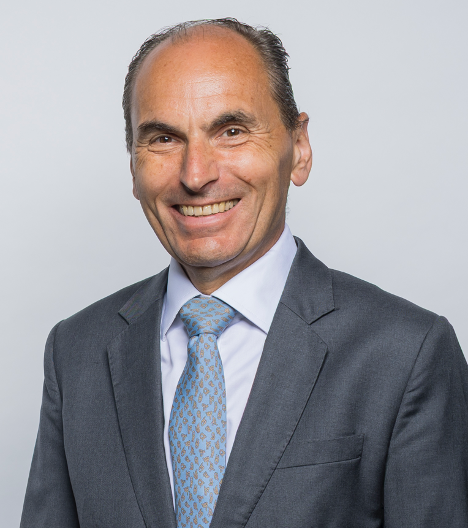
Georg Kasperkovitz

“Nonwovens are a strategic growth area for Lenzing, and our investment in Mobile reflects our strong commitment to expanding our capabilities in this business and strengthening Lenzing’s presence in the Americas and globally,” says Georg Kasperkovitz, CEO of the Lenzing Group. “The investment will expand Mobile’s capabilities in specialty fibers, including lyocell short-cut fibers, and future innovations. This will enable Lenzing to offer a broader range of specialty fibers for nonwovens.”

Patricia A. Sargeant, Executive Vice President Nonwovens at Lenzing AG

“With enhanced capabilities in Mobile, we will be better positioned to support our customers in developing innovative solutions and create value for our customers,” says Patricia A. Sargeant, EVP Global Nonwovens at Lenzing. “This investment creates new opportunities for closer collaboration and bringing differentiated solutions to the market while promoting the replacement of fossil-based fibers with wood based fibers in nonwoven products.”

The Mobile investment is part of Lenzing’s EUR 50 mn investment program for its Nonwovens business, which also includes EUR 23 mn previously announced for expanding production capabilities at the Lenzing site, Austria. Together, these investments demonstrate Lenzing’s long-term commitment to advancing innovation and supporting growth in specialty fiber markets for nonwovens.

Posted: November 15, 2026

Source: Lenzing Aktiengesellschaft

More Freedom For New Spacer Fabrics: KARL MAYER’s Innovations In The Spacer Fabric Sector At ITMA ASIA 2026

OBERTSHAUSEN, Germany — November 11, 2026 — Productivity, flexibility, and above all, new possibilities in textiles: With two new Jacquard double needle bar raschel machines, KARL MAYER is setting the tone for spacer fabrics for footwear and sportswear at an in-house product show during ITMA ASIA 2026. The wireless Jacquard control system plays a key role here, not only simplifying operation but also opening up new possibilities for patterning, functionality, and future machine designs.

The following is an interview with Kay Hilbert, Global Head of Design Fabrics & Specials at KARL MAYER. Hilbert explains more about this solution and the new models.

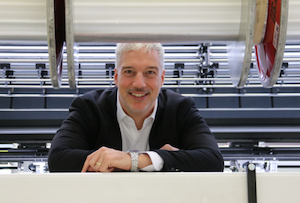
KARL MAYER - Kay_Hilbert_1 cropped
Kay Hilbert, Global Head of Design Fabrics & Specials

Question – At the upcoming ITMA ASIA, you will be showcasing several world-first innovations in RD machines, thereby demonstrating your strength in the field of spacer fabrics. What market requirements are the focus of these new developments?

Hilbert – Our new Jacquard double-needle bar raschel machines are specifically designed to meet the needs of the footwear industry. The key priorities here are efficient production, flexibility, and design versatility. Our machines offer all of these. They produce innovative products with the highest quality and profitability.

The new RDJ 7/3 and RDJ 6/2, presented at our ITMA-accompanying product show at KARL MAYER (China), are extremely versatile and up to 70% more productive than comparable machines on the market. The shorter production times help our customers respond more quickly to new market demands and produce even smaller run lengths cost-effectively.

At the same time, the machines open up significantly more creative freedom. On the seven-bar RDJ, for example, functional zones and integrated patterns for improved stability or breathability can be designed with significantly more intricate contours and a wider variety of options than ever before. Hole designs with nearly round and larger openings, multidimensional surfaces, embossed effects, and a wide range of color variations further expand the design spectrum. This enables our customers to bring ideas to life that, in some cases, haven‘t even been conceived yet.

The RDJ 6/2 in gauge E 32 adds another distinguishing feature: an exceptionally fine fabric appearance. We are seeing a clear trend toward finer fabrics and the use of finer yarns. Our E-32 WARP KNITS in particular, offer a cost-effective alternative to circular-knits for garments and open up new application possibilities in the outerwear sector. We‘re showcasing these new possibilities with a new generation of shoe fabrics from our globally networked TEXTILE INNOVATION CENTER, which were also presenting at ITMA ASIA.

Question – KARL MAYER has been developing and manufacturing double needle bar raschel machines for several decades and continues to set new trends, particularly in the area of 3D shoe fabrics. In which technological topics do you currently see the greatest potential for the future?

Hilbert – A key focus of our innovation efforts is the wireless piezo control of the Jacquard bars. Instead of using cable systems, the actuators are controlled via conductive tracks embedded in the bars. This significantly reduces the amount of manual handling required on the machine.

For example, when retrofitting a machine, up to 240 cable strings, each with 17 ribbon cables, previously had to be managed. With Wireless Jacquard, this process is significantly faster and easier: the piezo elements are simply plugged in. Replacing them in the event of a malfunction is also much less complicated. At the same time, operators have better access to the threads running into the knitting zone.

For us as machine builders, however, the truly great potential goes beyond handling. Wireless Jacquard opens up entirely new opportunities in terms of machine design and pattern creation. The wireless system creates space for more than two Jacquard bars and enables the split Jacquard to operate counter-lapped. This creates new degrees of freedom for the production of spacer fabrics with looks and functions that were previously impossible to achieve. The RDJ 7/3 and RDJ 6/2 in Changzhou provide a glimpse of this. This technology will also be implemented in our RASCHELTRONIC models in the near future.

Given all these advantages, wireless Jacquard bar control is a key technology for us. We have developed our own solution that eliminates electrical hazards for the operator and reflects our company’s commitment to quality. In addition, there are opportunities for further technological add-ons. We will strategically pursue these opportunities to further enhance the value our machine delivers to customers.

Question – So you have some real innovations in store for your visitors at the KARL MAYER (China) Product Show. What are your expectations for the in-house exhibition?

Hilbert  – I‘m especially looking forward to the direct exchange – both with our existing customers and with new players along the textile value chain. The Product Show gives us the opportunity to showcase not only new machines but nearly our entire product portfolio, and to let visitors experience its potential firsthand with innovative spacer fabrics.

We have prepared this comprehensive machine and textile show with great care. Teams at all our locations have worked intensively and closely together. I am proud of the result.

Together with the capabilities of our TEXTILE INNOVATION CENTER in Changzhou, we can demonstrate the new opportunities our RDJ machines and textile solutions offer, particularly for dynamic growth markets such as footwear and sports and athleisure apparel.

Posted: November 11, 2026

Source: KARL MAYER  Verwaltungsgesellschaft SE

Walmart US Expands SGS Approved Testing Support Across Fashion Departments

BAAR, Switzerland — November 11, 2026 — SGS, global testing, inspection and certification company, has expanded its testing support under the Walmart US Third-Party Laboratory Assignment List, increasing its ability to support suppliers across multiple Walmart US fashion departments.

As an approved laboratory supporting additional Walmart US fashion departments, SGS helps apparel and accessories suppliers meet quality, safety and compliance testing requirements, enabling efficient product approvals and market access.

For a current list of department assignments, suppliers should refer to the latest Walmart US Third-Party Laboratory Assignment List, available through Retail Link:

Product Quality and Compliance Library > a1 US Product Quality and Compliance Manual > Third Party Laboratory Assignment.

SGS supports these additional Walmart US testing assignments through its globally connected laboratory network across major sourcing markets, including Bangladesh, Cambodia, China, Hong Kong, India, Indonesia, Türkiye, the United States and Vietnam. By providing testing services closer to manufacturing locations, SGS helps simplify logistics, reduce turnaround times and improve coordination throughout the supply chain.

Key benefits for Walmart US suppliers include:

  • Expanded testing support across additional Walmart US fashion departments
  • Access to testing services in key sourcing markets worldwide
  • Reduced turnaround times through localized laboratory support
  • More efficient navigation of Walmart US testing requirements
  • Faster and more confident access to Walmart retail channels, both in-store and online

Through its global laboratory network and technical expertise, SGS helps suppliers navigate Walmart US requirements efficiently, supporting more efficient product approval, faster market access and stronger supply chain performance.

Posted: November 11, 2026

Source: SGS

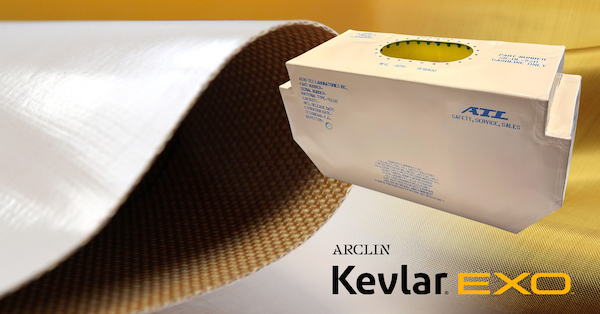
Aero Tec Laboratories & Arclin Advance FIA Safety Fuel Tank Standards With Kevlar® EXO™

ALPHARETTA, Ga. — November 11, 2026 — Arclin, a materials science company, has partnered with Aero Tec Laboratories (ATL), a global leader in FIA-approved fuel cells and bladders, to advance motorsport safety and meet the rigorous new requirements of FIA 8875-2025 through its groundbreaking 922-C and 927-B fuel bladder materials incorporating Kevlar® EXO™.

Through its collaboration with Arclin, ATL has become the first and currently only manufacturer to successfully produce fuel bladder materials that satisfy both grades of the new FIA 8875 standard. ATL has achieved Grade 1 (“Advanced Safety Fuel Tanks”) homologation with its 922-C material and successfully passed all Grade 2 (“Competition Safety Fuel Tanks”) testing requirements with its 927-B material, both developed using Arclin’s Kevlar® EXO™ technology.

Marking the first update to motorsport safety fuel tank regulations in more than 25 years, FIA Standard 8875-2025 establishes significantly enhanced requirements for puncture resistance, impact protection, fire survivability, and compatibility with a broader range of fuels, including sustainable alternatives. Together, these advancements represent a significant step forward in motorsport safety and underscore the importance of the Arclin and ATL collaboration.

Kevlar® EXO™ played a key role in helping ATL meet the FIA’s rigorous new requirements. Its advanced molecular structure delivers approximately 40% greater strength-to-weight performance than traditional Kevlar® fiber while improving flexibility, fuel compatibility, and energy absorption. These attributes enable fuel bladder designs that are lighter, stronger, and better equipped to withstand the extreme conditions encountered in professional racing.

“The introduction of the FIA’s new fuel tank standard reflects the motorsport industry’s ongoing commitment to advancing driver safety,” said Joe Hovanec, Arclin’s Vice President of Kevlar® EXO™. “Kevlar® EXO™ was designed to push the boundaries of performance materials, and we’re proud to work alongside ATL as they bring the first homologated solution to market under these more stringent requirements.”

Arclin and ATL collaborated closely to bring the benefits of Kevlar® EXO™ technology to next-generation fuel tanks. As the exclusive reinforcement in ATL’s 922-C and 927-B fuel bladder materials, Kevlar® EXO™ combines lightweight performance with exceptional strength, puncture resistance, and resistance to heat and flame.

In high-energy racing incidents, the material’s unique combination of toughness, flexibility, and energy dissipation helps fuel bladders maintain their integrity under severe impact conditions. This enhanced protection supports the FIA’s evolving safety objectives while helping teams maintain the performance characteristics demanded at the highest levels of motorsport.

“Continued investment in research and development with trusted partners is essential to advancing the next generation of safety technologies,” said Giles Dawson, Chief Executive Officer of Aero Tec Laboratories (ATL). “By combining our fuel cell expertise with the advanced performance characteristics of Kevlar® EXO™, we’ve developed a solution that meets the FIA’s latest requirements while setting a new benchmark for fuel tank protection.”

ATL will showcase its latest fuel bladder technology featuring Kevlar® EXO™ at PMW Expo in Cologne, Germany, on November 11-12. Visitors to booth 2046 can learn more about the new FIA 8875 standard and experience the difference firsthand, handling material samples that demonstrate the unique combination of lightweight performance, flexibility, toughness, and energy absorption that helped make the new 922-C and 927-B fuel bladders possible.

Posted: November 11, 2026

Source:Arclin

The Future Of Sewn Product Manufacturing Starts Here: Registration Opens For Texprocess Americas 2027

SAN PEDRO SULA, Honduras — November 10, 2026 — The Americas Apparel Producers’ Network (AAPN), in partnership with Honduras Upward, announces SOURCE: Honduras, taking place February 9–11, 2027, in San Pedro Sula, Honduras. The event will connect leading apparel brands, retailers, manufacturers, and industry partners through an immersive sourcing experience highlighting Honduras’ textile and apparel manufacturing capabilities.

Carhartt, Fanatics, Superior Glove, Varsity Brands, and Workwear Outfitters are among the confirmed participating brands, demonstrating continued interest in strengthening Western Hemisphere sourcing relationships.

Lynsey Jones

“The participation of these leading brands reflects the growing interest in expanding sourcing opportunities across the Western Hemisphere,” said Lynsey Jones, Executive Director of AAPN.

“It’s particularly encouraging that three of our first five confirmed brands are returning after participating in SOURCE: Guatemala, reinforcing the value of bringing sourcing decision-makers directly into manufacturing facilities to evaluate capabilities, build relationships, and explore new business opportunities. Through our partnership with Honduras Upward, we’re excited to showcase the important role Honduras plays in strengthening the regional textile and apparel supply chain.”

Building on the success of SOURCE: Guatemala in August 2026, the Honduras program will feature:

  • Curated Factory Tours: Visits to participating manufacturers, including Sierra Textiles, Parkdale Mills, Caracol Knits, Finotex, and additional regional facilities.
  • Strategic Sourcing Forum: Industry discussions focused on regional manufacturing opportunities, supply chain competitiveness, and the future of Western Hemisphere sourcing.
  • Executive Networking: Opportunities to connect brands, retailers, manufacturers, and industry leaders.

Applications Open for Brands and Retailers

AAPN is accepting applications from qualified sourcing, supply chain, production, and product development executives representing brands and retailers. Approved participants may receive up to three nights of hotel accommodations and a $500 travel stipend, along with factory tours, networking opportunities, and participation in the sourcing forum.

Participation is limited and subject to AAPN approval. Sponsorship opportunities are also available.

SOURCE: Honduras | February 9–11, 2027 | San Pedro Sula, Honduras

Event Information and Applications:
www.aapnetwork.net/source-honduras

Posted: November 11, 2026

Source: The Americas Apparel Producers’ Network (AAPN)

Sponsors